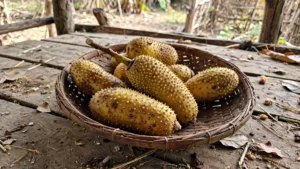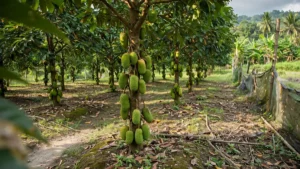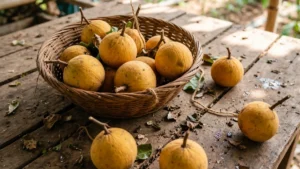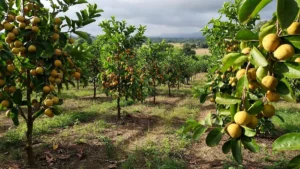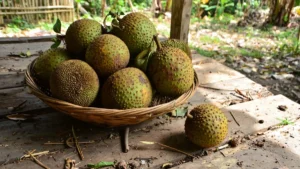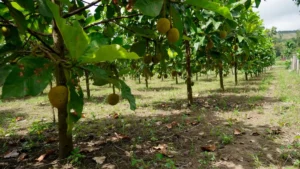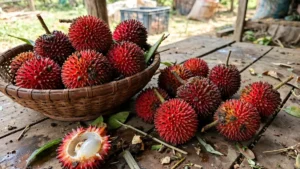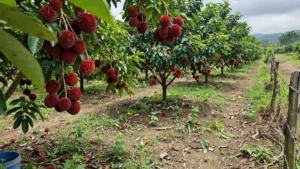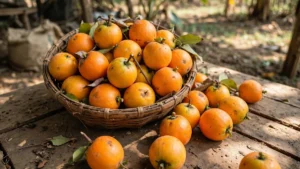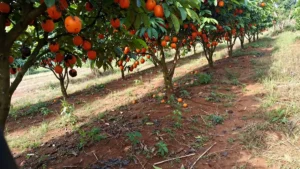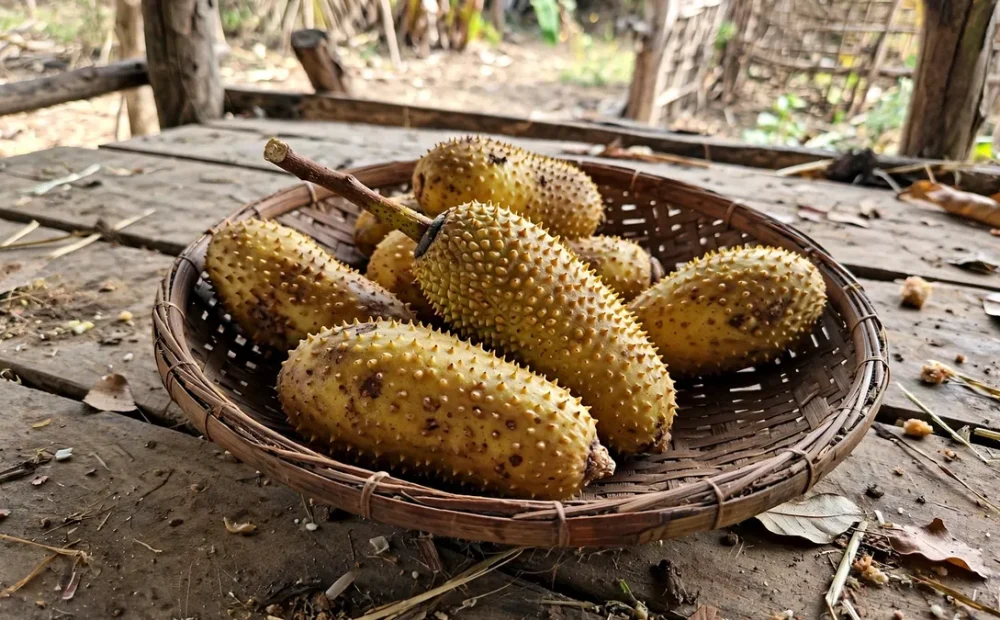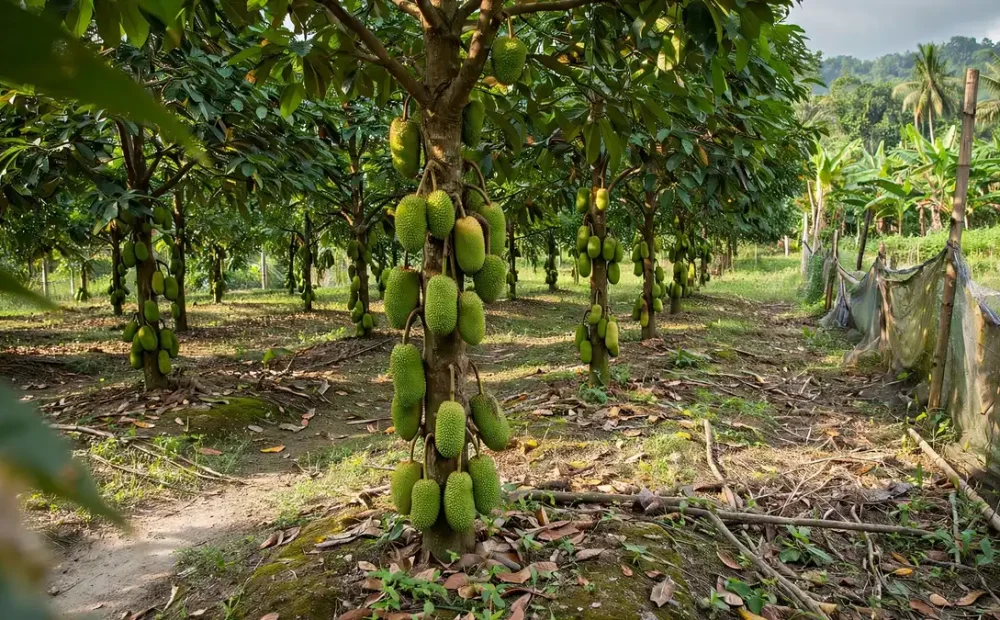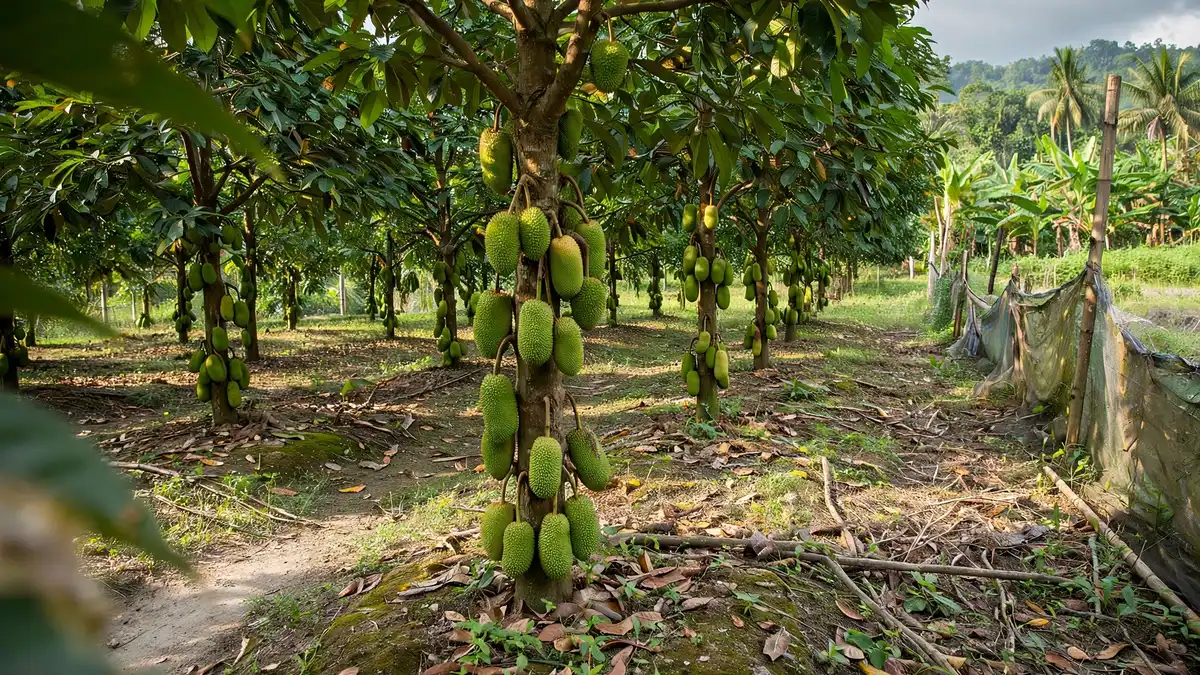
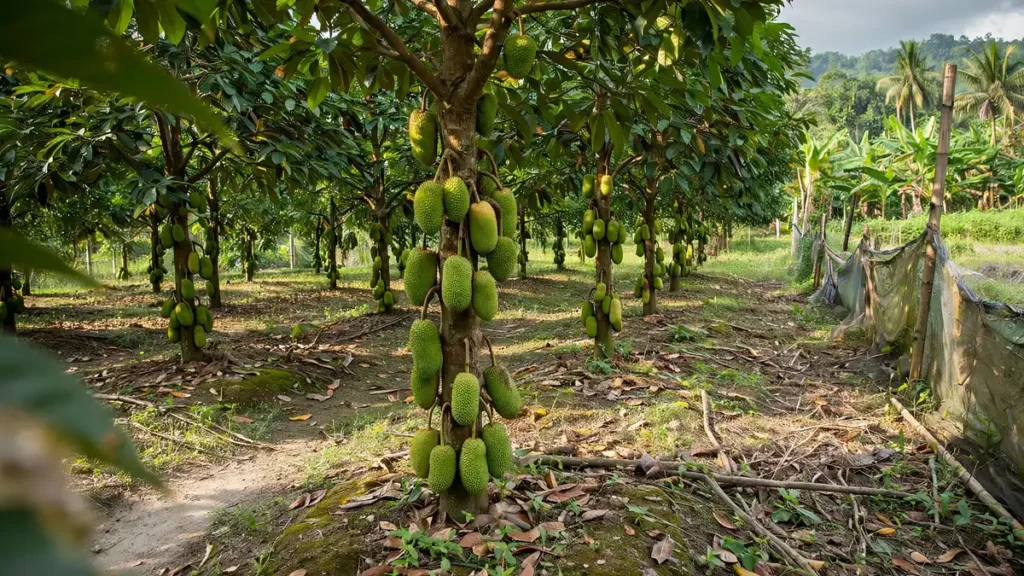
Cempedak is the fruit you smell before you see it, and the one you remember longest after you leave. It hangs in spiky green-gold clusters from a tall rainforest tree, and when it ripens the flesh turns soft, sweet, and almost custard-like, with a scent that fills a farmhouse kitchen. It is jackfruit’s smaller, bolder cousin, and it ripens fast, bruises faster, and never waits for a convenient weekend.
A stay on a cempedak farm is shaped by that urgency. The trees fruit in a short burst, the kitchen fries the flesh into fritters within hours of picking, and the best rooms are downwind of the drying racks. The farms below are small, family-run places in Malaysia, Indonesia, the Philippines, and beyond, each weighed for its good points and the traveller it suits.
Nine farm stays follow, from a hillside orchard in Pahang where the fruit drops at dawn to a warm grove above Hilo. Prices run from $65 to $380 a night, and every pick has a real kitchen, real picking, and a real bed.
Key takeaways
- Cempedak is a jackfruit relative with smaller fruit, softer flesh, and a stronger smell — plan around the scent, not against it.
- The fruiting burst is short, so dates matter more than the room rate.
- The best kitchens fry cempedak fritters the morning the fruit is cut.
- Ask about the smell in the bedrooms and about wheat in writing before you book.
- Fresh cempedak rarely survives a flight — take jars, dried slices, or fritter mix instead.
Why cempedak farms are worth the trip
Most tropical fruit travel is about looking. Cempedak travel is about eating, because the fruit is at its best for a day or two after it is cut, and that day belongs on the farm. The flesh scoops with a spoon, sweet between banana and mango, and the fritters are crisp outside and melting inside. No supermarket sells that, because the fruit does not travel.
The farms are small, and that suits slow travel. A cempedak orchard is a family plot with tall trees, a kitchen that cooks what the trees give, and a host who knows which branch drops fruit tomorrow. It is a working farm first and a guesthouse second. One warning: the smell is strong and gets into clothes and luggage, so choose your room with your nose open.
The 9 cempedak farm retreats
Raub, Pahang: orchard rows under the Titiwangsa hills
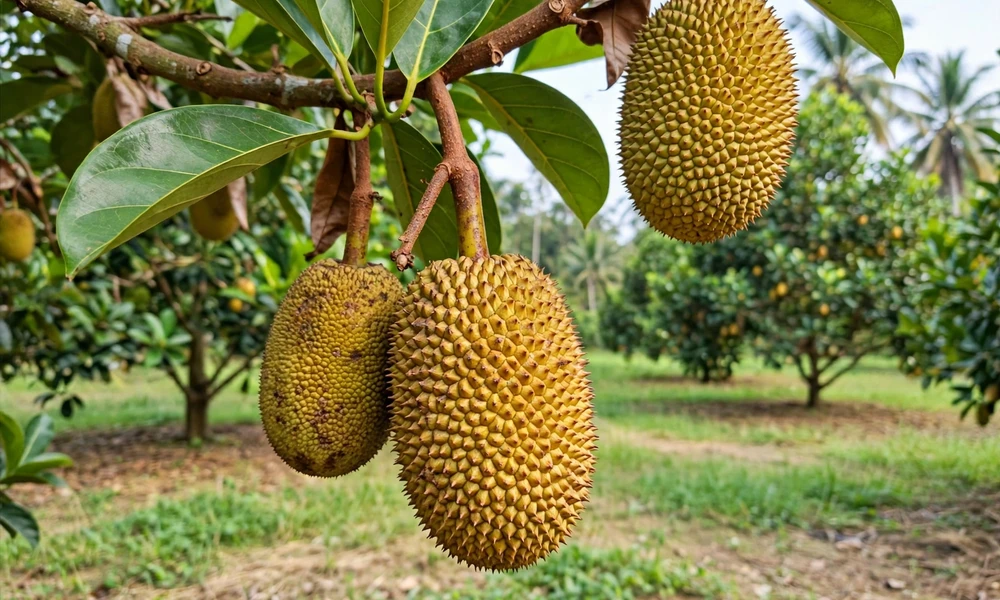
The farm at Raub sits on a slope above the old mining town, with cempedak rows running down to a stream. The host family has farmed here for three generations, and the picking starts at dawn. Guests join the morning walk, and the fruit they cut is in the kitchen by nine.
What We Like: The dawn walk is the real thing, and the breakfast fritters come from fruit cut that morning.
What to Consider: The road up from Raub town is steep and narrow, and the farm has no car, so you will need a taxi.
Best For: Early risers who want to pick before breakfast.
Style: Timber farmhouse with a wide veranda over the orchard.
Price Range: From $65 to $95 a night, with breakfast folded in.
Standout Feature: Breakfast fritters from fruit cut at dawn.
Kuching, Sarawak: river-side trees and a longhouse kitchen
Outside Kuching, the farm runs along a slow river, and the cempedak grows mixed with durian and langsat, so the walk moves between fruit. The kitchen is run by the host’s grandmother, who fries cempedak in thin batter with palm sugar and coconut. The rooms are simple, and the river cools the evenings.
What We Like: The kitchen is the heart of the stay, and the grandmother’s fritters are the best here.
What to Consider: The farm is an hour from Kuching, and the last stretch is unsealed, so the drive is longer after rain.
Best For: Food-first travellers who want the kitchen as much as the orchard.
Style: Longhouse-style guest rooms beside the river.
Price Range: From $95 to $125 a night, with breakfast and dinner folded in.
Standout Feature: A grandmother-run kitchen that fries cempedak to order.
Balikpapan, East Kalimantan: tall trees on a forest edge
The Balikpapan farm sits where the orchard meets the forest, and the trees are tall, some over twenty metres, with fruit on the trunk. The host uses a long bamboo pole with a net to bring the fruit down, and guests watch from a safe distance before handling it. The rooms are raised on stilts, which keeps them cool.
What We Like: The raised rooms stay cool, and the forest edge brings hornbills at dawn.
What to Consider: The trees are very tall, so guests do not cut fruit here — the host does it.
Best For: Travellers who want forest mornings and a cool room.
Style: Stilted wooden rooms at the forest edge.
Price Range: From $125 to $160 a night, with breakfast and dinner folded in.
Standout Feature: Hornbills in the trees at dawn and raised, cool rooms.
Medan, North Sumatra: a market farm with a fast kitchen
Near Medan, the kitchen buys its batter and palm sugar at the morning market, and the fruit goes from tree to table in under two hours. The host runs a tight schedule: picking at seven, frying at nine, a long lunch, and a second walk in the afternoon. The rooms are plain, with air conditioning and hot water.
What We Like: The kitchen is fast, the fruit is always fresh, and the rooms have air conditioning.
What to Consider: The farm is busy and the schedule is fixed, so slow mornings are hard to arrange.
Best For: Travellers who want comfort and a kitchen that never stops.
Style: Modern farmhouse rooms with air conditioning.
Price Range: From $160 to $195 a night, with all meals folded in.
Standout Feature: A market-run kitchen with fruit to table in two hours.
Yogyakarta, Java: terraced orchards above the rice fields
The Yogyakarta farm climbs a terraced hillside above the rice fields, and the trees stand along the terrace edges, so the walk comes with a view. The host is a former chef who left a hotel kitchen to cook on his own land, and the evening meal is a full Javanese spread with cempedak in three forms: fresh, fried, and simmered in coconut milk. The rooms are small, with carved wood.
What We Like: The evening meal is the finest here, and the terraced views are worth the climb.
What to Consider: The terraces are steep, and the walk to the kitchen is a climb, so it is not a stay for bad knees.
Best For: Travellers who want a chef’s table on a hillside.
Style: Carved-wood rooms on a terraced hillside.
Price Range: From $195 to $230 a night, with breakfast and dinner folded in.
Standout Feature: A former chef’s evening meal with cempedak in three forms.
Davao, Mindanao: a big-fruit farm with a long season
The Davao farm grows some of the largest cempedak on this list, with fruit that can weigh several kilos, and the season runs longer than in Malaysia because the rains come in two waves. The family sells most of its fruit at the Davao market, so guests in season see the farm at full pace, with fruit cut and loaded all day. The rooms are spacious, with wide windows, and the kitchen makes a jam guests take home in jars.
What We Like: The season is long, the fruit is huge, and the jam is a proper souvenir.
What to Consider: The farm is a working business first, so the picking walks fit around the market schedule.
Best For: Travellers who want the longest season and the biggest fruit.
Style: Spacious rooms with wide windows onto the orchard.
Price Range: From $230 to $265 a night, with breakfast and dinner folded in.
Standout Feature: Giant fruit, a long season, and jam to take home.
Chiang Mai, Thailand: a hushed orchard above the valley floor
North of Chiang Mai, the farm is quiet, with cempedak among mango and longan, and a host who speaks softly and cooks slowly. The picking is unhurried, the kitchen fries small batches through the day, and afternoons are for hammocks and books. The rooms are whitewashed and cool, with a shared terrace, and the farm keeps bees, so breakfast comes with its own honey.
What We Like: The pace is slow, the rooms are cool, and the farm’s honey is on the breakfast table.
What to Consider: The farm is small and the fruit is limited, so the picking is shared and runs out on busy days.
Best For: Travellers who want quiet, slow days and a cool room.
Style: Whitewashed rooms with a shared valley terrace.
Price Range: From $265 to $300 a night, with breakfast and dinner folded in.
Standout Feature: Farm honey at breakfast and a slow pace.
Cairns, Queensland: cempedak at the edge of the tropics
The Cairns farm is one of the few places outside Southeast Asia where cempedak grows well, and the host, a former botanist, has spent twenty years coaxing the trees through the dry season. The fruit is smaller than in Malaysia but sweeter, and the farm runs guided walks that explain the tree, the pollination, and the grafting. The rooms are comfortable, with a pool, and the kitchen serves cempedak with bush flavours beside the fritters.
What We Like: The guided walks are the most informative here, and the pool is welcome after a hot morning.
What to Consider: The fruit is smaller and the season is short, so the picking window is narrow.
Best For: Travellers who want to learn the botany as well as eat.
Style: Modern rooms with a pool beside the orchard.
Price Range: From $300 to $340 a night, with breakfast and dinner folded in.
Standout Feature: Botanist-led walks and a pool after the picking.
Hilo, Hawaii: a warm grove with the longest season
Above Hilo, the farm grows cempedak in rich volcanic soil, and the warm, wet climate gives it the longest season on this list. The host is a third-generation farmer who grafts his own trees, and the orchard mixes cempedak, jackfruit, and breadfruit, so the walk moves between three related fruits. The rooms are the most polished here, with a lanai, and the kitchen serves fritters with Hawaiian honey.
What We Like: The longest season, the most polished rooms, and a host who grafts his own trees.
What to Consider: It is the dearest stay here, and the rain comes often, so the picking walks move with the weather.
Best For: Travellers who want the longest season and the most comfortable rooms.
Style: Polished rooms with a lanai for evening meals.
Price Range: From $345 to $380 a night, with everything folded in.
Standout Feature: The longest season and a host who grafts his own trees.
What to look for in a cempedak farm stay
First, check whether the farm fries its own fruit. A farm that sends its harvest to market and buys fritters from a stall is not the same stay as one where the kitchen cuts and fries on the same morning. Ask when the frying starts and whether guests can watch. A farm proud of its kitchen answers in detail.
Second, check the smell and the picking. A room beside the ripening shed carries the scent all night, so ask which rooms sit farthest from the kitchen. Some farms let guests cut fruit and some only let them watch, so say in your first message if picking is why you are going. The breadfruit farms of the Pacific run on the same logic, and the same questions work there too.
Planning your cempedak farm escape
Start with the dates, and work backwards from the fruit. Write to the farm six to eight weeks before you travel and ask which trees are in fruit and which are still swelling. If the answer is vague, the season is probably not on — shift your dates rather than hope. Cempedak does not wait for flights, and a farm with bare trees has nothing to eat.
Then sort the travel and the packing. Most farms are an hour or more from the nearest airport, and the last stretch is often unsealed or steep, so ask whether the farm sends a car. Pack for the work: closed shoes with grip, long sleeves, a hat, and a bag that can carry fruit without leaking.
Finally, tell the farm about wheat in writing if you need gluten-free food. The fritters are fried in wheat batter on most farms, and the kitchen needs notice to prepare rice-flour batter instead. A short message before you book is the difference between eating well and plain rice. The durian farms of Malaysia ask the same question: say it early, say it in writing, and check again when you arrive.
Cempedak farm retreats at a glance
| Detail | What is known |
|---|---|
| Botanical name | Artocarpus integer, a close relative of jackfruit and breadfruit |
| Where it grows | Malaysia, Indonesia, the Philippines, Thailand, Australia, and Hawaii |
| Fruit size | Smaller than jackfruit, usually 20 to 35 centimetres long |
| Flavour | Soft, sweet, and custard-like, between banana and mango |
| Best way to eat it | Fresh and ripe, or fried as fritters within hours of picking |
| Season | A short burst of a few weeks, shifting with the rains |
| Price range | From $65 a night in Pahang to $380 above Hilo |
| Gluten note | Fritters usually use wheat batter — ask for rice flour in writing |
Checklist before you book
- Ask which trees are in fruit now, not just which month the season usually runs.
- Ask whether guests can cut fruit, watch, or only eat what the host brings in.
- Ask which rooms sit farthest from the kitchen and the ripening shed.
- Tell the farm about wheat in writing, and ask for rice-flour batter if you need it.
- Check the drive from the airport, and whether the farm sends a car.
- Pack closed shoes, long sleeves, and a sturdy bag.
Frequently asked questions
What does cempedak taste like?
It tastes soft and sweet, between banana and mango, custard-like when fully ripe. Fried as a fritter it turns crisp outside and melting inside. The smell is strong, but the flavour is gentle, and first-time eaters are surprised by how mild it is once the skin is off.
When should I visit a cempedak farm?
Visit in the middle of the fruiting burst, which lasts a few weeks and shifts with the rains. Write to the farm six weeks ahead and ask which trees are swelling. Too early and the fruit is hard; too late and the trees are bare.
Is the smell a problem at the farm?
It depends on the room. The smell is strong near the kitchen and the shed, faint in rooms facing the orchard. Ask for a room away from the sheds and keep your luggage closed. It is not as overpowering as durian, but it is unmistakable.
Can children come along on the picking walk?
Yes, on most farms, as long as they stay with a guide and wear closed shoes. The fruit is heavy and the sap is sticky, so small children watch and carry the basket. Ask about ages before you book.
Can the kitchen cook without wheat?
Most do, if you tell them in writing before you arrive. The fritters are normally fried in wheat batter, but rice flour works with a day or two of notice. Check again when you arrive, and ask about the sauces as well as the batter.
How is cempedak different from jackfruit?
Cempedak is smaller, softer, and stronger smelling than jackfruit, and it ripens faster. The fruit is usually one to three kilos, while jackfruit can reach thirty, and the flesh is softer and sweeter. They are close relatives, but the eating is different, and so are the farms.
The bottom line
Cempedak farms suit travellers who want to eat the fruit where it grows, in the short window when it is at its best. The stays here are small and honest, built around a real kitchen, and the best fry the fruit within hours of cutting it. Pick your dates from the trees, not the calendar, and ask about the smell and the wheat before you pay.
If you want one place to start, Raub is the cheapest way in and the most honest picking walk, while Hilo has the longest season and the most comfortable room. Go in the middle of the burst, pack closed shoes, and leave the fresh fruit at the farm — take the jars home instead.