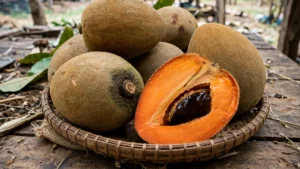
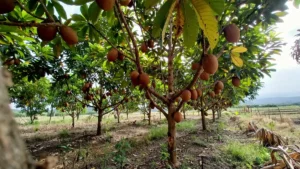
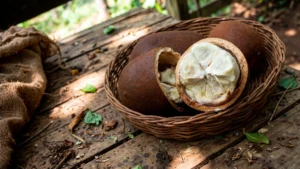
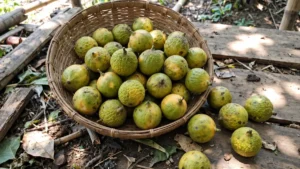
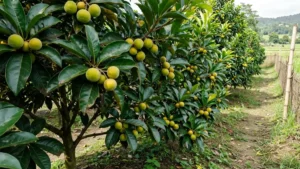
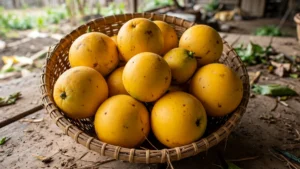
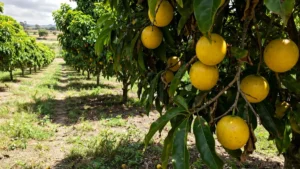
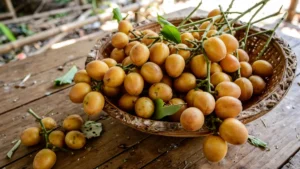
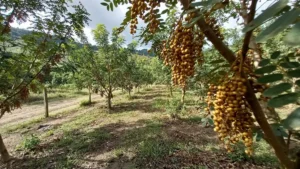
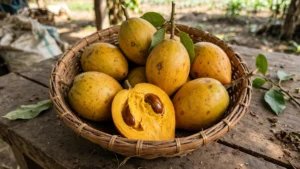
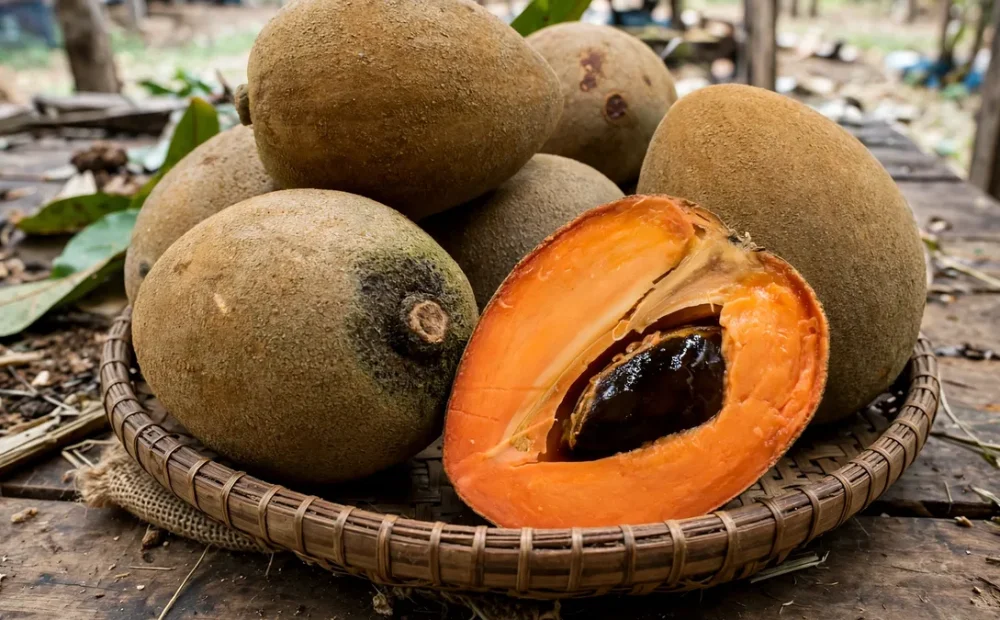
Planning a cupuacu farm escape is simpler than it looks, once you know how the fruit, the season and the Amazon travel fit together. Cupuacu is Theobroma grandiflorum, a large brown fruit from the Amazon rainforest, and its creamy, sour pulp is gathered fresh each morning during the harvest, roughly December to April. A farm escape means staying on a working farm, joining the morning gathering, tasting the fruit at its freshest, and watching the seeds being pressed into cupuacu butter.
The planning is mostly about timing and travel. The harvest falls in the wet season, when rivers are high and the forest is green, but also when roads flood and boats run late. Most farms are reached by flight, road and river, and the last leg is often a boat. The farms do this every week, and a good host will tell you exactly which flight to take and which boat to catch.
This guide walks through the nine steps that turn a vague idea into a trip that works: choosing your dates, picking a farm, booking the journey, packing for the wet season, and making the most of the orchard, the butter-making and the river.
Key takeaways
- Book inside the harvest, roughly December to April, if you want the morning gathering and fresh pulp tasting.
- Most cupuacu farms need a flight, a road and a boat to reach, so allow a full travel day each way.
- Confirm what the price covers — boat transfers, meals, guiding and tastings — before you pay.
- Pack for the wet season: light rain gear, insect repellent, and shoes you can get muddy.
- Cupuacu pulp has no gluten in itself, but the farm kitchen serves shared dishes, so flag any wheat in sauces, breads and desserts if you eat gluten-free.
What a cupuacu farm escape actually is
A cupuacu farm escape is a stay on a working Amazon farm where the fruit is the reason for the trip. Cupuacu trees grow tall under shade trees, the fruit falls when it is ripe, and the farmer gathers it from the ground each morning. You sleep in a lodge or farmhouse room, eat meals cooked from the farm and its neighbours, and spend your days in the orchard, at the butter press, or on the river.
The day follows the fruit and the heat. Mornings start early, with the gathering and a tasting while the pulp is still cool. Midday is for the butter-making, a rest in a hammock, or a slow river trip. Evenings are for shared meals and early nights. There is little phone signal on the remoter farms, and no nightlife at all.
It is worth knowing what a farm escape is not. It is not a resort with a cupuacu theme, and it is not a day tour from a city hotel. The farms on this list grow the fruit, press the butter, and host guests as part of the farm’s life. If a stay cannot tell you how many cupuacu trees it grows, it is probably not a farm escape at all.
How to plan the trip, and what to ask first
Start with the season, then the farm, then the journey. The harvest runs roughly December to April, when the farms are at their best. Belém and Manaus are the easiest gateways, Santarém and Rondônia a step further, Acre and Amapá the deep choices. Then ask the farm how to get there, and follow their advice rather than improvising.
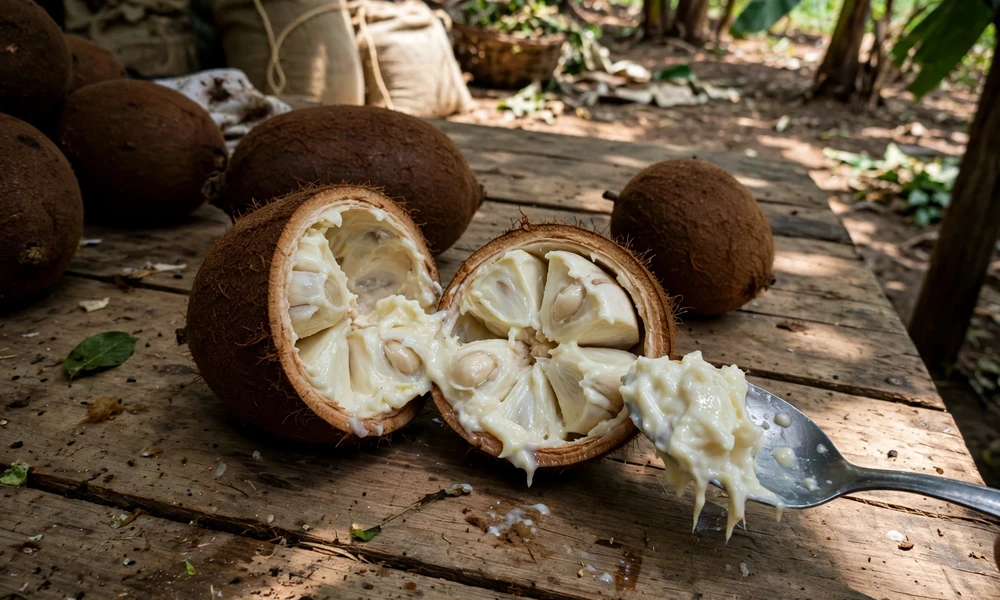
Ask the farm three things before you book. First, is the butter-making a working process you can join, or a short demonstration? Second, what is included in the price — transfers, meals, guiding, tastings — and what is extra? Third, what happens if a boat is delayed or a road floods? A farm that answers plainly has done this many times. Our guide to planning a jackfruit farm escape follows the same steps for a very different harvest.
Finally, tell the farm about yourself. Food allergies, gluten-free needs, children, mobility, and any medical conditions should be mentioned before you book, not when you arrive. Farm kitchens cook in small batches and can usually adapt, but only with warning.
The 9 steps to a cupuacu farm escape
Set your dates inside the cupuacu harvest
What to do: Choose dates between December and April, when the fruit is gathered fresh each morning and the tasting is at its best. What to avoid: Booking a harvest trip in the dry season and expecting fresh picking. Best For: Anyone whose main reason for going is the fruit itself. Time Needed: A few hours of research to compare harvest windows across regions. Standout Tip: February and March are usually the peak, with the most fruit and the liveliest farms.
The harvest is the heart of the trip, and the dates decide whether you see it. By February it is in full swing, and by April it is winding down. The wet season also means high rivers and the best boat trips, so the rain is part of the setting, not a drawback.
Find a farm built around cupuacu, not a sideline
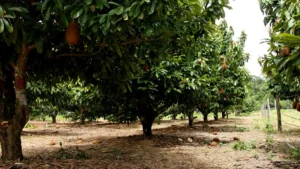
What to do: Ask how many cupuacu trees the farm grows, and whether guests walk the orchard with a guide. What to avoid: A stay with a single display tree and pulp bought from a market. Best For: Travellers who want a real farm, not a themed hotel. Time Needed: An hour of emails to two or three farms. Standout Tip: A farm that grows cupuacu beside cacao is a bonus, because the two cousins make a natural tasting together.
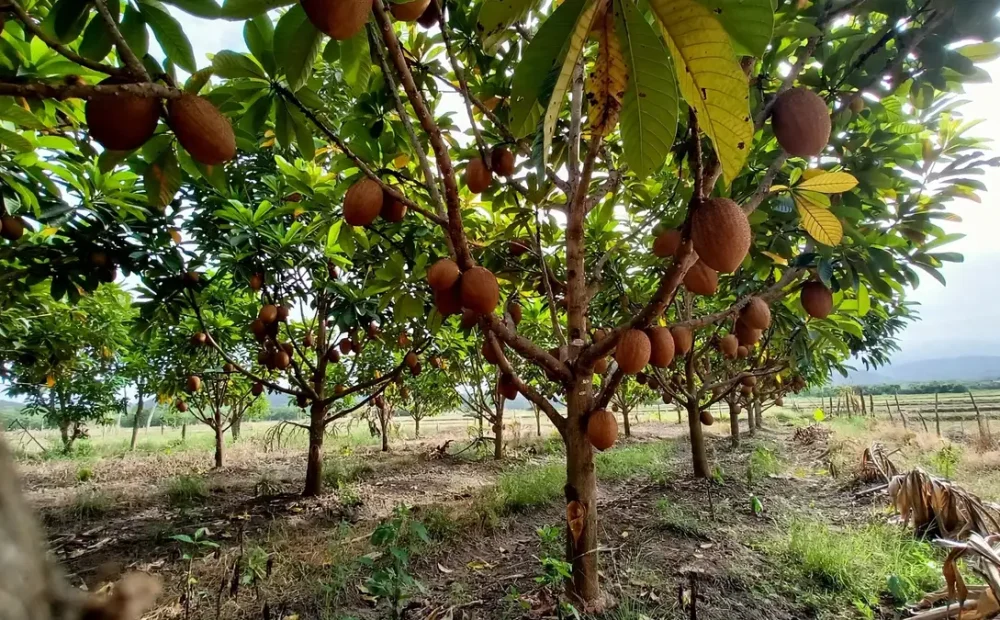
The number of trees is the simplest test of a farm’s honesty. A real cupuacu farm grows hundreds in a shaded orchard, and the farmer can walk you through it. A themed stay has a handful of trees near the dining room. Ask the question directly, and trust the answer that gives a number.
Get the farm dates confirmed before any flight
What to do: Confirm your room and dates with the farm first, then book flights around it. What to avoid: Booking a flight to Manaus and then finding your chosen farm full. Best For: Harvest-season weekends, when small farms fill fast. Time Needed: A day to exchange emails and confirm. Standout Tip: Ask the farm which flight to take, because they know the boat schedule that follows it.
Small farms have few rooms, and the harvest season is short, so the room is the scarce thing. Book the farm first, get the arrival instructions in writing, and then choose flights that fit the boat. Our guide to planning a durian farm escape makes the same point, because the logic holds for any small tropical farm.
Map the airport-to-farm route in advance
What to do: Follow the farm’s transfer instructions, and leave a full day for the journey. What to avoid: Planning a tight connection between a flight and a boat. Best For: Anyone arriving on an afternoon flight. Time Needed: Half a day of travel planning, plus the journey itself. Standout Tip: Keep your first night flexible, in case a boat is delayed or a road floods.
The journey is usually a flight to Belém, Manaus or Santarém, then a road, then a boat. Each leg has its own timetable, and the wet season can stretch them all. Farms deal with this every week and will tell you which connections work. Listen to them.
Dress and pack for a wet-season orchard
What to do: Pack light rain gear, insect repellent, long sleeves for the evening, and shoes you can get muddy. What to avoid: White clothes, heavy luggage, and shoes you care about. Best For: Wet-season travel, when the forest is at its greenest. Time Needed: An evening of packing. Standout Tip: A dry bag for your phone and camera is worth more than an extra outfit.
The Amazon in the wet season is warm, wet and alive with insects, and the right packing makes the difference between comfort and misery. Light, quick-drying clothes beat cotton, and a small daypack beats a suitcase on a boat. Bring sunscreen too, because the sun between showers is strong.
Start at sunrise with the fruit collectors
What to do: Get up with the farmer, walk the orchard, gather the fallen fruit, and taste the pulp fresh. What to avoid: Sleeping in and meeting the fruit only at breakfast. Best For: Early risers and anyone who wants the real farm morning. Time Needed: Two to three hours, starting at dawn. Standout Tip: Bring a small basket or bag, because the farm will usually let you carry what you gather.
The morning gathering is the best part of a cupuacu escape, and it happens early. The fruit falls overnight, the farmer walks the rows with a basket, and the pulp is cut open while it is still cool. Tasting it minutes after it is opened, under the trees it grew on, is a different experience from eating it at a table hours later.
Stay for the whole seed-to-butter process
What to do: Stay for the full process, from separating pulp and seeds to drying, roasting and cold-pressing. What to avoid: Treating it as a photo stop and leaving after five minutes. Best For: Anyone curious about how cupuacu butter is actually made. Time Needed: Half a day, spread across the morning. Standout Tip: Ask to press a small jar of your own, because most farms will let you take it home.
Cupuacu butter starts with the seeds left after the pulp is scooped out. They are fermented, dried in the sun, roasted, and then pressed cold to release a soft, pale fat. The process takes hours, and the farm will usually let guests join each stage. A short demonstration is pleasant; the full process is memorable.
Eat the farm’s food, and ask about the kitchen
What to do: Eat what the farm cooks, ask how cupuacu is used in each dish, and mention allergies in advance. What to avoid: Asking for a city menu in the middle of the forest. Best For: Hungry travellers and anyone watching what they eat. Time Needed: Every meal, for the length of your stay. Standout Tip: Try cupuacu in a savoury sauce over river fish, not just in juice and ice cream.
Farm food in the Amazon is simple and generous: river fish, manioc, rice, beans, tropical fruit, and cupuacu in everything from breakfast juice to dessert. The kitchens are small, the ingredients are local, and the cooking is honest. For a different take on farm cooking, our guide to planning a marang farm escape shows how another fruit shapes a whole menu.
Save a day for rivers and forest trails
What to do: Set aside at least a full day for a boat trip or a forest trail beyond the orchard. What to avoid: Filling every hour with farm activities and leaving no time to look around. Best For: Travellers who want the Amazon, not just the orchard. Time Needed: A full day, ideally your second or third. Standout Tip: A dawn boat trip is the quietest, coolest and most beautiful hour of the day.
The orchard is the reason you came, but the river and the forest are what make the trip feel like the Amazon. A boat trip at dawn, a forest trail with a local guide, or an afternoon of fishing from a canoe will show you the world the farm sits inside. Leave a day for it.
Which cupuacu region fits your trip
Belém and Manaus are the easiest gateways, with mature orchards, short boat rides, and lodges used to first-time visitors. They suit a first Amazon trip and anyone who wants the farm without a long journey. Santarém and Rondônia are a step further in, with family farms, shared tables, and food that rewards the extra travel.
Acre and Amapá are the deep choices: longer journeys, smaller stays, wilder orchards, and forest that feels untouched. Maranhão and Bahia work for shorter breaks, and Palmas suits anyone who wants waterfalls and savanna alongside the orchard. Wherever you go, book inside the harvest, and let the farm tell you how to get there.
The caveats that matter
The main caveats are practical, not medical. Rain, mud and mosquitoes come with the wet season, and the same rivers that make the journeys beautiful can also delay them. Boats can be delayed and roads can flood, so build slack into your plans and treat a delayed boat as part of the trip rather than a failure.
| Detail | What is known |
|---|---|
| Best months | December to April, with February and March usually the peak |
| Trip length | Three nights is a good length; two for short stays, a week for remote farms |
| Getting there | Flight to a gateway city, then road and boat; allow a full travel day |
| What to pack | Light rain gear, repellent, long sleeves, muddy shoes, a dry bag |
| Food and gluten | Pulp has no gluten; tell the kitchen about wheat in shared meals in advance |
| Allergies | Cacao or tree-nut sensitivity: ask before tasting butter or pulp |
| Booking lead time | Two to three months ahead for harvest-season weekends |
| What to expect | Early mornings, shared meals, patchy signal, and flexible schedules |
If you have a medical condition, a food allergy, or you are pregnant, tell the farm before you book. Farm kitchens and guides can adapt, but only with warning. Bring any medication you need, because the nearest pharmacy may be hours away by boat.
Checklist: planning a cupuacu farm escape honestly
Use these checks as you plan, and again a week before you travel.
- Check the dates: book December to April if the morning gathering and fresh tasting matter to you.
- Check the farm: ask how many cupuacu trees it grows and whether guests walk the orchard with a guide.
- Check the price: confirm what is included — transfers, meals, guiding and tastings — before you pay.
- Check the journey: follow the farm’s transfer advice, and keep your first night flexible.
- Check the food: tell the kitchen about allergies and gluten-free needs before you book.
- Check the packing: light rain gear, repellent, muddy shoes, a dry bag, and sunscreen for the sun between showers.
Frequently asked questions
How long does a cupuacu farm escape take to plan?
About two to three weeks of light planning, plus a booking lead time of two to three months for harvest-season weekends. The farm is the first thing to confirm, then the flights, then the transfers.
Do I need a visa or vaccines for the Amazon?
That depends on your nationality and your doctor, not on the farm. Check your government’s travel advice for Brazil, and speak to a travel clinic about vaccines and malaria advice for the Amazon region well before you travel. Bring any medication you need, because pharmacies are far from the farms.
Can children come on a cupuacu farm escape?
Yes, especially to the family-run stays near Belém and Santarém, where children can join the gathering, taste the fruit and ride in the boats. Keep outings short, bring water and sun protection, and choose a stay with a pool or a river for cooling off.
What should I wear on a cupuacu farm?
Light, quick-drying clothes, long sleeves for the evening, a light rain jacket, and closed shoes you can get muddy. A hat and sunscreen matter between showers, and a dry bag keeps your phone and camera safe on boats.
Is cupuacu safe to eat every day on the farm?
Yes, for most people. Cupuacu pulp is eaten widely across Brazil in juice, ice cream and desserts, and the farms serve it daily during the harvest. If you have a cacao or tree-nut sensitivity, ask before tasting the pulp or the butter, and tell the kitchen in advance.
Can I take cupuacu butter home?
Usually yes. Most farms sell butter pressed on site, and it makes a good souvenir. Check your airline’s rules for liquids and creams before you pack it, and keep it in your checked luggage if it is over the hand-luggage limit.
The bottom line
A cupuacu farm escape works when the dates, the farm and the journey are planned in the right order. Book inside the harvest, choose a farm that grows its own fruit, let the farm tell you how to get there, and leave slack for the river and the rain. Three nights is enough for most people, and a week suits the remoter farms.
Go for the morning gathering, stay for the butter-making, and leave a day for the river. That is the shape of a good cupuacu escape.