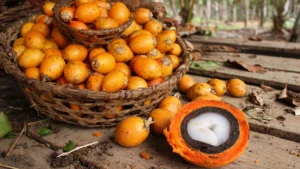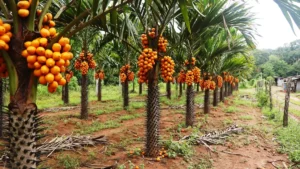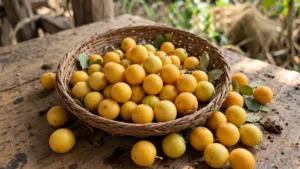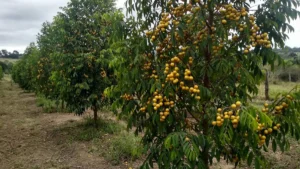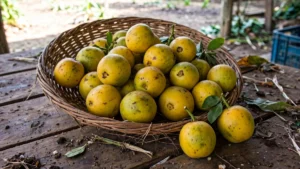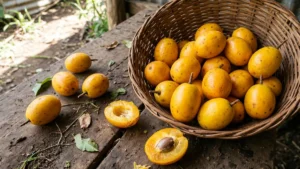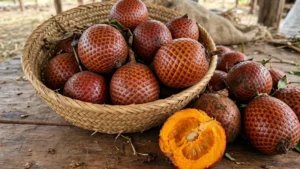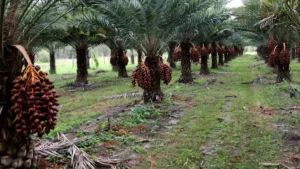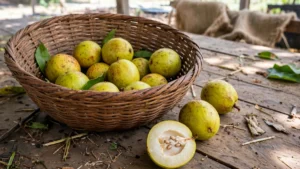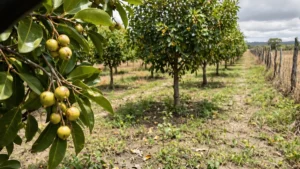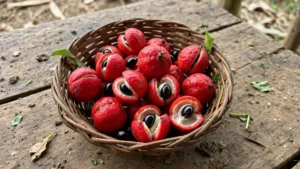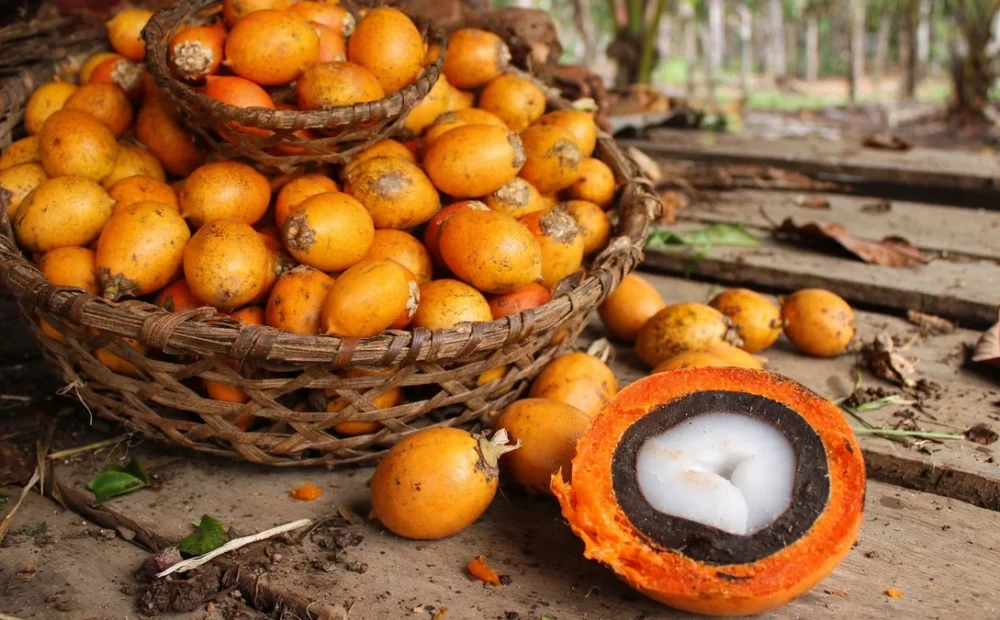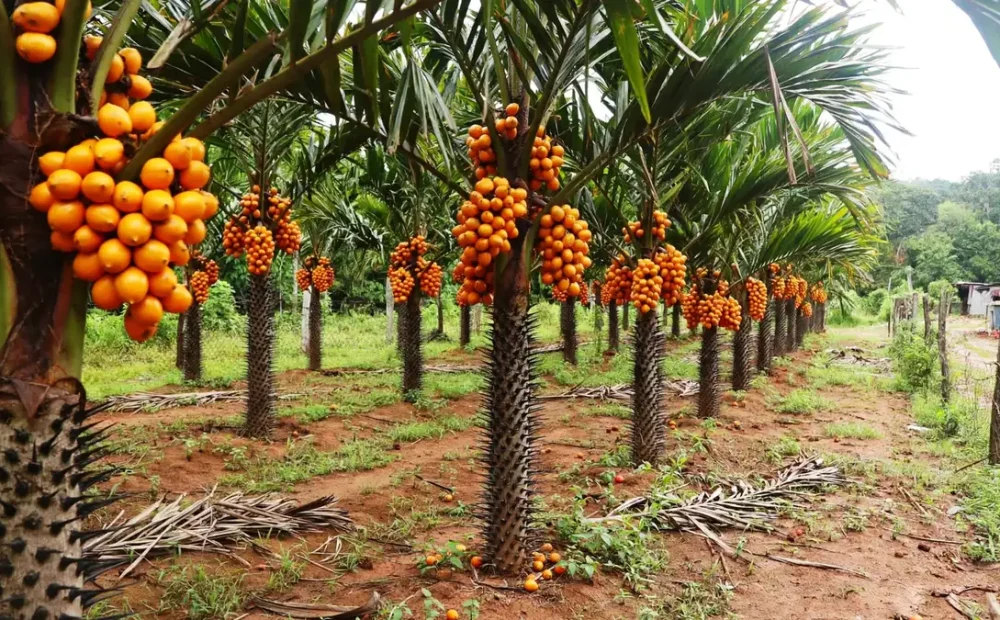
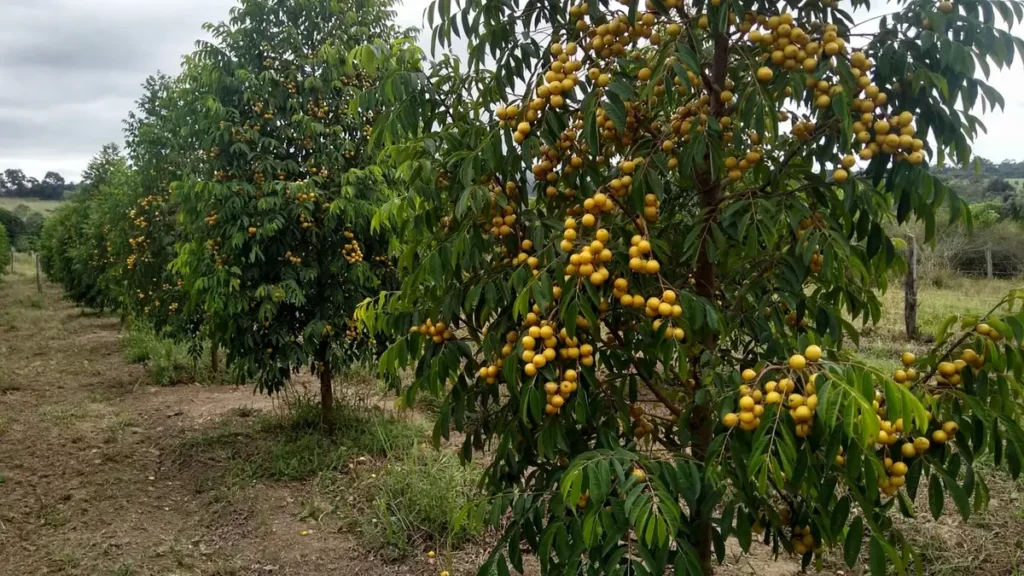
Muruci is a fruit most travellers have never heard of, and that is exactly why a farm stay built around it feels different. In Brazil it grows wild across the cerrado and the edges of the Amazon, a small yellow berry with a sweet-sour bite that locals eat fresh, press into juice, or fold into ice cream. Outside Brazil and Central America, where it is also called nance, it barely registers on a menu. A muruci farm retreat puts you where it is ordinary: the orchard itself.
These stays are not resorts with a fruit theme bolted on. They are working farms where the muruci rows sit beside the guest rooms, breakfast includes juice pressed that morning, and the day is shaped by the harvest rather than a spa timetable. Some are simple farmhouses with a cook who has lived on the land for decades; others are polished lodges with pools and guided walks. What they share is a small scale and a fruit that cannot be faked: muruci does not travel well, so you have to go to it.
Below are nine stays worth considering in 2027, from the cerrado around Brasília to the river towns of the Amazon, each weighed on what it does well, what to watch for, and who it suits.
Key takeaways
- Muruci is a small yellow fruit from the cerrado and the Amazon, sweet and sour at once, eaten fresh, juiced, or as ice cream.
- The best time to visit is when the fruit is falling ripe, which varies by region, so ask for the harvest weeks before you book.
- Farm stays are small, often with only a handful of rooms, and the best ones fill months ahead during peak harvest.
- Expect a working farm, not a resort: early mornings, simple rooms, home cooking, and orchard walks with the people who tend it.
- Muruci is not a safe pick for everyone, and gluten-free guests should tell the farm about wheat before booking, because farm kitchens use it daily.
What a muruci farm retreat actually is
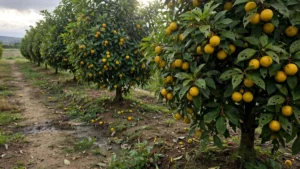
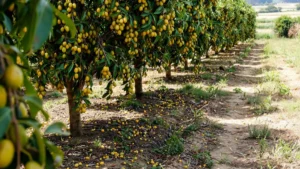
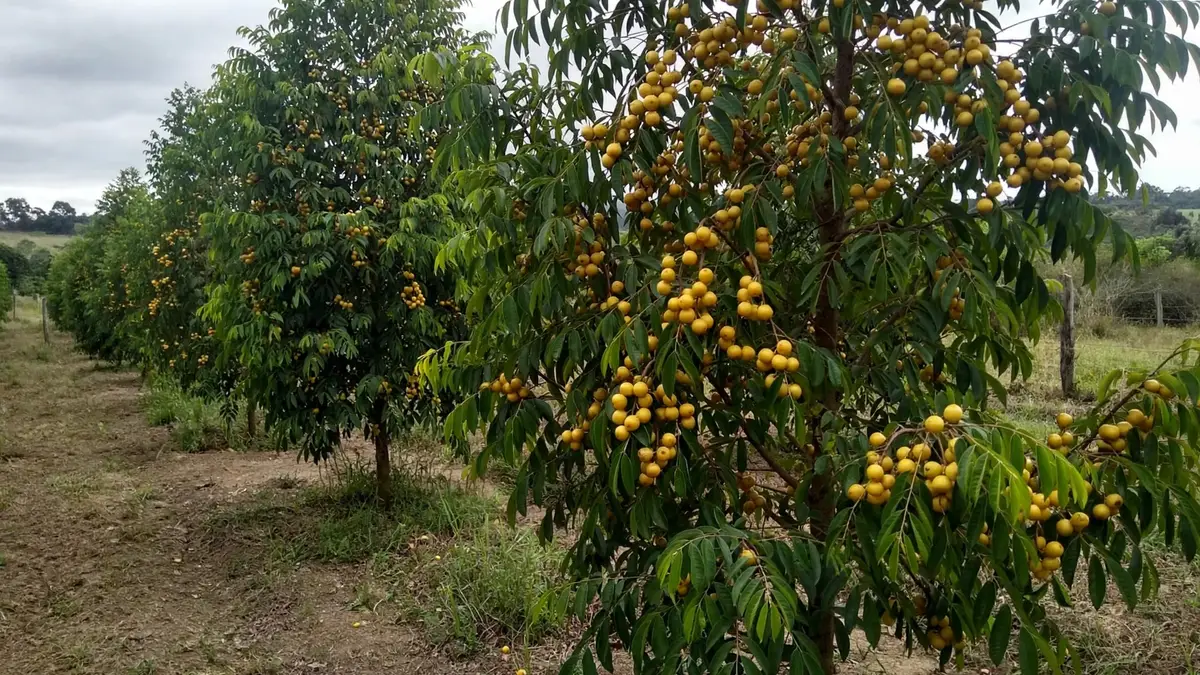
A muruci farm retreat is a stay where muruci trees are part of the daily work. The trees are low and spreading, with leathery leaves and clusters of small yellow fruit that ripen to a soft gold. Guests wake to the sound of the farm starting, walk the rows while the fruit is still cool, and taste it at the hour it is picked. The picking, the pressing, and the cooking are the farm’s real work.
The fruit is the reason to come, but not the only reason to stay. Muruci farms sit in landscapes worth the trip on their own: the open cerrado with red earth and twisted trees, the river plains of the Amazon, the savanna country of Roraima. Days follow a loose rhythm of orchard walks in the morning, a long lunch, a rest through the heat, and an evening tasting or a walk to a waterfall. It is a slow kind of travel, and it suits people who let the farm set the pace.
Muruci does not ripen all year, and the window is short in any one place. A farm wonderful in June can be quiet and fruitless in September, which is why the first question to any host should be about dates, not rooms.
How we picked these stays, and what to ask first
We looked for farms where muruci is genuinely grown and harvested, not planted as decoration: a working orchard guests can walk with someone who knows the trees, and fruit in the kitchen rather than only in a photograph. A simple farmhouse is listed as one, and a polished lodge as one.
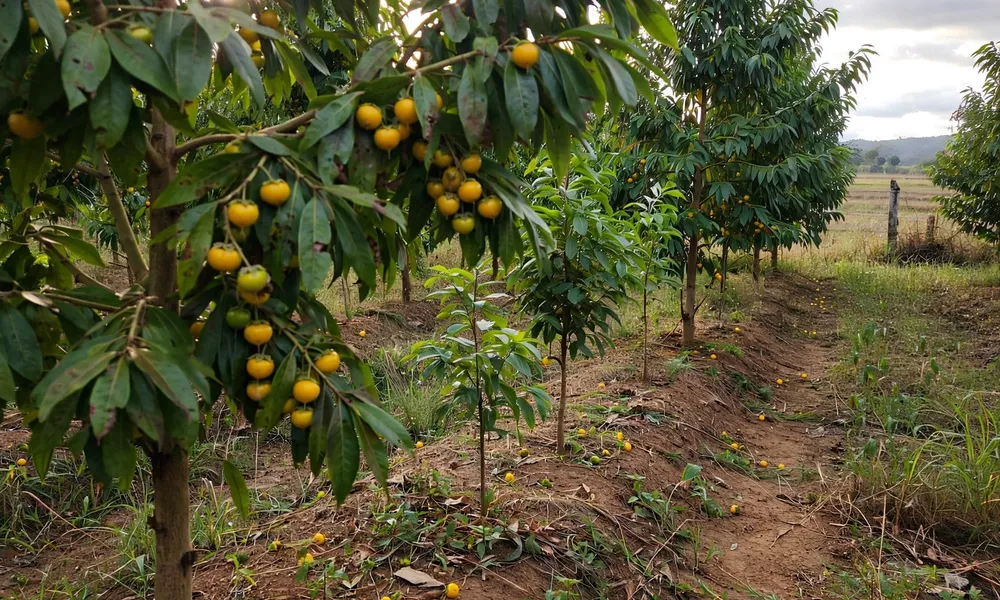
Before you book, ask three things. First, the harvest dates: which weeks the fruit is falling, and whether guests can pick it themselves. Second, how you get there: many farms sit an hour from the nearest town, and a lift arranged in advance beats a rental car you cannot use on farm tracks. Third, what the kitchen can do for you: if you avoid wheat, say so in your first message, because farm bread and cakes are made on site every day. Our guide to the best luxury mangaba farm retreats asks the same questions.
The 9 best luxury muruci farm retreats of 2027
Brasília, Distrito Federal — Muruci on the Cerrado’s Doorstep
What we like: Just outside the capital, this farm keeps its muruci rows a short walk from the guest rooms, and the trees fruit generously in the dry months. The juice at breakfast is pressed from fruit picked an hour earlier.
What to consider: The cerrado sun is fierce by late morning, and the kitchen runs a shorter menu on weekdays. The drive is easy, but Friday evening traffic can double it. Best for: A first muruci trip that does not need a flight. Style: Modern farmhouse with wide verandas and a small pool. Price range: $90–$135 a night, with breakfast in the price. Standout feature: Orchard walks at dawn, before the heat arrives.
Goiânia, Goiás — Muruci among the Red-Earth Fields
What we like: The farm sits in open country west of Goiânia, where muruci grows beside cattle pasture and vegetable plots. The host family has farmed here for two generations, and the evening meal comes from the garden that day.
What to consider: Rooms are simple and the nearest town is a drive away, so arrive in daylight. The fruit season is generous but short, and a dry year can thin the crop. Best for: Travellers who want a working farm, not a hotel. Style: Low white farmhouse with a shaded yard and hammocks. Price range: $68–$98 a night, with breakfast in the price. Standout feature: Home cooking from the farm garden, every evening.
Palmas, Tocantins — Muruci in Tocantins’ Open Country
What we like: Near Palmas, the muruci trees stand in sandy soil under a wide sky, and the fruit ripens early. The farm pairs orchard mornings with trips to nearby rivers, and the swim after a hot walk is the best part.
What to consider: Distances are long and the roads are rough in places, so a guided transfer is sensible. The heat is serious, and you will learn to value shade. Best for: Visitors combining a farm stay with the Jalapão region. Style: Rustic lodge with open-air dining and a river nearby. Price range: $75–$115 a night, with breakfast in the price. Standout feature: River swimming after the orchard walk.
Cuiabá, Mato Grosso — Muruci and Ice Cream in the Heat
What we like: On the road out of Cuiabá, this farm grows muruci at the edge of the Pantanal, where the birdlife alone is worth the stay. The trees fruit heavily, and the kitchen makes a muruci ice cream guests talk about long after.
What to consider: The wet season can close the farm road, so pack repellent and long sleeves. The lodge books up early for the dry months. Best for: Wildlife lovers who also want the fruit. Style: Raised wooden lodge with a deck over the garden. Price range: $95–$140 a night, with breakfast in the price. Standout feature: Muruci ice cream made on the farm.
Belém, Pará — Muruci in the Amazon’s Fruit Country
What we like: Outside Belém, muruci grows beside a dozen other Amazon fruits, and the breakfast table shows what the region can grow. The juice here is sharper and more fragrant than the cerrado fruit, and the host knows every tree.
What to consider: The humidity is high and rain can arrive without warning, so bring light waterproofs. The city is close, but the farm feels a world away, and a taxi will not always collect you. Best for: Fruit lovers who want the Amazon version of muruci. Style: Stilted wooden house with a broad veranda. Price range: $85–$130 a night, with breakfast in the price. Standout feature: A breakfast table crowded with Amazon fruits.
Santarém, Pará — Muruci where the Tapajós Runs Wide
What we like: Where the Tapajós meets the Amazon, muruci trees stand on high ground above the river, and the fruit ripens as the water falls. Evenings are spent on the sand, and the farm’s boats make the river part of the stay.
What to consider: River levels decide what is possible, and the farm’s calendar follows the water. Getting here takes a flight and a boat, so leave a full day for travel. Best for: Travellers who want river and orchard in one trip. Style: Riverside farmhouse with boats and a sandy beach. Price range: $80–$120 a night, with breakfast in the price. Standout feature: Boat trips on the Tapajós at sunset.
Macapá, Amapá — Muruci where the Equator Crosses
What we like: North of the equator, this farm grows muruci in warm, wet country where the fruit comes on fast and sweet. The host presses juice every morning, and the farm shop sells pulp and jam.
What to consider: Macapá is not on the usual tourist route, and flights are limited, so book transport early. The rain is frequent and the ground stays soft. Best for: Adventurous travellers who like going further than most. Style: Simple farmhouse with a garden full of fruit trees. Price range: $60–$90 a night, with breakfast in the price. Standout feature: Pulp and jam from the farm kitchen to take home.
Manaus, Amazonas — Muruci in the Forest’s Shadow
What we like: A short way from Manaus, this farm sits where the forest begins, with muruci growing in the shade of much taller trees. The fruit here is smaller and tarter, and orchard walks pair with forest trails led by a local guide.
What to consider: The heat and humidity are constant, and the forest brings insects, so covered clothing helps. Reach the farm by arranged transfer, as public transport does not run this far. Best for: Visitors who want forest and farm together. Style: Forest lodge with screened rooms and a high roof. Price range: $110–$165 a night, with breakfast in the price. Standout feature: Forest trails with a local guide, after the orchard.
Boa Vista, Roraima — Muruci under Roraima’s Big Sky
What we like: On the savanna around Boa Vista, muruci grows in open grassland under a huge sky, ripening in the dry months when the roads are at their best. The farm is spacious, the light is extraordinary, and the nights are clear.
What to consider: Boa Vista is a long way from anywhere, and the farm is a drive from the city, so plan ahead. Come in the dry season; the wet season makes the tracks hard. Best for: Photographers and anyone who loves open country. Style: Wide veranda ranch house on open savanna. Price range: $70–$105 a night, with breakfast in the price. Standout feature: Clear savanna nights and wide-open skies.
Which muruci region fits your trip
For a first muruci trip, start with Brasília or Goiânia: easy to reach, well run, and sweet cerrado fruit, with the orchard walk, fresh juice, and farm cooking. For a second trip, the Amazon stays around Belém, Santarém, and Manaus offer a different fruit: tarter, more fragrant, and part of a wider world of Amazon produce.
For landscape, Palmas and Cuiabá give big skies, red earth, and water to swim in, while Santarém and Macapá give you the river itself as part of every day. Boa Vista is the outlier: open savanna, huge light, and a sense of distance the other stays do not have. Pick the landscape you want to wake up in, and the fruit will follow.
For timing, the cerrado farms fruit best in the dry months, when the roads are good and the fruit falls steadily. The Amazon farms follow the river: fruit comes as the water drops, and the farm’s own calendar matters more than any guidebook. Wherever you go, get the harvest weeks in writing before you pay.
The caveats that matter
Muruci is a gentle fruit, but a farm stay still needs a clear head. It is sweet-sour and acidic, so sensitive stomachs should taste a little before eating a lot. Farm kitchens cook with wheat every day, so a gluten-free guest who does not warn the farm will find bread and cakes on every table. Roads are often unpaved, and a rainy week can turn a simple drive into a slow one.
| Detail | What is known |
|---|---|
| Scientific name | Byrsonima crassifolia, a small tree of the cerrado and the Amazon |
| The fruit | Small and yellow, sweet-sour, eaten fresh, juiced, or made into ice cream |
| Where it grows | Brazil and Central America, in cerrado, savanna, and Amazon river country |
| Best season | Dry months in the cerrado; falling-water season in the Amazon |
| How to eat it | Fresh from the tree, as juice, or as pulp and jam from the farm kitchen |
| Who should taste carefully | People with sensitive stomachs, because the fruit is acidic |
| Gluten-free guests | Tell the farm about wheat before booking; farm kitchens use it daily |
| What it is not | Not mangaba, not a citrus fruit, and not a fruit that travels well |
If you are pregnant, take regular medication, or have a food allergy, check with your clinician before eating large amounts of any unfamiliar fruit, and tell the farm about any allergy in your first message. Farm kitchens are small and busy, and a warning given early is worth far more than one given at the table. A stay built around the best luxury pitanga farm retreats carries the same advice.
Checklist: booking a muruci farm stay honestly
Use these checks before you pay, and again the week before you travel.
- Ask for the harvest weeks in writing, and book your dates inside them.
- Ask how you reach the farm, and arrange the lift before you travel.
- Flag wheat or any allergy in your first message to the farm.
- Check what the price covers: breakfast, walks, and transfers are not always included.
- Pack for heat, rain, and rough ground: light layers, waterproofs, and sturdy shoes.
- Carry cash for the farm shop, because card signal in the countryside is unreliable.
Frequently asked questions
When does muruci ripen in Brazil?
It depends on the region. In the cerrado around Brasília and Goiânia, the fruit comes on in the dry months, while in the Amazon it follows the river, ripening as the water falls. Ask the farm for its own dates.
What does muruci taste like?
Sweet and sour at once, with a soft, slightly oily flesh and a flavour between a plum and a tropical fruit. The cerrado fruit is sweeter; the Amazon fruit is tarter and more fragrant. Juice softens the sourness, and ice cream is the gentlest way to meet it.
Can visitors pick muruci on the farm?
Usually yes, but pick ripe fruit and handle it gently, because it bruises easily. Follow the host’s lead on which trees are ready, and do not strip a tree bare.
Is muruci safe for everyone to eat?
For most people, yes, in ordinary amounts. It is acidic, so sensitive stomachs should start with a small taste. Anyone with a food allergy should tell the farm in advance, and anyone pregnant or on medication should check with a clinician before eating a lot of an unfamiliar fruit.
Which muruci farm suits a first visit?
Brasília or Goiânia, for the easiest journey and the sweetest fruit. Both are close to a city, the stays are comfortable, and the hosts are used to guests who have never tasted muruci. Save the Amazon farms for a second trip.
What should gluten-free travellers ask the farm first?
Ask whether the kitchen can cook without wheat, and whether bread and cakes share the same space. Farm kitchens bake daily, so cross-contact is likely unless the farm says otherwise. Put the question in your first message, and ask for a plain answer before you pay. The same question comes up in our roundup of the best luxury goldenberry farm retreats.
The bottom line
A muruci farm retreat is a small, slow trip to a fruit that does not travel, and that is the point. The best stays are the ones where the orchard is real work, the kitchen cooks what the farm grows, and the host walks the rows with you. Brasília and Goiânia are the easiest first steps; the Amazon stays are the deeper second trip.
Book inside the harvest weeks, arrange your lift before you travel, and tell the farm about wheat in your first message. Do those three things, and the rest takes care of itself: a basket, a walk, and fruit picked at the hour it tastes best.