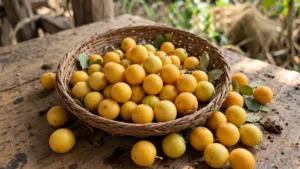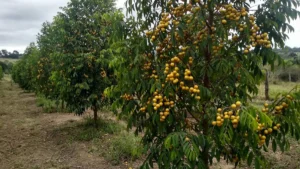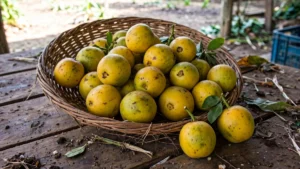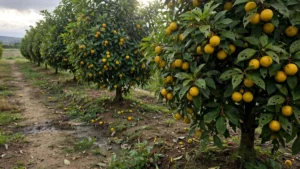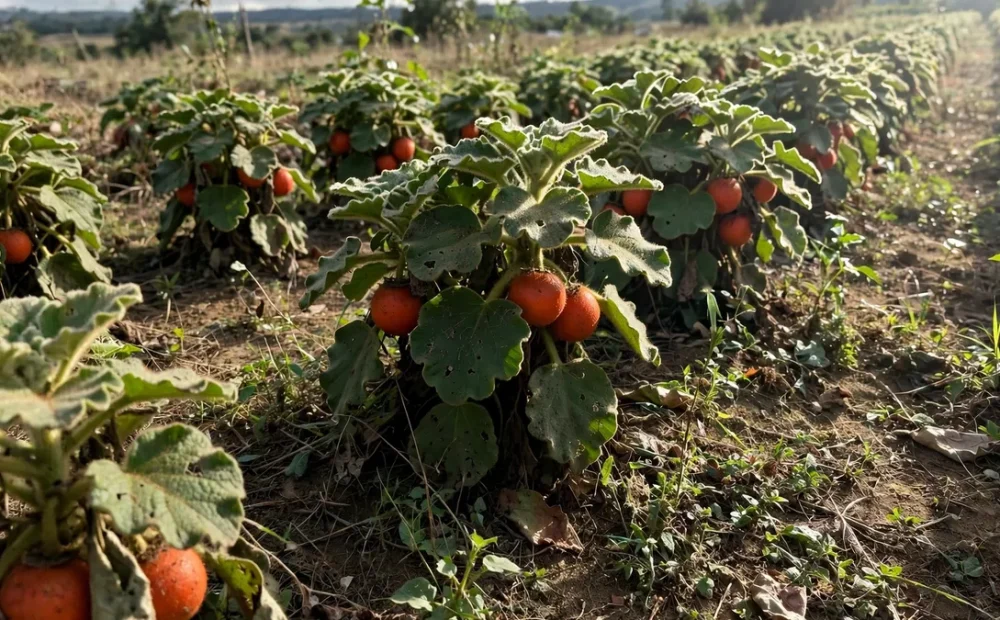
Planning a tucumã farm escape is not like planning a hotel stay. The fruit decides the dates, the river or the road decides how you arrive, and the farm is small enough that a single message can change what the kitchen cooks for you all week. Get those three things right and the rest of the trip almost plans itself. Get them wrong and you can fly across a continent to a grove with no fruit on it.
The good news is that the planning itself is simple, once you know the order. Season first, then the farm, then the room, then the transfer, then the food. Most travellers do it backwards: they pick a room they like, book a flight that suits their calendar, and only afterwards ask whether the palms are fruiting. This guide walks through the nine steps in the order that actually works, with the practical details that keep a farm stay smooth.
By the end you will know how to choose your week, how to reach a farm that may have no road at all, what to pack for a spiny grove, and how to make sure the kitchen knows about wheat before you sit down at its table. Tucumã is worth the effort. It is a fruit that tastes like the place it grows in, and a farm stay is the best way to meet it.
Key takeaways
- Choose the fruiting weeks first, then the farm, then the room: the season decides whether the trip delivers.
- Most tucumã farms are small, with four to twelve guests, so the best weeks sell out months ahead.
- Transfers are part of the plan, not an afterthought: boats and rough roads take hours, and the farm should meet you.
- Budget for the bed, the meals and the walks together, and treat flights and transfers as a separate line.
- Tell the farm about wheat or gluten in the booking message itself, before you pay, so the kitchen can plan around it; and do not confuse tucumã with buriti, a different palm with different flesh.
What a tucumã farm escape involves
A tucumã farm escape is a short stay on a working palm grove in the Amazon, usually three to five nights, built around the fruit and the table. You sleep in a simple room a short walk from the rows, eat meals cooked from the grove and the garden, join a harvest walk in the cool of the morning, and spend the afternoons on the river or in a hammock. There is no itinerary handed to you on arrival. There is a rhythm, set by the heat, the fruit and the river, and the farm keeps it.
The mornings are the working part of the day. The harvest walk starts early, while the air is still cool, and the grower shows how a bunch is judged ripe, how the pole brings it down, and how the spines on the trunk are avoided rather than challenged. Back at the kitchen, the pulp is pressed and the sandwiches are made, and lunch is the meal the whole day leans towards. Afternoons are deliberately slow, because the heat makes anything else a mistake, and evenings belong to the long table, with fish, fruit and conversation.
How to plan it, in the right order
The order matters more than the effort. Season comes first, because a tucumã farm without fruit is a farm stay with a nice grove and nothing to eat from it. Ask the farm for its fruiting dates for the year you are travelling, and get the answer in writing before you look at rooms or flights. The dates shift with the rains and the region, so a week that worked last year may be a week early this year.
Once the season is set, choose the farm, then the room, then the transfer, then the food. That sequence keeps every later decision inside a week when the fruit is there, a farm that has a room free, and a transfer that actually runs on the day you arrive. A buriti farm escape is planned the same way, and the travellers who enjoy it most are the ones who let the season choose the dates.
The nine steps below follow that sequence exactly. Each one has a clear action, a thing to avoid, and a tip for getting it right the first time, so you can work through them in order and arrive at a farm that is ready for you, in a week when the palms are heavy.
The 9 steps to planning your tucumã farm escape
Choose the fruiting weeks before you choose the farm
What to do: Ask two or three farms for their fruiting dates for your year, compare the answers, and pick a week inside the overlap. What to avoid: Booking a flight first and hoping the fruit will be ready. Best for: Anyone travelling a long way for this fruit. Time needed: One afternoon of messages. Standout tip: Ask for the dates in writing, so a shift in the season does not leave you arguing from memory.
Ask how the fruit is served in the week you travel
What to do: Ask the farm what tucumã dishes it will serve in your week, and how many days the fruit appears on the table. What to avoid: Assuming every farm serves the sandwich every day. Best for: Food lovers who came for the kitchen as much as the grove. Time needed: A single short message, answered within a day. Standout tip: Ask whether the fruit is served fresh, in sandwiches, and in a cooked dish, so you know the kitchen is using it fully.
Book a room that looks onto the palms
What to do: Ask for a room facing the grove, with a veranda or a window that opens onto the rows, and confirm the bed size and the fan. What to avoid: Taking the cheapest room without asking where it faces. Best for: Light sleepers and early risers, who get the dawn chorus from the grove. Time needed: Ten minutes, in the same message as the booking. Standout tip: A room at the end of the row is usually quieter and catches the evening breeze.
Fix the transfer before you fix the flight
What to do: Ask the farm how guests reach it, how long the boat or road takes, and who meets you at the other end, then choose a flight that leaves room for it. What to avoid: Landing late in the day and discovering the boat has already left. Best for: Anyone arriving by river, which is most of these farms. Time needed: One message and a look at the flight times. Standout tip: Arrive a day early in the gateway city if the transfer depends on a morning boat.
Write the wheat note into the booking message itself
What to do: Put wheat, gluten, or any allergy in the booking message, in plain words, before you pay anything. What to avoid: Mentioning it for the first time at the table on arrival. Best for: Anyone who cannot eat gluten, and anyone travelling with a child who cannot. Time needed: Two sentences, in the booking message. Standout tip: Ask what the farm will serve instead of the wheat sandwich, so you know the alternative is real.
Pack light shoes for wet palm rows
What to do: Pack closed, light shoes with grip for the grove, a hat, and a dry bag for anything a boat might splash. What to avoid: Sandals in the grove, where the spines and the wet ground are both unforgiving. Best for: Anyone joining the harvest walk, which should be everyone. Time needed: One evening of packing. Standout tip: Pack a second pair of shoes, so a wet morning does not mean a wet afternoon.
Plan one slow morning for the harvest walk
What to do: Keep one full morning free for the harvest walk, with nothing booked after it until lunch. What to avoid: Squeezing the harvest between a transfer and a boat trip. Best for: First-time visitors, who will want to ask questions and take photographs. Time needed: A morning, protected in your plan. Standout tip: Go on your second morning, once you know the farm, rather than your first, when you are still tired from travel.
Keep your last morning free for the farm shop
What to do: Leave the last morning open for the farm shop, where pulp, preserves and oils are sold, and buy what you can carry home. What to avoid: Leaving it to the final hour before the boat, when the shop may be closed. Best for: Anyone who wants to take the flavour home. Time needed: An hour, on the morning you leave. Standout tip: Ask what travels well, because fresh pulp does not, and preserves do.
Confirm the bill before the boat leaves
What to do: Ask for the bill the evening before you leave, check the transfers and extras line by line, and settle it while the host is still there to answer questions. What to avoid: Discovering an extra charge on the boat, with no one to ask about it. Best for: Anyone whose transfer is included in the rate, and anyone who ordered extras. Time needed: Fifteen minutes, the evening before departure. Standout tip: Pay by the method the farm prefers, and keep the receipt until you are home.
Before you go: the fruit, the palm, the season
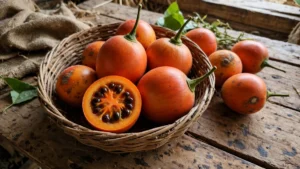
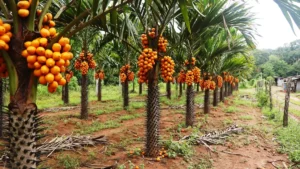
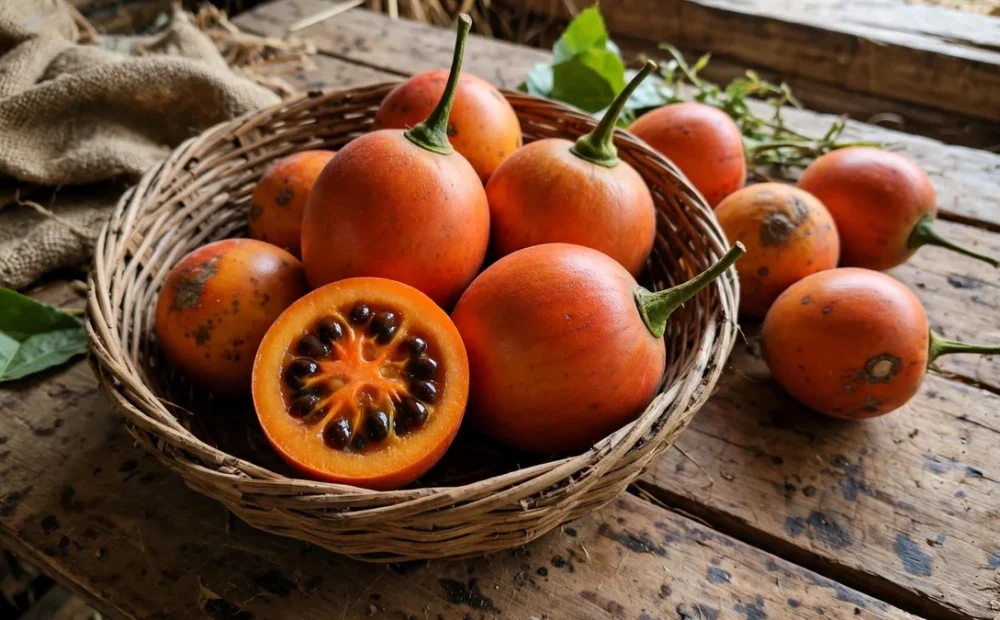
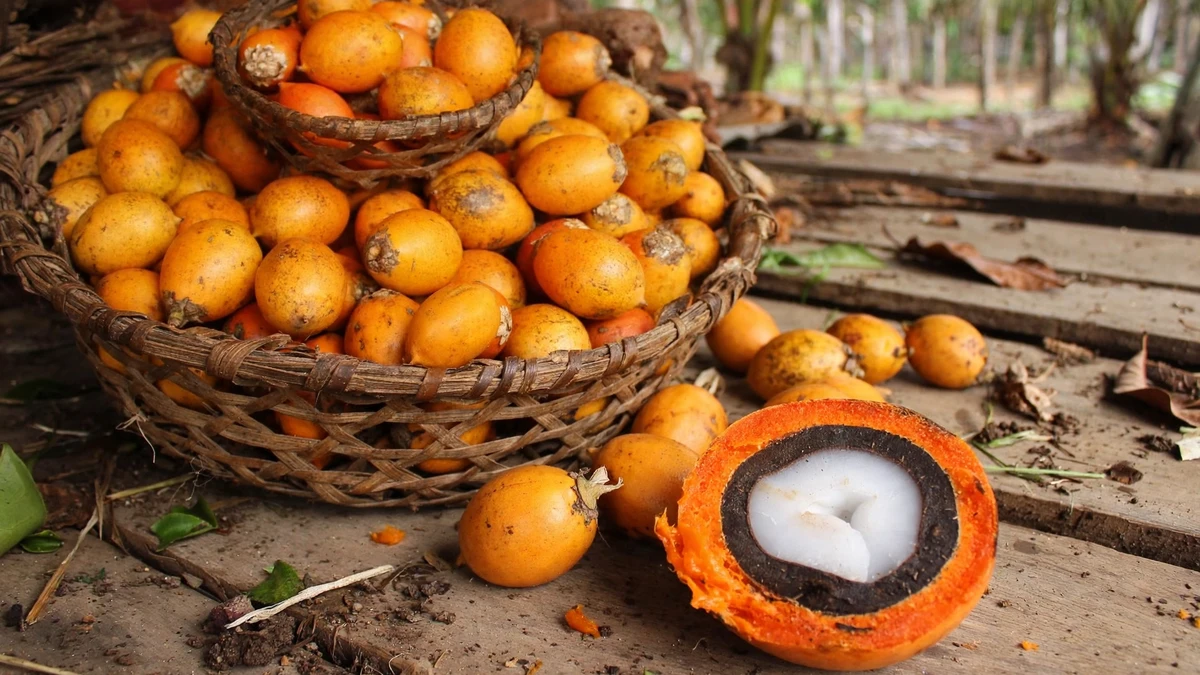
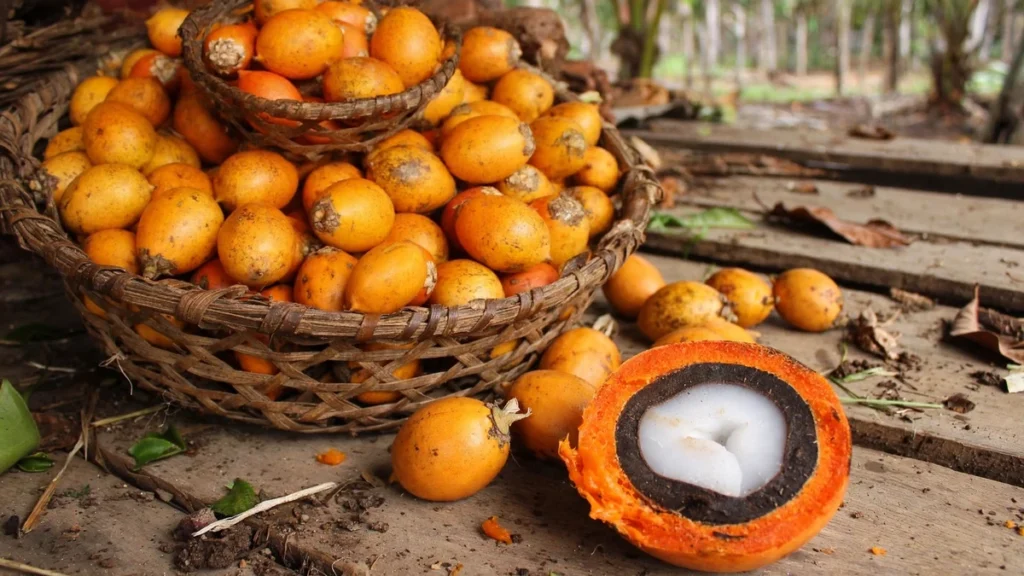
Tucumã grows on Astrocaryum aculeatum, a palm whose trunk is ringed with sharp black spines and whose crown carries heavy bunches of round fruit. The fruit ripens to a deep orange, and inside the thin skin is dense orange pulp around a hard seed. The pulp is rich in vitamin A, which is why the fruit matters in Amazon diets beyond its flavour, and it is eaten fresh or pressed and spread. The best-known form is the sandwich, warm bread with a thick layer of pulp and cheese, but the farms also serve it in sauces, sweets and drinks across a stay.
The season is the thing to respect. The palms fruit in a window that shifts with the rains, and the window is different in Manaus, Belém and Iquitos, so a date that works in one region may be a month early in another. That is why the first step in this guide is to ask the farm, not the calendar, and why a farm that answers with specific weeks is more trustworthy than one that promises fruit all year.
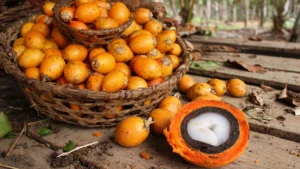
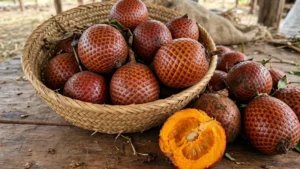
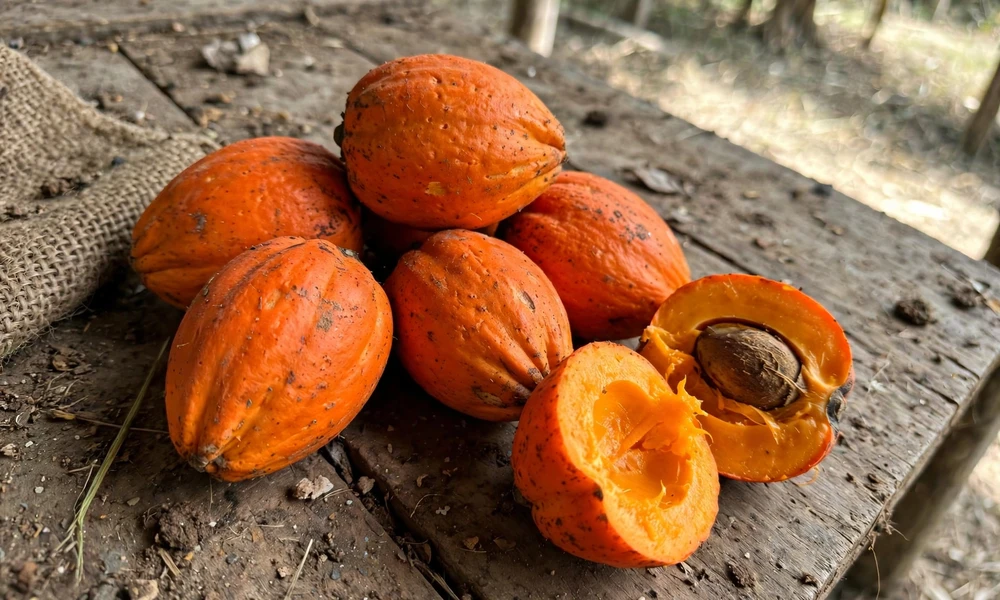
One distinction matters before you book. Tucumã is not buriti, though both are Amazon palms with orange flesh and both turn up in markets and in hair oil. Tucumã is Astrocaryum aculeatum, spiny-trunked, with dense pulp eaten fresh and in sandwiches. Buriti is Mauritia flexuosa, a wetland palm with a scaly fruit and a different flavour. If a farm’s photographs show one and its description promises the other, ask which palm it actually grows. A stay planned around acai is a different trip again, with a small dark berry and a different kitchen, so the same check applies there too.
The caveats that matter
The caveats for a tucumã escape are practical, and they are all avoidable with a little planning. The season decides the trip, the spines decide how you walk in the grove, the kitchen decides what you can eat, and the transfer decides whether you arrive at all. None of these is a reason not to go. Each is a reason to plan in the order this guide sets out.
| Detail | What is known |
|---|---|
| First decision | The fruiting weeks, confirmed with the farm in writing before anything else |
| How long to stay | Three nights minimum; five lets the rhythm of the farm settle in |
| How you arrive | Often by boat, sometimes by rough road; the farm should meet you at the other end |
| What to pack | Closed shoes with grip, a hat, a dry bag, and a second pair of shoes |
| Food to flag early | Wheat, gluten, and any allergy, written into the booking message itself |
| The palm itself | Astrocaryum aculeatum, spiny trunk, heavy orange bunches, rich in vitamin A |
| What the price covers | Usually room, meals and walks; flights and transfers are usually extra |
| What it is not | Not buriti: a different palm species, with different flesh and different uses |
One more point deserves emphasis. The seed inside the fruit is not food, the spiny trunk is not a handrail, and the harvest pole belongs to the grower. Closed shoes, a guide at your side, and a little patience on the walk will keep the trip pleasant. The farms know their palms, and guests who follow the guide come home with better photographs and no scratches.
Checklist: planning your tucumã escape honestly
Work through these checks in order, and do not pay a deposit until the first three are done.
- Get the fruiting dates in writing from the farm for the year you are travelling.
- Confirm the room, the bed, and which way it faces, in the same message as the booking.
- Write wheat, gluten, or any allergy into the booking message before you pay.
- Fix the transfer first, then choose a flight that leaves room for the boat or the road.
- Pack closed shoes, a hat, a dry bag, and a second pair of shoes for wet mornings.
- Ask for the bill the evening before you leave, and settle it while the host is there.
Frequently asked questions
How far ahead should I book a tucumã farm?
As far ahead as you can, once the farm has confirmed its fruiting dates. The best weeks sell out months in advance, because the farms are small and the season is short. Three to six months is a sensible window, and earlier is better for the smallest family farms.
How would you describe the taste of tucumã?
Rich, dense and buttery, with a sweet, earthy flavour between sweet potato and ripe mango. Eaten fresh it is filling, which is why a little pulp goes a long way in a sandwich with warm bread and cheese.
How is tucumã different from buriti?
They are related only in the broad sense: both grow on Amazon palms and both have orange flesh. The two palms are different species, with different fruit, different flesh and different uses in the kitchen. Tucumã comes from Astrocaryum aculeatum, a spiny-trunked palm whose dense pulp is eaten fresh and pressed into sandwiches, while buriti comes from Mauritia flexuosa, a wetland palm with a scaly fruit and its own distinct flavour.
Can I visit if I cannot eat gluten?
Yes, if the farm knows in advance. The fruit itself has no gluten, but the famous sandwich is served on wheat bread, and the kitchen handles flour daily. Put the wheat note in the booking message, and ask what the farm will serve instead, so the alternative is planned rather than improvised.
How do I reach a farm with no road?
By boat, arranged by the farm. Ask how long the ride takes, what time the boat leaves, and who meets you at the landing. Arrive in the gateway city the day before if the boat leaves in the morning, and pack a dry bag for the ride.
What should I bring home from the farm shop?
Preserves and oils travel well, and they are made on the farm from its own fruit. Fresh pulp does not travel, so enjoy it at the table and take home the jars. A guarana farm escape ends the same way, with the shop on the last morning and the good jars going first.
The bottom line
Planning a tucumã farm escape comes down to five decisions in the right order: the fruiting weeks, the farm, the room, the transfer, and the food. Get the season in writing, pick a farm that grows its own fruit, book a room that faces the palms, leave room for the boat, and tell the kitchen about wheat in the booking message. Everything else, from the shoes to the shop, follows from those five.
Three nights is the honest minimum, five is better, and the second morning is the one to keep free for the harvest. Arrive ready to walk among spiny trunks, eat the sandwich at a long table, and spend your afternoons doing very little. That is the trip, and it is worth planning properly.