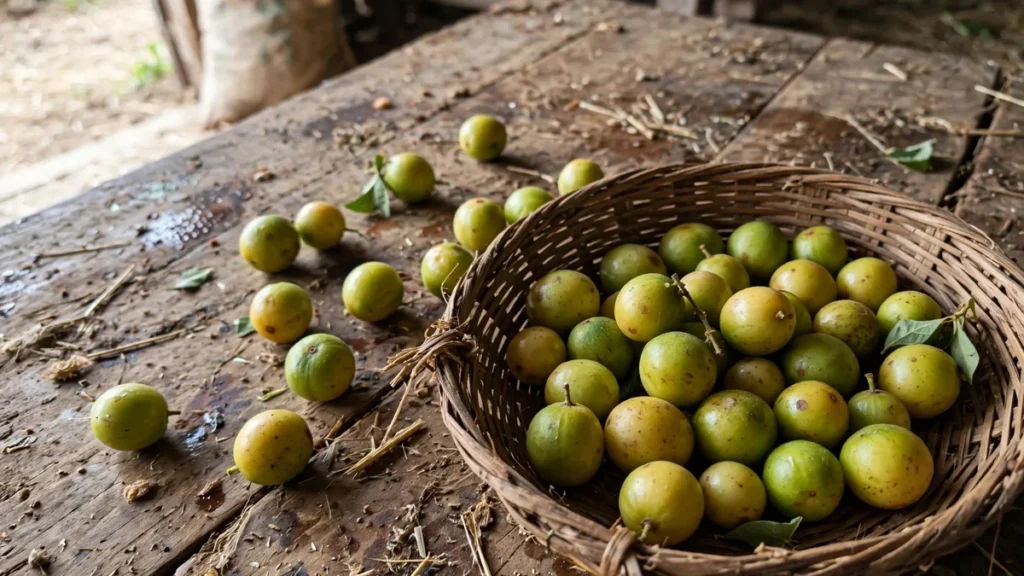
An umbu farm escape is a slow trip into the dry interior of north-east Brazil, built around a fruit that only ripens for a few weeks a year. The umbuzeiro is a wide, low tree that stores water in its roots and fruits when the rains come, and the farms that grow it are small, family-run places where the day starts early and the food comes from the land around the house.
Planning the trip is mostly about timing and transport. The fruiting weeks move with the rain, the farms sit at the end of dirt roads, and the rooms are few, so the visitors who enjoy it most are the ones who write early, confirm everything in writing, and leave room in the plan for heat, dust and a slower pace.
This guide walks through the nine steps that make the difference, from choosing a town to packing for the orchard, so you can arrive ready for the sertão rather than surprised by it.
Key takeaways
- Umbu, Spondias tuberosa, fruits in the rainy season, and the exact weeks shift with the rain, so the farm’s own dates are the only ones that count.
- Most umbu farms have only a handful of rooms, so writing early and paying a deposit is what secures a stay in the fruiting weeks.
- Transport is the part most visitors underestimate: dirt roads, one vehicle, and long distances between towns.
- The best days start before the heat, with a walk through the orchard while the fruit is still cool.
- Farm kitchens use wheat daily, so warn the farm about any wheat or gluten needs in your very first message.
What an umbu farm escape actually is
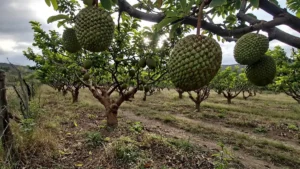
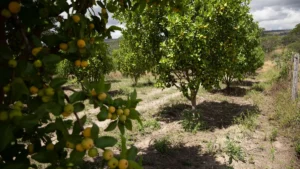
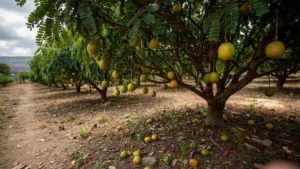
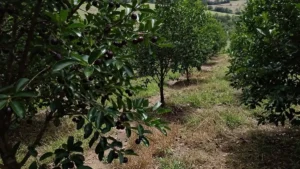
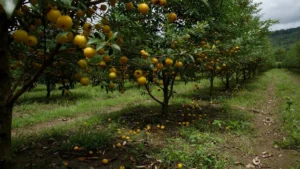
An umbu farm escape is a stay on a working farm in the caatinga, the dry scrubland of north-east Brazil. The umbu trees stand around the house, in loose orchards or scattered through pasture, and the stay is built around the farm’s ordinary rhythm: early mornings, a long midday rest, and an evening meal cooked from what the farm grew.
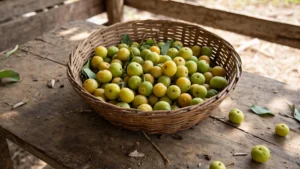
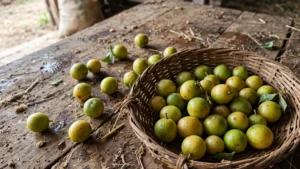
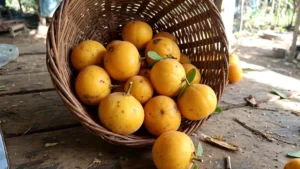
The harvest is the part visitors remember. Families shake the low branches in the morning and gather the fallen fruit into baskets, sorting the soft ripe ones from the firm ones that need another day. Children carry the baskets back to the house, and the kitchen starts on juice before the sun is high. Watching that routine, and joining it for an hour, tells you more about the sertão than any viewpoint.
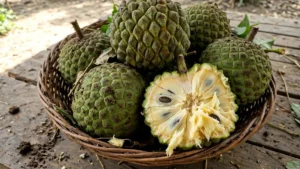
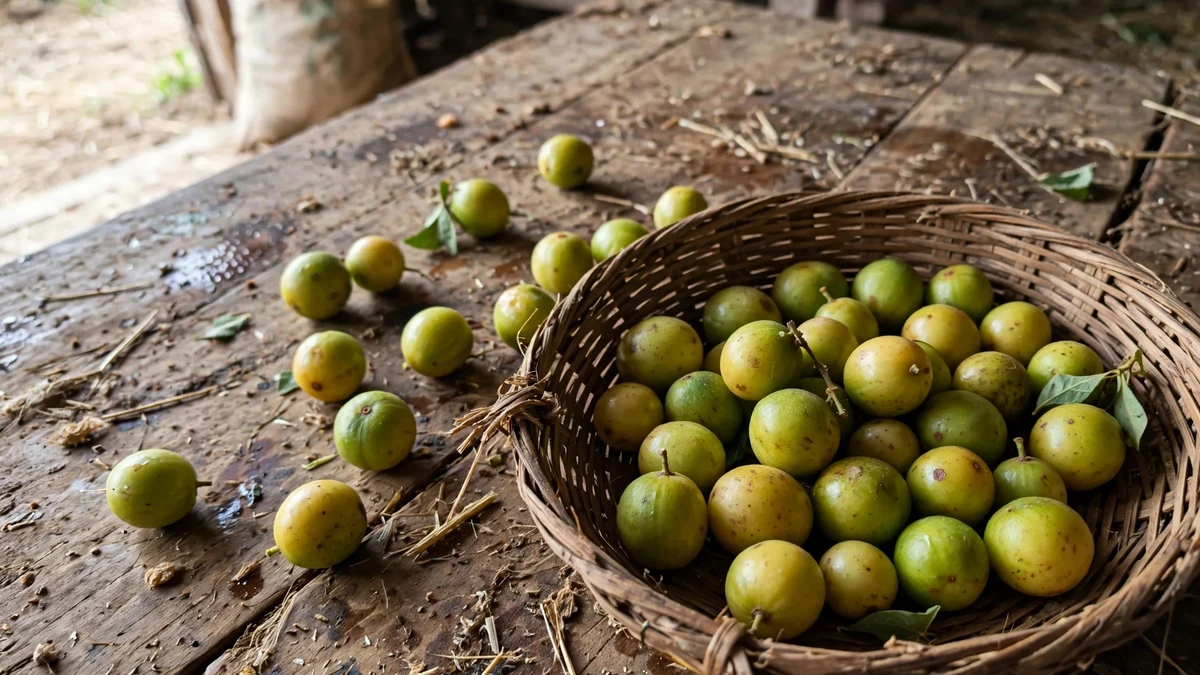
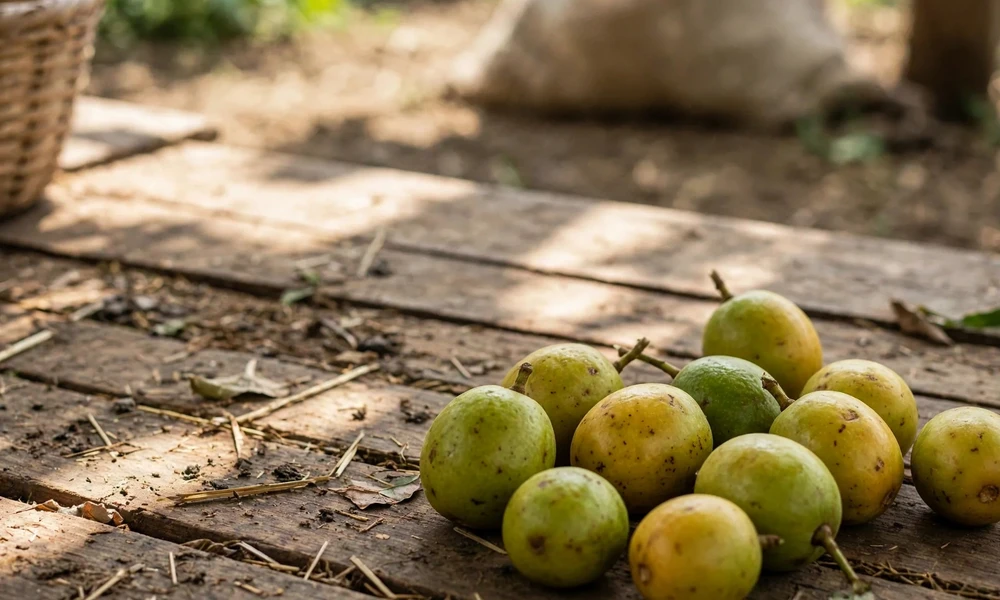
The fruit is the reason for the trip, but it is not the whole trip. Umbu is a green-yellow plum about the size of a large grape, tart-sweet, with thin skin and a single stone, and it softens within a day or two of picking. The tree behind it is worth knowing: its swollen roots hold water through the dry season, and its Tupi name means a tree that gives water, which is why the umbuzeiro is a symbol of the sertão.
Do not mix up umbu and cajá, its better-known cousin. Both belong to the Spondias family, yet cajá grows in the humid Amazon and along the Atlantic coast and tastes sharper, while umbu grows in the dry caatinga and tastes rounder and gentler, with a softer finish.
How to plan the trip, and what to ask first
Start with the town, not the farm. Petrolina, Juazeiro, Feira de Santana, Vitória da Conquista, Mossoró, Campina Grande, Caruaru, Sobral and Teresina are all practical gateways, and the farm you choose should sit within a sensible drive of one of them. A farm two hours from the nearest town is a different trip from a farm twenty minutes away, and the difference shows up in the price, the road and the time you lose.
Before booking, put three questions in writing: which weeks the umbu trees fruit, how many rooms the farm keeps and who cooks, and how you reach it from the nearest town. Those three answers reveal more than any photo gallery ever will. Our guide to planning a cajá farm escape uses the same three questions, because farms in the same regions run into the same logistics.
Also ask what the nightly rate covers. Some farms include breakfast only, some include all meals, and some charge separately for orchard walks, river trips and cooking sessions. A clear answer in writing avoids a surprise at the end of the stay.
The 9 steps to an umbu farm escape
Choose the town first, then the farm
What to do: Choose a gateway town with flights or buses, then look for farms within a two-hour drive of it. What to avoid: Picking a farm first and discovering the nearest town is a day away. Best For: First-time visitors who want the sertão without a punishing journey. Time Needed: An evening of reading maps and bus times. Standout Tip: Petrolina and Juazeiro are the easiest gateways, with the São Francisco river as a bonus.
Petrolina and Juazeiro suit first-timers. Feira de Santana and Vitória da Conquista suit travellers who want Bahia, while Mossoró, Campina Grande, Caruaru, Sobral and Teresina suit travellers who want to go further into the interior.
Contact three farms and set their rain dates side by side
What to do: Message three farms in the same region and ask for their fruiting weeks. What to avoid: Trusting a single website that lists the same dates every year. Best For: Travellers who can be flexible by a week or two. Time Needed: A day for the replies to come back. Standout Tip: Farms in the same region fruit within days of each other, so a disagreement of more than two weeks is a warning sign.
The replies also tell you how the farm communicates. A farm that answers plainly and quickly will usually run a plain, well-organised stay.
Ask for the fruiting weeks in a message you can keep, before paying anything
What to do: Ask for the fruiting weeks in a message you can keep, and pay only after you have them. What to avoid: Paying a deposit on a verbal promise of dates. Best For: Anyone travelling in the fruiting weeks specifically. Time Needed: One message, answered within a day. Standout Tip: If the farm says the fruit may be early or late, believe it and keep a day of slack.
Umbu ripens with the rain, and the rain does not keep a calendar. A farm that is honest about that is a farm you can trust.
Hold the room with a deposit, in writing
What to do: Confirm the room, the dates and the deposit in one message, and keep the receipt. What to avoid: Leaving the booking open until the week before, when the rooms are gone. Best For: Travellers visiting in the peak fruiting weeks. Time Needed: An hour to agree the terms. Standout Tip: Ask whether the deposit is refundable if the fruit is late, and get the answer in writing.
Most umbu farms have four to six rooms. In the fruiting weeks they fill, and a deposit is what holds a room, not a message saying you will come.
Arrange the road, the river and the final miles
What to do: Arrange every leg of the journey, from the airport or bus station to the farm gate. What to avoid: Assuming a taxi will be waiting at a small town bus station. Best For: Travellers arriving by bus or by a late flight. Time Needed: An evening of messages with the farm and a driver. Standout Tip: Ask the farm to name the driver, the vehicle and the price before you travel.
Dirt roads turn after rain, and a farm’s one vehicle may be out fetching supplies. Confirm the plan the day before you travel, and carry cash for the driver. Our guide to planning a carambola farm escape covers the same road logic, because star fruit farms in the same regions face the same last miles.
Put the wheat warning in your first message to the farm
What to do: Put any wheat or gluten needs in your very first message, and ask what the kitchen can cook instead. What to avoid: Mentioning it on arrival, when the bread is already baked. Best For: Anyone who needs wheat-free or gluten-free meals. Time Needed: One sentence in your first message. Standout Tip: Ask what the farm cooks for breakfast, because that is the meal where wheat shows up most.
Farm kitchens bake with wheat every day, and they cook with what they have. A farm warned in advance can plan around you; a farm told at the table often cannot.
Pack light for heat, dust and dawn walks
What to do: Pack closed shoes, sun protection, a hat and light clothes you can get dusty. What to avoid: Bringing white clothes, open sandals for the orchard, or a heavy bag. Best For: Anyone walking the orchard in the morning. Time Needed: An evening of packing. Standout Tip: Bring a small bag for fruit to take home, and a bottle for water on the walk.
The sertão is hot by nine in the morning and the orchard ground is dry and uneven. Closed shoes and a hat matter more than anything else in the bag.
Begin your first morning among the trees
What to do: Go out with whoever is picking, before the heat, and learn which fruit is ripe. What to avoid: Sleeping in and meeting the orchard at midday, when the fruit is warm and the light is harsh. Best For: Travellers who want to understand the fruit, not just taste it. Time Needed: An hour before breakfast. Standout Tip: A ripe umbu is soft, green-yellow and easy to pull from the branch.
The morning walk is the heart of the stay. The family shows you how to spot a ripe umbu, how the tree stores water, and why the harvest is done by hand.
Save the final day for the market and the drive home
What to do: Leave a morning for the nearest market, buy umbu pulp or jam, and travel while the light is good. What to avoid: Planning a long drive after dark on a dirt road. Best For: Travellers who want to take something home. Time Needed: A morning at the market and an afternoon on the road. Standout Tip: Frozen pulp travels well; fresh fruit does not, so buy pulp for the journey.
Markets in the sertão sell umbu juice, pulp and jam, and the farm can usually point you to the best stall. Ask which stall the family buys from, because that is usually the one with the freshest pulp. Travel in daylight, because the roads are rough and the light goes quickly. Our guide to planning a sapodilla farm escape ends the same way, because a market morning is the right finish to any farm stay.
Which umbu region fits your trip
Petrolina and Juazeiro are the best starting points for first-timers. Petrolina is the easiest sertão gateway, with a river farm nearby, while Juazeiro offers shade, a pool and a proper lodge for a longer drive.
Feira de Santana, Vitória da Conquista and Mossoró fit travellers who want the interior as well as the farm. The umbu in Bahia ripens slightly earlier, and a farm morning pairs well with a market afternoon. Campina Grande falls between the two, with a cool plateau, an old centre and a farm that keeps its own hours.
Caruaru, Sobral and Teresina fit travellers who want to travel further. Caruaru’s cabins are the most cut off, Sobral joins a farm to a river, and Teresina gives you Piauí’s scrubland and the most home-like stay. All three demand more planning, and all three make it worthwhile.
The caveats that matter
Umbu will not wait around for a convenient date. It ripens quickly, bruises if handled roughly, and softens within a day or two, so farms that do it well pick in the morning and serve the fruit that same day. A farm serving umbu outside the season is serving frozen pulp, which is perfectly good, but do ask, since fresh and frozen are not the same.
| Detail | What is known |
|---|---|
| Scientific name | Spondias tuberosa, the umbu tree of the caatinga |
| The fruit | A green-yellow plum-like fruit, tart-sweet, with thin skin and one hard stone |
| Where it grows | Dry caatinga across north-east Brazil, from Pernambuco and Bahia to Paraíba and Piauí |
| How it is eaten | Eaten fresh, pressed for juice, frozen as pulp, or churned into ice cream and sorbet |
| Best season | The rainy season, with fruiting weeks that move by region and by the rain |
| Not to confuse with | Cajá, another Spondias species from the humid Amazon and coast, sharper in flavour |
| Who should ask first | Anyone needing wheat-free or gluten-free meals, since farm kitchens use wheat every day |
| What it does not do | It travels badly fresh, so most umbu sold outside the north-east is frozen pulp |
Travel logistics matter as much as the fruit. Sertão farms rely on dirt roads that change after rain, and a small farm may share one vehicle with the nearest town. Sort out arrival and departure transport in writing before you pay a deposit, and carry cash.
Checklist: planning an umbu farm escape honestly
Use these checks before you pay.
- Have the fruiting weeks confirmed in writing, and ask if the fruit served will be fresh or frozen pulp.
- Ask about room numbers, who cooks, and what the nightly rate includes.
- Have transport from the nearest town or airport confirmed in writing, dirt road included.
- Tell the farm about wheat or gluten needs in your first message, and ask what the kitchen can cook in their place.
- Look at the payment terms: the size of the deposit, the refund rules, and whether the farm takes cards or cash only.
- Pack light: closed shoes for the orchard, sun protection, and a small bag for fruit to carry home.
Frequently asked questions
How far ahead should I book an umbu farm stay?
At least two months ahead for the fruiting weeks, and earlier if you want a specific farm. The rooms are few and the fruiting weeks are short, so the farms that do this well fill first.
What happens if the rain comes late?
The fruit comes late too. Ask the farm what happens to your booking if the fruiting weeks move, and whether the deposit can shift to new dates. A farm that is honest about the rain is a farm you can trust.
Can I take umbu pulp home with me?
Yes, frozen pulp travels well, and most farms sell it by the kilo. Fresh fruit does not travel well, so buy pulp or jam for the journey home, and keep it cool.
How do I reach a farm on a dirt road?
Ask the farm to arrange the driver and the vehicle, and confirm the name, the price and the meeting point before you travel. Do not rely on a taxi at a small town bus station.
Is an umbu farm escape a good first trip to the sertão?
Yes, if you pick a gateway town like Petrolina or Juazeiro and a farm close to it. The sertão is hot and spread out, so a short drive and a farm that answers messages plainly make the first trip much easier.
Will I get by at an umbu farm without Portuguese?
It helps a great deal to know a few phrases. Most of these farms are family-run and the owners speak little English, so a translation app and a few words of Portuguese will carry you through.
The bottom line
The best umbu farm escape in 2027 is the one whose fruiting weeks match your dates, whose transport you have confirmed in writing, and whose kitchen feeds you well. Petrolina and Juazeiro make the easiest first visits, the Bahian interior suits travellers who also want a market, and the further farms repay the extra planning.
Reserve early, ask straightforward questions, tell the farm about wheat before paying, and arrive ready for dawn starts and fruit that is best within hours of the branch.