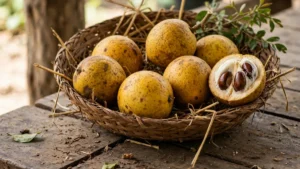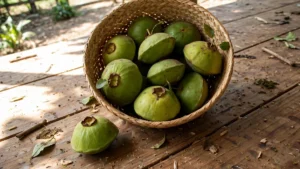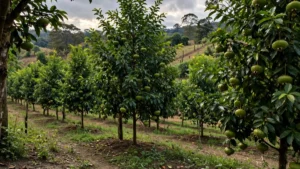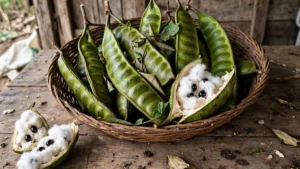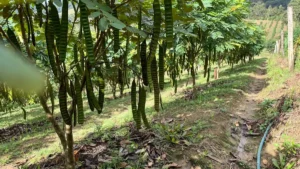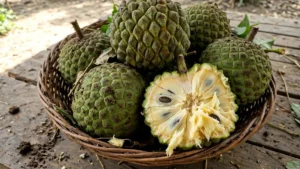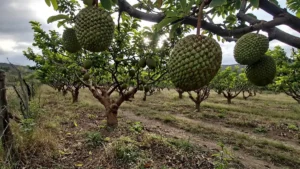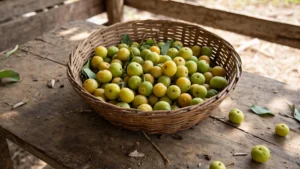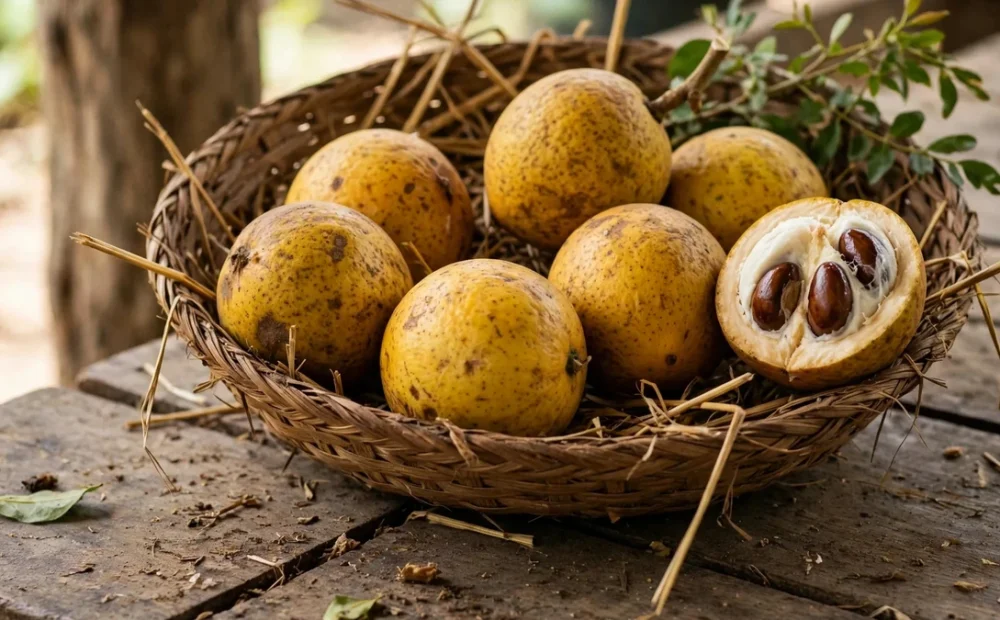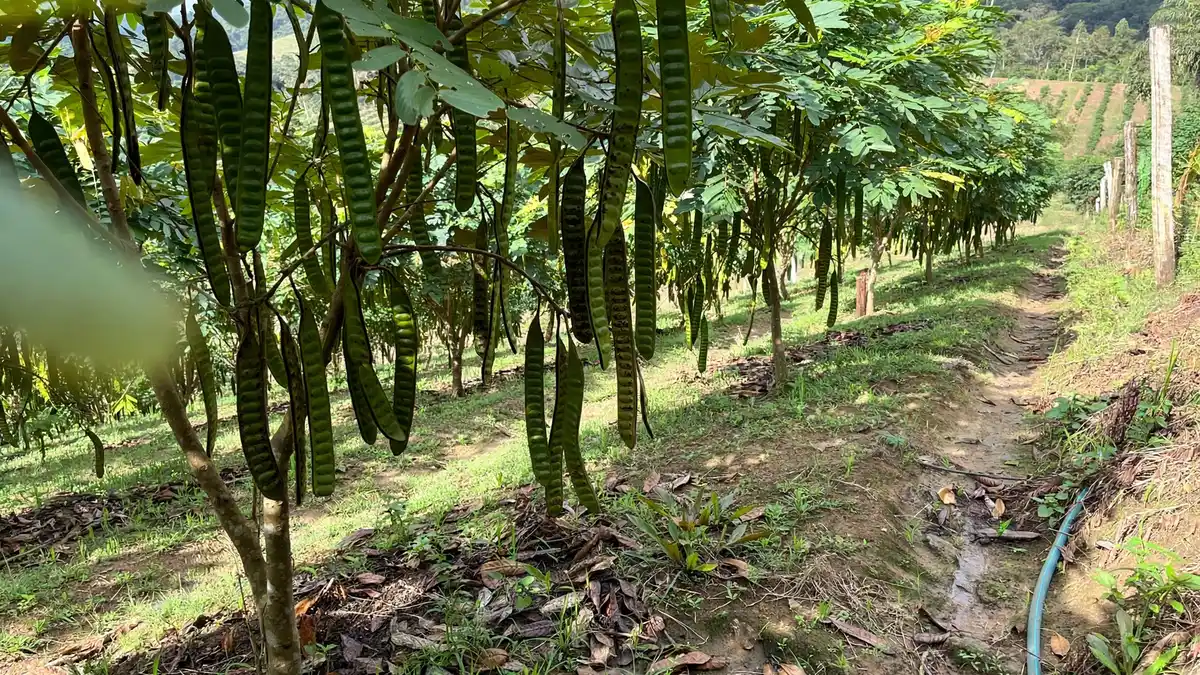
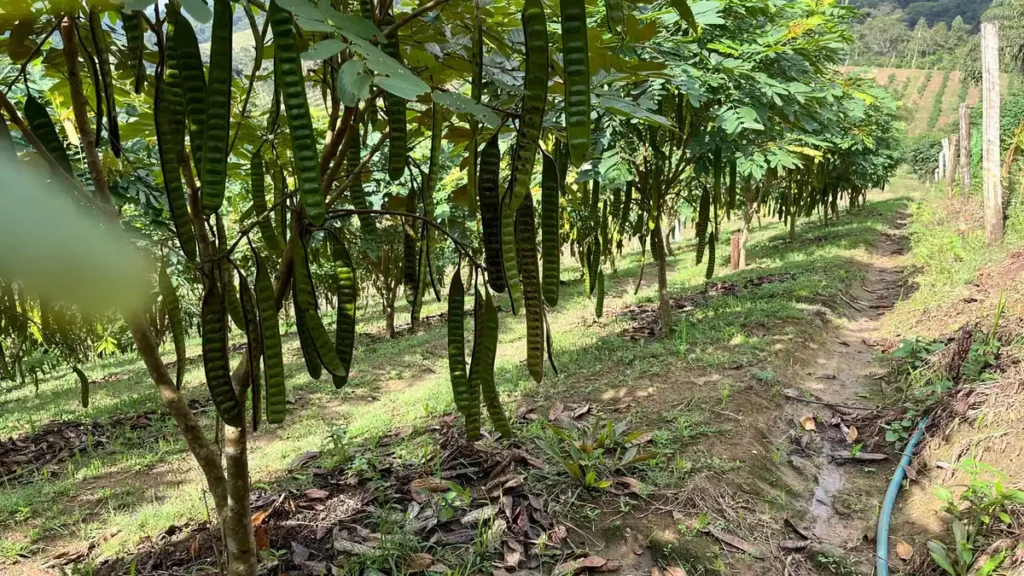
Ingá is a fruit you eat with your hands, straight from the pod, and that is the whole charm of a farm stay built around it. The pods are long, sometimes as long as your forearm, and they split open to show a soft white pulp wrapped around dark seeds. The pulp tastes faintly of vanilla and sugar, like ice cream that grew on a tree, and it melts as you eat it. The trees grow along the rivers of the Amazon, tall and fast, with shade so deep that the afternoon heat barely reaches the ground.
A farm retreat here is a slow river trip with a bed at the end of it. You arrive by road or by boat, sleep in a wooden farmhouse above the flood line, and spend the mornings walking the rows of ingá trees while the mist lifts off the water. The hosts split pods for you as you walk, and the kitchen serves the pulp with breakfast, folded into cakes, or chilled as a dessert. The days are unhurried, the nights are loud with frogs, and the fruit is free, which makes the whole stay feel generous.
Below are nine ingá farm retreats worth considering in 2027, from a riverbank farm outside Belém to a savanna-edge stay near Boa Vista. Each stay is covered on its own terms: what makes it worth the trip, what to keep in mind, and who will enjoy it most, so you can choose the one that fits the journey you actually want.
Key takeaways
- Ingá, or ice-cream bean, is a long pod fruit from the Amazon; the white pulp inside tastes faintly of vanilla and is eaten fresh, straight from the pod.
- The pods ripen in the wet months, roughly December to May, and the season moves with the rain, so check the dates for the year you travel.
- Farm retreats here are river and forest stays, reached by road or boat, with shared meals, pod walks and a kitchen that works with the morning pick.
- Ask about the season, the room, the meals, the transport and the walks before you pay, and keep the answers in writing.
- The pulp is sweet and mild, but it is rich, and you should tell the farm about wheat or gluten before you book, so the kitchen can plan your meals safely.
What an ingá farm retreat actually is
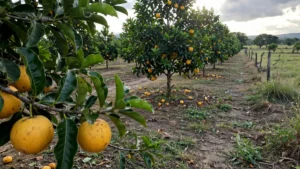
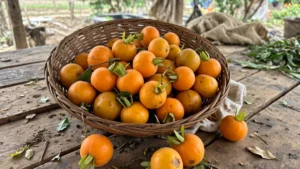
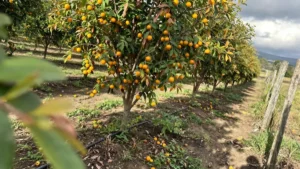
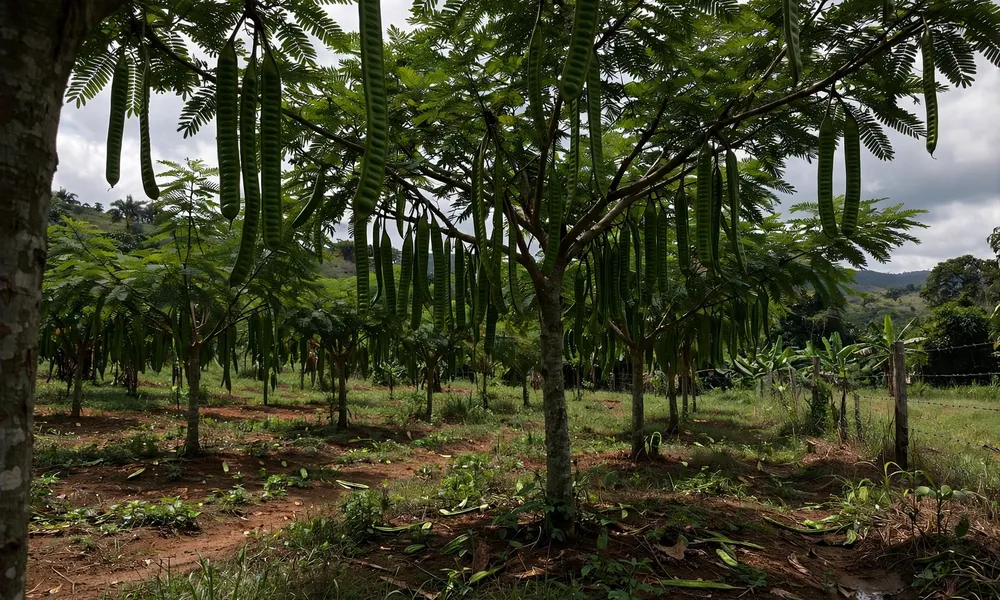
An ingá farm retreat is a stay on a working farm where the trees, Inga edulis, are part of the landscape and part of the day. The trees grow tall and fast, and their long green pods hang down in clusters, ripening over the wet months. A good host will walk you through the rows in the morning, show you how to tell a ripe pod by its weight and colour, and split one open for you on the spot. The pulp comes away in soft white tufts, sweet and cool, and eating it in the shade of the tree it grew on is the memory most guests take home.
The kitchen treats the pulp simply. It is eaten fresh, folded into cakes, blended into drinks, or chilled as a light dessert after a river fish lunch. The fruit is not cooked into sauces the way sharper fruits are; its charm is its softness, so the best farms serve it as it is.
The rooms are wooden farmhouses, raised above the ground, with a simple bedroom, hot water, and a hammock on the veranda for the afternoon heat.
How we picked these stays, and what to ask first
We looked for farms that grow ingá themselves, in real orchards along the rivers, rather than buying pods in from a market, and for hosts who take guests into the trees. Each stay below has a clear price range, a real place, and a reason it made the list: a river view, a kitchen, a walk, or a host who knows the pods well.
Before you book, ask five things and keep the written answers: the exact dates of the pod season, what the room and the meals include, how you reach the farm and whether a boat or a car is part of the price, whether the orchard walk is included, and what happens if the rain shifts the season. A farm that answers in clear, plain words is usually a farm that runs well. If you have enjoyed a soursop farm stay before, our guide to the best luxury soursop farm retreats of 2027 shows how a similar Amazon harvest shapes a trip, and the same questions work here.
The 9 best luxury ingá farm retreats of 2027
Belém, where the pods hang low over the river road
What we like: A riverbank farm an hour from the city, with pods hanging low enough to pick from the path, a host who splits them as you walk, and a kitchen that serves ingá pulp with breakfast every morning of the season.
What to consider: The road floods after heavy rain, and the farm is popular on weekends, so book a weekday if you want the orchard to yourself. Best for: A first ingá trip, or a short stay before a longer journey upriver. Style: Wooden farmhouse above the flood line. Price range: $60 to $90 a night. Standout feature: Pods split fresh on the morning walk, eaten under the trees.
Manaus, where the forest meets the city edge
What we like: A farm on the edge of the forest, close enough to reach from the city in a morning, with tall ingá trees, a river dock, and a host family that has grown the fruit for three generations.
What to consider: The city is close, so the farm is busy in the high season, and the evenings bring mosquitoes, so bring repellent. Best for: Travellers who want the forest without a long journey. Style: Riverside farmhouse with a dock. Price range: $75 to $110 a night. Standout feature: A boat trip at dusk, with pods for the journey back.
Santarém, where two rivers run side by side
What we like: A farm near the meeting of the Tapajós and the Amazon, with clear water, wide beaches in the dry months, and an orchard that ripens a little later than the farms further east.
What to consider: The farm is a boat ride from town, and the beach season and the pod season do not always overlap. Best for: A trip that mixes the orchard with the river. Style: River farmhouse with a beach nearby. Price range: $70 to $105 a night. Standout feature: Ingá pulp served cold on the beach at midday.
Macapá, where the equator crosses the orchard
What we like: A farm on the equator, with steady warmth all year, a long pod season, and a host who grows ingá alongside açaí and cupuaçu for the table.
What to consider: The heat is steady and the rain is sudden, so pack a rain layer even on a bright morning. Best for: A warm, slow stay with more than one fruit to taste. Style: Equator farmhouse with a fruit garden. Price range: $55 to $85 a night. Standout feature: A tasting table with ingá, açaí and cupuaçu in one sitting.
Boa Vista, where the savanna meets the forest
What we like: Open savanna light, a farm on the edge of the forest, and ingá trees planted along the river that runs past the house, with a host who knows the dry and the wet seasons well.
What to consider: The farm is far from the nearest city, and the dry months are hot, so travel in the wet season for the pods. Best for: Travellers who enjoy wide skies and long walks in open country. Style: Savanna farmhouse with a river walk. Price range: $50 to $80 a night. Standout feature: A river walk at dawn, with pods picked on the way back.
Porto Velho, where the Madeira shapes the farm day
What we like: A farm on the Madeira river, with a long orchard, a host who fishes in the morning and cooks the catch for lunch, and ingá pulp served as dessert after the fish.
What to consider: The river is wide and the farm is a boat ride from the road, so plan the journey with the host, not on your own. Best for: A river trip with fishing and fruit in the same day. Style: Madeira farmhouse with a boat. Price range: $65 to $95 a night. Standout feature: Fish lunch followed by chilled ingá pulp on the veranda.
Rio Branco, where the pods ripen in the wet months
What we like: A quiet farm in Acre, with a long wet season, pods that ripen slowly, and a host who keeps the stay small, with no more than eight guests at a time.
What to consider: The farm is a long drive from the airport, and the rain is heavy in the peak months, so bring proper rain gear. Best for: A slow, personal stay where the host has time for every guest. Style: Small Acre farmhouse, few guests. Price range: $60 to $90 a night. Standout feature: A private pod walk for each guest, every morning.
Palmas, where the cerrado touches the Amazon
What we like: A farm where the cerrado and the Amazon meet, with ingá trees along the river and cerrado fruit in the garden, and a host who cooks with both.
What to consider: The town is small and the farm is a drive away, so bring what you need and do not count on shops. Best for: Travellers who want two landscapes in one trip. Style: Cerrado farmhouse with a river garden. Price range: $55 to $85 a night. Standout feature: A dinner that pairs ingá pulp with cerrado fruit desserts.
Araguaína, where the farm roads run through green hills
What we like: Green hills, a farm with a long orchard, and a host who grows ingá for the table and for shade, with a veranda that looks over the whole valley.
What to consider: The hills are steep and the roads are dirt, so a car with good clearance helps, and the farm is a long drive from the nearest city. Best for: A hill-country stay with views and quiet. Style: Hillside farmhouse with a valley view. Price range: $50 to $80 a night. Standout feature: Ingá pulp and coffee on a veranda above the valley.
Araguaína feels far from everything. The valley is green, the orchard is quiet, and morning coffee with ingá pulp is a fine last stop on an Amazon trip.
Which ingá region fits your trip
If this is your first ingá trip, start near Belém or Manaus. The farms are easy to reach, the stays are gentle, and the pods are at their best in the wet months. You will get to know the fruit, taste it in every form, and by the second day you will know whether you want more of it.
If the river is the reason you travel, Santarém and Porto Velho are the picks, and if you want open country as well, Boa Vista and Araguaína give you the orchard in the morning and wide skies in the afternoon. A cherimoya farm stay follows a different rhythm, in the Andes rather than the Amazon, and our guide to the best luxury cherimoya farm retreats of 2027 is a useful comparison.
The caveats that matter
Ingá is a gentle fruit, and the harvest follows the rain. The pods ripen over months, not weeks, but a farm can still finish its best pods quickly if the season is short, so the dates matter more than the price. Ask the farm when the pods ripen in the year you are travelling, and book inside that window, not at its edges.
| Detail | What is known |
|---|---|
| Scientific name | Inga edulis, a fast-growing tree of the Amazon |
| The fruit | Long green pods with soft white pulp around dark seeds |
| Best way to enjoy it | Eaten fresh from the pod, or chilled as a light dessert |
| Harvest season | Wet months, roughly December to May, moving with the rain |
| Where it grows | Along the rivers of the Amazon, in Brazil, Peru and Colombia |
| Who should taste with care | Anyone with a nut or legume sensitivity, because ingá is a legume tree |
| Gluten and wheat | Tell the farm before you book, so the kitchen can plan your meals safely |
| What it is not | It is not soursop, though both grow in the Amazon; the pod and the pulp are different |
Travel in the wet months, pack a rain layer for the morning walk, and check the journey and whether transport is included before you pay.
Checklist: booking an ingá farm stay honestly
Use these checks before you pay, and again a week before you travel.
- Check the pod season: ask when the pods ripen in the year you are travelling, and book inside that window.
- Check what the price covers: the room, the meals, the orchard walks, the boat trips, and any fishing, all in writing.
- Check the room: ask for a photo of the actual room, not a stock image, and ask about hot water and mosquito nets.
- Check the journey: ask how far the farm is from the nearest town or airport, and whether a boat or a car is included.
- Check the kitchen: send the farm your wheat, gluten, or allergy notes before you book, and ask what each meal includes.
- Check the cancellation terms: ask what the farm does if the rain shifts the season, and keep the written reply with your booking.
Frequently asked questions
When do ingá pods ripen in the Amazon?
In the wet months, roughly December to May, with the peak moving with the rain. A farm can have ripe pods for months, but the best pods go first, so ask the farm for the dates in the year you are travelling and book inside the peak.
What does ingá pulp taste like?
Soft, sweet and faintly vanilla, like ice cream that grew on a tree. The pulp is cottony and melts as you eat it, which is why the fruit is called ice-cream bean. It is best eaten fresh, straight from the pod.
Can children eat ingá straight from the pod?
Yes, and children usually love it. The pulp is sweet and mild, and picking a pod and splitting it open is a simple, memorable activity. Keep the seeds aside, since they are not for eating, and let the pulp be the treat.
Do I need a boat to reach an ingá farm?
Sometimes yes. Many farms sit on a river, and a boat is part of the journey, sometimes included and sometimes priced on its own. Ask the farm before you book, and if you do not travel well by boat, choose a farm reached by road instead.
What should I pack for the wet months in the Amazon?
Light clothes, a proper rain layer, closed shoes that can get muddy, insect repellent, and a dry bag for your phone and papers. The mornings are warm and wet, the afternoons are hot, and the rain can arrive without warning.
How much does an ingá farm stay cost each night?
Most stays on this list run from $50 to $110 a night, with meals usually included. Add the cost of a boat or a car, plus a little extra for fishing trips or river tours, which are usually priced on their own. An araticum farm stay sits in a similar range, and our guide to the best luxury araticum farm retreats of 2027 shows the same kind of pricing for a comparable Amazon harvest.
The bottom line
Ingá is a gentle, sweet fruit that makes a generous trip, because the farms that grow it are small, the hosts are proud of the pods, and the pulp is given freely on the morning walk. The best stays open the orchard to you, feed you well, and let the day move slowly. Pick a farm inside the pod season, ask your questions before you pay, and book early, because the good rooms are few and the wet months are popular.
Start near Belém if it is your first time, choose Santarém or Porto Velho if the river is the point, and take Boa Vista if you want open skies as well. Tell the farm about wheat or gluten before you book, pack a rain layer for the morning walk, and let the pods do the talking. They are sweet, soft, and worth the trip.