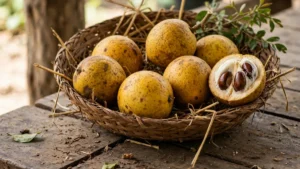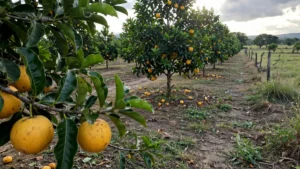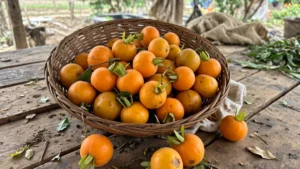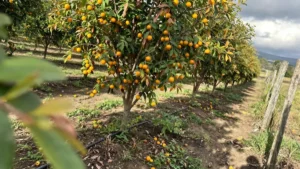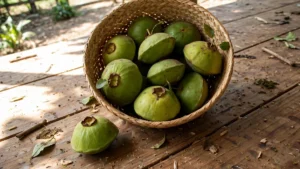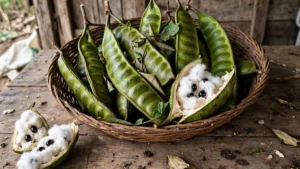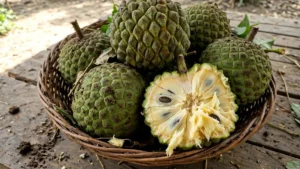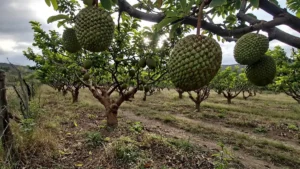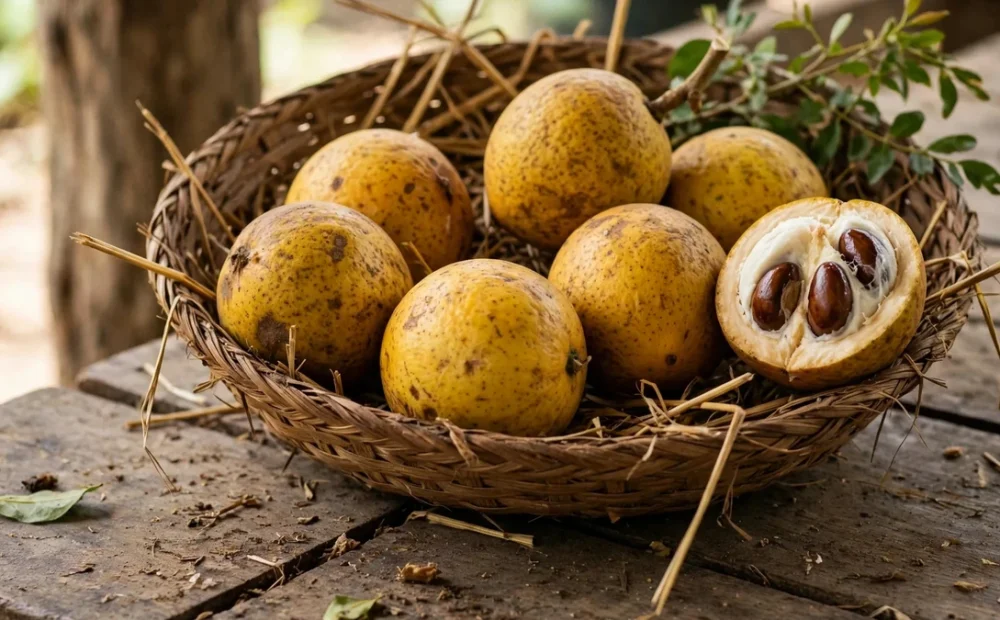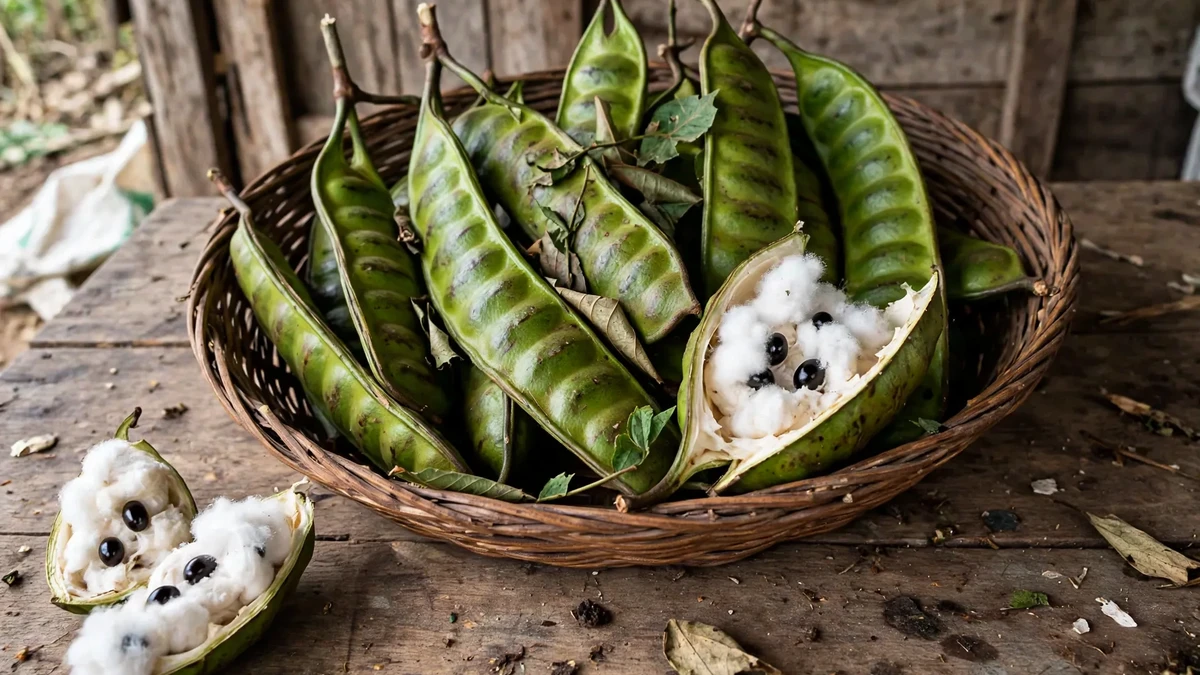
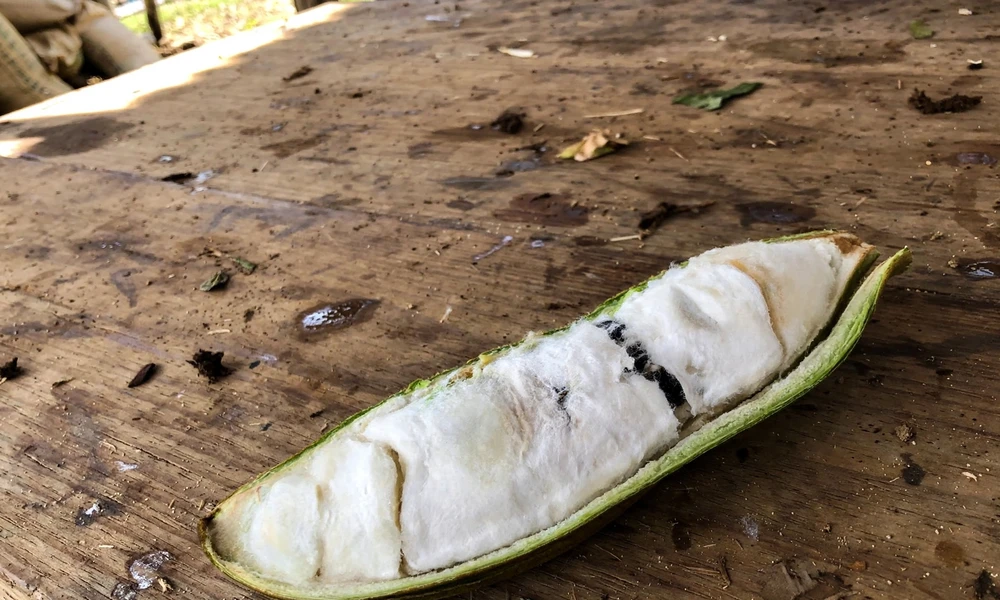
An ingá farm escape is a slow trip into the river country of the Amazon, built around a fruit that is eaten with your hands. The pods are long and green, hanging in clusters from tall trees, and they split open to show a soft white pulp that tastes faintly of vanilla. You eat it standing under the tree, or on a veranda with coffee, or on a boat as the river slides past. There is no ceremony to it, and that is the point.
The trip itself is part of the stay. Some farms are reached by road, others by boat, and the journey sets the pace: slow water, green banks, a wooden house waiting above the flood line. The days are shaped by the orchard and the river, not by a schedule. You walk the rows in the morning, split pods as you go, eat fish for lunch, and rest through the heat of the afternoon in a hammock.
This guide walks through the nine steps that make an ingá escape work, from picking a river town to settling the bill the night before you leave. Follow them in order, ask your questions early, and keep every answer in writing, and the trip will take care of itself.
Key takeaways
- Ingá is a long pod fruit from the Amazon; the white pulp inside tastes faintly of vanilla and is eaten fresh, straight from the pod.
- The pods ripen in the wet months, roughly December to May, and the season moves with the rain, so confirm the dates for the year you travel.
- Plan the journey first, because some farms are reached by boat and the boat is part of the price, or part of the problem.
- Book inside the pod season, tell the farm about food needs early, and keep every promise in writing.
- The pulp is sweet and soft, but it is rich, and you should tell the farm about wheat or gluten before you book, so the kitchen can plan your meals safely.
What an ingá farm escape involves
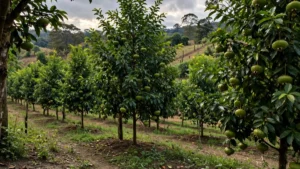
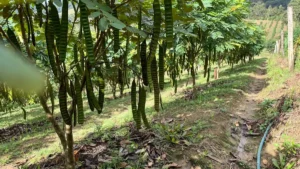
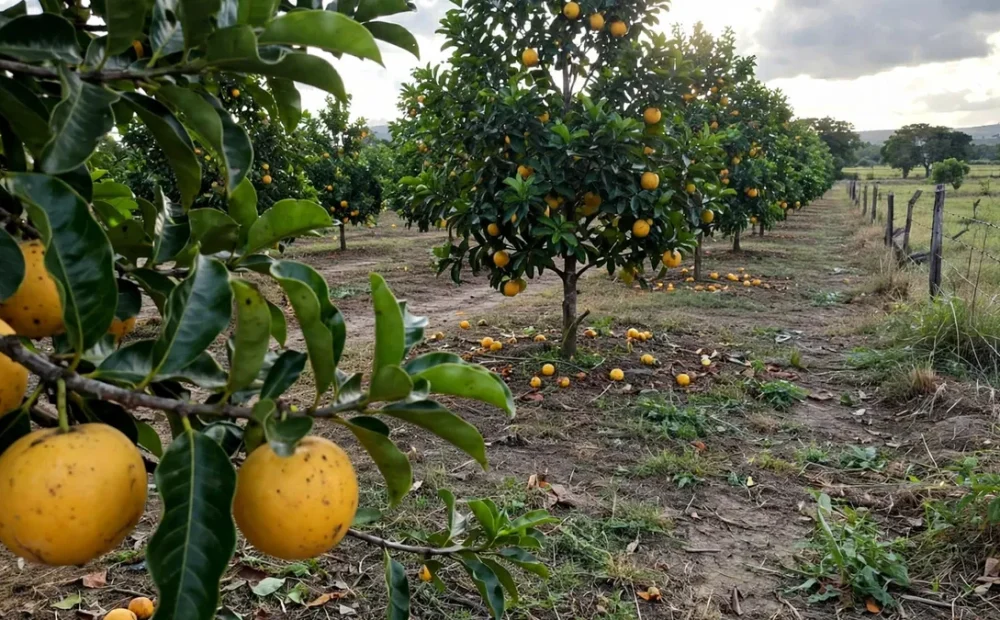
An ingá farm escape is a stay on a working orchard where the trees, Inga edulis, grow tall along the rivers. The pods hang in clusters and ripen over the wet months, and the harvest is gentle work: a walk through the rows, a pod split open under the tree, a basket carried back to the kitchen. The fruit is not picked in a rush, because it ripens over months, and the farm moves at the pace of the river.
The days are simple. A morning walk, a breakfast of fruit and coffee, a boat trip or a forest walk, a fish lunch, and a quiet afternoon in a hammock. The evenings are shared, with a farm table, a slow meal, and stories from the host. The nights are loud with frogs and insects, and the sky is wide and dark, with no city light to thin it.
The escape is not a resort trip. The rooms are wooden farmhouses, the food is what the farm and the river give that week, and the luxury is the quiet, the space, and the fruit given freely on the walk. Come for that, and you will not be disappointed.
What surprises most guests is how much of the trip happens outside the farm itself. A boat ride to a beach, a walk through the forest, a market morning in the nearest town, a swim in a clear tributary. The farm is the base, but the river country around it is the trip, and the best escapes leave room for both. Plan for the farm first, then leave space for the country around it, and the days will fill themselves.
How to plan it, and what to check first
Start with the season, then the journey, then the farm. The pods ripen in the wet months, roughly December to May, and the peak moves with the rain, so the first question is always the dates for the year you are travelling. The second question is the journey, because a farm reached by boat needs a different plan from one reached by road.
Once you have the dates and the journey, ask what the price covers: the room, the meals, the orchard walk, the boat, and any fishing or river trips. Ask too about the room itself, a photo of the actual room, hot water, and a mosquito net. A farm that gives straight answers is usually a farm that runs smoothly. If you have planned a soursop farm escape before, our guide on how to plan a soursop farm escape in 2027 follows the same order of questions, and the same checks work here.
The 9 steps to plan an ingá farm escape
Pick a river town first, then find the farm
Start with the town, not the farm. Belém and Manaus are easy to reach, with airports and boats, while Santarém and Porto Velho suit a river trip, and Boa Vista suits open country. Choose the town that fits your journey, then look for a farm within a morning of it. A farm near a town you can reach easily is worth more than a famous farm that takes two days to get to, and a short journey leaves you fresh for the first orchard walk instead of tired from the road.
Pin down the pod season before you pay anything
Ask the farm for the pod dates in the year you are travelling, and get them in writing. The wet months run roughly December to May, but the peak moves with the rain, and a farm can have ripe pods for months while its best pods go in a few weeks. Book inside the peak, not at its edges, and ask what happens if the rain shifts the season after you have paid.
Book the boat or the road while rooms are open
Sort the journey at the same time as the room. Some farms include the boat in the price, some price it on its own, and some are reached by a dirt road that floods after heavy rain. Ask the host how you get there, how long it takes, and what it costs, and book the boat or the car while rooms are still free, because the good farms fill early in the wet months. If the boat leaves at dawn, plan to arrive the night before, and if the road floods, ask the host what the alternative is before you pay.
Put your food notes in writing before you confirm
Tell the farm about wheat, gluten, or any allergy before you confirm the booking, and keep the reply with your booking. The kitchen cooks what the farm and the river give that week, and a small farm needs time to plan around a food need. A note sent early is easy to honour; a note sent on arrival is a problem for everyone.
Pack light clothes and a rain layer for the wet months
Pack for warm, wet weather. Light clothes, closed shoes that cope with mud, a good rain layer, insect repellent, and a dry bag for your phone and papers. The mornings are warm and damp, the afternoons are hot, and rain can arrive without warning, so a rain layer is worth more than an extra shirt. Pack a second pair of shoes too, because one pair will be wet by the second day, and a dry pair in the morning is a small comfort that matters.
Split a pod on your first morning, not your last
Join the orchard walk on your first morning, and split a pod under the tree. The pulp is coolest in the morning, the light is soft, and you will learn how to tell a ripe pod by its weight and colour. If you leave the walk to the last day, you miss the chance to come back for more, and the best pods may already be gone.
Leave a free day for the river and the forest around the farm
Keep one day open for the country around the farm. A boat trip on the river, a forest walk, a beach in the dry months, or a market in the nearest town. The farm is the centre of the trip, but the river and the forest are the reason the farm is there, and a free day lets you see them without rushing. Ask the host what is worth seeing nearby, because the best trips are the ones the host suggests, not the ones in a guidebook.
Keep the last evening free for the shared farm table
Save the last evening for the farm table. The hosts cook a slow meal, the guests share the table, and the stories come out. It is the best evening of the trip, and it is worth protecting from a late boat or a rushed departure. Plan your travel for the morning after, not the night of the last dinner.
Settle up with the farm the night before you go
Pay the farm the night before you travel, not on the morning you leave. Ask for the bill after dinner, check it against the price you were given in writing, and settle any extras while the host is there to answer. A morning departure is always rushed, and a bill settled the night before lets you leave calmly.
Picking the right season and region
The wet months, roughly December to May, are the season for ingá, and the peak moves with the rain. Belém and Manaus are the easiest places to start, with farms close to the city and pods that ripen early. Santarém and Porto Velho suit a river trip, with boats and beaches, while Boa Vista and Araguaína suit open country and long walks.
If this is your first ingá trip, start near Belém or Manaus and travel in the middle of the wet months, when the pods are full and the farms are running well. If you have been to the Amazon before, try Rio Branco or Palmas for a quieter stay. A cherimoya farm escape runs on a different season, in the Andes rather than the Amazon, and our guide on how to plan a cherimoya farm escape in 2027 shows how a mountain harvest is planned, which is a useful contrast if you are choosing between the two.
The caveats that matter
Ingá is a gentle fruit, but the Amazon is not a gentle place to travel in without a plan. The rain is heavy in the wet months, the roads flood, the boats run on river time, and the mosquitoes are real. None of this is a reason to stay away, but all of it is a reason to plan the journey with the host, pack properly, and keep a free day in case the river changes your plans.
| Detail | What is known |
|---|---|
| Best season | Wet months, roughly December to May, with the peak moving with the rain |
| How long to stay | Three to five nights is enough to walk the orchard, take a boat trip and rest |
| How to get there | By road or by boat, depending on the farm; ask the host and book it early |
| What to pack | Light clothes, a rain layer, muddy shoes, repellent and a dry bag |
| The seeds | Dark seeds inside the pods are not for eating; eat the pulp only |
| Food needs | Tell the farm about wheat, gluten or any allergy before you confirm |
| Money | Bring cash, because small farms may not take cards, and the boat is often cash too |
| What it is not | It is not a resort trip; the rooms are simple and the luxury is the quiet |
Bring cash, because small farms and boat drivers often do not take cards, and the nearest cash machine may be a long way from the farm. Keep your papers in a dry bag, charge your phone before the boat leaves, and let someone at home know your travel dates, because the signal is thin in the forest. A paper copy of your booking, with the farm name, the host’s number and the boat time, is worth more than a screenshot when the signal drops.
Checklist: before you book an ingá farm escape
Use these checks before you pay, and again a week before you travel.
- Check the pod season: ask the farm for the dates in the year you are travelling, and book inside the peak.
- Check the journey: ask how you reach the farm, how long it takes, and whether the boat or the car is included.
- Check what the price covers: room, meals, orchard walks, boat trips, and fishing trips, and keep it in writing.
- Check the room: ask for a photo of the actual room, and ask about hot water, mosquito nets and power.
- Check the kitchen: tell the farm about wheat, gluten, or any allergy before you confirm, and ask what the meals include.
- Check the money: bring cash for the farm and the boat, and settle the bill the night before you leave.
Frequently asked questions
How early should I book an ingá farm escape?
Two to three months ahead for the wet months, and earlier if you want a small farm with only a few rooms. The good farms fill early, the boat or the car needs booking too, and the best rooms go first, so the earlier you ask, the more choice you have. If you are travelling in the peak months, ask even earlier, because the farms with the best pods are the ones that fill first.
Can I visit an ingá farm outside the pod season?
Yes, and the farm is still a lovely place to stay, with the river, the forest and the food. But the pods are the point of the trip, and outside the season there are none to pick, so visit in the wet months if the fruit matters to you.
Is ingá safe for children to eat?
Yes, and children usually love it. The pulp is sweet and soft, and picking a pod and splitting it open is an easy activity they will remember. Watch the seeds, which are not for eating, and let the pulp itself be the treat.
Will the hosts speak English at an ingá farm?
Sometimes, but not always. Many hosts speak Portuguese only, and a few words of it go a long way. Learn the basics, bring a translation app, and write your food notes down, so the kitchen has them in writing even if the conversation is short.
What do I pack for a wet-season farm stay?
Light clothes, a solid rain layer, closed shoes that can handle mud, insect repellent, and a dry bag for your phone and papers. Mornings are warm and wet, afternoons are hot, and a shower can arrive with no warning at all. Pack a second pair of shoes as well, because one pair will be wet by the second day.
What will an ingá farm escape cost in total?
Most stays run from $50 to $110 a night, with meals usually included. Add the boat or the car, plus a little extra for fishing trips or river tours, which are usually priced on their own. An araticum farm escape costs about the same, and our guide on how to plan an araticum farm escape in 2027 shows the same kind of pricing for a comparable Amazon harvest.
The bottom line
An ingá farm escape works when you plan the season first, the journey second, and the farm third. The pods ripen in the wet months, the farms are small, and the journey is part of the trip, so the order matters. Ask your questions early, keep the answers in writing, and leave a free day for the river, because the river will change your plans at least once.
Start near Belém or Manaus if it is your first time, take a boat trip in Santarém or Porto Velho if the river is the point, and keep the last evening free for the farm table. Tell the farm about wheat or gluten before you confirm, pack a rain layer, and split a pod on your first morning. The pulp is sweet, the days are slow, and the trip is worth the planning.