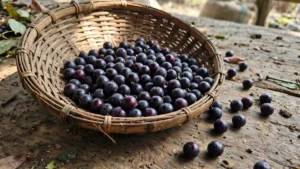
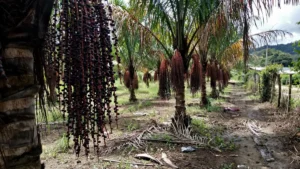
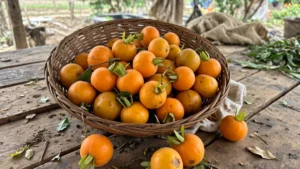
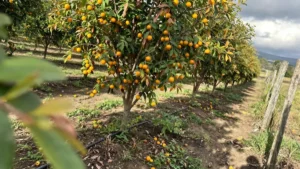
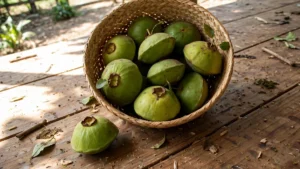
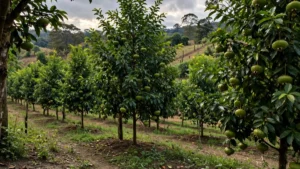
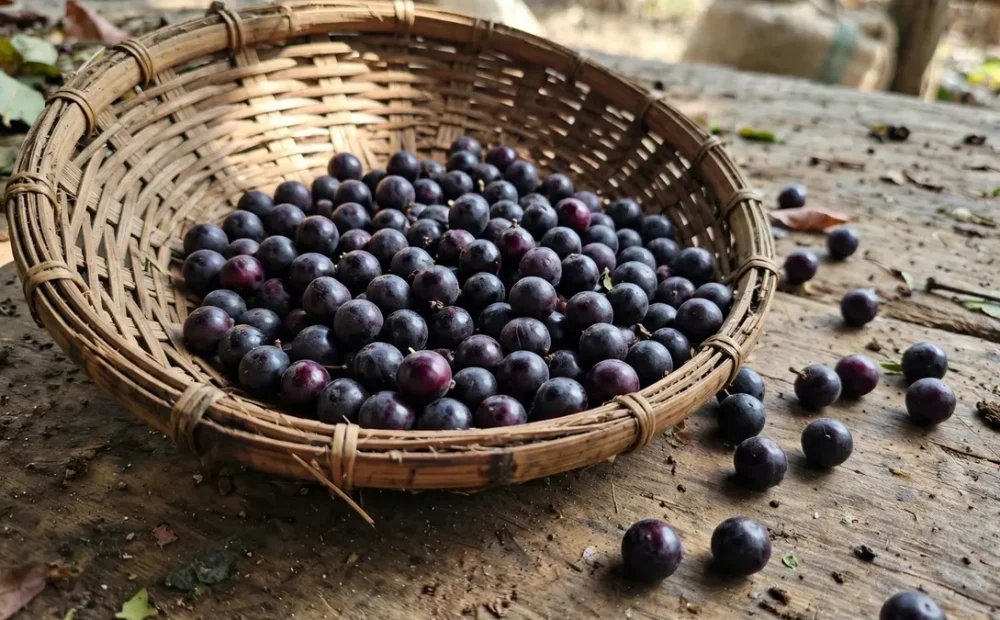
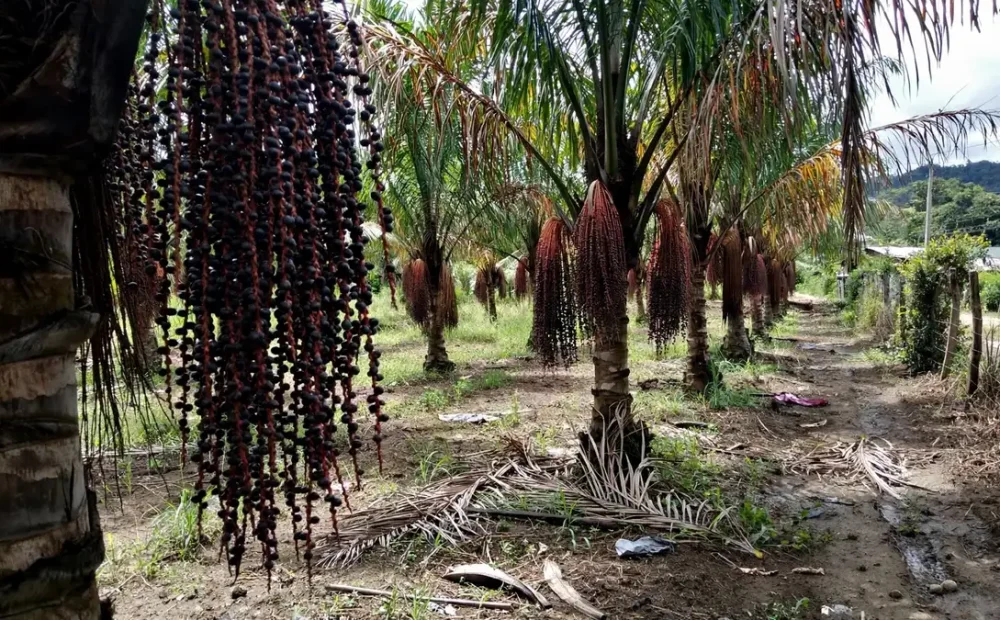
Most travellers who come to the Amazon for a palm berry come for acai; bacaba is the quieter cousin they meet once there. It grows on a taller, slimmer palm, ripens in hanging clusters of small dark purple berries, and is pressed into a thick, oily juice and a light wine rather than scooped into a bowl. The drink is richer than acai and faintly nutty, with the grove in every glass.
A bacaba farm retreat is a stay on a working palm grove, not a resort with a fruit theme. You sleep among the palms, watch the climbers go up at first light, stand by the press while the berries are washed and worked into juice, and eat what the kitchen cooks.
The nine retreats below were chosen for the grove first and the comfort second. Each one has a working stand of bacaba palms, a cook who knows the pulp, a clear plan for getting guests to the trees and back, and a price to match, from the river markets of Belém to the savanna edge of Roraima and the open skies of Tocantins.
Key takeaways
- Bacaba, or Oenocarpus bacaba, is a tall Amazon palm whose small dark purple berries grow in hanging clusters and are pressed into juice and light wine.
- The harvest runs roughly from January to June, in the rainy months, when the clusters ripen and the rivers run high.
- A good retreat pairs a working grove with a cook who knows the pulp, a safe climb plan, and a cabin among the palms.
- Bacaba is not acai: a different palm, oilier pulp, served as juice and wine rather than in bowls.
- Tell the farm about wheat and gluten before you book, because breakfasts often include wheat bread beside the cassava flour.
What a bacaba farm retreat actually is
A bacaba palm can reach twenty metres, with a single trunk and long leaves, and the berries hang in heavy clusters below it. The fruit is small, round and almost black when ripe, with thin skin and oil-rich pulp, which is why the juice feels thicker and more filling.
The juice is made the way Amazon river families have made it for generations. The berries are washed, soaked in warm water until the pulp loosens, and worked by hand or in a press until the liquid runs dark purple and thick. Some farms serve the juice the same day; others ferment a batch into a cloudy, gentle wine best drunk young. The drink comes from that morning’s harvest and does not travel well, so the only way to taste it is to go to the grove.
A retreat built around that routine looks different from a hotel. Days start early, with the climbers up before the heat and the pressing done before lunch, while afternoons are for the river, the hammock and the kitchen, and evenings for wine and the stories of the grove workers. Against the better-known acai farm retreats, the difference is the drink and the pace: bacaba is slower, oilier and less sweet, and its farms tend to be smaller and further from the crowds.
How we chose these retreats and what to look for
We started with the grove. A retreat only made the list if bacaba palms are its main crop, not a few trees for show. We looked for farms that harvest yearly, press on site, and can name the ripening weeks. A farm that cannot answer that is not a bacaba farm.
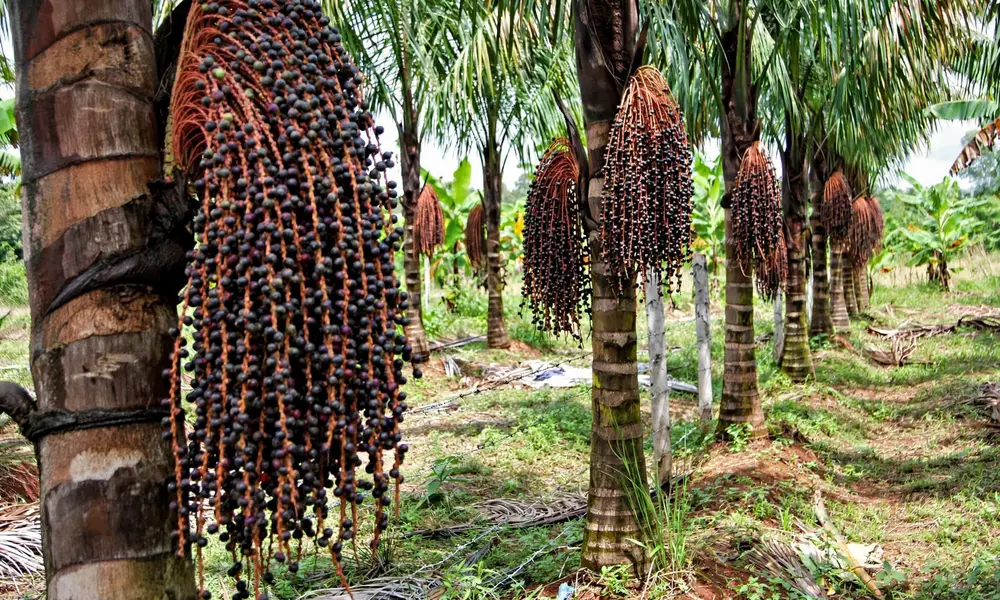
Next we looked at the kitchen and the climb. The cook matters as much as the trees, because bacaba is only as good as the hands pressing it, and a farm serving the juice with fresh fish, cassava and fruit from its own garden is giving you the real table. For the climb, we wanted a clear rule: guests watch from the ground unless the farm has trained staff, proper ropes and a short briefing. A farm that lets anyone shin up a twenty-metre palm is not a farm to trust.
Finally we looked at the rooms and the price. A cabin among the palms, with a fan, a net and a grove view, beats a polished room in town. Prices below cover a night for two, with breakfast and the pressing, and each farm states what is included before you pay.
The 9 best luxury bacaba farm retreats of 2027
Belém — River Markets and the First Glass of Bacaba
Belém is where most bacaba journeys begin. The city sits at the mouth of the Amazon, its morning markets the best place to learn the berry. The retreat is a short boat ride away, on a grove that has supplied the city for two generations.
What we like: A grove near the city, a market walk with the cook at dawn, and juice pressed the morning you drink it. What to consider: The city side is busy, and the grove is smaller than the upriver farms. Best For: First-time visitors learning bacaba in a day or two. Style: Market-side farmhouse, river view. Price Range: $120–$180 per night. Standout Feature: The dawn market walk with the cook.
Manaus — Tall Palms and the Rainy-Season Harvest
The Manaus grove stands on high ground above the Rio Negro, its palms among the tallest here, which makes the dawn climb the most dramatic. The harvest runs through the rainy months, when the river is high and the boat reaches the grove’s edge, and the farm presses twice a day in season.
What we like: The tallest palms on the list, a double pressing each day in season, and cabins among the trees. What to consider: Rain is part of the trip, so pack for wet mornings, and the road from the city is slow after heavy rain. Best For: Travellers chasing the full rainy-season harvest. Style: Timber cabins on a forested rise. Price Range: $150–$220 per night. Standout Feature: The twice-daily pressing, with juice warm from the press.
Santarém — Clear Water, Dark River and a Light Wine
Santarém sits where the clear Tapajós joins the muddy Amazon, the farm working groves along both rivers. The water changes colour at the meeting point, and the farm’s wine is the lightest here, from berries picked on the sunnier Tapajós side.
What we like: Two rivers, two groves, a light wine, and swimming in the Tapajós. What to consider: The farm is a boat ride from town, so plan around the boat timetable, not your flight. Best For: Couples wanting river days with the harvest. Style: Riverside lodge with a long deck. Price Range: $140–$200 per night. Standout Feature: The light Tapajós wine at sunset on the deck.
Macapá — Equator Sun and Even Ripening
Macapá sits on the equator, and the farm makes a point of it: straight rows running north to south, the midday sun falling straight down on the palms. The berries ripen evenly, the juice is steady week to week, and the farm’s small museum of river tools is a quiet pleasure.
What we like: Even ripening across the grove, a steady juice through the season, and a small museum of river tools. What to consider: The heat is constant and the shade thin at noon, so mornings are for work and afternoons for rest. Best For: Travellers who like a structured day. Style: Whitewashed farmhouse, shaded veranda. Price Range: $110–$170 per night. Standout Feature: The equator-line walk through the grove at noon.
Boa Vista — Savanna Edge and Palm Stands
Boa Vista is the outlier, because Roraima is savanna country, the bacaba growing in stands along the rivers cutting through the open grassland. The light is wide and hard, the nights cooler than on the delta, and the farm pairs the harvest with dawn horseback rides.
What we like: A landscape unlike any other here, cooler nights, and horseback rides beside the river stands. What to consider: The groves are smaller and spread out, so the pressing runs in batches rather than all day. Best For: Travellers wanting open country with the harvest. Style: Ranch-style lodge on the savanna edge. Price Range: $130–$190 per night. Standout Feature: The dawn horseback ride to the river stands.
Porto Velho — Madeira River Groves
The Porto Velho farm works the groves along the Madeira, the Amazon’s great southern tributary, where the water runs fast and the palms stand behind the riverbank. The juice here is the thickest on the list, the berries ripening a few days longer, served with grilled river fish and farinha made on site.
What we like: The thickest juice on the list, farinha made on site, and a working riverbank grove. What to consider: The Madeira is a strong river, so swimming is limited to the farm’s calm backwater. Best For: Food lovers chasing the richest bacaba table. Style: Riverbank farmhouse with a smokehouse. Price Range: $125–$185 per night. Standout Feature: The late-ripened juice, pressed thick, with grilled fish.
Rio Branco — Acre Groves and the Rubber Trails
Rio Branco is the quietest stop, a small farm in Acre, the bacaba groves beside old rubber trails through the forest. A family that has worked the land for three generations runs it, the pressing is done by hand, and evenings pass on the veranda listening to the forest.
What we like: Hand pressing, a family-run farm, and old rubber trails for slow forest walks. What to consider: Getting here takes a flight and a drive, and the farm has only a handful of cabins, so book ahead. Best For: Travellers wanting quiet, forest and time. Style: Family farmhouse, deep veranda. Price Range: $100–$160 per night. Standout Feature: The hand-pressed juice, made in small batches.
Palmas — Tocantins Palms and Open Skies
Palmas is the newest farm, planted where the Amazon meets the cerrado in Tocantins, the palms growing in open rows under a wide sky. The farm is young, the cabins new, and the owner a former river guide who knows the Tocantins better than anyone.
What we like: New cabins, wide skies, and an owner who knows the rivers first-hand. What to consider: The grove is young, so the harvest is smaller than the older farms, and the wine comes in limited batches. Best For: Travellers who like a new farm. Style: Modern cabins under open sky. Price Range: $135–$195 per night. Standout Feature: The owner’s sunset boat trip on the Tocantins.
Araguaína — Northern Tocantins and the Dry-Season Press
Araguaína closes the list with a farm that presses late, in the dry season, when the berries have had the longest sun and the juice runs sweetest. The grove sits on a low rise above the town, the air drier than on the delta, and the farm’s dried bacaba in small paper bags is the best souvenir here.
What we like: The sweetest late-season juice, dry air for travellers who dislike humidity, and excellent dried bacaba to take home. What to consider: The dry season is short, so the pressing window is narrow, and the farm books out fast. Best For: Travellers chasing the sweetest juice in dry air. Style: Hilltop farmhouse with a drying shed. Price Range: $160–$240 per night. Standout Feature: The dried bacaba, pressed and dried on the farm.
Which bacaba retreat suits you
First-time visitors should start in Belém or Manaus. Belém teaches you the berry in a day, through the market and the press, and Manaus shows you the harvest at its most dramatic, with the tallest palms and a twice-daily press. Both are easy to reach, with staff used to first-timers.
If the drink itself is the point, look to Santarém, Porto Velho and Araguaína. Santarém has the lightest wine, Porto Velho the thickest juice, and Araguaína the sweetest late-season press. A traveller who has tried the guarana farm retreats will recognise the shape, but the drink on the table will be entirely different.
For quiet and space, Rio Branco and Boa Vista are the picks. Rio Branco gives you forest, hand pressing and long evenings on the veranda, while Boa Vista gives you open savanna, cooler nights and horseback rides. Both need more travel, and both repay it with a stay that feels like a visit, not a tour.
The caveats that matter
Bacaba is generous but not light. The pulp is rich in oil, so a small glass is filling, and a large one on an empty stomach feels heavy. Start small, see how you feel, and drink more tomorrow if you like it. The wine is gentle, but it is still wine, so ask about the strength first, and skip it if you avoid alcohol.
| Detail | What is known |
|---|---|
| Best season | January to June, in the rainy months |
| How it is served | Thick juice pressed the same day, light wine |
| First serving | Start small: the pulp is oil-rich and filling |
| Who should be careful | Palm-fruit sensitivity; anyone avoiding alcohol should skip the wine |
| Climbing | Watch from the ground unless trained staff and ropes are in place |
| Getting there | Boat or small plane for most groves |
| What to pack | Light clothes, rain gear, repellent and a hat |
| What it is not | Not acai: a different palm, oilier pulp, juice and wine |
The practical risks are the usual Amazon ones. Rivers run high in the harvest months, so boat times can shift, and a farm promising fixed dates in January is promising something the river may not keep. Heat and insects are part of the trip, and a farm with good nets, fans and shade beats one with a prettier website. If you take medicine or you are pregnant, check with your clinician before the trip and tell the farm.
Checklist: choosing a bacaba farm retreat honestly
Use these checks before you book, and again the week before you travel.
- Check the grove: bacaba palms are the main crop, pressed on site.
- Check the season: ask which weeks the clusters ripen, in writing.
- Check the climb: guests watch from the ground unless trained staff are in place.
- Check the kitchen: the cook presses the juice and cooks the farm’s own produce.
- Check the room: a cabin among the palms, with a net, a fan and a grove view.
- Check the price: what is included, the boat cost, and what if the river changes the plan.
Frequently asked questions
When does bacaba ripen?
Roughly January to June, in the rainy months. The exact weeks move with the rain, so ask the farm for its dates, in writing, before you pay.
What does bacaba juice taste like?
Thick, faintly nutty and earthy, rich from the oil in the pulp. It is less sweet than acai and more filling, so most people drink a small glass, and the wine is light.
May guests pick bacaba from the palms?
Usually not. The palms are tall, the clusters heavy, and the climb needs training. Most farms let guests watch the climbers, help with the washing and pressing, and taste the juice.
How is bacaba different from acai?
Bacaba comes from Oenocarpus bacaba, a taller single-stemmed palm, while acai comes from Euterpe oleracea. Bacaba pulp is oilier, and it is pressed into juice and wine rather than served in bowls. The tucumã farm retreats are another good comparison, because tucumã is also pressed and cooked rather than eaten raw.
Who should be careful eating bacaba?
Anyone sensitive to palm fruit should taste a little first and wait. The pulp is oil-rich, so a large serving on an empty stomach can feel heavy. Anyone avoiding alcohol should skip the wine, and anyone pregnant or on medicine should check with a clinician.
What should wheat-free travellers ask for at breakfast?
Ask the farm when you book, not when you sit down. Farm breakfasts often include wheat bread beside cassava flour, tapioca and fruit, and a kitchen that knows a week ahead can set aside a wheat-free plate. Bring some of your own bread as a backup for boat days.
The bottom line
The best bacaba retreat in 2027 is the one where the grove is real, the press runs each morning in season, and the kitchen cooks what the farm grows. Belém and Manaus are the easiest first steps, Santarém and Porto Velho the best tables, and Rio Branco and Boa Vista the quietest stays. Pick the farm that matches the trip you want, not the one with the glossiest photos.
Book for the rainy months, start with a small glass, and let the farm set the pace. Bacaba rewards travellers who slow down, and the juice tastes better after you have watched the clusters come down and the press run.