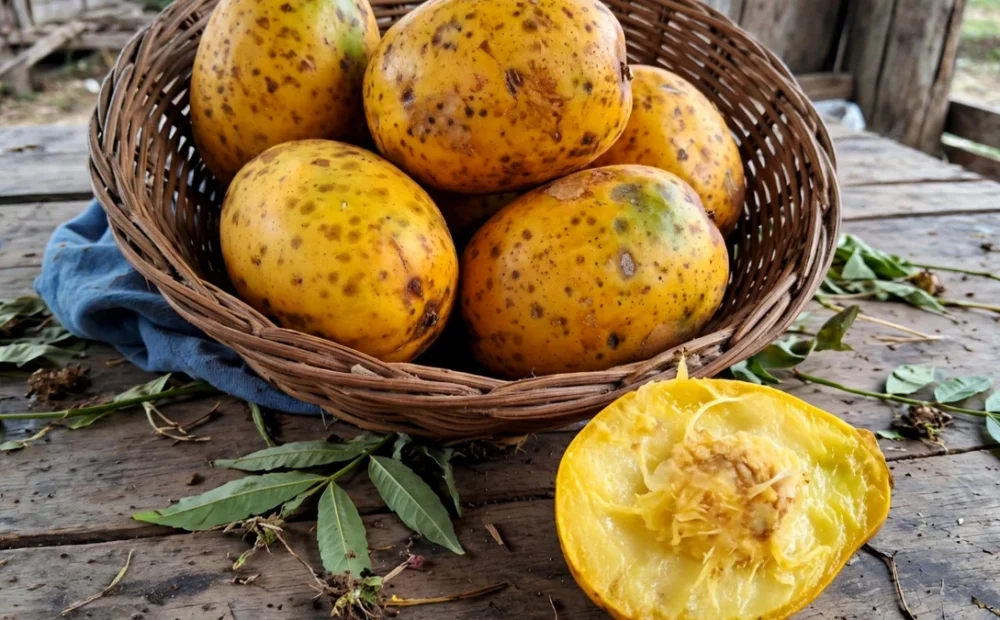
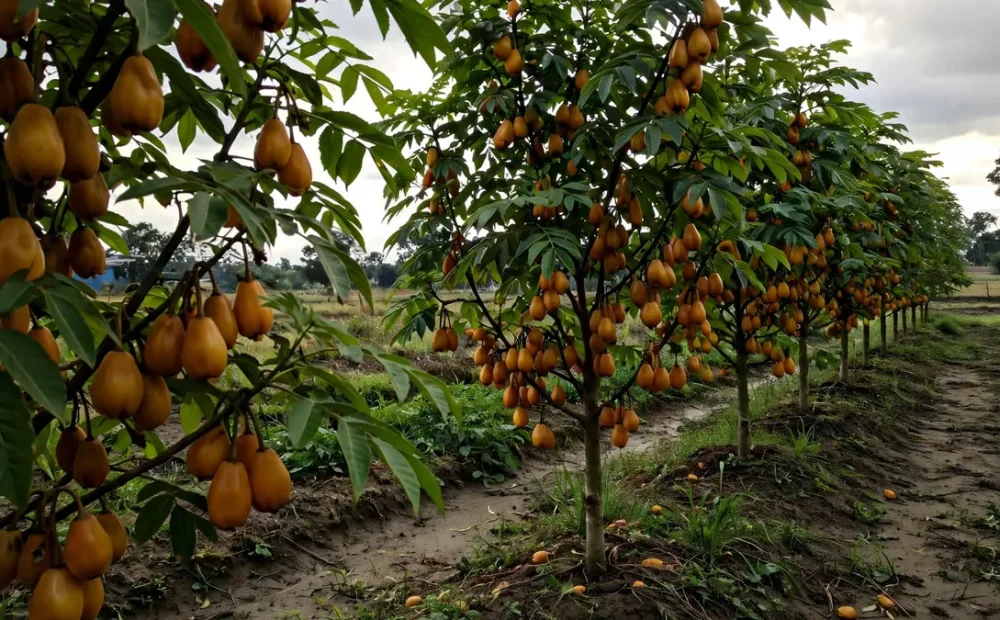
Planning a jenipapo farm escape starts with the rain. The fruit ripens through the rainy season, the pressing happens while the harvest is fresh, and a trip booked for the wrong weeks will find the groves quiet and the press shed empty. Get the timing right, though, and the trip plans itself: a grove walk at dawn, a pressing in the morning, a long lunch from the farm kitchen, and a small glass of liqueur after dark.
The harder part is the practical side. Jenipapo farms sit well outside the nearest town, the roads can flood, the juice stains everything it touches, and the kitchen needs warning about wheat and gluten long before you arrive. None of that is hard to handle, but all of it needs sorting before you travel, not after you get there.
This guide walks through the nine steps that make a jenipapo escape work, from pinning down the harvest weeks to buying liqueur on your last morning. Follow them in order and the trip will run the way the farms intend.
Key takeaways
- Jenipapo is the large brown fruit of the Genipa americana tree, pressed into juice and liqueur on Amazon farms through the rainy season.
- Fix the harvest weeks first, because everything else — the farm, the driver, the room — depends on them.
- Jenipapo juice stains skin and cloth dark, so pack old clothes and ask the farm for gloves.
- Book a car and a local driver before the room, since most farms sit an hour or more from town.
- Warn the farm about wheat and gluten before you book, because farm kitchens use wheat flour daily and need time to cook a separate menu.
What a jenipapo farm escape actually involves
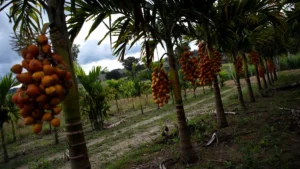
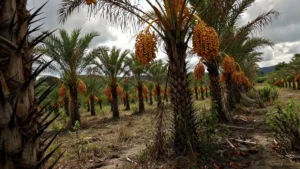
A jenipapo farm escape is a short stay on a working fruit farm, built around the harvest rather than sightseeing. You sleep on the farm, eat what the kitchen cooks, and spend the days in the groves and the press shed. The mornings are early and physical, the afternoons slow, and the evenings quiet, with the liqueur tasting as the main event after dinner.
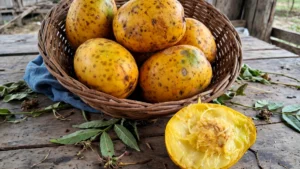
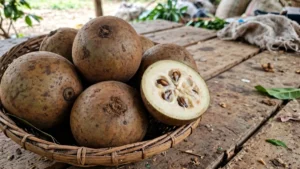
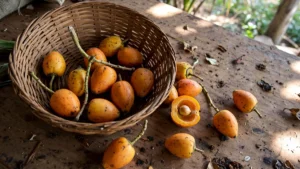
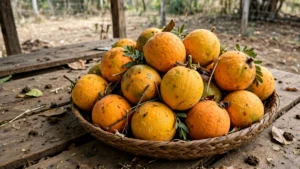
The fruit shapes every part of the stay. Jenipapo is large, rough-skinned and brown when ripe, with pale flesh that gives a cloudy juice which darkens as it meets the air. The farms press it the morning it is picked, and the juice is served fresh, in small glasses, before it changes colour in the jug. The surplus goes to jam and to the liqueur cellar, where it rests until the host decides it is ready to pour.
What you will not find is a resort. Rooms are simple, meals are cooked on the farm, and the farm’s schedule wins over yours. What you will find is a direct, honest look at a fruit few travellers have tasted, with hosts who have worked it for years and are glad to explain it to someone who asks good questions.
How to plan the escape and what to look for
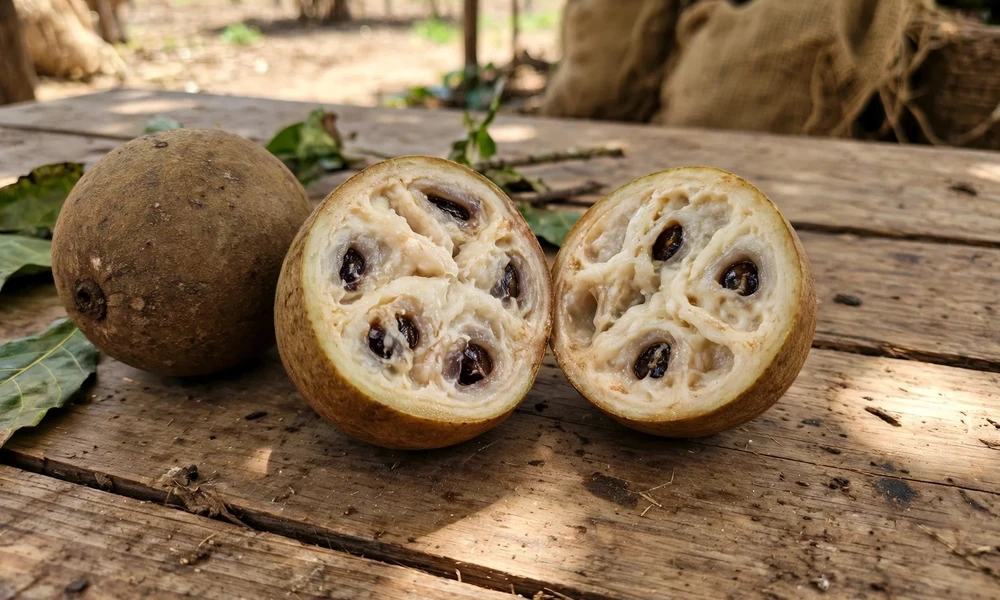
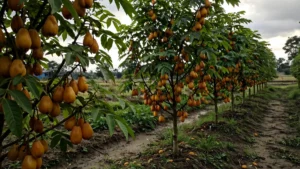
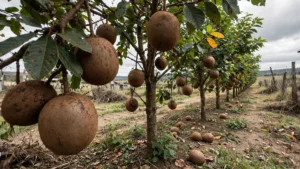
Start by choosing a farm that presses its own fruit and opens its liqueur cellar to guests. A farm that buys juice in, or that only offers a single tasting glass, will not show you the harvest properly. Ask the farm to confirm its harvest weeks in writing, and ask what happens if the fruit ripens late, because the dates shift from year to year and a farm that will not commit to dates may have nothing to press when you arrive.
Next, sort out the journey and the food. Confirm the car, the driver and the round-trip price before you pay for anything, and send the wheat and gluten note before you discuss dates or prices, so the kitchen can plan a menu that does not rely on wheat. The mangaba farms of the cerrado plan the same way, and our guide to planning a mangaba farm escape shows how a different fruit shapes a different trip. Get these two things right and the rest is straightforward.
The 9 steps to plan your jenipapo farm escape
1. Set the harvest weeks first, then look at flights
What to do: Write to two or three farms and ask for their harvest weeks in writing, then book your travel around the farm that answers clearly. What to avoid: Do not book flights first and hope the harvest lines up, because the fruit ripens when it ripens. Best for: Travellers who can move their trip by a week or so. Time needed: A few days of messages. Standout tip: Ask each farm what happens if the fruit ripens late.
The harvest is the trip. Everything else — the room, the driver, the meals — is arranged around the weeks the farm names, so those weeks come first.
2. Choose a farm with its own press and an open cellar
What to do: Choose a farm with a press shed on site and a liqueur cellar it opens to guests. What to avoid: Do not settle for a farm that serves bought juice and keeps its cellar closed, because you will see the fruit but not the work. Best for: Travellers who want to understand the harvest. Time needed: An hour of messages. Standout tip: Ask how many seasons the cellar has run, since several vintages show the farm takes the liqueur seriously.
A farm that presses on site and opens its cellar trusts its own work, and that trust is the best sign of a good stay.
3. Sort the car and the local driver before the room is booked
What to do: Arrange a car with a local driver who knows the farm roads, confirm the round-trip price in writing, and then book the room. What to avoid: Do not rely on a rental car or a ride-hailing app, because the farm roads are unpaved and can flood. Best for: Anyone arriving by plane or bus. Time needed: A day of messages. Standout tip: Ask the farm to recommend its own driver, who will know the road in the rain.
Transport is the part of the trip most likely to go wrong, and the part most easily fixed in advance with a single message.
4. Stay on the farm itself rather than in the nearest town
What to do: Book a room on the farm, even a simple one, so you are there for the dawn pressing and the evening tasting. What to avoid: Do not sleep in a town an hour away, because you will miss the early press and the late liqueur. Best for: Travellers who want the full rhythm of the farm. Time needed: No extra time. Standout tip: Ask for a room near the groves, since the grove side is quieter at night.
The farm’s day starts before the town wakes up, and the only way to join it is to sleep where the work happens.
5. Get the wheat note to the kitchen before you settle the dates
What to do: Tell the farm about wheat and gluten in your first message, and ask what the kitchen will serve instead. What to avoid: Do not mention it on arrival, because the kitchen bakes with wheat flour daily and cannot rebuild a menu. Best for: Wheat-free travellers and mixed groups. Time needed: One message, sent early. Standout tip: Ask specifically about breakfast, since farm breakfasts lean on wheat bread.
A kitchen warned in advance will feed you well. A kitchen warned at the table will feed you whatever it has.
6. Spend your first morning at the market with the farm cook
What to do: Go to the local market on your first morning with the farm cook, and ask how the shopping will be cooked. What to avoid: Do not sleep through the market, because it is where the week’s menu is decided. Best for: Travellers who care about the kitchen. Time needed: Two hours on the first morning. Standout tip: Ask the cook which stall sells the best jenipapo jam, and buy a jar there.
The market shows you the food of the region in a way no menu can, and the cook is the best guide you will have.
7. Taste juice, jam and liqueur together in one sitting
What to do: Ask the farm to lay out the fresh juice, the jam and the liqueur side by side, and taste them in that order. What to avoid: Do not taste the liqueur first, because its strength will dull your palate. Best for: Anyone who wants to understand the fruit. Time needed: Half an hour after dinner. Standout tip: Take notes on each one, since the three taste nothing alike.
One fruit, three products, three different flavours. The tasting table is where the farm’s whole year becomes clear.
8. Buy the liqueur on the morning you leave, not before
What to do: Wait until your last morning to buy liqueur, ask for sealed bottles, and have the farm pack them for travel. What to avoid: Do not buy bottles on your first day, because they are heavy and breakable, and you will carry them all week. Best for: Travellers who like bringing the farm home. Time needed: Twenty minutes on the last morning. Standout tip: Ask the farm which vintage it recommends, since the host knows which batch travelled best.
The last morning is also when the host is most relaxed, and the best time to ask the questions you saved up.
9. Watch the pressing from the first fruit to the last bottle
What to do: Follow one full pressing from washing the fruit to bottling the juice, and write down each stage as it happens. What to avoid: Do not watch only the middle of the pressing, because the washing and bottling show the farm’s standards. Best for: Travellers who want to remember the trip. Time needed: A full morning. Standout tip: Note when the juice starts to darken, since that detail explains the stain.
A pressing watched from start to finish is the difference between tasting jenipapo and understanding it, and the notes outlast the trip.
Matching the trip to you
If this is your first jenipapo trip, keep it short and simple: two nights on a farm near Belém or Araguaína, with the pressing as the centre of the stay. If the liqueur draws you, plan for Manaus or Porto Velho, where the cellar and the evening tasting are the heart of the farm. If food matters most, Santarém and Palmas are the stronger choices, since their kitchens build whole meals around the fruit.
For a slower trip with wide landscapes, Boa Vista and Macapá suit best, and the muruci farms of the cerrado offer a useful contrast if you want to see how a smaller, sweeter fruit shapes a different escape. Our guide to planning a muruci farm escape shows the small-fruit version of the same idea. For the earliest pressing of the day, choose Rio Branco, and for the last press of the season, Araguaína.
Whatever you choose, let the harvest set the dates and let the farm set the pace. A jenipapo trip planned around the fruit will work; one planned around a fixed calendar rarely does.
The caveats that matter
The juice stains. It darkens skin, cloth and wood, and the mark can last for days, so wear old clothes for the pressing, ask the farm for gloves, and keep your good clothes in your bag. The stain is harmless and fades on its own, but it will ruin a good shirt in minutes. Unripe fruit is a separate matter: sharply astringent, it can upset the stomach, so only eat fruit the farm says is ripe, and never pick for yourself without asking.
The liqueur is strong and the pours are generous, so treat the evening tasting as a tasting, not a drinking session. Anyone with a fruit allergy, a sensitive stomach, or a reason to skip alcohol should warn the host before the first glass. The pitomba farms of the Amazon carry the same honest limits, and our guide to planning a pitomba farm escape covers a tart fruit with its own seed warning.
| Detail | What is known |
|---|---|
| Best season | The rainy-season harvest, when the press runs and the cellar opens to guests |
| How long to stay | Two nights for a first visit, four or five nights for a full harvest stay |
| Getting there | Book a car and a local driver in advance; most farms sit an hour or more from town |
| What to pack | Old clothes for the pressing, closed shoes, a hat, repellent, and gloves |
| What to taste | Fresh juice, jam and liqueur, in small amounts and in that order |
| The stain | Juice darkens skin and cloth for days; it fades on its own and is harmless |
| Who should ask first | Anyone with a fruit allergy, a sensitive stomach, or a reason to avoid alcohol |
| Buying to take home | Buy liqueur on your last morning, and ask for sealed bottles packed for travel |
Checklist: planning your jenipapo farm escape honestly
Run through these checks before you book, and once more before you pay.
- Check the harvest: confirm the farm’s harvest weeks in writing before you book flights.
- Check the press: the farm should press its own fruit on site and let guests watch the work.
- Check the transport: settle the car, the driver and the round-trip price before you set off.
- Check the stain: find out whether the farm supplies gloves and old aprons for the pressing.
- Check the food: send the wheat and gluten note early, and ask what the kitchen will cook instead.
- Check the price: ask for the walk, the tasting, the meals and the transfers priced one by one.
Frequently asked questions
How many nights does a jenipapo escape need?
Two nights is enough for a first visit: one full day for the pressing and the market, and a second morning for the tasting table and the liqueur buying. Four or five nights suits a full harvest stay, with time for more than one pressing.
Will I need a boat to get to the farm?
Most jenipapo farms are reached by road, with a car and a local driver, and only a few near Manaus need a short boat leg after the road ends. Ask the farm how the last stretch works, and confirm whether the driver handles the boat or the farm sends someone to meet you.
Can children come on the grove walk?
Children can join the grove walks and the juice tasting, but the pressing area and the liqueur tasting are for adults. Keep small children close during the pressing, since the equipment is heavy and the juice stains, and ask the farm in advance whether it has room for a family.
What should you pack for a jenipapo farm stay?
Pack old clothes for the pressing, closed shoes, long trousers, a hat, repellent, and a notebook. Bring gloves if the farm does not supply them, and leave good clothes and white shirts at home, since the juice will find them.
What sets jenipapo apart from mangaba?
Jenipapo is big and brown, with pale flesh and a juice that stains skin dark, while mangaba is small and yellow-green, sweet and tart, with milky sap while unripe. They grow in different landscapes, taste different, and are handled differently, so a trip built around one does not teach you the other.
Can I take jenipapo liqueur home with me?
Yes, if you buy sealed bottles on your last morning and have the farm pack them for travel. Check your airline’s rules for alcohol in checked luggage before you buy, and ask the farm which vintage it recommends, since the host knows which batch travelled best.
The bottom line
A jenipapo farm escape works when the harvest sets the dates, the farm presses its own fruit, and the practical side — driver, wheat note, old clothes — is sorted before you travel. Belém and Araguaína make the simplest first trips, Manaus and Porto Velho lead on liqueur, and Santarém wins if the kitchen matters most.
Book the harvest weeks first, stay on the farm, watch a full pressing, and save the liqueur buying for the morning you leave. That is how you meet a fruit most travellers have never tasted, on the ground where it actually grows.