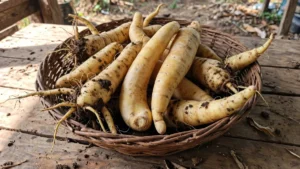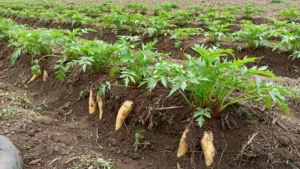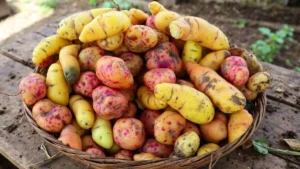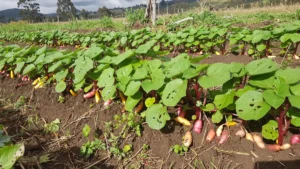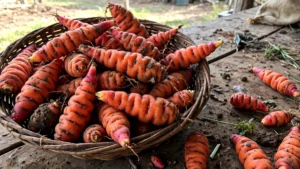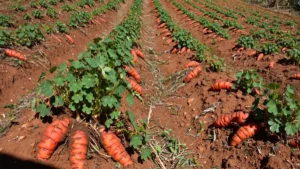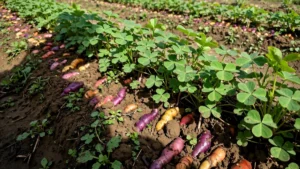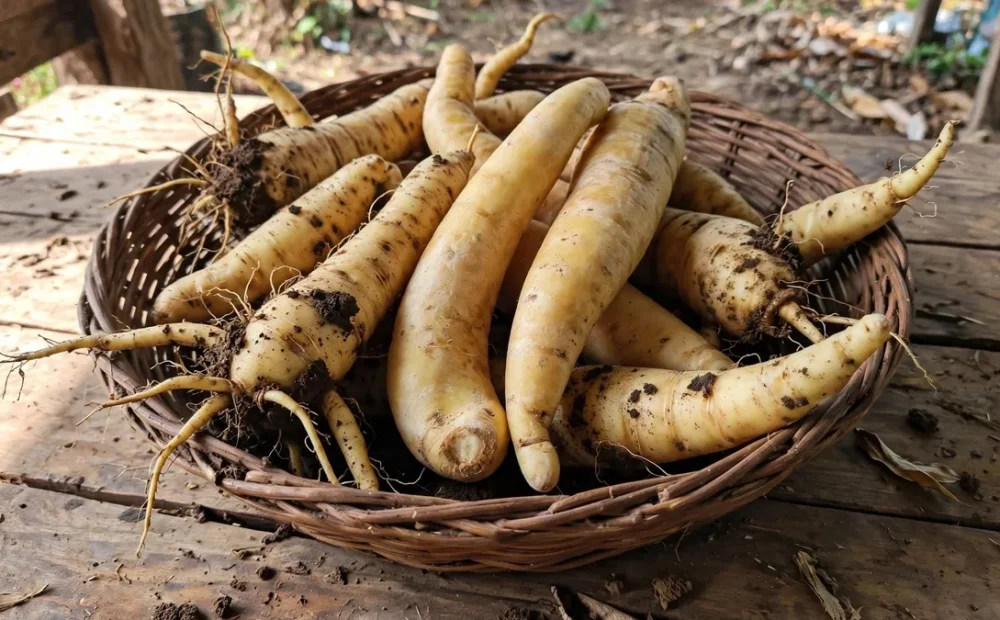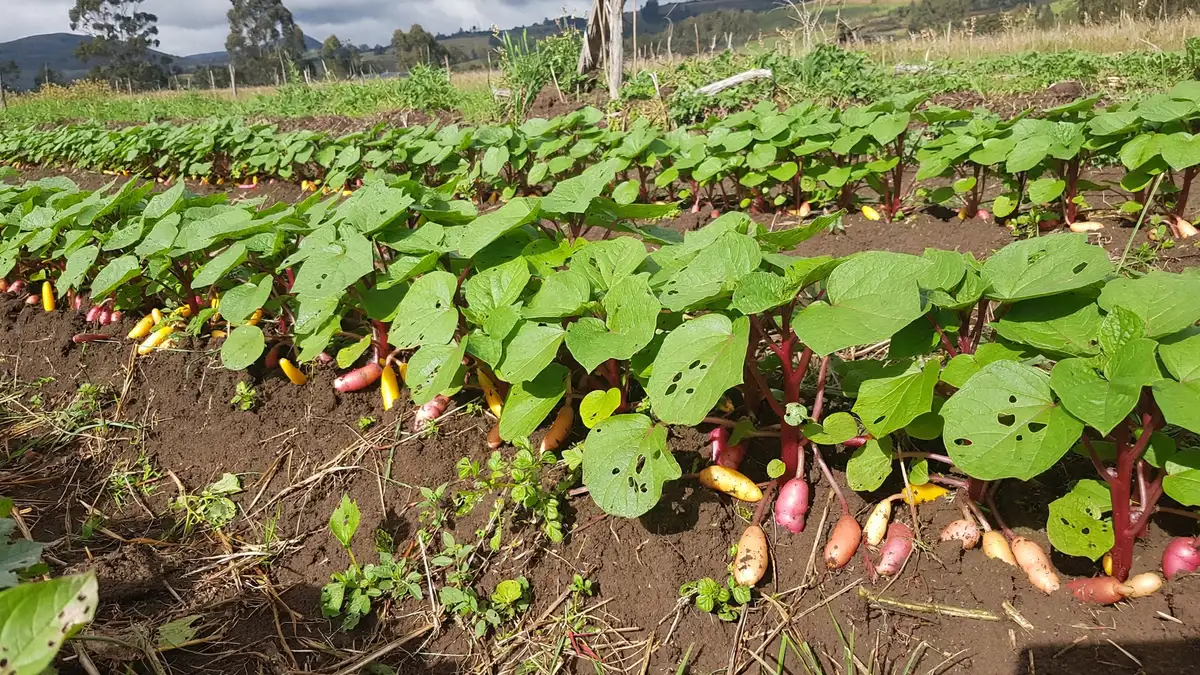
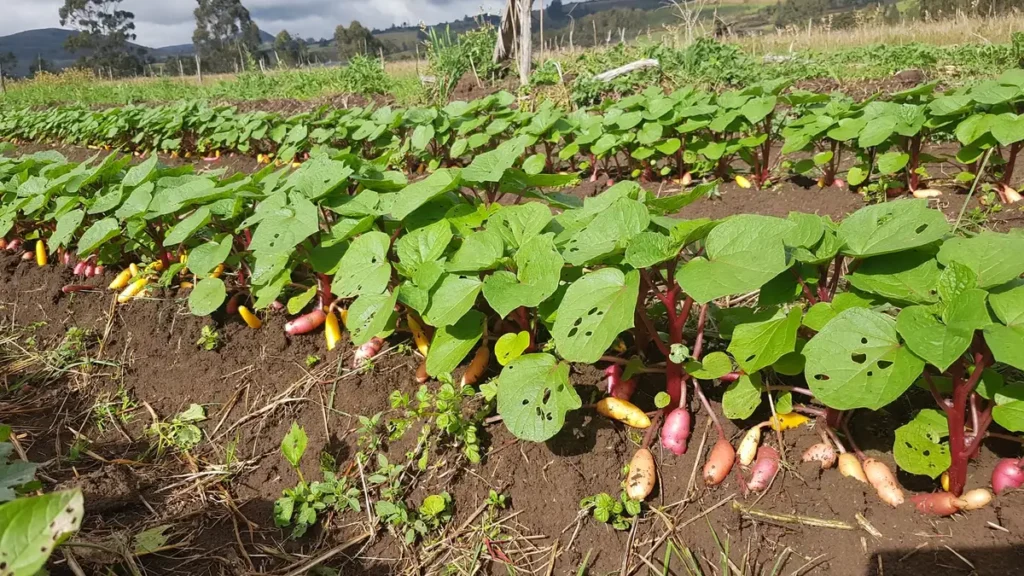
Ulluco is the tuber most travellers to the Andes never hear about, and that is exactly why a farm stay built around it feels different from a standard highland holiday. It grows at altitudes where potatoes feel at home, yet it is no potato. The tubers are small, waxy and brightly coloured, pink, red, yellow and purple, with a clean earthy flavour and a soft, almost slippery bite once cooked. In the villages of the high Andes it is a soup tuber, a stew tuber, a market-day staple that has been grown for centuries alongside oca and mashua.
A retreat centred on ulluco is therefore a slower kind of luxury. You stay in a stone or adobe guesthouse on a working farm, walk the terraces with the family who planted them, dig tubers with your hands, and eat what the land produced that week. There are no vineyards to tour and no spa menu to study. The pleasure is the altitude, the light, the cooking fire, and a crop that almost nobody outside the Andes has tasted.
The nine stays below were chosen for the quality of the farming, the comfort of the rooms, and the honesty of the food. Each one grows ulluco for real, serves it at the table, and lets guests take part in the harvest rather than just watching it.
Key takeaways
- Ulluco is a waxy Andean tuber, Ullucus tuberosus, grown at 3,000 to 4,000 metres and eaten boiled in soups and stews, never raw.
- It is not a potato. It belongs to a different plant family, tastes earthier, and turns soft and slightly slippery when cooked.
- The main harvest runs from April to June in the southern Andes, so trips outside those months see stored tubers rather than fresh digging.
- Altitude matters more than the room rate. Give yourself a day to acclimatise before any long terrace walk.
- Ulluco itself contains no gluten, but farm kitchens also bake bread and serve wheat soups, so guests who avoid gluten should warn the kitchen in writing before they arrive.
What an ulluco farm retreat actually is
An ulluco farm retreat is a working highland farm that takes a small number of guests, usually fewer than twelve at a time, and feeds them from its own fields. The farm grows ulluco in rotation with potatoes, oca and broad beans, and the stay is organised around that cycle. Mornings are for the fields, afternoons for cooking and resting, evenings for soup by the fire.
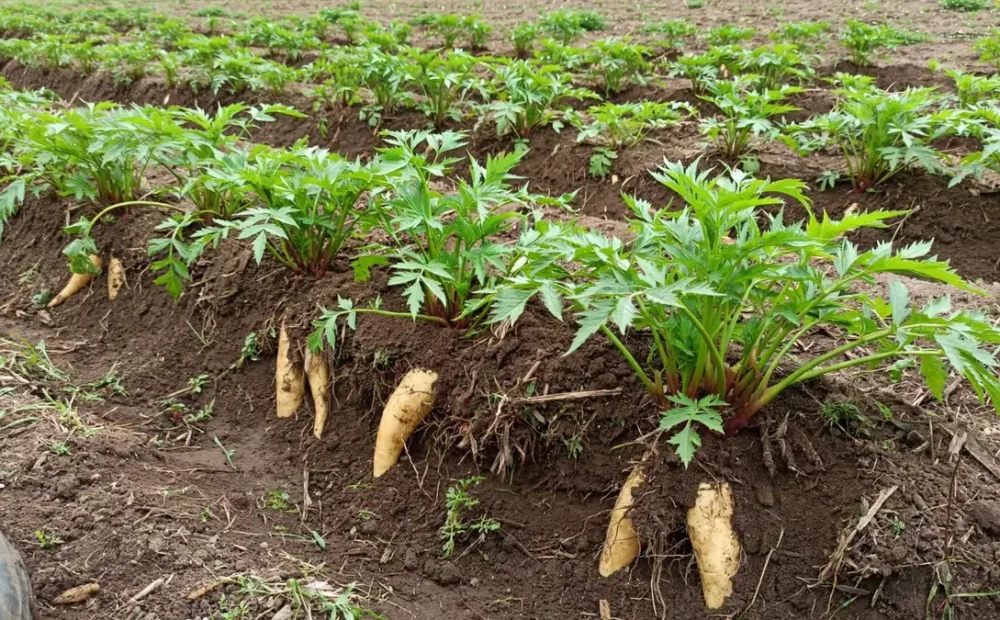
What sets these stays apart from a rural hotel is participation. You are not shown the farm from a viewing platform. You are handed a basket and a short-handled fork and shown which plants to lift, how to shake the soil off without bruising the tubers, and how to sort the harvest by colour.
The crop itself deserves a proper introduction. Ulluco tubers are small, usually the size of a walnut or a small plum, with a smooth, shiny skin. Cut one open and the flesh is firm and pale, sometimes streaked with pink or yellow. Cooked, it keeps its shape but turns tender and faintly slippery, which is why Andean cooks put it in broths and stews rather than mashing it.
How we picked these stays, and what to ask first
We looked for farms that grow ulluco as a real crop, not as a single demonstration row planted for visitors.

We also weighed the rooms, the altitude, and the food beyond the tuber. A good stay has a heated common room, a kitchen that can handle a gluten-free request without confusion, and a host who will tell you honestly when the harvest is over and the fresh digging has finished. Before booking, ask three things in writing: which weeks the harvest runs, how high the farm sits, and whether the kitchen can cook without wheat for your table. Our guide to cupuacu farm retreats uses the same three questions, because they work for any farm stay built around one crop.
The 9 best luxury ulluco farm retreats of 2027
Cusco — Terrace Rooms above the Sacred Valley
What we like: The farm sits on a restored terrace above the valley floor, with ulluco beds in three colours and a kitchen that cooks the harvest the same day it is dug. The rooms face the terraces, and the morning light on the fields is worth the early start.
What to consider: The last stretch of road is unpaved and rough after rain, and the farm has no vehicle of its own, so you need to arrange a driver from Cusco. Best for: First-time visitors to the Andes who want the classic valley setting with a working farm attached. Style: Stone and timber guesthouse, wood-fired kitchen, shared dining table. Price range: $120–$180 per night, including meals. Standout feature: A terrace walk at dawn that ends with the family digging the day’s tubers.
Arequipa — White Stone Farmhouse in the High Valley
What we like: A white volcanic-stone house with thick walls that hold the day’s warmth, a garden full of herbs, and ulluco beds that run down to a small stream. The host family has farmed this valley for three generations.
What to consider: The farm is a long drive from Arequipa city, and the altitude still demands a slow first day. Best for: Travellers who like a quiet, sunlit valley and a slower pace. Style: White stone farmhouse, shaded courtyard, open kitchen. Price range: $95–$145 per night, including breakfast and dinner. Standout feature: An outdoor clay oven where ulluco is roasted in its skin and served with herb salt.
Huancayo — Market Town Farm with a Big Kitchen
What we like: The largest kitchen of the nine, run by a cook who grew up selling ulluco at the Sunday market, with a pantry full of dried herbs and a dining room that seats the whole group together. The farm is close enough to Huancayo for an easy arrival.
What to consider: The town is nearby, so the setting feels less remote than the valley farms. Best for: Food-focused travellers who want to learn Andean cooking properly. Style: Adobe farmhouse, big communal kitchen, garden beds. Price range: $85–$130 per night, including meals. Standout feature: A cooking lesson that starts in the beds and ends with a full ulluco stew made by the guests.
Cajamarca — Green Hills Farm with Dairy and Tubers
What we like: Rolling green hills, a small dairy herd, and ulluco beds planted between pasture and woodland. The farm serves its own cheese with the tuber soup, and the combination is memorable.
What to consider: Cajamarca is wetter than the southern valleys, and the field paths get muddy in the rainy season. Best for: Travellers who like green, gentle hills rather than stark high desert. Style: Painted timber farmhouse, dairy barn, wide lawns. Price range: $90–$140 per night, including meals. Standout feature: Fresh cheese made on the farm and served warm with boiled ulluco.
Ayacucho — Quiet Valley Stay with a Weaver’s House
What we like: A small, quiet farm in a narrow valley, with a weaver’s workshop beside the guesthouse and ulluco beds on the slope behind it. The hosts are patient teachers and the pace is unhurried.
What to consider: The valley is remote and the mobile signal is unreliable, which some guests love and others do not. Best for: Travellers who want quiet, craft and a complete break from the city. Style: Adobe guesthouse, weaving room, terraced beds. Price range: $80–$125 per night, including meals. Standout feature: A weaving session in the afternoon, using wool dyed with plants from the farm.
Puno — Lake-Side Farm on the Altiplano
What we like: The highest farm of the nine, on the open altiplano near the lake, with wide skies, cold nights and a kitchen that knows how to make a warming soup. The ulluco here is grown at the edge of what the crop tolerates, and the tubers are small and intensely flavoured.
What to consider: The altitude is serious, above 3,800 metres, and guests must acclimatise in Puno town first. Best for: Experienced high-altitude travellers who want the stark altiplano. Style: Stone guesthouse, heated common room, lake views. Price range: $110–$170 per night, including meals. Standout feature: A sunrise walk across the altiplano to the beds, with the lake silver in the distance.
La Paz — Valley Farm below the City Heights
What we like: A farm in the valley below La Paz, reachable in under two hours, with terraced beds, a warm microclimate and a host who grows six colours of ulluco. The city is near enough for a day trip and distant enough to leave behind.
What to consider: The road down from the city is steep and winding, and the farm’s water supply is rain-fed, so showers are short in the dry season. Best for: Travellers short on time who still want a real farm stay. Style: Terraced valley farm, adobe rooms, open-air dining. Price range: $100–$155 per night, including meals. Standout feature: Six colours of ulluco served side by side so guests can taste the differences.
Cochabamba — Warm Valley Farm with a Big Garden
What we like: The warmest farm of the nine, in a broad valley with a big vegetable garden, fruit trees and ulluco beds that produce early. The climate is kind, the food is generous, and the farm feels lived-in rather than staged.
What to consider: The warmth means the harvest finishes earlier here, so late-season visitors see stored tubers. Best for: Travellers who dislike the cold and want a gentler highland climate. Style: Garden farmhouse, shaded veranda, outdoor kitchen. Price range: $85–$135 per night, including meals. Standout feature: A garden dinner cooked entirely from the farm, with ulluco in two dishes.
Quito — Highland Farm on the Equator Line
What we like: A farm on the high slopes near Quito, where ulluco is grown in the same fields as potatoes and broad beans, with views down to the city on clear mornings. The host is an agronomist who explains the rotation system properly.
What to consider: The equatorial sun is strong at this altitude, and the farm’s rooms are simple. Best for: Curious travellers who want to understand Andean farming, not just see it. Style: Simple highland farmhouse, demonstration beds, classroom-style kitchen talks. Price range: $105–$160 per night, including meals. Standout feature: A guided walk through the rotation fields, explaining why ulluco follows potato and precedes beans.
Which ulluco region fits your trip
The southern Peruvian valleys, Cusco and Arequipa, suit first-time visitors. The settings are the ones most travellers picture when they think of the Andes, the transfers are straightforward, and the farms are used to guests who have never dug a tuber.
The central highlands, Huancayo, Cajamarca and Ayacucho, suit travellers who have been to Peru before and want something quieter. The landscapes are greener, the towns are smaller, and the farms are less polished, which is their charm. These are the stays for a second trip, when you know how altitude feels and you want to spend your days in the kitchen and the fields rather than on the road.
The altiplano and Bolivia, Puno, La Paz and Cochabamba, plus Quito in Ecuador, suit the committed. Puno is the hardest and the most dramatic, La Paz the most practical, Cochabamba the warmest, and Quito the most educational. Our guide to buriti farm retreats makes the same point about matching the region to the traveller, and it holds here too.
The caveats that matter
Ulluco is a safe, long-eaten food when cooked, but it is not a raw snack. The tubers should always be boiled, steamed or roasted before eating, and the leaves are not eaten. Altitude is the bigger practical concern. Every farm on this list sits above 2,500 metres, and most are above 3,000. Build in a rest day in the nearest town before you go up to the farm.
| Detail | What is known |
|---|---|
| Botanical name | Ullucus tuberosus, in the Basellaceae family, not related to potato |
| Where it grows | High Andes, 3,000 to 4,000 metres, in Peru, Bolivia and Ecuador |
| Main harvest | April to June in the southern Andes, earlier in warmer valleys |
| How it is eaten | Boiled, steamed or roasted, in soups and stews, never raw |
| Flavour and texture | Earthy and mild, waxy and tender when cooked, slightly slippery |
| Altitude risk | All farms sit above 2,500 metres; acclimatise for a day first |
| Gluten note | Ulluco has no gluten, but farm kitchens also serve bread and wheat soups |
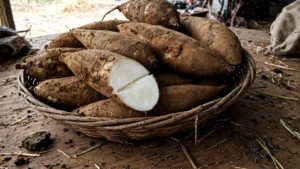
| What it is not | Not a potato, not a yam, and not eaten raw like a fruit |
Money is simple on these farms. Most take cards in the nearest town but not on the farm, so carry cash for tips and farm-shop purchases. The harvest season is short, so book the picking weeks early, and check in writing what the farm serves if you arrive after the harvest has finished.
Checklist: booking an ulluco farm stay honestly
Use these checks before you pay, and again a week before you travel.
- Confirm the harvest weeks in writing, and ask what the kitchen serves if you arrive after them.
- Check the farm’s altitude and plan a rest day in the nearest town before you go up.
- Tell the kitchen in writing about gluten, allergies and anything else you cannot eat.
- Ask how you get there, who drives, and what the road is like after rain.
- Ask what is included: meals, field walks, cooking lessons, and laundry are not always in the price.
- Carry cash for the farm, because card machines rarely work at altitude.
Frequently asked questions
When is the best time to visit an ulluco farm?
April to June is the main harvest in the southern Andes, when the digging is fresh and the kitchens are cooking the new crop. Warmer valleys such as Cochabamba harvest earlier, sometimes from March. Outside the harvest months you will eat stored tubers, which are still good, but you will not dig.
Can I eat ulluco raw?
No. Ulluco should always be cooked, boiled, steamed or roasted, before eating. Raw tubers are not part of Andean cooking, and the flavour and texture only make sense once they are cooked. The farms on this list cook it properly, so you do not need to worry about it at the table.
How is ulluco different from a potato?
The two crops come from separate plant families altogether. The potato is Solanum tuberosum, a nightshade; ulluco is Ullucus tuberosus, a member of the Basellaceae family. Ulluco tubers are smaller, shinier and more colourful, and when cooked they stay waxy and slightly slippery, where a potato turns floury or soft.
Do I need to be fit to stay on an ulluco farm?
You need to be comfortable walking on uneven ground at altitude, but you do not need to be an athlete. The field work is light, the walks are short, and every farm lets you sit out a session and watch instead. The altitude is the real challenge, not the exercise.
What should guests who avoid gluten ask the farm kitchen?
Ask in writing, before you book, whether the kitchen can cook your meals without wheat, and whether soups are thickened with flour. Ulluco itself has no gluten, but Andean farm kitchens bake bread daily and often thicken soups with wheat, so a clear written request is the only reliable way to be safe.
Can children join an ulluco farm stay?
Yes, older children usually love it, especially the digging, but the altitude and the cold nights make it hard for very young children. Most farms suggest children over eight, and ask parents to keep the first day slow. Check with the individual farm, because the altitude varies a lot between stays.
The bottom line
The best ulluco farm retreat in 2027 is the one that matches your altitude tolerance and your appetite for participation. Cusco and Arequipa are the easiest introductions, Huancayo and Cajamarca are the best for cooks, Puno is the most dramatic, and La Paz and Cochabamba are the most practical for a short trip.
Ulluco will not change your life, but it will change how you think about the Andes. It is a small, bright, stubbornly local crop, grown on terraces that have fed families for centuries, and eating it an hour after digging it is a pleasure that no city restaurant can copy. Our roundup of arazá farm retreats covers another little-known Amazon fruit the same way, if you want to keep exploring after the Andes.