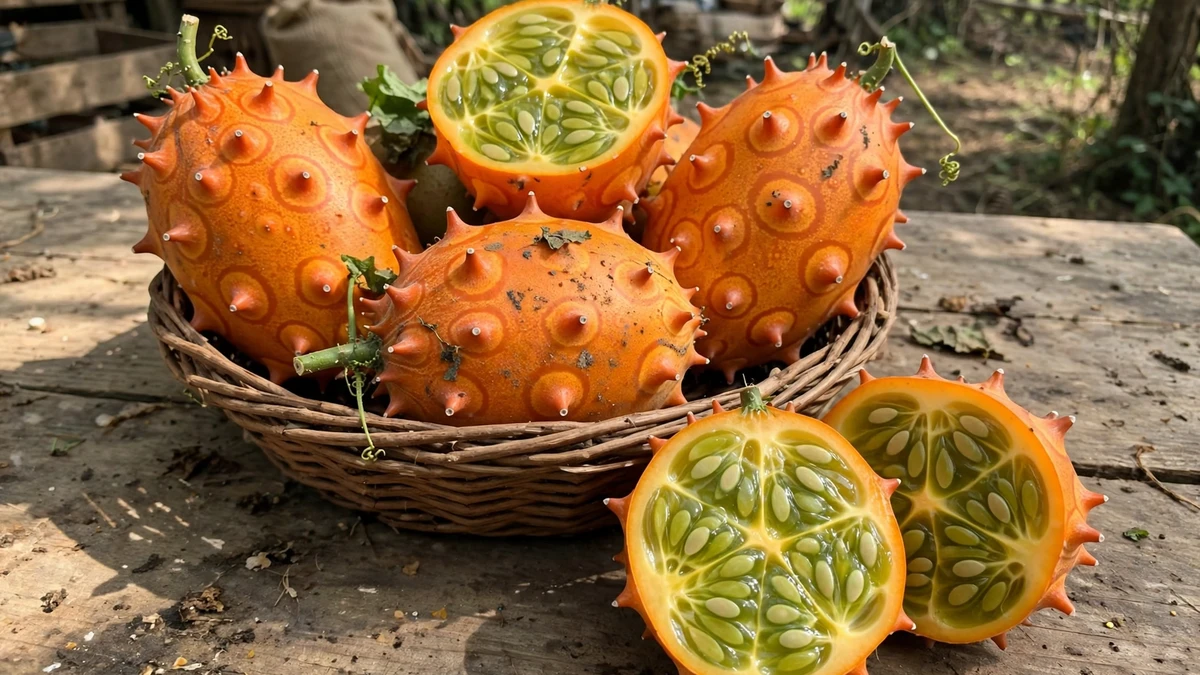

A kiwano farm escape is a short trip built around one moment: cutting open an orange, spiky fruit and scooping out the cool green jelly inside. It sounds simple, and it is, but the moment only happens if the timing is right. Kiwano ripens once, over a few warm weeks, and a stay booked a month too early gives you green fruit, closed rows and a long drive for nothing.
That is why this guide starts with the calendar, not the flight. The fruit decides the dates, the farm decides the picking, and everything else — the room, the road, the meals — follows from those two facts. Get them right and the rest of the trip is easy. Get them wrong and no amount of planning will fix it.
The nine steps below walk through the whole escape, from choosing a region to buying fruit for the journey home. Each step sets out the action, the pitfall, and the time it takes.
Key takeaways
- Book inside the ripening window, roughly late summer into autumn in the southern hemisphere, and let the farm confirm the dates.
- Pick a region first: southern Africa for the wild origin, New Zealand for the history, Australia for a long warm season.
- Confirm that picking is open to guests on your dates, and ask whether gloves and baskets are provided.
- Settle gluten-free meals and allergies in your first message to the farm, not at the table.
- Kiwano is in the cucumber family, so anyone with a melon or cucumber allergy should check with a clinician before eating a lot of it.
What a kiwano farm escape involves
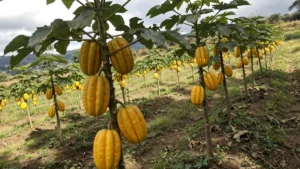
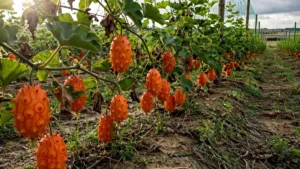
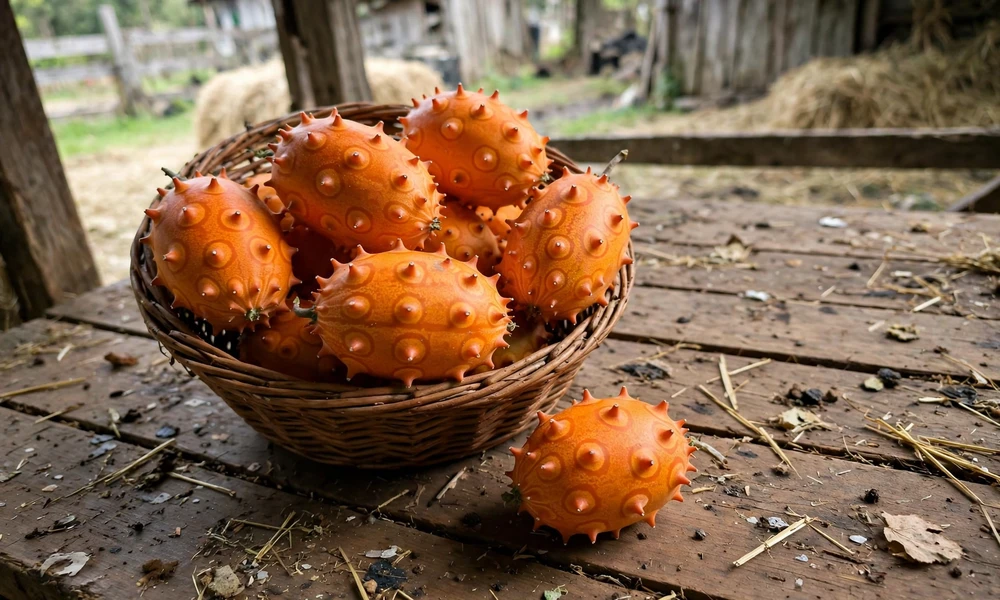
A kiwano farm escape is a stay of three or four nights on a working farm, with the vine rows at the centre of the trip. Mornings are for picking, when the fruit is cool and the light is soft. The farm hands out baskets and gloves, the group walks the rows with a guide, and the fruit is tested for ripeness before it is cut: deep orange skin, a slight give, and spikes that bend. Afternoons are slower, with a swim, a walk, or a rest in the shade, and evenings are for long dinners cooked from the farm’s own produce.
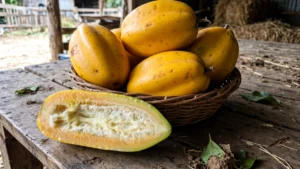
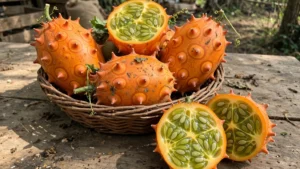
The fruit itself is the point of the trip, not a side activity. Kiwano is Cucumis metuliferus, a horned melon from southern Africa, and the farms on this list grow it in real rows, not as a curiosity. Guests learn how the vine grows, how the fruit ripens, and how to eat it properly, cut in half and scooped with a spoon. Some farms press it into juice or turn it into sorbet, but the fresh fruit, eaten minutes after picking, is the taste that stays with you.
The escape suits travellers who like slow mornings and open air, and who are happy to trade a hotel lobby for a farmhouse veranda. It does not suit anyone looking for nightlife, shopping, or a packed itinerary, because the farm is the itinerary, and the best days are the ones with the least in them.
How to plan it, and what to check first
Start with the ripening window. Write to two or three farms in your chosen region and ask when the fruit turns orange and whether picking is open to guests on your dates. The farm’s answer is worth more than any guide, because the exact weeks move with the weather, the valley and the farm. Clear answers usually mean a well-run farm.
Then check the practical things: how far the farm is from the nearest town, whether a car is needed, and what the kitchen does about gluten-free meals. These three answers shape the trip more than the room does, so get them before you book anything. If you want to compare the shape of the trip with another farm escape, our yacon farm escape guide follows the same pattern in the Andes, with tubers dug in the morning instead of fruit picked from a vine.
The 9 steps to plan a kiwano farm escape
1. Choose a region before you choose your dates
What to do: Choose southern Africa for the wild origin, New Zealand for the history, or Australia for a long warm season, then look for farms inside that region. What to avoid: Choosing dates first and hoping a farm fits them. Best For: Anyone planning more than a month ahead. Time Needed: One evening of reading. Standout Tip: The region decides the season, so choose it first.
The region is the biggest decision of the trip, because it sets the ripening window, the flight and the landscape. Southern Africa gives you the Kalahari edge and the Highveld, New Zealand gives you coastal orchards and the story of the name, and Australia gives you warm hills and a season that stretches for months.
2. Book the weeks when the fruit turns orange
What to do: Ask the farm which weeks the fruit turns orange, then choose dates inside that window. What to avoid: Buying flights before the farm confirms its ripening weeks. Best For: Anyone who wants the picking, not just the farm. Time Needed: One afternoon of messages. Standout Tip: If the fruit is not orange, the trip is not ready.
The ripening window is the whole point of the trip, so it comes first. Kiwano turns orange once, over a few warm weeks, and the exact dates move with the weather, which is why the farm’s own word matters more than any calendar.
3. Make sure the picking morning welcomes guests
What to do: Ask whether guests can pick on your dates, what time the picking starts, and whether gloves and baskets are provided. What to avoid: Assuming that a farm stay includes picking. Best For: Travellers who want to hold the fruit themselves. Time Needed: One message to the farm. Standout Tip: Ask for the picking time in writing, so the morning is not a guess.
Not every farm lets guests into the rows, and some only open picking on certain mornings. A clear answer before you book saves a disappointing morning, and a farm that welcomes pickers is usually a farm that enjoys its guests.
4. Wake up looking at the vines
What to do: Ask for a room that looks out on the vines, so the fruit is the first thing you see in the morning. What to avoid: Picking the cheapest room without checking where it sits. Best For: Travellers who want the farm in view. Time Needed: A single line added to your booking message. Standout Tip: A vine view is worth more than a bigger room.
The room shapes the stay more than most travellers expect. A room by the rows means orange fruit outside the window and a short walk to the picking, while a room by the road means traffic at dawn and a longer walk to the vines.
5. Ask about gluten-free meals before you book the room
What to do: Tell the farm in your first message whether anyone in your party avoids gluten, and ask what the kitchen can cook. What to avoid: Raising it at the table on the first night. Best For: Anyone who cannot eat gluten. Time Needed: One message. Standout Tip: A farm that plans ahead cooks better than a farm that improvises.
Farm kitchens work with what the farm grows, which is usually good news, though bread, sauces and puddings are not always free of gluten. A farm that knows in advance can plan properly, and a farm told at the table can only apologise.
6. Eat the fruit three ways: fresh, juiced and as a dessert
What to do: Eat the fruit fresh with a spoon, then try it as juice and over ice cream, so you learn the full range. What to avoid: Judging it from one green, under-ripe fruit. Best For: Travellers who want the whole taste. Time Needed: One tasting session. Standout Tip: Fresh is the test; the rest is a bonus.
Kiwano changes with how it is served. Fresh, it is cool and lightly tart, with a flavour between banana, lime and cucumber. As juice it is brighter, and over ice cream it is a dessert, but the fresh fruit, eaten minutes after picking, is the taste that tells you whether you like it.
7. Know how to spot a ripe fruit before you pick
What to do: Ask the guide to show you the test: deep orange skin, a slight give when pressed, and spikes that bend rather than snap. What to avoid: Picking green fruit because it looks ready. Best For: First-time pickers who want a quick lesson. Time Needed: Ten minutes with the guide. Standout Tip: The colour is the test, not the size.
Green kiwano is sour and not worth picking, however big it looks, and the test is easy once someone shows you. Deep orange, a slight give, and spikes that bend: those three signs are all you need, and they are worth learning before you touch a vine.
8. Follow a local guide through the vine rows
What to do: Join the guided walk in the morning, and let the guide choose the rows and set the pace. What to avoid: Wandering the rows alone in the midday heat. Best For: Travellers who want the stories, not just the fruit. Time Needed: One morning. Standout Tip: The guide knows which vines are ready and which are not.
A local guide turns a walk into a lesson. They know the vines by name, the seasons by heart, and the birds by call, and they can point to the fruit that is ready while you are still looking at the leaves.
9. Take fruit and jam home from the farm shop
What to do: Buy a few ripe fruit and a jar of kiwano jam from the farm shop on your last morning. What to avoid: Buying green fruit that will never ripen at home. Best For: Travellers who want the taste to last. Time Needed: Half an hour in the shop. Standout Tip: Jam travels better than fresh fruit, and keeps the flavour for months.
Fresh kiwano does not travel well, because the jelly dulls after a day or two, so the jam is the souvenir that works. A jar from the farm shop keeps the flavour for months.
Picking the right season and region
The southern hemisphere sets the season. In South Africa, Zimbabwe and Kenya, the fruit ripens in the warm months, roughly late summer into autumn, and the picking window is a few weeks long. In New Zealand and Australia, the season runs a little later and a little longer, with Brisbane offering the longest window of all. Check with the farm, because a hot summer brings the fruit early and a cool one holds it back.
Region is a matter of taste as much as timing. Southern Africa gives you the origin story and the biggest landscapes, New Zealand gives you the history and the mildest weather, and Australia gives you warmth and a long season. If you can only make one trip, choose the region whose season fits your dates, then choose the farm inside it. Book the wrong month and you will see green fruit and closed rows, however comfortable the rooms are. Our oca farm escape guide works the same way, with the harvest deciding the dates, not the calendar.
The caveats that matter
Kiwano is easy to enjoy, but a few details are worth knowing before the picking morning. The spikes look fierce and are only blunt, yet they can still graze bare skin, so gloves belong on your hands before you reach for a fruit. The jelly tastes best the day it is picked, because a night or two in the fridge takes the edge off its cool brightness. And because kiwano belongs to the cucumber family, anyone with a melon or cucumber allergy should ask a clinician before eating much of it.
| Detail | What is known |
|---|---|
| When the fruit is ready | Late summer into autumn across the southern hemisphere, once the skin is deep orange |
| Checking for ripeness | Full orange colour, a gentle give under the thumb, and spikes that flex instead of snapping |
| Eating it | Halve it and lift the jelly out with a spoon; the seeds are soft enough to eat |
| Flavour | Cool and lightly tart, like banana, lime and cucumber together |
| Allergy caution | Melon or cucumber allergy means checking with a clinician before a big serving |
| Hands and picking | Gloves help, since blunt spikes can still scratch skin on a long morning |
| Keeping it | Eat it the day it is picked; after a day or two chilled, the jelly loses its brightness |
| Limits | Green fruit is sour and not worth picking, and the fruit does not keep well |
The kitchen needs the same early attention as the picking. Farm cooks work with what the farm grows, which is usually good news, but bread, sauces and puddings are not always free of gluten. Mention it in your first message and ask what the kitchen can prepare, rather than leaving it to chance at dinner.
Checklist: before you book a kiwano farm escape
Use these checks before you book, and again the week before you travel.
- Ask the farm for its ripening weeks, and only book dates that fall inside them.
- Make sure guests are welcome in the rows, and ask if gloves and baskets are supplied.
- Find out the distance to the nearest town, and whether you will need your own car.
- Mention gluten-free meals and allergies in your first message, well before arrival.
- Request a room beside the vine rows for the view, or further away for quiet nights.
- Pack sun cream and a light jacket, since farm mornings are cool and middays are fierce.
Frequently asked questions
How many nights does a kiwano escape need?
Three or four nights covers the picking, the tasting and the farm shop for most travellers. The first day is for arriving and settling in, the second and third are for picking and tasting, and the last morning is for the farm shop. A week is too long unless you are pairing the farm with a wider trip.
Is a car needed to reach a kiwano farm?
Usually yes. Most kiwano farms sit outside the nearest town, and public transport is thin in farming country. Ask the farm whether transfers are offered, and whether a car is needed once you are there, because some farms run their own shuttles.
Can children come on the picking morning?
Yes, if they are old enough to wear gloves and follow the guide. The spikes are blunt but can scratch, so small children should pick with an adult beside them. Most farms welcome families, and children often love the fruit, because it looks like a treasure and tastes like a sweet.
What should I pack for a kiwano farm?
Sun protection, a light jacket for cool mornings, closed shoes for the rows, and a hat. Gloves and baskets are usually provided by the farm, but ask before you travel, and bring a small bag for the fruit you buy to take home.
How is kiwano different from cucumber?
They are relatives, not twins. Kiwano is Cucumis metuliferus, cucumber is Cucumis sativus, and the two fruits could hardly look more different: one is orange, spiky and full of jelly, the other is green, smooth and crisp. The flavour is different too, with kiwano tasting of banana and lime where cucumber tastes of water and green leaves.
Can I buy kiwano products to take home?
Yes. Most farms sell ripe fruit, jam and juice in the farm shop, and the jam is the best souvenir, because it keeps for months while fresh fruit dulls in a day or two. If you want another farm product to compare, our mashua farm escape guide ends with the same advice for Andean tubers, with dried mashua to take home instead of jam.
The bottom line
A kiwano farm escape is a simple trip done well: pick your region, book inside the ripening window, settle the kitchen questions early, and let the farm set the pace. The fruit does the rest, orange and spiky on the outside, cool and green on the inside.
Three or four nights is enough, a guided morning is worth more than a free afternoon, and a jar of jam from the farm shop will keep the flavour long after the trip is over. Book the fruit first, and the holiday will follow.