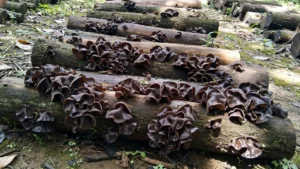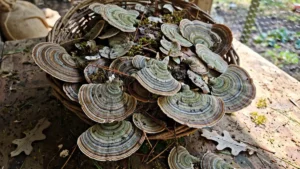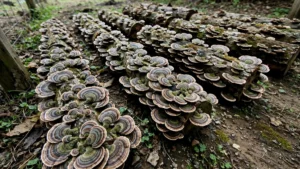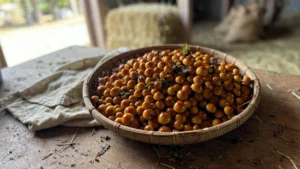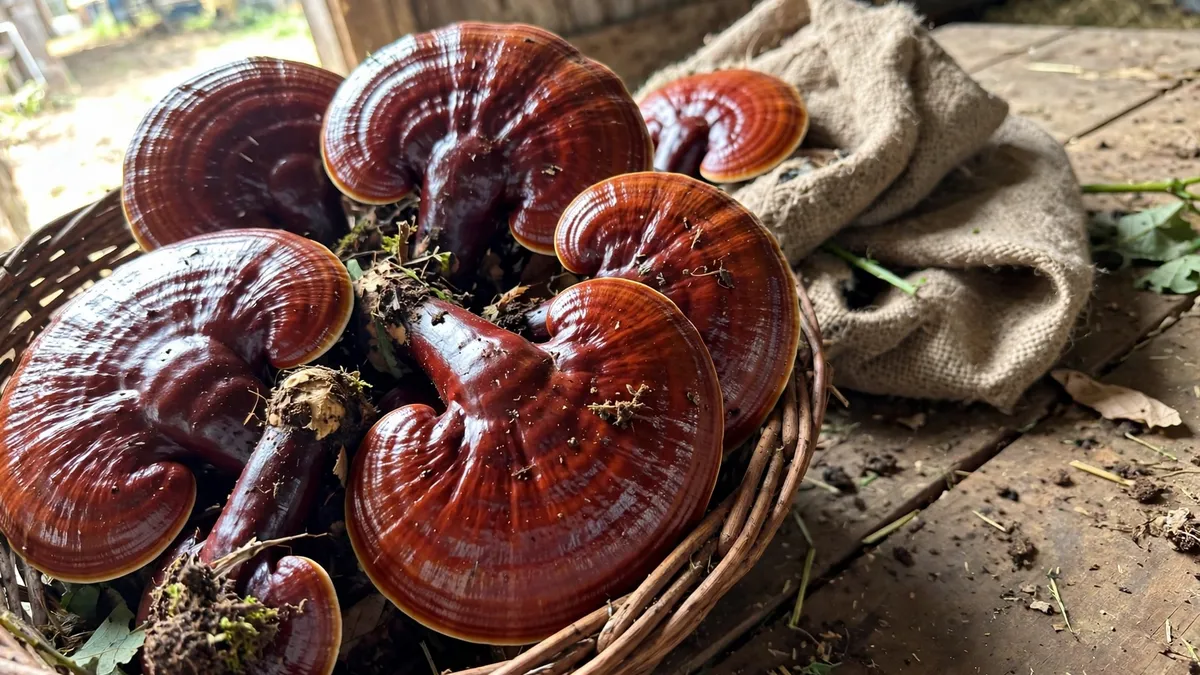
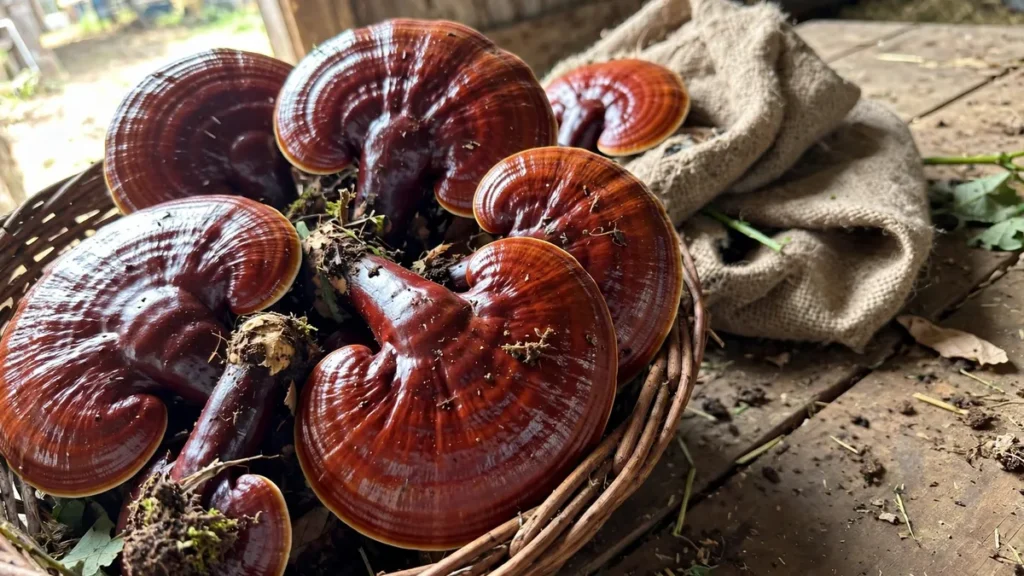
A reishi farm escape is not a food trip. Nobody goes to eat the mushroom, because reishi is woody, cork-like and fiercely bitter. People go to walk a log yard in damp shade, watch glossy red-brown fans colour week by week, and drink a dark tea simmered from caps cut the same season. It is a slow trip, and that slowness is the point.
The farms are small, usually fewer than eight rooms, and the days follow the logs. Mornings are for the yard, afternoons for the drying shed and the clay pot, evenings for a small cup of tea and an early night. There is no rush, no queue and no show, just a grower, a kettle and a forest of hardwood.
This guide walks through the nine steps that make a reishi escape work in 2027, from learning what the mushroom looks like to brewing the dried slices you carry home. Follow them in order, and the trip will feel calm instead of confused.
Key takeaways
- Reishi is Ganoderma lucidum, known as lingzhi, a hard glossy fan that grows on hardwood logs and is dried for tea, never eaten fresh.
- Plan around the colouring season, because a cap is ready only when its pale rim has turned fully red-brown.
- Pick a farm that grows on logs you can walk past, dries the harvest on site, and brews tea from the current season.
- Two nights fits the trip, since the drying and the tasting seldom share a day.
- The mushroom holds no gluten itself, yet farm kitchens also dish up noodles, bread and sauces, so check on gluten before you book.
What a reishi farm escape actually is
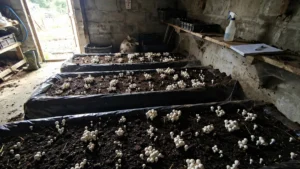
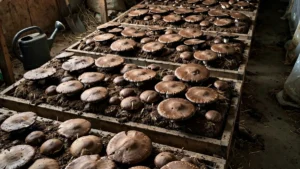
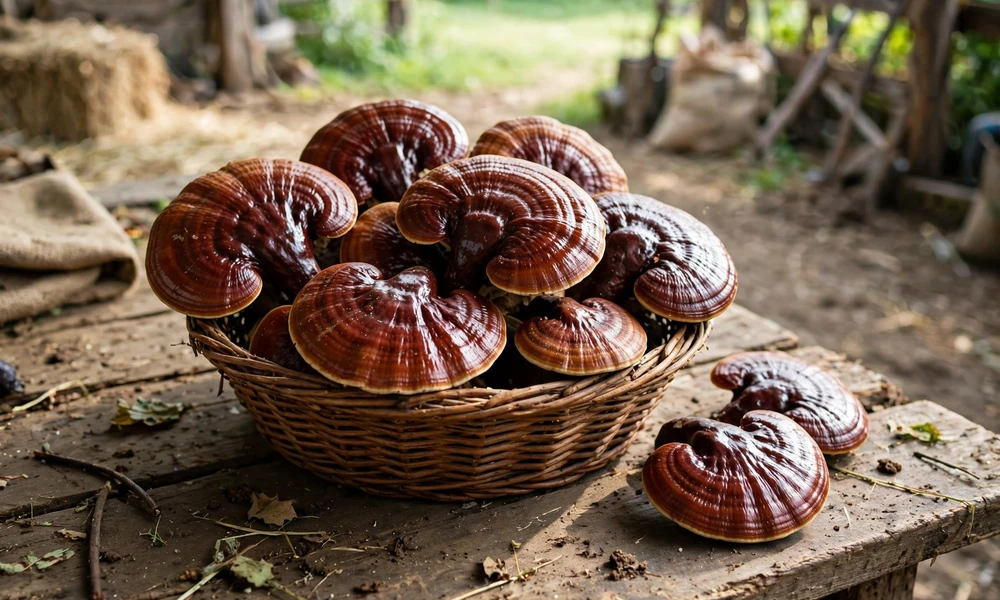
A reishi farm escape is a short stay on a farm that grows Ganoderma lucidum on hardwood logs. The logs lie in shaded rows, in a damp yard or a cool indoor room, and each one carries several glossy fans at different stages of colour. Guests walk the yard with the grower, learn to read the pale rim that shows a cap is still growing, and watch a ripe cap being cut, dried and sliced.
What makes it different from other mushroom trips is the pace and the product. Shiitake and oyster mushrooms fruit in days and end up in a pan the same evening. Reishi takes weeks to colour, months to dry properly, and ends up in a clay pot as tea. The visit is about watching, drying and brewing, not about a meal, and the farms are set up for that rhythm, with a tea room beside the drying shed.
The best escapes are short and simple: two nights, one farm, one log yard, one kettle. You arrive, walk the yard, learn the harvest, sit through a tea session, and leave with a bag of dried slices.
The spores are part of the story too. When a cap ripens, it sheds a fine brown dust that coats the log below, and growers read that dust like a signal. A heavy dusting means the cap is finished growing, and the harvest can begin. Visitors often notice the dust first, on their shoes and on the rims of the logs, before they notice the caps themselves. Some growers brush the dust onto a dark cloth to show visitors how much a single cap can shed in a day. Our guide to planning a lion’s mane farm escape follows a faster rhythm, because that mushroom fruits in days, while a reishi escape asks you to slow down and watch.
How to plan your reishi escape in nine steps
Planning a reishi escape is mostly about timing. The caps colour over weeks, the drying takes days, and the tea session needs a grower who has time to sit with you. Book the farm first, then build the journey around the weeks the grower names, not around a flight sale.
The nine steps below run in the order you should do them. Each one has something to do, something to avoid, a note on who it suits, the time it takes, and one tip that saves trouble later. Work through them slowly, and the trip will take shape without fuss. Our king oyster farm escape guide uses the same order, and it is the one that keeps a mushroom trip from turning into a rushed hotel stay.
The 9 steps to a reishi farm escape
Step 1: Learn what a ripe reishi cap looks like
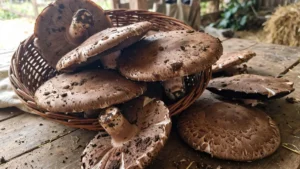
What to do: Study photos of Ganoderma lucidum before you travel, so you can tell a ripe cap from a young one. A ripe cap is glossy, deep red-brown, and has no pale rim left, while a young cap still shows a cream-white edge. What to avoid: Do not assume every red-brown fan is ready, since a cap with a wide pale rim needs more weeks on the log. Best For: First-time visitors who have never seen reishi grow. Time Needed: A single quiet evening spent reading before you book. Standout Tip: The white pore surface underneath should look clean and fresh, not brown or dusty.
Step 2: Pick the colouring season, not just a free weekend
What to do: Ask the farm which weeks the caps are colouring, and choose your dates around that answer. Autumn is strongest outdoors, from September into November, while indoor rooms fruit all year. What to avoid: Do not book a random weekend and hope the yard is at its best, since a log yard in midsummer can look quiet and green. Best For: Visitors whose dates can shift. Time Needed: One message to the farm, then a day to decide. Standout Tip: A farm that answers with exact weeks, not vague seasons, is a farm that watches its logs.
Step 3: Choose a stay whose log yard welcomes guests
What to do: Pick a stay where the log yard is on the farm and open to guests, so you can walk the rows with the grower. What to avoid: Do not book a hotel that serves reishi tea but keeps no logs, since you will see a teapot and nothing else. Best For: Anyone who wants to understand the growing, not just taste the tea. Time Needed: An hour of comparing farms online. Standout Tip: Ask how many logs the farm keeps, since a yard of twenty logs is a hobby and a yard of two hundred is a crop.
Step 4: Set the price and the tea session in writing
What to do: Get the nightly price, the tea session and what is included confirmed in a message before you pay anything. What to avoid: Do not pay a deposit on a phone call with no written record, since a tea session that was promised can quietly disappear. Best For: Careful bookers who dislike surprises. Time Needed: Half an hour of messages. Standout Tip: Ask whether the tea session is private or shared, since a shared pot means a shorter tasting.
Step 5: Give the trip two nights, not one
What to do: Book two nights, so the log yard walk, the drying shed and the tea session each get their own morning. What to avoid: Do not try to fit the whole escape into one night, since a slow harvest and a long simmer rarely line up in a single day. Best For: Travellers who want the full rhythm of the farm. Time Needed: One extra night on the booking. Standout Tip: The second morning is usually the best walk, because you already know what to look for.
Step 6: Fix the travel plans before the rural buses fill up
What to do: Book trains and the last stretch of road as soon as the farm confirms your dates, since rural buses run rarely. What to avoid: Do not leave the final leg to arrival day, since a missed bus can cost you the whole first afternoon. Best For: Travellers using trains and local buses. Time Needed: An evening of timetables. Standout Tip: Ask the farm which bus stop to use, since the nearest one is not always the one on the map.
Step 7: Bring warm layers and sturdy shoes for the yard
What to do: Pack a warm layer for the cool grow room, closed shoes for muddy log yards, and a bag for dried slices. What to avoid: Do not wear sandals or thin shoes, since the yard is damp and the paths are uneven. Best For: Walkers and anyone who chills easily. Time Needed: Twenty minutes of packing. Standout Tip: A small cloth bag keeps dried slices safe, and a paper bag keeps them dry on the way home.
Step 8: Watch a harvest, then try the tea the farm brews
What to do: Join the morning harvest, watch the grower cut a ripe cap, and sit through the tea session the same day. What to avoid: Do not cut a cap yourself without the grower beside you, since a young cap cut early is a wasted season. Best For: Curious travellers who like hands-on mornings. Time Needed: A morning in the yard and an hour at the pot. Standout Tip: Sip the first cup slowly, since reishi tea is bitter and strong, and a small cup is enough.
Step 9: Carry dried slices home and brew them properly
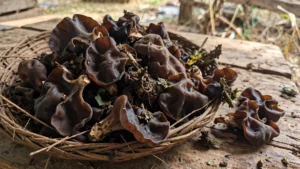
What to do: Buy dried slices from the farm shop, keep them in a dry jar, and simmer a few slices in water for at least half an hour at home. What to avoid: Do not steep reishi like a tea bag for two minutes, since a short steep pulls out almost nothing. Best For: Home brewers who want the trip to last. Time Needed: Ten minutes in the farm shop, then half an hour per pot at home. Standout Tip: A little honey or jujube softens the bitterness without hiding the flavour.
When to go and where to start
Autumn is the best season for a reishi escape, roughly September to November, when the outdoor log yards are cool and the caps are colouring fast. Spring is quieter, with fewer visitors and a slower yard, and it suits travellers who prefer an empty farm. Indoor grow rooms fruit all year, so a winter trip can still work if the farm grows inside.
For a first escape, start in Japan. Kyoto and Osaka are easy to reach, the farms are close to good trains, and the tea culture is familiar. If you want mountains, try Seoul or Taipei. If you want tea houses and lakes, try Hangzhou.
If you travel in winter, pick a farm with indoor rooms, since the outdoor yards go quiet and the caps stop colouring in the cold. A winter trip can still be lovely: the drying shed is warm, the tea is hot, and the farm is empty. Just ask the grower whether the indoor logs are fruiting before you book, so you do not arrive to bare shelves. Bring a book for the quiet hours, since the farmhouse settles early and the kettle is the loudest thing in the room after dark. Our guide to planning a maitake farm escape starts in the same places, because the same regions grow the best log mushrooms.
The caveats that matter
Reishi tea is strong and bitter, and it does not suit every guest. Never eat a wild mushroom you have not had checked by an expert, and never chew reishi fresh, since it is woody and tough on the stomach. Farm-grown caps are fine in tea once dried and simmered, but begin with a small cup. If you are pregnant, take blood thinners or blood pressure medicine, speak to a doctor before drinking reishi tea, and warn the farm ahead of booking. If a mushroom allergy affects you, mention it before you arrive, since the drying shed holds spores and dust.
| Detail | What is known |
|---|---|
| What it is | Ganoderma lucidum, or lingzhi, a varnished red-brown fan fungus, hard as cork, with pores underneath instead of gills |
| Where it grows | On dead hardwood, mostly oak, maple and plum, in shaded yards or in cool indoor rooms |
| Can it be eaten fresh | No, fresh reishi is woody and bitter, so it is dried and simmered before anyone drinks it |
| Best-known uses | Tea simmered slowly in a clay pot, broth with herbs, dried slices to take home, powder for the kitchen |
| Who should ask first | Pregnant guests, anyone on blood thinners or blood pressure medicine, and anyone allergic to mushrooms |
| What to pack | Warm layers for the chilly yard, sturdy closed shoes for wet ground, a cloth bag for dried slices |
| How far ahead to book | Four to six weeks ahead for autumn weekends, a fortnight outside the busy season |
| What it is not | Not shiitake, not maitake, not turkey tail, even though they share the log yard |
One more practical note: small farms fill fast in autumn, and the tea session needs the grower’s time. If your dates cannot move, book early and ask which weeks the caps are colouring, not just which weeks rooms are free.
Checklist: before you book a reishi farm escape
Use these checks before you book, and again the week before you travel.
- Make sure the farm grows reishi on its own hardwood logs, and that guests may walk the yard.
- Make sure the tea room pours the current season’s harvest, not jars from last year.
- Ask which weeks the caps are colouring, and only then fix your dates.
- Ask about gluten and allergies, and what the kitchen serves with the tea.
- Pack warm layers for the yard, sturdy shoes for wet ground, and a cloth bag for slices.
- Stay two nights, so the drying shed and the tea tasting both fit the trip.
Frequently asked questions
Do I need mushroom experience to visit a reishi farm?
No. The grower walks the yard with you and talks through every cap, and the tea session is guided. All you need is comfortable shoes and curiosity about how the mushroom grows.
Is the reishi tea I drink safe?
Yes, when the farm brews it from its own dried caps and simmers it properly. Begin with a small cup, since the tea is bitter and strong. If you are pregnant or take blood thinners or blood pressure medicine, ask a doctor first.
What sets reishi apart from shiitake?
Shiitake carries a brown cap, a stem and gills, and it is cooked as food with a deep savoury taste. Reishi carries no stem or gills, grows as a hard glossy fan, and is dried and simmered into bitter tea instead of being eaten.
When is the best month for a reishi farm escape?
Autumn, from September into November, when the outdoor yards are cool and the caps colour quickly. A few farms grow indoors all year, so ask the farm which weeks run strongest before you book.
Can children join a reishi farm escape?
Most farms welcome children, provided they can walk the log yard quietly and keep away from the drying equipment. The tea tastes very bitter, so children usually manage a small sip, and the walk among the logs is the part they like best.
Does reishi contain gluten?
The mushroom itself holds no gluten. The risk sits in the kitchen: noodles, bread, dumplings and sauces may hold gluten, so ask the farm what it can serve a gluten-free guest before you book.
The bottom line
The finest reishi escape in 2027 is not the grandest or the priciest. It is the one where the mushroom grows on logs you can see, dries in the farm’s own shed and reaches the pot the same week, with a tidy room and a brief stroll between the two. Kyoto is the simplest start for a first trip. Hangzhou is the prettiest for tea lovers. The Bukhansan lodge rewards walkers most.
Pick a single farm, stay two nights, bring a warm layer, and judge the escape by the morning among the logs and the evening over the pot. That is the true way to meet a mushroom that looks like varnished wood, without letting the trip become a hotel stay with a tea bag on the tray.