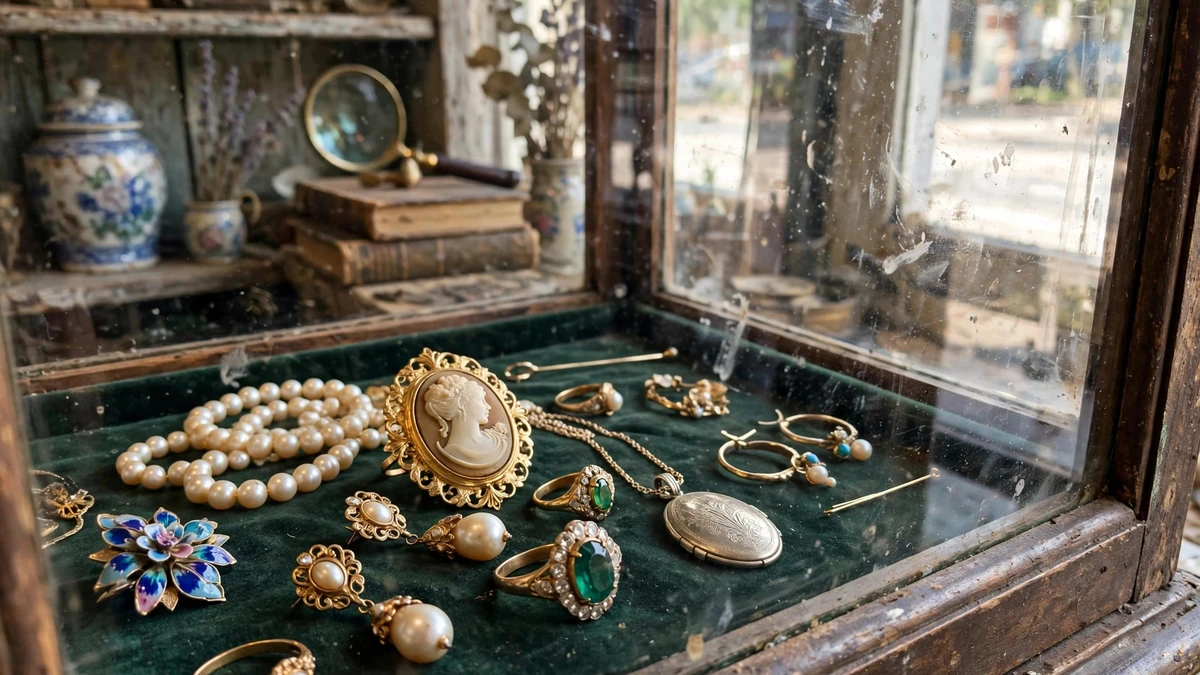
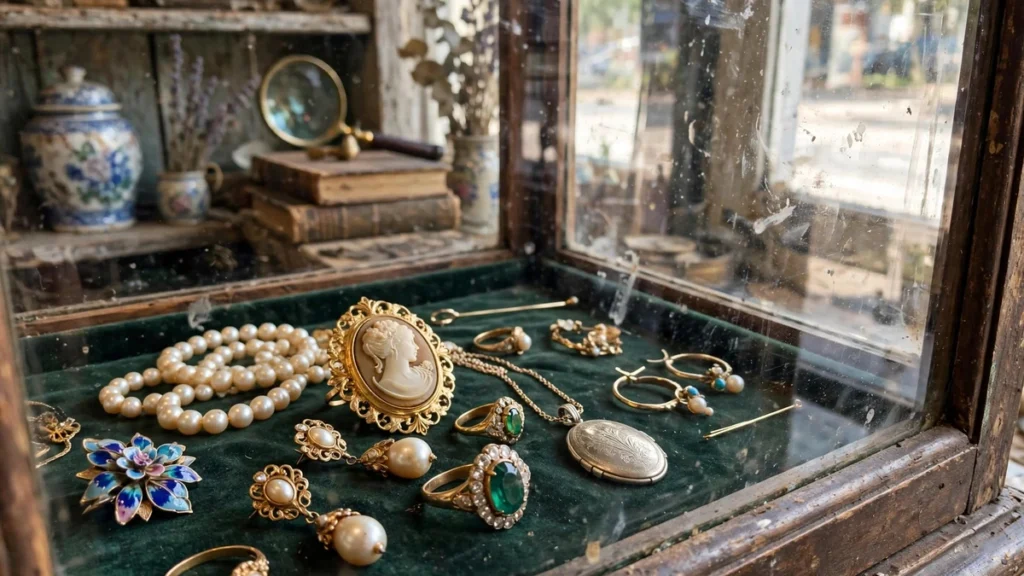
Vintage jewellery is the most rewarding kind of shopping and the easiest to get wrong. A good vintage piece carries a history no new piece can match, it is often better made than its modern equivalent, and it can cost a fraction of what a similar new piece would. A bad vintage buy, on the other hand, can be a fake, a repair that was never disclosed, or a piece that falls apart the first time you wear it.
The difference between those two outcomes is rarely luck. It is knowledge, and it is the kind of knowledge anyone can learn. Vintage jewellery shopping is not about having an expert eye from birth. It is about knowing the eras, reading the hallmarks, checking the condition properly, and buying from people who stand behind what they sell.
Below are nine facts and tips that cover how to shop for vintage jewellery in 2027, from recognising the eras to spotting a fake and caring for a piece once it is yours. Each one explains what matters, what to watch for, and who it suits best, so you can buy with confidence instead of hope.
Key takeaways
- Vintage jewellery is usually defined as pieces from 20 to 100 years old, while anything older is generally called antique.
- The era, the hallmarks, and the condition decide the value far more than the brand name alone.
- Always buy the seller first: a reputable dealer who offers returns and a written description is worth more than a bargain from an unknown source.
- Condition is everything. A beautiful piece with a cracked stone, a worn clasp, or a poor repair is a problem, not a bargain.
- No vintage piece is a guaranteed investment, and the best reason to buy one is that you love wearing it.
What vintage jewellery shopping actually involves
Vintage jewellery shopping is the practice of buying pieces that were made in an earlier era, usually from the 1920s through the 1980s, and wearing them now. The term vintage generally means a piece is between 20 and 100 years old. Anything older than that is usually called antique, and anything made in the last 20 years is simply second-hand. The distinction matters, because it affects the price, the style, and the way the piece was made.
Most vintage jewellery was made by hand, or at least finished by hand, in a way that is rare in modern mass production. Clasps were soldered rather than glued, stones were set in prongs rather than bezels, and metals were often thicker and heavier. That is why a vintage ring can feel more substantial than a new one at the same price, and why a vintage necklace can survive decades of wear.
Shopping for vintage jewellery happens in many places: specialist dealers, antique fairs, auction houses, estate sales, and online marketplaces. Each has its own risks and rewards, and the right choice depends on how much you know and how much you are willing to spend. A specialist dealer costs more but offers expertise and guarantees. An online marketplace is cheaper but demands more knowledge from the buyer.
How we chose these tips and what to look for
Look first at the era. A piece from the Art Deco period, roughly the 1920s and 1930s, will have geometric shapes, clean lines, and often platinum settings. A piece from the 1940s and 1950s will be bolder, with large stones and yellow gold. A piece from the 1960s and 1970s will be more experimental, with textured gold and coloured stones. Knowing the era helps you judge whether the piece is genuine and whether the price is fair.
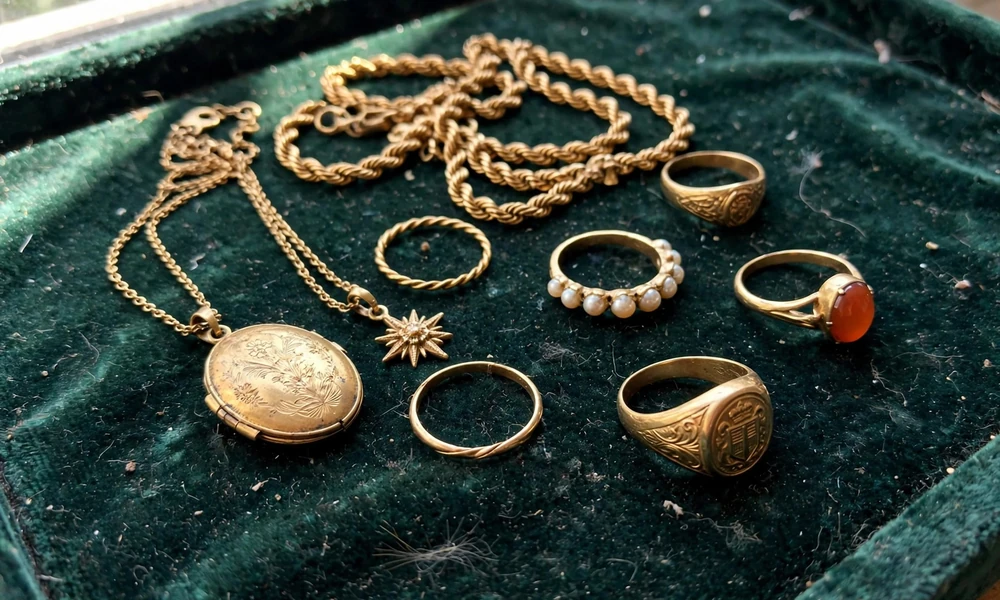
Look next at the hallmarks. These are the small stamps inside a ring band, on a clasp, or on the back of a brooch, and they tell you the metal, the maker, and often the country of origin. A hallmark is not a guarantee of authenticity, because hallmarks can be faked, but a piece with clear, consistent hallmarks is far more trustworthy than one with none. Our guide to the best vintage stores in Paris is a good place to start if you want to see hallmarks in person, because Paris dealers are used to explaining them to buyers.
Finally, look at the condition with your hands, not just your eyes. Open and close every clasp, check every stone for movement, look at the back of the piece as carefully as the front, and ask about repairs. A good dealer will tell you what has been repaired and what has not. A dealer who will not answer those questions is a dealer to walk away from.
The 9 key facts about vintage jewellery shopping in 2027
Know the eras
What we like: Each era has a distinct style, so learning the eras makes shopping faster and more enjoyable, and helps you spot pieces that are mislabelled. What to consider: Era labels are often used loosely by sellers, and a piece described as Art Deco may really be a later copy. Best For: Anyone starting a vintage collection. Cost: Free to learn, and it saves money. Time Needed: A few hours of reading and looking.
Learn the hallmarks
What we like: Hallmarks are a free, built-in guide to the metal and maker, and they are stamped on almost every genuine vintage piece. What to consider: Hallmarks can be worn away, faked, or hard to read without a loupe, and some countries used different systems. Best For: Anyone buying gold or platinum pieces. Cost: A jeweller’s loupe costs under £10. Time Needed: A few minutes per piece once you know what to look for.
Check the condition
What we like: A thorough condition check takes five minutes and can save you from a costly mistake, because most problems are visible if you know where to look. What to consider: Some damage, like a cracked stone or a weakened prong, is easy to miss in poor light or in a photograph. Best For: Every vintage purchase, without exception. Cost: Free. Time Needed: Five to ten minutes per piece.
Buy the seller first
What we like: A reputable dealer offers a written description, a returns policy, and the knowledge to answer your questions, which is worth more than any discount. What to consider: Good dealers charge more, and the cheapest price is often the most expensive mistake. Best For: Anyone buying their first vintage piece. Cost: Expect to pay 10 to 20 percent more at a good dealer. Time Needed: An afternoon of research before you buy.
Spot the fakes
What we like: Most fakes give themselves away with small details: a hallmark that looks stamped over another mark, a stone that is too perfect, or a finish that is too even. What to consider: Good fakes exist, and some are made from real gold and real stones, which makes them harder to spot. Best For: Anyone shopping online or at a flea market. Cost: Free to learn, and a jeweller’s opinion costs little. Time Needed: A few minutes per piece, plus a jeweller’s check for anything expensive.
Understand the price
What we like: Vintage jewellery is often cheaper than a new piece of similar quality, because you are not paying for new manufacturing or a brand markup. What to consider: Prices vary widely, and a piece can be overpriced simply because it is described as rare or by a famous maker. Best For: Anyone buying with a budget in mind. Cost: Prices range from £30 for a simple brooch to thousands for a signed piece. Time Needed: An hour of comparing similar pieces online before you buy.
Care for vintage pieces
What we like: Vintage jewellery is often sturdier than it looks, and gentle care keeps it wearable for decades more. What to consider: Old stones can be fragile, old settings can be worn, and some vintage pieces should never go in an ultrasonic cleaner. Best For: Anyone who plans to wear their vintage pieces, not just collect them. Cost: A soft cloth and warm soapy water cost almost nothing. Time Needed: A few minutes after each wear.
Where to shop
What we like: Specialist dealers, antique fairs, and auction houses each offer something different, and the best collectors use all three. What to consider: Online marketplaces are the riskiest place to buy, because you cannot hold the piece before you pay. Best For: Dealers for a first buy, fairs for browsing, auctions for rarer pieces. Cost: Dealer prices are higher, auction prices include a buyer’s premium. Time Needed: A day at a fair, or an afternoon browsing a dealer.
Start with a specialist dealer, where you can ask questions and handle the pieces. Antique fairs are good for browsing and learning, because you can compare many pieces at once. Auction houses suit confident buyers, because most auction sales are final. Our diamond buying guide covers the same ground for stones, because the questions you ask about a diamond are the same questions you ask about any vintage piece.
How to style vintage pieces
What we like: One vintage piece can change an entire outfit, and mixing vintage with modern clothes keeps the look fresh rather than costume-like. What to consider: Wearing too many vintage pieces at once can look like a period outfit, and a very formal vintage piece can feel out of place with casual clothes. Best For: Anyone who wants a personal, distinctive look. Cost: Nothing extra, if you already own the clothes. Time Needed: A few minutes of experimenting at home.
Which vintage piece is right for you
If this is your first vintage buy, start small and simple. A gold ring, a pair of earrings, or a simple brooch is easier to judge than a complex necklace, and it costs less if you make a mistake. Choose a piece you can wear often, in a style you already like, rather than a piece you think might be valuable. The best first vintage piece is one you reach for every week, and it is also the piece you will learn the most from, because every time you wear it you will notice something new about how it was made.
If you already own vintage jewellery, think about what is missing. A statement piece, like a bold brooch or a cocktail ring, adds variety to a collection of simple pieces. A versatile piece, like a gold chain or a pair of stud earrings, adds wearability to a collection of statement pieces. Buy the piece that fills the gap, not the piece that is simply on offer.
Think about your lifestyle too. If you work with your hands, a ring with a high setting will catch on everything. If you wear headphones all day, large earrings will be uncomfortable. If you travel often, a piece that is easy to insure and easy to replace matters more than a piece that is rare. The right vintage piece is the one that fits your life, not just your jewellery box.
The caveats that matter
Vintage jewellery shopping rewards patience and punishes haste. The piece that looks like a bargain usually is not, the seller who pressures you usually has a reason, and the piece you buy without checking usually has a problem you did not see. None of that means you should avoid vintage jewellery. It means you should slow down, learn the basics, and buy from people who welcome questions.
| Detail | What is known |
|---|---|
| What vintage means | Generally 20 to 100 years old; older is usually called antique |
| What decides value | Era, maker, materials, and condition, in that order |
| First check | Hallmarks, then condition, then the clasp and the back of the piece |
| Best first buy | A simple gold ring, earrings, or brooch that you can wear often |
| Where to buy | Specialist dealers first, fairs for browsing, auctions when confident |
| What to avoid | Unknown sellers with no returns policy, and prices far below market |
| Care | Warm soapy water and a soft brush; avoid ultrasonic cleaners for old pieces |
| What it does not do | It does not guarantee an investment return, and it does not suit every lifestyle |
If a piece has a cracked stone, a worn clasp, or a repair that was not disclosed, it is not a bargain at any price, because the cost of fixing it often exceeds the saving. Ask for a written description of the condition, keep the receipt, and have any expensive piece checked by an independent jeweller within the returns period. That is the honest way to buy vintage, and the only way that protects you.
Checklist: buying vintage jewellery honestly
Use these checks before you buy, and again when the piece arrives.
- Check the era: does the style, the setting, and the clasp match the period the seller claims?
- Check the hallmarks: are they clear, consistent, and right for the metal and the country?
- Check the condition: press every stone, open every clasp, and look at the back as carefully as the front.
- Check the seller: does the dealer offer a written description, a returns policy, and answers to your questions?
- Check the price: have you compared similar pieces online, and does the price make sense?
- Check the wearability: can you actually wear this piece often, and does it fit your life?
Frequently asked questions
What is the difference between vintage and antique jewellery?
Vintage generally means a piece is between 20 and 100 years old, while antique usually means older than 100 years. The terms are used loosely by sellers, so the age matters less than the style, the materials, and the condition. A piece from the 1970s is vintage, while a piece from the 1890s is antique.
Is vintage jewellery a good investment?
Sometimes, but not reliably. Signed pieces from famous makers and pieces in excellent condition can hold or gain value, but most vintage jewellery is best bought to wear, not to invest in. Buy a piece because you love it, and treat any increase in value as a bonus.
How can I tell if vintage jewellery is real gold?
Check the hallmarks first, then look at the colour and weight. Real gold has a warm colour and a satisfying weight, while plated pieces often feel lighter and show wear at the edges. A jeweller can test the metal quickly and cheaply if you are unsure.
Can I wear vintage jewellery every day?
Yes, if the piece is in good condition and suited to daily wear. Simple gold pieces are usually fine for everyday use, while pieces with fragile stones, worn settings, or delicate enamel are better kept for occasions. A guide to gold jewellery for everyday wear covers the same question for new pieces, because the same rules apply.
Where is the best place to buy vintage jewellery?
A specialist dealer is the safest place for a first buy, because you can ask questions, handle the piece, and return it if there is a problem. Antique fairs are good for browsing, and auction houses suit confident buyers. Online marketplaces are the riskiest, and they demand the most knowledge from the buyer.
How do I clean vintage jewellery?
Gently, with warm soapy water and a soft brush, then dry it carefully with a soft cloth. Avoid ultrasonic cleaners for old pieces, because they can loosen stones in worn settings, and never use harsh chemicals. Store each piece separately so pieces do not scratch each other.
The bottom line
The best vintage jewellery buy in 2027 is not the rarest or the most expensive. It is the piece in good condition, from a seller you trust, at a price that makes sense, that you will actually wear. A simple gold ring from a reputable dealer beats a rare brooch from an unknown seller every time.
Learn the eras, read the hallmarks, check the condition with your hands, and buy the seller first. If you do those four things, vintage jewellery shopping becomes what it should be: a pleasure, not a gamble. That is the honest way to build a collection, and the only way that lasts.