
The best anti aging skin care in 2027 is a complete routine, not a single miracle jar. What is the best anti aging skin care in 2027? For most people, it is a gentle cleanser, a vitamin C serum in the morning, a retinol treatment at night, a rich moisturiser and a daily sunscreen, used consistently for months.
No one product can do everything ageing skin needs. Cleansers prepare the skin, serums deliver the actives, moisturisers protect the barrier, and sunscreen guards the results.
The ten picks below walk through a full day and night, so you can build a routine that fits your skin.
Key takeaways
- The best routine combines a gentle cleanser, a morning antioxidant, a night retinol, moisturiser and daily sunscreen.
- Retinol still leads the research for fine lines and belongs in the evening routine.
- Vitamin C fits mornings, helping skin stay bright and guarded against pollution through the day.
- Hydration and barrier care matter as much as actives, especially for mature skin.
- Steady, gentle use wins over occasional strong doses.
How to Choose Anti-Ageing Skin Care
Begin from the concern that bothers you most, rather than a label on a shelf. If fine lines are your priority, retinol deserves the top spot; if dullness and dark spots bother you most, vitamin C comes first; if dryness is the issue, hydration matters most.
Let skin type guide each decision. Dry skin benefits from cream textures and hydrators such as hyaluronic acid, while oily skin prefers light gels and water-based formulas. Sensitive skin needs the slowest approach, with peptide and niacinamide formulas before any retinol.
Age changes the balance too. Skin in its forties often needs more hydration and a first retinol, while skin in its sixties usually needs richer creams and stronger barrier support.
What Good Anti-Ageing Skin Care Feels Like
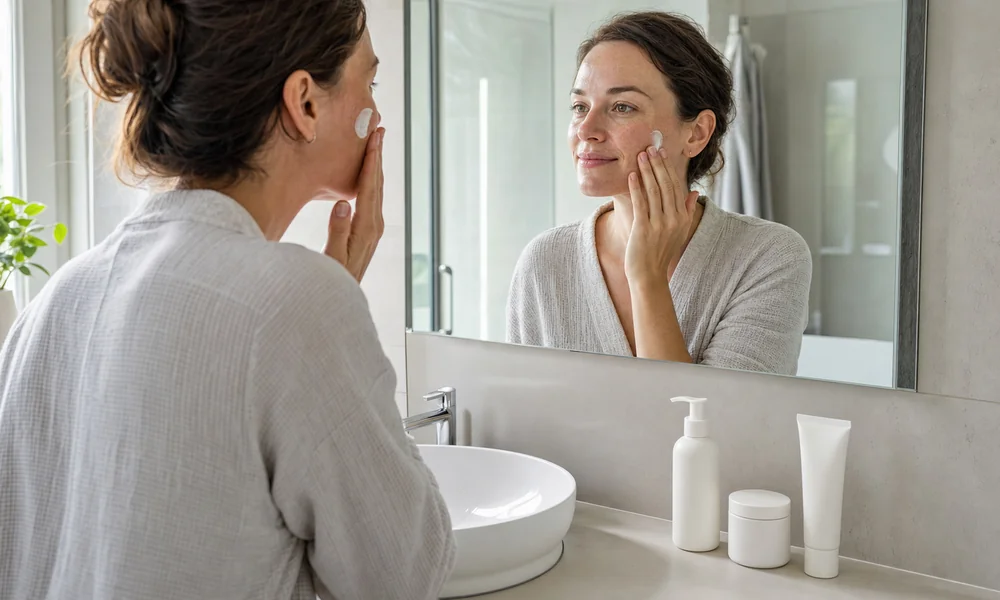
A good routine should feel calm, never tight or stinging. Cleanser should leave skin clean but not squeaky, serums should absorb within a minute, and moisturiser should feel light, not heavy.
Hydrating steps show their effect straight away, with skin looking fuller and dryness lines easing within hours. Treatments move at a slower pace: retinol commonly needs two to three months before texture and tone clearly improve.
A brief prickle after vitamin C or a potent retinol is common, and it usually settles within a minute or two. Persistent redness, flaking or stinging means pausing the active and focusing on barrier repair for a few days.
The 10 Best Anti-Ageing Skin Care Picks of 2027
1. The Gentle Cream Cleanser
Every routine starts with cleansing, and a gentle cream cleanser suits ageing skin better than a foaming wash. It removes sunscreen and makeup without stripping the oils that keep the barrier intact.
Massage it over damp skin for about a minute, then rinse and pat dry. Best for: dry and mature skin, and anyone whose skin feels tight after washing.
2. The Vitamin C Morning Serum
L-ascorbic acid, the usual form of vitamin C, lifts a tired complexion and softens dark marks left by the sun. It also shields skin from pollution, so it fits a morning routine under sunscreen.
Pick packaging that keeps light and air out, because vitamin C loses strength quickly once exposed to either. Our guide to the best anti aging serum compares the strongest options in depth. Best for: lifting dull skin, fading dark spots and restoring a brighter look.
3. The Retinol Night Treatment
Retinol, a vitamin A derivative, quickens cell renewal and supports collagen, giving it the strongest research record for easing fine lines and smoothing rough texture.
Begin with evening use on two or three nights each week, then finish with a simple moisturiser. Only a tiny dab is needed to cover the face evenly. Best for: smoothing fine lines, refining rough texture and steady, long-term care.
4. The Hyaluronic Acid Hydrator
Hyaluronic acid pulls moisture toward the skin’s surface, so dryness lines ease and cheeks look fuller soon after use. Almost any skin type can use it.
Smooth it over skin that is still slightly wet, then lock it in under a cream. Morning and evening both work well. Best for: thirsty skin, fine dryness lines and a quick plumping effect.
5. The Peptide Moisturiser
Peptides are tiny chains of amino acids that prompt skin to look after its own renewal. In a moisturiser, that mild firming effect comes with the barrier care a routine relies on.
Anyone who finds retinol too harsh can use this instead, beside hyaluronic acid and niacinamide. Change arrives slowly, over months, so steady use counts most. Best for: easily irritated skin, early signs of ageing and a soft, everyday firming step.
6. The Niacinamide Treatment
Vitamin B3, known as niacinamide, reinforces the barrier, soothes redness and steadies oil levels. Pores can look smaller and tone more even with regular use.
It layers comfortably with retinol and vitamin C, and by shoring up the barrier it makes retinol easier to tolerate. A strength near five per cent suits most skins. Best for: mixed skin types, visible redness and routines that are just starting out.
7. The Anti-Ageing Eye Cream
Skin around the eyes is thinner than elsewhere, so it shows fine lines and tiredness first. A dedicated eye cream with peptides or a low dose of retinol targets crow’s feet without irritating this delicate area.
Apply a rice-grain amount with your ring finger, tapping gently along the orbital bone morning and night, without pulling the skin. Best for: crow’s feet, tired-looking eyes and delicate skin.
8. The Daily Broad-Spectrum Sunscreen
Sunscreen is the most important anti-ageing product of all, since ultraviolet light causes most visible ageing: wrinkles, dark spots and loss of firmness.
Use a broad-spectrum formula every morning as the last step, whatever the weather, and reapply after long periods outdoors. Best for: everyone, every day, in every season.
9. The Weekly Exfoliating Treatment
Glycolic and lactic acids loosen dull, dead cells from the surface, uncovering newer skin underneath. Texture feels smoother and tone looks clearer, making this a worthwhile weekly addition.
Apply it in the evening, once or twice weekly, keeping it away from retinol nights. Sunscreen the following morning is essential. Best for: uneven, rough-feeling skin, a tired tone and a weekly refresh.
10. The Barrier-Repair Night Cream
A night cream packed with ceramides and other lipids restores the barrier as you sleep. When that barrier is sound, moisture stays locked in and irritants stay out.
That makes it a good companion for retinol, because a tougher barrier cuts down on dryness and flaking, and our guide to the best skincare for mature skin covers older skin. Use it as the final step each night, or before retinol on sensitive nights. Best for: older skin, skin stripped by too much exfoliation and skin that reacts easily.
How to Build Your Routine
Order matters: begin with the lightest, most watery products and end with the richest creams. Hyaluronic acid belongs at the start, treatment steps follow it, then moisturiser, with sunscreen closing the morning routine.
Reserve vitamin C for daylight hours and retinol for bedtime, and never put a strong acid and retinol on together. When both acids and retinol are in play, use them on different evenings so skin can rest between them.
Do not stop at the jawline: the neck and chest age just as visibly, so carry products down to the collarbone. Our guide to the best skincare routine for your 40s walks through a complete day and night plan.
What Results to Expect — and When
Skin feels more hydrated within hours of a hyaluronic acid step, and exfoliants can brighten it within a week or two. A brighter look from vitamin C commonly takes three to four weeks.
Retinol works more slowly: texture often feels smoother after about two months, and fine lines usually soften only after three to six months of regular use. Peptides follow a similar timeline, so consistency matters more than strength.
No routine erases deep wrinkles or stands in for clinic treatments. What careful skin care can achieve is better texture, tone and hydration, and a slower pace of visible ageing.
Anti-Ageing Skin Care Comparison
| Pick | Key ingredient | When to use | Best for |
|---|---|---|---|
| The Gentle Cream Cleanser | Glycerin and ceramides | Morning and night | Clean skin without tightness |
| The Vitamin C Morning Serum | Vitamin C | Morning | Dullness and dark spots |
| The Retinol Night Treatment | Retinol | Night | Fine lines and texture |
| The Hyaluronic Acid Hydrator | Hyaluronic acid | Morning and night | Dehydration and plumping |
| The Peptide Moisturiser | Peptides | Morning and night | Gentle daily firming |
| The Niacinamide Treatment | Niacinamide | Morning or night | Redness and pores |
| The Anti-Ageing Eye Cream | Peptides | Morning and night | Crow’s feet and tired eyes |
| The Daily Broad-Spectrum Sunscreen | UV filters | Morning | Preventing further ageing |
| The Weekly Exfoliating Treatment | Glycolic and lactic acid | Weekly, at night | Texture and brightness |
| The Barrier-Repair Night Cream | Ceramides | Night | Barrier strength and comfort |
Your Anti-Ageing Skin Care Checklist
- Name your main concern first: lines, dullness, dryness or sensitivity.
- Pick one key active for that concern, rather than buying several at once.
- Try each new product on a small patch of skin for several days before using it all over.
- Start retinol on just two or three evenings a week, and add more nights only once skin feels calm and settled.
- Keep vitamin C to mornings and retinol to evenings, and do not layer them at the same time.
- Layer from lightest to richest, finishing with moisturiser to hold the serums in.
- Use sunscreen every day, because active ingredients leave skin more open to sun damage.
- Allow a new routine a full eight weeks before judging its results.
Frequently Asked Questions
What is the best anti aging skin care for beginners?
Start with a mild cleanser, a hyaluronic acid serum, a plain moisturiser and daily sunscreen — that quartet suits almost every skin type. When skin feels settled, add a gentle retinol on two or three evenings a week.
Can I use retinol and vitamin C in the same routine?
Yes — keep them in separate steps of the day. Vitamin C fits the morning, helping skin look brighter, and retinol is best saved for bedtime. Split like that, the pair works together without upsetting skin.
How long does anti-ageing skin care take to work?
Hydrating products can make skin look better within hours, and vitamin C often brings a brighter look after three to four weeks. Retinol and peptides need more patience, with clear changes usually arriving after two to three months of steady use.
Is expensive skin care better than affordable skin care?
Price alone says little: a good formula is the right active at a useful strength, in a base that keeps it stable. Cheaper products often use the same well-tested ingredients as costly ones, so read the label and watch how your skin reacts instead of trusting the box.
Should I use anti-ageing skin care if I have sensitive skin?
Yes, with a gentle approach: peptide, niacinamide and hyaluronic acid products are usually kind to sensitive skin. Bring in a single new product at a time, test it on a small patch first, and keep strong acids away from retinol.
Choosing Your Routine
The right anti-ageing routine is the one you will keep up day after day, not the one with the grandest claims. Pick ingredients for your main concern and let them work.
A short routine you follow will do more than an elaborate one you abandon after a week. A morning set, an evening set and sunscreen each day meet most needs.
Safety note: test any new product on a small patch before full use, bring active ingredients in gradually over several weeks, wear sunscreen daily while using them, and stop a product if irritation, redness or discomfort appears.