Everyday earrings need to do a lot with very little. They should look polished at work, feel comfortable through a long day, and still be the pair you reach for tomorrow morning without thinking about it. Platinum earrings do that job quietly and well, because platinum is dense, durable, and naturally hypoallergenic. A pair that holds its shape, keeps its shine, and rarely irritates the skin is worth more than a drawer full of earrings you never wear.
The problem is not whether platinum works. It is choosing the right pair for daily wear, and paying a fair price for it. Platinum is a precious metal, so it costs more than silver or titanium, and the difference between a well-made pair and a poor one is not always obvious at first glance. A thin setting, a loose stone, or a weak clasp will show up within weeks of daily wear, long after the box has been thrown away.
Below are nine platinum earrings worth wearing every day in 2027, from a simple ball stud to a statement drop that still feels comfortable. Each one is described by what it does well, what to watch for, and who it suits best, so you can pick a pair that fits your ears, your routine, and your budget.
Key takeaways
- Platinum is dense, durable, and naturally hypoallergenic, which makes it one of the safest metals for earrings worn every day.
- For daily wear, look for a 950 platinum hallmark, secure settings, and a closure you can trust, and check the weight before you buy.
- Studs and huggies are the easiest everyday shapes, while short drops suit days when you want more presence without more weight.
- Clean platinum earrings with warm water and mild soap, dry them fully, and store them separately so they do not scratch softer metals.
- No metal suits everyone, and platinum is not a cure for an existing infection or a badly placed piercing, so check with a clinician if your ears stay sore.
What platinum earrings actually are
Platinum is a dense, white precious metal that is rarer than gold and considerably heavier. In jewellery it is usually marked 950, meaning 95 percent pure platinum, with the remaining 5 percent made up of other platinum-group metals that give it strength. That purity is part of why platinum suits sensitive skin. It contains no nickel, and it does not tarnish or change colour the way silver can.
The weight is the first thing most people notice. A platinum stud feels more substantial than the same shape in titanium or silver, which some people love and some find tiring by evening. That is why size matters more with platinum than with lighter metals. A small, well-balanced pair will feel comfortable all day, while a large, heavy pair will not, however beautiful it looks in the box. Our guide to the best platinum jewellery shows how the same metal works across necklaces, bracelets and rings, which helps if you want a matching set.
What platinum is not is a low-maintenance metal in the way titanium is. It develops a soft patina over time, a gentle matte finish that many people like, and it can be polished back to a bright shine by a jeweller. It also scratches more easily than people expect, because it is a soft metal, but those scratches do not remove metal the way they do with gold. They simply move the surface, which is why platinum keeps its weight over decades.
How we chose these earrings and what to look for
Look first at the hallmark. A genuine platinum earring should be stamped 950, 950 Pt, or Plat, depending on where it was made. If there is no hallmark, or if the seller cannot tell you the purity, walk away. The hallmark is your only reliable proof that the metal is what it claims to be, and it matters more with platinum than with any other metal because the price is high.
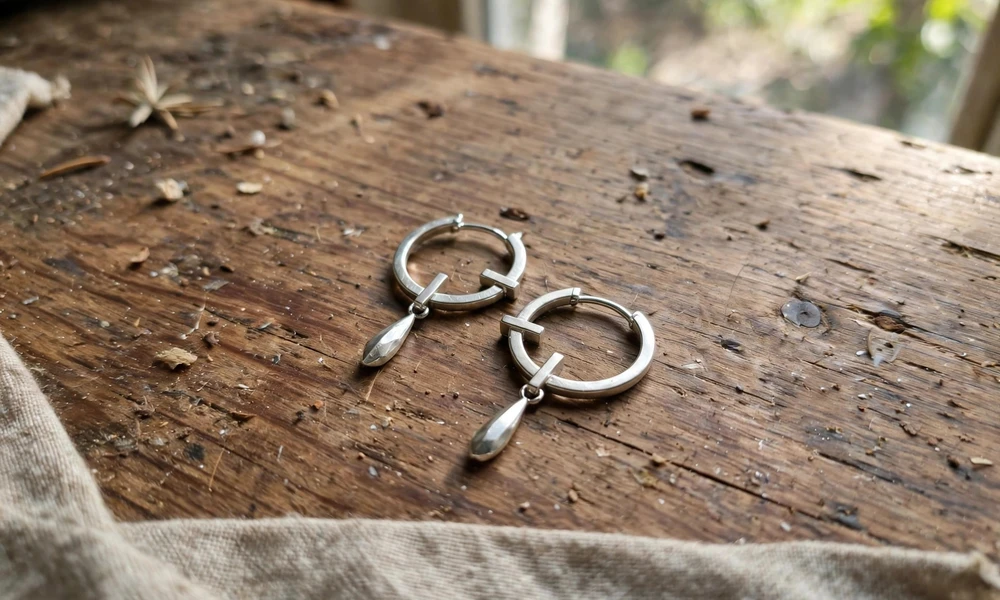
Look next at the setting and the closure. A stone should sit firmly in its setting, with no wobble when you touch it gently, and the prongs should be even and smooth. A butterfly back should grip the post firmly, a screw back should turn smoothly, and a hinged huggie clasp should click shut and stay shut. A loose stone or a weak clasp is how an expensive pair gets lost, and daily wear is the fastest way to find out.
Finally, look at the weight and the balance. Hold the pair in your hand and then try it on if you can. A stud that sits flat against the lobe and does not pull forward is well balanced. A drop that hangs straight and does not swing wildly is well made. If a pair feels heavy in the shop, it will feel heavier by evening, so choose a smaller size or a lighter design. The best platinum earrings roundup covers the wider range, including occasion pieces that are not meant for daily wear.
The 9 best platinum earrings for everyday wear 2027
The Classic Platinum Ball Stud
What we like: A smooth, polished platinum ball on a platinum post, in sizes from 3 mm to 6 mm, that goes with everything and never looks out of place. What to consider: Platinum is heavier than titanium, so a larger ball can feel noticeable by evening, and the price is higher than a silver equivalent. Best for: Sensitive ears and a first platinum pair. Material: 950 platinum, polished finish. Price range: High. Standout feature: The simplest, most durable everyday earring platinum offers.
This is the pair to buy if you want one pair of earrings that lasts for years. It works at work, at weekends, and on holiday, and it is the easiest shape to wear every day without thinking about it. Choose a 4 mm or 5 mm ball for the most versatile size.
The Platinum Diamond Halo Stud
What we like: A small centre diamond ringed by a halo of smaller stones, giving far more sparkle than its size suggests. What to consider: A halo setting has more stones to check and clean, and it costs more than a plain stud. Best for: Days when you want sparkle without a large stone. Material: 950 platinum, diamond centre stone. Price range: High. Standout feature: The most sparkle per millimetre of any everyday stud.
The Slim Platinum Hoop
What we like: A thin, polished hoop, usually 15 mm to 25 mm across, with a clean line and a secure hinged closure. What to consider: Platinum hoops are heavier than titanium ones, so keep the diameter modest, and a thin wire can bend if it is pulled. Best for: A polished everyday look with a little movement. Material: 950 platinum, polished finish. Price range: High. Standout feature: The hoop look in a metal that will never tarnish.
The Platinum Drop Earring
What we like: A short drop, usually 20 mm to 35 mm long, that adds length and movement without adding much weight. What to consider: Longer drops can swing and catch, and a drop with a loose hook is easier to lose. Best for: Days when you want a little more presence. Material: 950 platinum with a hook or stud fitting. Price range: High. Standout feature: The elegance of a drop in a metal that holds its shape.
The Platinum Pearl Stud
What we like: A freshwater pearl set on a platinum post, giving the softness of pearl with the security of a precious-metal setting. What to consider: Pearls are softer than metal, so they need gentle handling and should not be soaked or sprayed with perfume. Best for: Workdays and occasions that call for something softer. Material: 950 platinum post, freshwater pearl. Price range: High. Standout feature: Pearl elegance in a setting that will outlast the pearl itself.
The Platinum Huggie Hoop
What we like: A small hoop that hugs the lobe closely, with a hinged clasp that clicks shut and stays shut. What to consider: Huggies sit close to the ear, so they suit smaller lobes best, and the hinge needs an occasional check. Best for: Active days and second piercings. Material: 950 platinum, polished finish. Price range: High. Standout feature: Secure, snug, and hard to lose.
The Platinum Threader Earring
What we like: A fine chain that threads through the piercing and hangs on both sides, giving a delicate, modern line. What to consider: Threaders need a little practice to put in, and a fine chain can tangle if it is not stored carefully. Best for: A minimal, contemporary look. Material: 950 platinum chain, polished finish. Price range: High. Standout feature: A long, light line that no other shape gives.
The Platinum Cluster Stud
What we like: A small cluster of stones set close together, giving sparkle without size or weight. What to consider: A cluster with sharp prongs can catch on fabric, and the setting needs regular checks. Best for: Evenings and days when you want a little sparkle. Material: 950 platinum setting, diamond or cubic zirconia. Price range: High. Standout feature: The sparkle of a larger earring in a small, secure package.
The Platinum Bar Stud
What we like: A slim, straight bar that sits along the lobe, clean and geometric, in lengths from 8 mm to 15 mm. What to consider: A bar that is too long can sit awkwardly on a small lobe, and a sharp end can irritate. Best for: A modern, architectural look. Material: 950 platinum, polished or brushed. Price range: High. Standout feature: A simple shape that looks considered rather than plain.
Bar studs suit people who like clean lines and minimal jewellery. They pair well with a simple chain necklace and a plain shirt, and they are comfortable enough to wear from morning to night.
Which platinum earrings are right for you
Start with your ears. If your ears are sensitive, platinum is one of the safest choices, because it contains no nickel and does not tarnish. A simple ball stud or huggie is the safest first pair, because there is less metal in contact with the skin and fewer edges to catch. If your ears are not sensitive, you have more freedom, but the same rule still helps: the simpler the construction, the fewer things can go wrong.
Next, think about your day. If you work out, swim, or spend long hours on the phone, a stud or a huggie will serve you better than a drop, because it will not swing, snag, or press against a phone. If your days are mostly desk-based and you like a little movement, a short drop or a threader adds interest without any real cost in comfort. Match the earring to the day you actually have, not the day you imagine.
Finally, think about your budget and your other jewellery. Platinum costs more than gold, silver, or titanium, so it makes sense to buy one good pair first and wear it for a while before adding a second. Platinum has a cool, grey-white tone that sits well with silver, white gold, and titanium, and it looks clean against most skin tones. It also pairs well with a simple chain or a plain watch.
The caveats that matter
Platinum is a durable metal, but it is not indestructible. It scratches more easily than people expect, because it is soft, and over time it develops a patina, a gentle matte finish that many people like. It is simply how platinum ages, and it is one of the reasons the metal looks so good after years of wear. A guide to cleaning platinum jewellery covers the practical care in more detail.
| Detail | What is known |
|---|---|
| Best metal for sensitive ears | 950 platinum, no nickel, does not tarnish or change colour |
| Lightest everyday shapes | Small studs and huggies, which stay comfortable for a full day |
| What to check before buying | The 950 hallmark, secure settings, and a closure you trust |
| Cleaning | Warm water and mild soap, rinse well, dry fully before storing |
| How platinum ages | Develops a soft patina over time, which a jeweller can polish back to a shine |
| What wears over time | Fine surface scratches appear, but they do not remove metal the way gold wears |
| Who should be cautious | Anyone with an existing infection or a fresh piercing should check with a clinician |
| What platinum does not do | It does not stay mirror-bright without occasional polishing, and it is heavier than titanium |
If your ears are sore, swollen, or weeping, take the earrings out and let the piercing rest. Do not keep wearing a pair in the hope that your ears will get used to it. That is how a mild irritation becomes a lasting problem. Clean hands, clean earrings, and a short break are usually enough, but if the soreness does not settle, speak to a clinician or a professional piercer.
Checklist: choosing platinum earrings for everyday wear
Use these checks before you buy, and again after a week of wear.
- Check the hallmark: 950, 950 Pt, or Plat stamped on the post or the setting, and ask the seller if it is missing.
- Check the setting: stones should sit firmly with no wobble, and prongs should be even and smooth.
- Check the closure: a secure butterfly back, screw back, or hinged huggie clasp that clicks shut and stays shut.
- Check the weight: try the pair on if you can. If it feels heavy in the shop, it will feel heavier by evening.
- Check the length: studs and huggies for active days, short drops for desk days, longer drops for evenings only.
- Check the care: warm water and mild soap, dry fully, and store each pair separately so the pieces do not scratch each other.
Frequently asked questions
Are platinum earrings good for sensitive ears?
Usually yes. Platinum contains no nickel, which is the most common cause of earring irritation, and a smooth 950 platinum post is one of the gentlest options available. Choose a simple, well-made pair and avoid plated parts if your ears are very reactive.
Can I wear platinum earrings every day?
Yes, that is what they are best at. Platinum is durable, does not tarnish, and holds its shape well, so a well-made pair can be worn daily for years. Take them out at night if you can, and clean them regularly so skin oils and products do not build up.
Can I sleep in platinum earrings?
Small studs and huggies are usually fine to sleep in, because they sit flat and do not press into the skin. Longer drops and threaders are better removed at night, because they can tangle in hair or press uncomfortably against a pillow.
Can I shower or swim in platinum earrings?
Platinum itself handles water well and will not tarnish, but chlorine, salt water, and shampoo can leave residue on the surface and on any stones or pearls. Rinse with clean water afterwards and dry them fully. Pearl and stone settings should not be soaked.
How do I clean platinum earrings?
Wash them in warm water with a drop of mild soap, use a soft brush or cloth for the crevices, rinse well, and dry completely before storing. A jeweller can polish them back to a bright shine if the patina bothers you, but the patina itself is normal.
Is platinum better than white gold for everyday earrings?
For daily wear, platinum has two advantages: it does not need re-plating the way white gold does, and it is naturally hypoallergenic. White gold is lighter and often cheaper, and it can be a better choice if weight matters more to you than durability. Both are good metals, and the right choice depends on your ears and your budget.
The bottom line
The best platinum earrings for everyday wear are the ones you forget you are wearing, in a metal that will still look good in ten years. A simple ball stud, a snug huggie, or a short drop in 950 platinum gives you the look you want without the irritation or the constant adjusting that cheaper metals demand. Start with a shape that suits your day, check the hallmark and the closure, and choose a size your ears will be happy with at the end of the day.
Buy one good pair first, wear it for a week, and see how your ears feel at the end of the day. If they are calm and comfortable, you have found your everyday pair, and you can add a second shape when you want a change. That is the honest way to build an earring collection that actually gets worn.