A silk scarf can lift a plain outfit in seconds. Draped over the shoulders, knotted at the neck, tied to a handbag or worn as a headscarf, it adds colour, pattern and a quiet polish that few accessories can match. A good one feels cool and smooth against the skin, catches the light as it moves, and looks just as elegant years later — if it has been looked after properly.
The trouble is that silk is a natural protein fibre, closer in nature to hair than to cotton, and it does not forgive rough handling. Hot water, harsh detergent, wringing, hanging it up wet or leaving it crushed in a drawer can dull its shine, weaken its fibres, fade its colours or leave creases that never quite come out.
This guide explains how to care for silk scarves the gentle way: how to read the label, hand-wash without shrinking or fading, dry flat, iron safely, remove stains, and store your collection so every scarf stays soft and bright.
Key takeaways
- Hand-wash in cool water, never above 30°C, with a mild pH-neutral detergent made for delicates.
- Never wring, twist or hang a wet silk scarf — press out water in a towel and dry it flat, away from sun and heat.
- Wash only when needed, usually after three to five wears, and always clean a scarf before storing it for the season.
- Iron on the reverse side on a low silk setting, with a pressing cloth between iron and fabric.
- Store scarves loosely folded or rolled in acid-free tissue, in a cool, dark, dry place — never in a sealed plastic bag.
Why Silk Needs a Gentler Routine
Silk gets its lustre from long, smooth protein fibres — the same structure that makes it delicate. When dry, silk is surprisingly strong, but when wet it loses a noticeable share of its strength. Pulling, twisting or scrubbing it while wet can stretch the weave and break fine threads.
Heat is the other quiet enemy. Hot water can damage the fibre itself, and the harm shows as a permanent loss of shine — once silk has gone dull, no conditioning brings the lustre back. Strong sunlight has a similar effect, breaking down fibres and fading dyes. Most everyday detergents are alkaline, and alkali attacks silk protein, stripping the natural oils that give the fabric its soft handle.
Read the Label First

Before you wash any scarf, check its care label. A plain, colourfast silk square can usually be hand-washed with confidence, while a scarf with metallic thread, beading, a printed border that bleeds, or a lining may be marked dry-clean only.
If there is no label, as is often the case with vintage scarves, treat the piece as hand-wash only and test it first. Dampen a white cloth, press it gently against a hidden corner, and check whether any colour transfers. If colour comes off, the dyes are not stable, so wash it very gently or take it to a cleaner who works with silk. Also check for loose threads or fraying along the hem, and note any stains, especially where it sits against the neck.
How to Hand-Wash a Silk Scarf, Step by Step
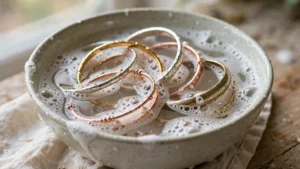
Hand-washing is the safest way to clean most silk scarves, and it becomes a simple five-minute ritual. Fill a clean basin with cool water — cool to the hand, around 20°C, and never above 30°C. Add a small amount of pH-neutral detergent made for silk or delicates, about half a teaspoon per litre, and dissolve it fully first.
Submerge the scarf gently and move it through the water with an open hand for no more than three to five minutes. Do not rub, scrub, twist or agitate it — silk releases dirt readily because the fibre is so smooth. If the scarf has a print or embroidery, turn it inside out first.
Drain the soapy water and refill with clean, cool water. Rinse twice, pressing gently until no slippery feeling remains, because detergent left in silk attracts dirt and dulls the surface. To remove the water, lift the scarf out supporting its whole weight — never lift a wet silk scarf by one corner. Press it gently, lay it flat on a clean, dry towel, roll the towel up with the scarf inside, press lightly, then unroll it.
Drying Without Damage
How you dry a silk scarf matters as much as how you wash it. Lay it flat on a fresh, dry towel or a mesh drying rack, in a shaded, well-ventilated spot away from sunlight and heat. Smooth it gently into its original shape while it is still damp. Turn it occasionally, and allow it to dry completely — usually six to twelve hours — before you fold or wear it.
Never hang a wet silk scarf to dry: the weight of the absorbed water pulls on the fibres and can stretch it out of shape, and the fold over a line or hanger can leave a permanent mark. Only store a scarf once it is fully dry, because dampness invites mildew, which weakens silk permanently.
Ironing and Steaming
A freshly washed silk scarf will usually have a few soft wrinkles. Set the iron to its lowest silk setting, around 110°C, and always iron on the reverse side. Place a pressing cloth — a thin cotton handkerchief or a piece of muslin — between the iron and the silk, and keep the iron moving, so the surface is protected from shine marks and scorching.
Steam can help, but use it lightly: a short burst from a distance, or a handheld steamer held a few inches away, relaxes the fibres without soaking the fabric. If you would rather not iron at all, hanging the scarf in a steamy bathroom for a few minutes often relaxes light creases on its own. The same cool-water, low-heat rules apply to silk blouses too.
Storing Silk Scarves the Right Way
Storage is where many silk scarves quietly come to harm. Left bunched in a drawer or crushed under heavier clothes, a scarf develops permanent crease lines, yellowed edges and faded motifs. Silk has little structural memory, so once it is crushed or stretched, it rarely springs back.
The simplest good method is to fold the scarf loosely, with acid-free tissue paper between the folds to cushion the fabric and absorb moisture. Regular tissue paper can transfer acids and cause yellowing, so acid-free tissue is worth buying. Vary the fold lines every few months so the same crease is not pressed in again and again. Rolling is gentler still for large scarves, because it avoids sharp creases: lay the scarf flat and roll it loosely from one short end to the other, then wrap the roll in cotton cloth or acid-free tissue.
Keep the storage spot cool, dark and dry — a closet on an interior wall is ideal, while attics, basements and spots near radiators are not. Avoid plastic bags and sealed bins, which trap moisture and encourage mildew, and keep scarves away from direct light. Cedar blocks can deter moths, but they should never touch the fabric directly. Organising your closet with a dedicated scarf drawer or shelf makes this routine far easier to keep up.
Removing Stains Safely
Stains on silk need a calm, quick response. Blot — never rub — a fresh spill with a clean, dry cloth, working from the outside of the stain inward so it does not spread. For a light mark, a little cool water and a drop of pH-neutral detergent dabbed on with a cotton pad, then rinsed, is often enough.
Oil-based marks, such as foundation or food grease, are the most common problem on scarves worn near the face. Dust the spot lightly with talcum powder or cornflour, leave it for a few hours to absorb the oil, brush it off gently, then hand-wash as usual. Spray perfume on your skin first and let it dry before putting the scarf on. Some stains are best left to a professional: old or set-in marks, ink, red wine on a pale scarf, or any stain on a dry-clean-only piece.
Mistakes That Ruin Silk Scarves
Most silk damage comes from a handful of avoidable habits. The table below sets out the most common mistakes alongside the gentler habit that replaces each one.
| Care step | Do this | Avoid this |
|---|---|---|
| Washing | Hand-wash in cool water, below 30°C | Machine washing or hot water |
| Detergent | pH-neutral detergent made for silk | Bleach, softener or enzyme cleaners |
| Soaking | Soak for 3–5 minutes only | Long soaking, which loosens dyes |
| Removing water | Press in a towel and roll gently | Wringing or twisting the fabric |
| Drying | Lay flat in the shade | Hanging wet or using a dryer |
| Ironing | Low heat, reverse side, pressing cloth | High heat or ironing directly on silk |
| Storage | Folded or rolled in acid-free tissue | Sealed plastic bags or damp drawers |
| Wearing | Spray perfume before putting it on | Spraying perfume straight onto silk |
One more habit worth breaking is washing a scarf after every single wear. Every wash is a little wear on the fibres, so unless a scarf is visibly soiled, air it out after wearing and wash it after three to five wears.
Silk Scarf Care Checklist
- Check the care label and test a hidden corner for colour transfer before the first wash.
- Wash in cool water with pH-neutral detergent, soaking for no more than five minutes.
- Press out water in a towel — never wring, twist or hang the scarf while wet.
- Dry flat in the shade, and store only once the scarf is completely dry.
- Iron on the reverse side on low heat, with a pressing cloth between iron and silk.
- Store loosely folded or rolled in acid-free tissue, in a cool, dark, dry place.
Frequently Asked Questions
Can I machine-wash a silk scarf?
It is best not to, unless the care label explicitly says the scarf is machine-washable. Even a delicate cycle agitates the fabric, and the spin can press silk into tight folds that become permanent lines.
How often should I wash a silk scarf?
Only when it needs it — usually after three to five wears, or when it is visibly soiled. Between washes, air the scarf out flat for a few hours after wearing.
Can I use regular laundry detergent on silk?
No. Regular detergents are usually alkaline and can strip silk’s natural oils, dull its shine and weaken the fibres. Use a mild, pH-neutral detergent made for silk or wool, or a plain unscented baby shampoo. Avoid bleach, fabric softener and enzyme-based cleaners entirely.
Why did my silk scarf lose its shine?
The most common causes are hot water, harsh detergent, rough handling while wet, or drying in direct sunlight. Heat damages the protein structure of silk and the loss of lustre is usually permanent, so wash in cool water, handle the scarf gently, and dry it flat in the shade.
How do I remove wrinkles from a silk scarf without ironing?
Hang the scarf in a steamy bathroom for a few minutes, or hold a handheld steamer a few inches away. The steam relaxes the fibres and most light creases fall out on their own. For deeper creases, iron on the reverse side with a pressing cloth.
Should I fold or roll my silk scarves for storage?
Both work well, and rolling is slightly gentler for large scarves because it avoids sharp creases. Fold loosely with acid-free tissue between the folds, or roll loosely and wrap the roll in cotton cloth or acid-free tissue. Store scarves in a cool, dark, dry place, never in a sealed plastic bag, and refold them every few months.
The bottom line
Caring for silk scarves is less about special products and more about gentleness: cool water, mild detergent, no wringing, flat drying in the shade, low-heat ironing and thoughtful storage. Together they protect the colour, drape and shine that made you choose the scarf in the first place. A scarf treated this way does not just last longer — it looks better every time you wear it, which is why the most admired luxury fashion brands build their reputation on lasting quality.
Start with the pieces you wear most. Wash one scarf by hand this week and store it properly once it is dry — the routine will quickly become second nature.
Note: Always follow the care label on your scarf first, and when a piece is valuable, vintage or marked dry-clean only, a professional cleaner experienced with silk is the safest choice.