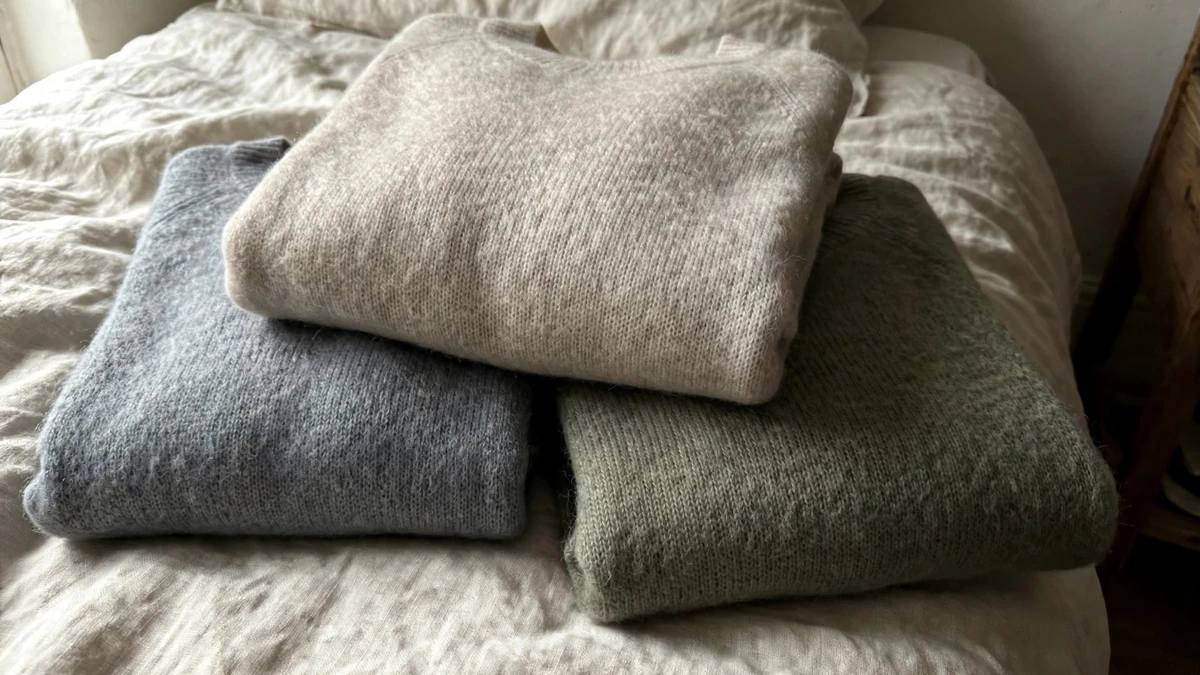

A cashmere blend sweater is the quiet compromise that makes sense for most wardrobes. Pure cashmere is soft, warm and expensive, and it asks for careful washing and a budget to match. A blend, usually cashmere mixed with wool, cotton, silk or a small amount of synthetic fibre, keeps much of that softness and warmth at a price that is easier to live with, and it is often more durable in everyday wear.
The trouble is that not all blends are equal. A sweater labelled “cashmere blend” can contain as little as five percent cashmere, and the rest of the fibre mix decides how it feels, how long it lasts, and whether it pills after a month.
Below are nine cashmere blend sweaters worth considering in 2027, from affordable high-street options to mid-priced pieces from brands known for knitwear. Each one is described by what it is good at, what to watch for, and who it suits best, so you can choose a blend that actually feels like cashmere, not just a label that says so.
Key takeaways
- A cashmere blend mixes cashmere with wool, cotton, silk or synthetic fibres, keeping much of cashmere’s softness at a lower price and often with better durability.
- Check the fibre percentage on the label: blends with 30 percent cashmere or more usually feel noticeably softer than blends with 10 percent or less.
- Wool-heavy blends are warmer and sturdier, while cotton and silk blends are lighter and better for spring and layering.
- Wash cashmere blends gently by hand or on a cold wool cycle, dry them flat, and fold them rather than hanging them.
- No blend is fully pill-proof, and a very cheap “cashmere blend” with only a trace of cashmere may feel no softer than an ordinary wool sweater.
What a cashmere blend actually is
A cashmere blend is a yarn made by spinning cashmere fibre together with one or more other fibres. The most common partners are merino wool, lambswool, cotton, silk, and sometimes a small percentage of nylon or elastane for shape retention. The cashmere brings softness and warmth, the partner fibre brings structure, durability, or a lighter weight, and the ratio between them decides the character of the finished sweater.
That ratio matters more than the brand name. A blend of 70 percent cashmere and 30 percent wool feels close to pure cashmere, drapes softly, and still costs less than a 100 percent cashmere piece. A blend of 10 percent cashmere and 90 percent acrylic, on the other hand, may feel warm and soft on first touch but tends to pill, lose shape, and look tired after a season.
Blends also change how a sweater behaves across the year. Wool-heavy blends are warm and suit autumn and winter. Cotton and cashmere blends breathe better and work well in spring, when a full wool sweater is too warm. Silk and cashmere blends have a smooth, slightly lustrous finish and layer neatly under jackets.
How we chose these sweaters and what to look for
Look first at the fibre content. A blend with at least 30 percent cashmere is a good starting point if softness is your priority, and a blend with 50 percent or more will feel close to pure cashmere for most people.

Look next at the knit. A fine, even gauge usually means a smoother, more refined sweater that layers well under a coat. A chunkier gauge gives warmth and a relaxed look, but it can also hide a looser, less durable knit, so check that the stitches look even and the seams lie flat. Hold the sweater up to the light: a very thin, see-through knit may be too delicate for daily wear, while a dense knit will hold its shape better.
Finally, think about fit and care before you buy. A slightly relaxed fit is more forgiving across body types and layers easily, while a slim fit looks neater under a blazer but shows every lump in the layers beneath. Our guide to the best cashmere sweaters for women explains the difference between pure cashmere and blends in more detail, if you want to compare the two before deciding.
The 9 best cashmere blend sweaters for women in 2027
Uniqlo Cashmere Blend Crew Neck Sweater
What we like: A straightforward crew neck in a cashmere and wool blend, soft for the price, with a clean shape that works under jackets and over shirts.
What to consider: The cashmere percentage is modest, so it feels softer than plain wool but not as plush as a high-cashmere blend, and the fit runs neat. Best for: Everyday wear and first-time blend buyers. Material: Cashmere and wool blend. Price range: Around $50 to $70. Standout feature: The best softness for the price in this list.
A sensible starting point. It is not the softest sweater here, but it is the easiest to buy, wear and wash, and it proves the point that a blend does not have to be expensive to be useful.
J.Crew Cashmere-Blend Crewneck Sweater
What we like: A classic crew neck with a higher cashmere content than most high-street blends, a smooth hand-feel, and a wide range of colours that stay in stock.
What to consider: It can pill under the arms after heavy wear, and the price climbs when new colours launch. Best for: A workhorse sweater in a favourite colour. Material: Cashmere and wool blend. Price range: Around $110 to $150. Standout feature: A reliable, repeatable fit season after season.
This is the sweater to buy when you want one good crew neck in a colour you will reach for constantly. It layers well, holds its shape, and looks neat enough for the office.
COS Cashmere Blend Jumper
What we like: A minimal, architectural cut with a fine gauge knit, in muted colours, that looks more expensive than it is and pairs well with tailored trousers.
What to consider: The fit is intentionally boxy, so it can look oversized if you size up, and the fine knit needs gentle washing. Best for: Minimal, modern wardrobes. Material: Cashmere and wool blend. Price range: Around $90 to $135. Standout feature: The cleanest silhouette of any sweater here.
If your wardrobe leans minimal, this is the blend to choose. It does not shout, but the cut and the finish make an outfit look considered without any extra effort.
Arket Cashmere Blend Sweater
What we like: A soft, mid-weight knit with a good balance of cashmere and wool, a slightly relaxed fit, and colours that work across seasons.
What to consider: The relaxed fit can look shapeless on petite frames, and the darker colours may show lint. Best for: Relaxed, everyday layering. Material: Cashmere and wool blend. Price range: Around $90 to $120. Standout feature: A comfortable, lived-in feel from the first wear.
A good middle ground between a fine, dressy knit and a chunky weekend sweater. It is the one to reach for on a cold morning when you want warmth without thinking about it.
Massimo Dutti Cashmere and Wool Sweater
What we like: A refined, slightly dressy knit with a higher cashmere share, a smooth finish, and a fit that sits well under a blazer or coat.
What to consider: It needs hand-washing or a gentle wool cycle, and the lighter colours can show wear at the cuffs. Best for: Smart outfits and office layering. Material: Cashmere and wool blend. Price range: Around $130 to $180. Standout feature: The most polished finish in the mid-price range.
This is the blend for days when the sweater is part of a smart outfit rather than a layer to hide. It looks neat, feels soft, and holds a pressed, tidy shape.
Mango Cashmere Blend Sweater
What we like: A trend-led cut at an accessible price, with seasonal colours and a soft hand-feel that suits relaxed, casual outfits.
What to consider: The cashmere content is on the lower side, so it is less plush than the pricier options here, and it may pill sooner with daily wear. Best for: Trying a trend without a big spend. Material: Cashmere and wool blend. Price range: Around $60 to $90. Standout feature: The most fashion-forward cuts at the lowest price.
Buy this one when you want a seasonal colour or a new silhouette without committing to a premium price. It is a good way to test whether a blend suits you before spending more.
Banana Republic Cashmere Blend Sweater
What we like: A soft, mid-weight sweater with a neat fit, a fine knit, and colours that pair easily with work trousers and denim alike.
What to consider: The fit runs true but the sleeves can be long on shorter arms, and it benefits from a fabric shaver after a few weeks. Best for: Work-to-weekend versatility. Material: Cashmere and wool blend. Price range: Around $100 to $140. Standout feature: A versatile fit that works in most outfits.
A dependable all-rounder. It is not the softest or the cheapest, but it is the sweater most likely to be worn three times a week without a second thought.
H&M Cashmere Blend Sweater
What we like: The most affordable option here, with a soft first touch, simple shapes, and a wide range of sizes and colours.
What to consider: The cashmere share is small, so it feels more like a soft wool sweater than a cashmere one, and it needs gentle care to keep its shape. Best for: A low-cost introduction to cashmere blends. Material: Cashmere and wool blend. Price range: Around $35 to $55. Standout feature: The lowest price for a genuine cashmere blend.
This is the right buy if you are curious about blends and want to try one before spending more. Keep expectations realistic: it is soft and warm, but it is not a luxury knit.
& Other Stories Cashmere Blend Sweater
What we like: A soft, slightly oversized knit in interesting colours, with a relaxed drape and a finish that feels more premium than the price suggests.
What to consider: The oversized fit can overwhelm petite frames, and the fine knit can snag on jewellery. Best for: Relaxed, soft silhouettes. Material: Cashmere and wool blend. Price range: Around $85 to $120. Standout feature: The softest drape of the affordable options.
A good choice when you want a sweater that feels gentle and looks relaxed rather than structured. It pairs well with slim trousers and boots, and it is easy to wear all day.
Which cashmere blend is right for you
Start with how warm you need it to be. If you live somewhere cold, or you feel the cold easily, choose a wool-heavy blend with at least 30 percent cashmere. It will be warmer, sturdier, and more forgiving of daily wear. If you live somewhere mild, or you run warm, a cotton and cashmere blend is the better choice, because it breathes and layers without overheating. A guide to wool blend cardigans covers the warmer end of the spectrum, if you want something even heavier than a sweater.
Then think about how you will wear it. A fine-gauge blend layers neatly under a coat or blazer and suits office outfits, while a chunky-gauge blend is a standalone piece for weekends and cold days. A crew neck is the most versatile shape, a V-neck layers over shirts, and a turtleneck is the warmest option but the hardest to layer. If you only buy one, a crew neck in a neutral colour is the safest choice, because it works with the most outfits.
Finally, be honest about care. If you will not hand-wash, choose a blend that can go on a cold wool cycle in the machine, and avoid high-silk blends that demand dry cleaning.
The caveats that matter
Cashmere blends are a practical compromise, but they have limits. The most important is pilling. Every knit pills to some degree, and blends with shorter fibres or a high synthetic content tend to pill faster, especially under the arms and where a bag strap rubs.
| Detail | What is known |
|---|---|
| What a blend is | Cashmere spun with wool, cotton, silk or synthetic fibres; the ratio decides softness and durability |
| Best cashmere share for softness | 30 percent or more usually feels noticeably soft; below 20 percent the cashmere is mostly a label note |
| Warmest partner fibre | Wool, especially merino or lambswool, adds warmth and structure |
| Lightest partner fibre | Cotton and silk make blends cooler and better for spring and layering |
| How to wash it | Hand-wash cold or use a cold wool cycle, then dry flat; never tumble dry |
| How to store it | Fold, do not hang; keep with cedar or lavender to deter moths |
| When to expect pilling | Most blends pill somewhere in the first month; a fabric shaver removes it easily |
| What it does not do | It does not feel identical to pure cashmere, and a very low cashmere share may feel no softer than wool |
Cost is the other honest caveat. A good blend costs more than a plain wool sweater, and a very cheap blend is usually cheap for a reason, either a tiny cashmere share or a low-quality yarn. Our roundup of alpaca sweaters for women offers another soft, warm alternative if cashmere blends do not suit your budget or your skin.
Checklist: choosing a cashmere blend sweater honestly
Use these checks before you buy, and again after the first wash.
- Read the fibre label: aim for 30 percent cashmere or more if softness matters to you.
- Feel the knit: it should be soft and springy, not stiff, slick or scratchy against your wrist.
- Check the gauge: a fine, even knit layers better; a chunky knit is warmer but can hide a loose weave.
- Check the seams: they should lie flat and the stitches should look even, with no gaps or puckering.
- Check the care label: make sure you are willing to wash it the way it asks to be washed.
- Try it with your wardrobe: it should work with at least three outfits you already own.
Frequently asked questions
Is a cashmere blend as warm as pure cashmere?
Usually close, and sometimes warmer, because wool adds structure and insulation. A wool-heavy blend can be warmer than a fine pure cashmere knit, though it will not feel quite as soft against the skin.
How much cashmere should a blend contain?
For noticeable softness, look for 30 percent or more. Below 20 percent, the cashmere contributes little to the feel, so judge the sweater on its other fibres and its price instead.
Do cashmere blend sweaters pill?
Most do, at least a little, especially in the first month and under the arms. A fabric shaver removes pills in minutes, and pilling usually slows down after the loose surface fibres are gone.
Can I machine wash a cashmere blend sweater?
Many can be machine-washed on a cold, gentle wool cycle in a mesh bag, but check the label first. Hand-washing in cold water is the safest option, and never tumble dry a cashmere blend.
Are cashmere blends good for sensitive skin?
Often yes, because cashmere is soft and low in lanolin compared with some wools. If your skin is very sensitive, choose a blend with a high cashmere share and a fine, smooth knit, and try it against your wrist before buying.
Is a cashmere blend worth the extra cost over wool?
For most people, yes, if the cashmere share is meaningful. A 30 percent or higher blend feels softer and looks better for longer than a plain wool sweater at a similar price, while costing far less than pure cashmere.
The bottom line
The best cashmere blend sweater in 2027 is not the one with the highest price or the most famous label. It is the one with a fibre mix that matches how warm you need it to be, a knit that feels soft and holds its shape, and a care routine you will actually follow. A blend with 30 percent cashmere or more, from a brand you trust, is a good place to start, and it will usually cost far less than a pure cashmere sweater while feeling close enough for everyday wear.
Choose one sweater in a colour you already wear, check the label before you buy, wash it gently, and fold it rather than hanging it. That is the honest way to get the softness and warmth cashmere is known for, at a price that leaves room for the rest of your wardrobe.