Juniper is the one perfume note most people have tasted before they have smelled it. It is the botanical that makes gin taste like gin, and the same steam-distilled berry oil is what gives a juniper perfume its cold, resinous lift.
The problem is that juniper is rarely the star of a perfume. It is usually a supporting note, listed quietly among a dozen others, and a bottle that promises juniper may only carry a whisper of it. That makes juniper hard to shop for. You cannot rely on the note list alone, and you cannot judge it on a paper blotter, because juniper changes more on skin than most notes do.
This guide explains what a juniper perfume is, where the scent comes from, how perfumers use it, and how to wear it well. It covers the difference between berry oil and needle oil, why juniper fades fast, what it pairs with, and how it differs from its closest cousins, cypress and pine.
Key takeaways
- Juniper berry oil is steam-distilled from the blue-black cones of the juniper tree, which look like berries but are not berries at all.
- Juniper is almost always a top note, so it opens bright and fades within the first hour, and the base decides how long the scent lasts.
- Juniper smells green, resinous and faintly peppery, with a cold, gin-like clarity that sets it apart from pine and cypress.
- It pairs best with citrus, spice and dry woods, and it shows up most in fresh, aromatic and fougère perfumes.
- No juniper perfume suits every skin type, and on warm skin juniper can turn sharp or medicinal, so test it on skin before buying.
What juniper is, and where the scent comes from
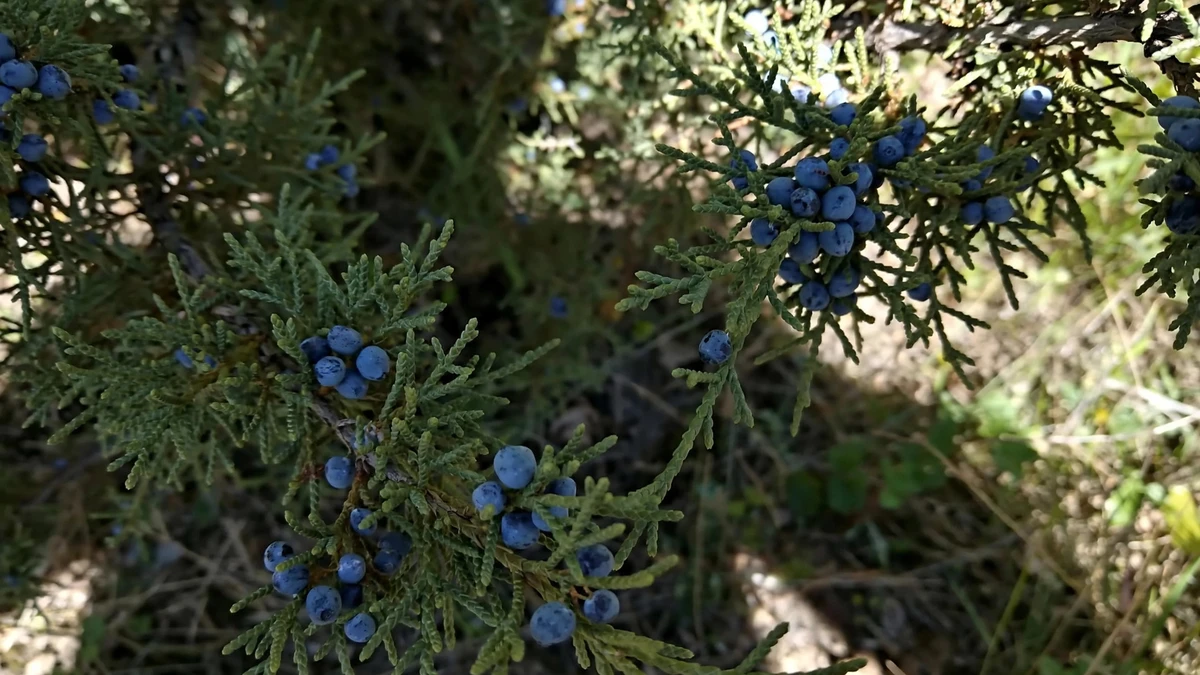
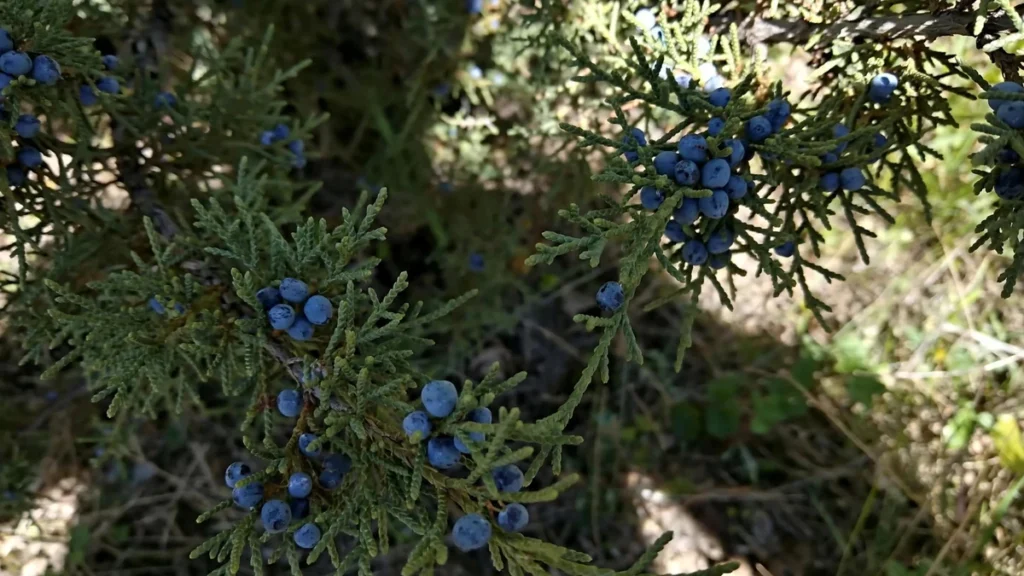
Juniper is a conifer, a family of cone-bearing trees that includes pine, cypress and cedar. The juniper tree grows across the northern hemisphere, from the Mediterranean hills to the mountains of the Balkans and the Himalayas, and it is the berry-like cones that perfumers want. The cones take two to three years to ripen, turning from green to a dusty blue-black, and they are picked by hand, usually in autumn, when the oil inside them is at its richest.
The oil is pulled out by steam distillation. The ripe cones are crushed, steamed, and the vapour is condensed into an oil that smells green, resinous and faintly peppery, with a cool clarity that is hard to describe until you have smelled it. That oil is the material of a juniper perfume. It is not the wood, and it is not the leaves, and those two facts explain most of what juniper does in a bottle.
Juniper has been used in scent for longer than it has been used in gin. The berries were burned as incense and carried as protection long before anyone distilled them, and juniper oil sat in medicine cabinets for centuries before perfumers took it up. Its move into perfume came with the rise of the fougère, the fern-like family of scents built on lavender, coumarin and oakmoss, where juniper’s cold green edge fitted naturally.
How juniper is used in perfume
Perfumers use juniper in three ways, and the difference matters. Berry oil is the bright, gin-like material, and it is the one you want if you are looking for a true juniper perfume. Needle oil is greener and drier, closer to pine, and it is often used to freshen a woody base without adding the gin character. Wood oil is the driest of the three, and it is used sparingly, usually to deepen a cedar or vetiver base.

Most perfumes list simply juniper berry, without saying which material was used, so the note list will not tell you everything. The practical test is the opening. If the first spray smells cold, green and faintly like gin, that is berry oil. If it smells like a pine forest, that is more likely needle oil. A pine perfume is a useful comparison here, because pine and juniper are often confused, and the difference is exactly this cool, gin-like brightness.
Concentration matters too. In an eau de toilette, juniper is a bright flash that fades quickly. In an eau de parfum, the same note is held longer by the heavier base, and in a parfum it can last for hours, though it is never the longest-lived note in the bottle.
9 things worth knowing about juniper perfume
Juniper berries are cones, not berries
What it shows: The blue-black juniper berry is a fleshy cone, not a true berry, and it takes two to three years to ripen on the tree. That slow ripening is part of why the oil is so concentrated. What to consider: A perfume that lists juniper berry is talking about this cone, not a fruit, so do not expect sweetness. The scent is green and resinous, not fruity.
Best for: Anyone who likes botanical notes with a real story behind them. Material: Juniper berry oil, steam-distilled from ripe cones. Price range: Juniper perfumes usually run about $60 to $400, depending on the house. Standout feature: The most botanically interesting note in fresh perfumery.
The scent comes from steam-distilled berries, not the wood
What it shows: Juniper oil comes from the cones, not the trunk or the branches, and the steam distillation is what keeps the scent bright and clean. Wood oil is a different material, drier and heavier. What to consider: If a juniper perfume smells woody and dry rather than bright and green, it may be using wood oil, or the berry oil may be buried under cedar.
Best for: People who want the bright, gin-like juniper rather than a dry woody one. Material: Berry oil for brightness, wood oil for dryness. Price range: Berry-oil-led perfumes usually cost more than wood-led ones. Standout feature: The source of the oil decides the character of the scent.
Juniper is the botanical that defines gin
What it shows: By law, gin must taste predominantly of juniper, and the same berry oil is what perfumers distil for a juniper perfume. That shared material is why a juniper opening so often smells like a gin and tonic. What to consider: The resemblance fades after the opening, so a juniper perfume does not smell like a drink for long. If you dislike gin, you may still like juniper in perfume.
Best for: Gin lovers, and anyone curious about how a flavour becomes a scent. Material: Juniper berry oil, the same oil used in gin. Price range: Gin-inspired juniper perfumes run about $180 to $260. Standout feature: The only perfume note with a drink named after it.
Juniper smells green, resinous and faintly peppery
What it shows: Juniper is green without being grassy, resinous without being heavy, and faintly peppery in a way that keeps it from smelling like a pine forest. That peppery edge is its signature. What to consider: On warm skin, the peppery side can push forward and read as sharp or medicinal, which is why juniper suits cool air better than hot skin.
Best for: People who like fresh scents with an edge, rather than soft or sweet ones. Material: Juniper berry oil, with its natural peppery facet. Price range: Fresh juniper perfumes usually run about $60 to $250. Standout feature: The peppery edge that separates juniper from pine.
Berry oil and needle oil are two different juniper materials
What it shows: Berry oil is bright, gin-like and slightly sweet, while needle oil is greener, drier and closer to pine. Perfumers choose between them depending on whether they want brightness or dryness. What to consider: A note list that says only juniper will not tell you which one was used, so the opening is the only reliable test.
Best for: Shoppers who test on skin, because the two oils smell clearly different in the opening. Material: Berry oil for brightness, needle oil for dryness. Price range: Berry-oil perfumes tend to cost more. Standout feature: Two materials, one name, two different scents.
Juniper needs a woody base to stay on skin
What it shows: Juniper is a top note, so it leaves within the first hour, and what stays behind is the base. A woody or musky base holds the freshness for hours, while a light citrus base lets it go by mid-morning. What to consider: Do not judge a juniper perfume by its opening alone. Wait an hour and smell the drydown, because that is the scent you will actually wear.
Best for: Anyone who wants a fresh scent that lasts past lunch. Material: Juniper berry oil over cedar, vetiver or musk. Price range: Woody-based juniper perfumes run about $110 to $400. Standout feature: The base, not the juniper, decides the wear time.
Citrus and spice are juniper’s best partners
What it shows: Juniper pairs naturally with bergamot, lemon and grapefruit, which lift its brightness, and with cardamom, coriander and pepper, which bring out its spicy side. Those pairings are the backbone of most juniper perfumes. What to consider: Sweet notes like vanilla and amber can smother juniper, and heavy florals can clash with it, so the best juniper perfumes keep the company fresh and dry.
Best for: Lovers of citrus and spice, and anyone building a fresh wardrobe. Material: Juniper berry oil with bergamot, cardamom or pepper. Price range: Citrus-juniper perfumes usually run about $60 to $250. Standout feature: The pairing that makes juniper smell complete.
Juniper and cypress smell alike until you wear them side by side
What it shows: Juniper and cypress are both cool, green conifer notes, and on paper they can be hard to tell apart. On skin, juniper is brighter and faintly peppery, while cypress is drier and more woody. What to consider: If you like one, you will probably like the other, but they are not interchangeable. Cypress is the drier of the two, and juniper is the brighter. Our guide to what a cypress perfume is lays out the difference in full.
Best for: Anyone choosing between the two conifer notes. Material: Juniper berry oil against cypress leaf oil. Price range: Both notes appear in perfumes from about $60 to $400. Standout feature: The closest comparison in all of fresh perfumery.
Most juniper perfumes are fresh, aromatic or fougère
What it shows: Juniper shows up most in fresh, aromatic and fougère scents, the families built on lavender, herbs and woods, because its cold green character fits them naturally. It rarely appears in sweet, gourmand or heavy floral perfumes. What to consider: If you love sweet or powdery scents, juniper may not be your note, and that is fine. It is a fresh note first, and it does its best work in fresh structures. A cedarwood perfume is often the next step for juniper lovers, because cedarwood is the dry, woody base that juniper leans on most.
Best for: Lovers of fresh, aromatic and barbershop scents. Material: Juniper berry oil in fougère and aromatic structures. Price range: Fresh juniper perfumes run about $60 to $400. Standout feature: The note that belongs in fresh structures.
Who a juniper perfume suits best
Juniper suits people who like fresh, green scents with a bit of edge. It works well on skin that runs cool, because cool skin lets the peppery side stay in balance, and it works well in spring and summer, when the note has room to breathe.
It suits men and women equally, though most juniper perfumes are sold as unisex or men’s leaning. Nothing about the note itself is gendered, and it layers well under a floral or citrus scent if you want to soften it. If your skin runs warm, or if you live somewhere very hot, test juniper in the morning and check it again at midday, because heat can push the resinous side forward and make it smell sharp.
The caveats that matter
Juniper is an honest note with clear limits. It fades fast, it can smell sharp on warm skin, and it does not suit sweet or heavy structures. It is also a note that smells very different on paper than on skin, so a blotter test is not enough. Spray it on your wrist, wait an hour, and judge the drydown, not the opening, because the opening is the part that leaves first.
| Detail | What is known |
|---|---|
| What juniper is | A steam-distilled oil from the cones of the juniper tree, which look like berries but are not |
| Where it sits in a perfume | Almost always a top note, opening bright and fading within the first hour |
| What it smells like | Green, resinous and faintly peppery, with a cold, gin-like clarity |
| Best pairings | Citrus, spice and dry woods; it suits fresh, aromatic and fougère scents |
| Who should test carefully | People whose skin runs warm, where juniper can turn sharp or medicinal |
| How long it lasts | The juniper itself fades in about an hour; the base decides the total wear time |
| Best season | Spring and summer, mornings and outdoors, when cool air lets it breathe |
| What it does not do | It does not anchor a perfume on its own; it needs a woody or musky base to last |
If you are pregnant, breastfeeding, or using prescription skincare, juniper berry oil in perfume is generally used at low levels, but check with your clinician if you have a known allergy to conifer oils. A patch test on the inner arm is a sensible first step with any new scent.
Checklist: choosing a juniper perfume honestly
Use these checks before you buy, and again after an hour of wear.
- Check the note list: look for juniper berry specifically, not just juniper, and beware of scents where it is listed last.
- Test on skin, not paper: juniper smells different after an hour on skin than it does on a blotter.
- Check the base: a woody or musky base means the freshness will last; a light citrus base means it will fade fast.
- Check the concentration: an eau de parfum holds juniper longer than an eau de toilette or cologne.
- Start with the reference: try Juniper Sling first, so you know what real juniper smells like before judging the others.
- Wear it in the right weather: test in cool air first, because heat can make juniper smell sharp.
Frequently asked questions
What is a juniper perfume?
A perfume built around juniper berry oil, steam-distilled from the cones of the juniper tree. It smells green, resinous and faintly peppery, and it almost always sits at the top of the scent, opening bright and fading within the first hour.
Does juniper perfume smell like gin?
At the opening, often yes, because gin and juniper perfume use the same berry oil. After an hour the resemblance fades, and the base notes take over, so a juniper perfume smells like a scent, not a drink.
How long does a juniper perfume last?
The juniper itself lasts about an hour. The whole perfume lasts as long as its base, which is usually four to six hours for an eau de toilette and six to eight for an eau de parfum.
Is juniper perfume good for summer?
Yes, it is one of the best summer notes. It smells cool and fresh in warm weather, though on very hot skin it can turn sharp, so a woody base helps it hold up.
Can women wear juniper perfume?
Yes. Most juniper perfumes are unisex or men’s leaning, but nothing about the note itself is gendered, and it works well layered under a floral or citrus scent.
What should I pair juniper with?
Citrus, spice and dry woods. Bergamot and cardamom are the classic partners, and a cedar or vetiver base is what turns a bright juniper opening into a scent that lasts the day.
The bottom line
A juniper perfume is a fresh, green scent built on an oil that most people already know from gin, and its appeal is exactly that cold, resinous clarity. It is not a long-lasting note on its own, and it is not for everyone, but in the right structure, over a woody base, it is one of the most distinctive fresh notes in perfumery.
Start with the reference, test on skin, and judge the drydown after an hour. If the brightness survives and the peppery edge stays in balance, juniper is your note. If it turns sharp, try a woodier juniper, or a cypress perfume instead, and let the conifer family do its work in the form that suits you.