A good cashmere hat is one of the kindest things you can buy a child for winter. Cashmere is soft against the skin, warm without being bulky, and it breathes in a way that acrylic and cheap wool do not. That matters for children, who run hot, who pull at anything itchy, and who will simply take off a hat that does not feel right. A hat that stays on is worth more than a hat that looks good in a photograph.
The problem is that not all cashmere is equal, and children’s cashmere is where the differences show up fastest. A loosely knitted, low-grade cashmere hat will pill within weeks, stretch out of shape, and lose its warmth. A tightly knitted, well-made one will survive a winter of school runs, playgrounds and washing, and still be soft enough for a younger sibling to inherit.
Below are nine cashmere hats for kids worth considering in 2027, from classic beanies to ear-flap styles, in sizes from toddler to pre-teen. Each one is described by what it does well, what to watch for, and who it suits best, so you can choose a hat your child will actually keep on.
Key takeaways
- Cashmere is warm, soft and breathable, which makes it well suited to children’s hats, but quality varies widely between brands.
- A tightly knitted, two-ply cashmere hat will pill less, hold its shape better, and last longer than a loose, single-ply one.
- Fit matters more than brand: a hat should sit snugly without pressing on the forehead, and cover the ears fully.
- Avoid hats with long ties, cords or dangling pom-poms for very young children, and check that any decoration is firmly attached.
- No cashmere hat is maintenance-free, and a hat that is machine-washed on a hot cycle or dried on a radiator will shrink and felt, whatever it cost.
What makes cashmere right for a child’s hat
Cashmere comes from the soft undercoat of cashmere goats, and its fibres are finer and softer than ordinary sheep’s wool. That fineness is why it does not itch the way wool often does, which is the single most important quality in a child’s hat. A child who finds a hat itchy will take it off, and no amount of warmth matters if the hat is sitting in a pocket. Cashmere also traps air between its fine fibres, which is why a thin cashmere hat can be warmer than a thick acrylic one, and why it does not overheat a child who is running around.
The trade-off is care. Cashmere is a natural fibre, and it needs gentler washing than a synthetic hat. It will pill, especially where it rubs against a coat collar or a car seat, and it will felt if it is washed too hot or dried too aggressively. None of that is a reason to avoid it. It is a reason to choose a well-made hat and to wash it properly, because a good cashmere hat that is cared for will outlast several cheap ones.
For children, the practical details matter as much as the fibre. A beanie with a folded brim is the most versatile style, because it can be turned up or down as the child grows. An ear-flap hat with ties is warmer in real cold, but the ties should be short and secure, and avoid ties altogether for toddlers. A pom-pom is charming, but it should be firmly stitched on, not glued, and it should not be so large that it pulls the hat backwards.
How we chose these hats and what to look for
Look first at the knit and the ply. Two-ply cashmere, where two yarns are twisted together, is denser, warmer and more durable than single-ply. Hold the hat up to the light. If you can see through the knit easily, it is too loose and will stretch and pill quickly. A good cashmere hat feels substantial in the hand, even though it is light. Our guide to the best cashmere hats for women uses the same test: density is the best quick guide to quality.

Look next at the fit and the sizing. Children’s hats are usually sized by age or by head circumference, and the two do not always agree. Measure your child’s head around the forehead, just above the ears, and compare it with the brand’s size chart rather than guessing by age. A hat should sit snugly enough to stay on in wind, but not so tightly that it leaves a red mark on the forehead.
Finally, check the lining and the finish. A soft inner band, ideally in cashmere or a smooth cotton, stops the hat from itching at the forehead. Seams should be flat and smooth, with no rough edges inside. If the hat has a pom-pom, tug it firmly. If it moves, it will come off, and a loose pom-pom is a choking hazard for a small child. The same care applies to any buttons, bows or appliqué.
The 9 best cashmere hats for kids of 2027
Johnstons of Elgin Kids
What we like: A classic Scottish-made beanie in two-ply cashmere, tightly knitted, with a neat folded brim and a soft, non-itchy finish. What to consider: Premium price, and the colour range is deliberately restrained. Best for: A first proper cashmere hat that will last more than one winter. Fabric: 100% cashmere, two-ply. Price range: High. Standout feature: Made in Scotland with a heritage knit.
Johnstons of Elgin is the benchmark for cashmere, and the children’s hats are made to the same standard as the adult ones. This is the hat to buy if you want one that will be handed down.
Brora Kids
What we like: Soft, well-made beanies in cheerful colours, with a comfortable ribbed brim and a fit that stays put without squeezing. What to consider: Sizing runs slightly small, so check the size chart before ordering. Best for: Everyday school and nursery wear. Fabric: 100% cashmere. Price range: Mid to high. Standout feature: Bright, child-friendly colours in a classic knit.
Brora’s children’s range is practical without being dull. The colours are the kind children actually choose for themselves, which is half the battle with a winter hat.
The White Company Kids
What we like: A soft, generously sized beanie in neutral colours, with a clean design that matches the rest of a child’s winter wardrobe. What to consider: The knit is slightly looser than the Scottish makers, so it may pill sooner with heavy wear. Best for: A smart, neutral hat for everyday use. Fabric: 100% cashmere. Price range: Mid. Standout feature: Soft neutral palette that pairs with any coat.
The White Company is a good choice if you want a cashmere hat that looks tidy and goes with everything. It is softer and more relaxed than the heritage knits, which some children prefer.
N.Peal Kids
What we like: A refined, well-finished beanie from a cashmere specialist, with a dense knit and a comfortable, non-itchy inner band. What to consider: Higher price, and the style is classic rather than playful. Best for: A smart hat for occasions and family photographs. Fabric: 100% cashmere, two-ply. Price range: High. Standout feature: Dense, durable two-ply knit.
N.Peal’s children’s hats are for parents who want the same quality as the adult range. The knit is dense enough to hold its shape through a full winter of wear.
Kujten Kids
What we like: A modern, colourful beanie in soft cashmere, with a relaxed fit and a contemporary look that older children actually like. What to consider: The fit is roomier than traditional beanies, so younger children may need a smaller size. Best for: Pre-teens who want a hat that looks current. Fabric: 100% cashmere. Price range: Mid to high. Standout feature: Modern colours and a relaxed, slouchy fit.
Kujten is the brand to try if your child has outgrown cute and wants something that looks like the hats older children wear. The softness is genuinely good, and the colours are well chosen.
J.Crew Kids
What we like: A well-priced cashmere-blend beanie with a classic shape, available in a good range of colours and sizes. What to consider: A blend rather than pure cashmere, so it is slightly less soft than the premium options. Best for: A first cashmere hat at a fair price. Fabric: Cashmere blend. Price range: Low to mid. Standout feature: Good value and a wide size range.
J.Crew Kids is a sensible starting point if you want to try cashmere without a premium price. The blend keeps the cost down while keeping most of the softness.
Falke Kids
What we like: A well-engineered hat with a snug, reliable fit, a soft inner band, and a knit that holds its shape well. What to consider: The style is practical rather than fashionable, and the colour range is muted. Best for: Active children and cold weather. Fabric: Cashmere blend. Price range: Mid. Standout feature: A secure, comfortable fit that stays on.
Falke is known for hosiery and knitwear that fits properly, and the children’s hats show it. This is the hat for a child who loses hats, because it is the one most likely to stay on.
Burberry Children
What we like: A beautifully made beanie with the house check lining, soft cashmere, and a finish that feels genuinely luxurious. What to consider: Luxury price, and the check lining is a style choice not every parent wants. Best for: A special gift or a milestone winter. Fabric: 100% cashmere. Price range: High. Standout feature: Iconic check lining and luxury finishing.
Burberry Children is the luxury option, and the quality justifies the price if the hat is a gift or a keepsake. For everyday playground wear, a less expensive hat may be the wiser choice.
Bonpoint Kids
What we like: An exquisitely soft, beautifully finished beanie in gentle colours, made to the standard of a Parisian children’s couture house. What to consider: Very high price, and the delicate knit needs careful handling. Best for: A christening, a portrait, or a very special gift. Fabric: 100% cashmere. Price range: High. Standout feature: Exceptional softness and couture-level finishing.
Bonpoint is the softest hat on this list, and the finishing is beautiful. Keep it for occasions rather than daily playground wear.
Which cashmere hat is right for your child
Start with age and activity. For toddlers, choose a snug beanie with no ties, no cords and no loose decoration. For school-age children, a folded-brim beanie in a colour they chose themselves is the most reliable option, because a child who chose the hat is far more likely to wear it. For pre-teens, fit and style matter more than anything, and a slightly slouchy beanie in a neutral or modern colour is usually the winner.
Think about the rest of the winter wardrobe too. A neutral hat in grey, navy or cream goes with any coat, which matters when a child wears the same coat every day. A bright hat is easier to spot in a playground, which is a practical advantage that parents appreciate. If you are buying a full winter set, a guide to winter coats is useful for matching colours and weights, because a hat that clashes with the coat will be the one left at home.
Budget is a real consideration, because children grow. A premium cashmere hat that fits for one winter and is then handed down is good value. A premium hat that is outgrown in three months is not. If you are unsure about cashmere at all, start with a cashmere blend. It gives you most of the softness at a lower price, and you can move to pure cashmere when you know your child will wear it.
The caveats that matter
Cashmere hats are safe and practical for children, but a few details deserve attention. Long ties, cords and scarves around the neck are a strangulation risk for very young children, so hats for toddlers should have none of these. Pom-poms, buttons and appliqué should be firmly attached, and anything that can be pulled off should be removed before a small child wears the hat. A hat should also never be so tight that it presses on the forehead or leaves a mark, and it should never cover the eyes.
| Detail | What is known |
|---|---|
| Best fibre | 100% cashmere, two-ply, tightly knitted; blends are a fair budget option |
| Best style for toddlers | A snug ribbed beanie with no ties, cords or loose decoration |
| Best style for school age | A folded-brim beanie in a colour the child chose |
| How to size it | Measure head circumference above the ears and use the brand’s size chart |
| What to avoid | Long ties, loose pom-poms, glued decorations, and hats that press on the forehead |
| How to wash it | Hand wash in cool water with a gentle detergent, reshape and dry flat |
| What to expect | Some pilling where the hat rubs against a collar; remove pills with a cashmere comb |
| What it does not do | It does not stay soft if machine-washed hot or dried on a radiator |
If your child has eczema or very sensitive skin, wash a new hat before first wear, and choose a style with a smooth inner band rather than a rough seam at the forehead. If the hat causes redness or itching, stop using it and try a different fibre or a lined style.
Checklist: choosing a cashmere hat for your child honestly
Use these checks before you buy, and again when the hat arrives.
- Check the knit: hold it up to the light; a dense, two-ply knit is better than a loose one.
- Check the fit: measure your child’s head and use the size chart, not age alone.
- Check the inside: seams should be flat and smooth, with a soft inner band at the forehead.
- Check the decorations: tug any pom-pom, button or bow firmly; it should not move.
- Check for ties and cords: toddlers’ hats should have none, and older children’s hats should have short, secure ones only.
- Check the care label: it should say hand wash or gentle cold wash, and dry flat.
Frequently asked questions
What age can a child wear a cashmere hat?
From infancy, as long as the hat fits snugly, has no ties or loose decoration, and does not cover the face. For babies, a soft beanie that stays on without pressing is best, and it should always be removed indoors so the baby does not overheat.
How do I wash a child’s cashmere hat?
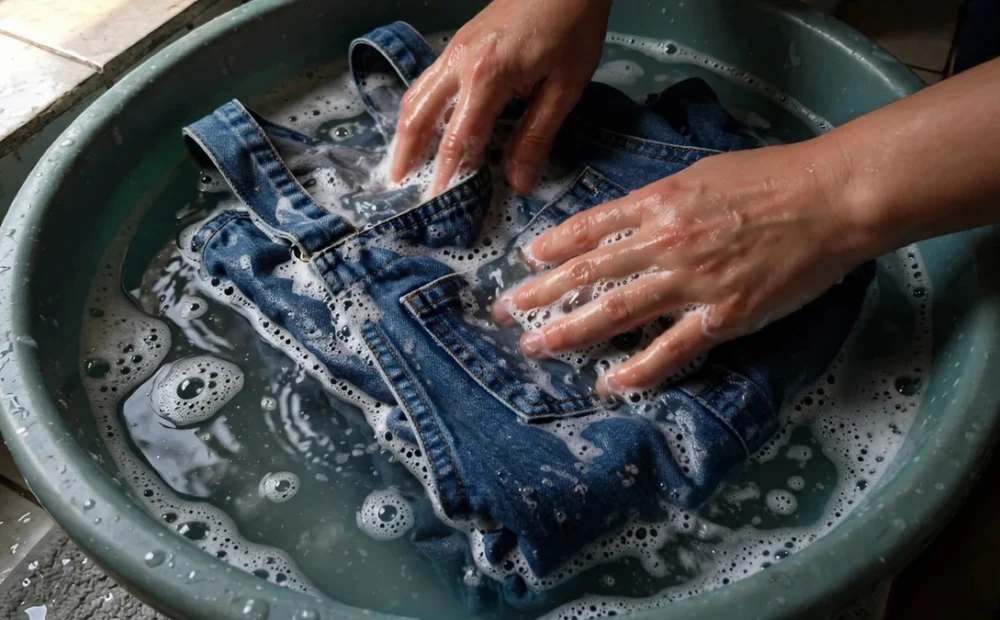
Hand wash in cool water with a small amount of gentle detergent, rinse well, press out the water without wringing, reshape the hat, and dry it flat away from direct heat. Never machine-wash on a hot cycle or tumble dry it.
Will a cashmere hat pill?
Yes, some pilling is normal, especially where the hat rubs against a coat collar. It is not a sign of poor quality. Remove pills gently with a cashmere comb or a fabric shaver, and the hat will look new again.
Is cashmere warmer than wool for children?
Usually yes, weight for weight, because cashmere fibres are finer and trap more air. A thin cashmere hat can be as warm as a much thicker wool one, which is why children find cashmere more comfortable to wear.
How long will a cashmere hat last a child?
One to two winters is realistic, depending on growth and how often it is washed. A guide to cashmere sweaters covers the same care principles, which apply to any cashmere garment.
What if my child refuses to wear a hat?
Let them choose the colour and the style, and make sure the hat is soft and comfortable rather than itchy or tight. A hat that a child helped to pick is far more likely to be worn, and a comfortable hat is more likely to stay on than a fashionable one that irritates.
The bottom line
The best cashmere hat for a child in 2027 is not the most expensive. It is the one with a dense, soft knit, a snug fit, no unsafe decoration, and a colour your child likes. For toddlers, a simple ribbed beanie is the safest and most practical choice. For older children, a folded-brim beanie in a colour they chose is the one most likely to be worn.
Buy quality, wash it gently, and let your child choose. A cashmere hat that is worn every day is worth far more than a beautiful one that sits in a drawer, and a well-cared-for hat will still be soft enough for the next child who needs it.