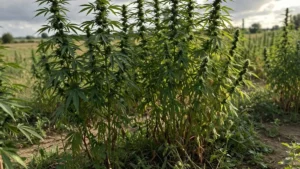
A cocoa plantation escape is not a hotel holiday with chocolate on the side. It is a few nights on a working farm where the day starts with pods being cut from the trees, the air smells of fermenting pulp, and the chocolate you taste at dinner was beans in a box that morning. The farms are small, the harvest runs on its own calendar, and the roads between the airport and the farm are not the kind you want to discover after dark.
The good news is that the planning is mostly a matter of asking the right questions early. Cocoa farms are used to visitors who have never seen a cacao tree, and the ones worth staying at will answer plainly about their harvest dates, their fermentation sheds, and whether the road is passable after rain.
This guide walks through nine steps that are specific to cocoa: timing the fermentation, choosing between a working farm and a chocolate estate, booking the bean-to-bar session, and packing for a place that is wet, warm, and gloriously muddy.
Key takeaways
- Time the trip around fermentation, not just the harvest: the most interesting days are when the boxes are full and the drying beds are out.
- A working farm and a chocolate estate are different holidays; decide which one you want before you compare prices.
- Book the bean-to-bar session and the tasting in advance, because the small farms run them only on set days.
- Pack for mud and mosquitoes, not for a resort: sturdy shoes, light washable clothes, repellent, and a rain jacket.
- Rain, harvest shifts, and slow roads are part of the tropics, so keep one spare day and do not plan the trip to the minute.
What a cocoa plantation escape actually involves
A cocoa plantation escape is usually three or four nights on a cacao farm in the humid tropics, from the Caribbean islands to West Africa and the river valleys of South America. You sleep in a room on the estate, eat food grown nearby, and spend your days with the farm’s own routine: a walk through the groves at first light, a look inside the fermentation boxes, beans spread on drying beds, and a chocolate-making or tasting session in the afternoon. The work is the entertainment, and the farm’s calendar decides what you see.
That calendar is the first thing to understand. Cacao trees fruit in flushes, and the main crop in most regions runs roughly from October to March, with a smaller mid-crop later in the year. During the main crop the farm is busy and fragrant; outside it, the groves are quieter and greener, and the fermentation shed may be empty.
The second thing to understand is that a cocoa farm is a workplace, not a resort. There is no spa, no room service, and no guarantee of dry weather. What there is instead: a guide who can tell a ripe pod from an unripe one by sound, chocolate made from beans you watched being cut, and evenings that end early because the farm starts before dawn.
How to plan well and what to look for
Start with the farm’s own words. A stay worth booking has a website or listing that names its harvest months, says plainly what a day looks like, and lists what is included: grove walks, fermentation visits, tastings, meals, and the transfer. If the listing is vague about the harvest, email and ask.

Then read reviews the way a farmer would: look for the transfer, the food, the guide, and the room, in that order. The useful reviews say how long the drive took, whether the guide showed up, and whether the chocolate session actually happened. Ignore the reviews that only praise the view. A beautiful view does not help if the tasting was cancelled and the guide never appeared. Our guide to planning a coffee plantation escape makes the same point, because farm stays share the same practical questions whatever the crop.
Finally, work out the total cost, not the nightly rate. Add the transfer, the meals that are not included, the chocolate-making session if it is charged separately, and the cost of reaching the region.
How to plan a cocoa plantation escape in 9 steps
Time the trip around fermentation, not just the harvest
What to Do: Ask the farm which weeks its fermentation boxes are full, and book inside that window. What to Avoid: Picking dates from a general “best time to visit” guide without asking the farm. Best For: Anyone who wants to see the bean-to-bar process in action. Time Needed: One email and an afternoon of reading. Standout Tip: The smell of a full fermentation box is the smell of the trip, so plan to be there for it.
Harvest and fermentation are not the same thing. Pods are cut over weeks, but the beans are fermented in batches that last five to seven days, and the drying beds are full only in between. Ask the farm for its fermentation days, not just its harvest months, and you will see the part of the process that makes chocolate taste like chocolate.
Decide between a working farm and a chocolate estate
What to Do: Ask whether the stay is a working farm with a few guest rooms, or an estate with a hotel and a chocolate atelier. What to Avoid: Booking a working farm and expecting resort service, or booking an estate and expecting to cut pods. Best For: Travellers choosing their first cocoa stay. Time Needed: An hour of comparing listings. Standout Tip: Working farms suit the curious; estates suit travellers who want comfort with their chocolate.
The difference matters more than the price. On a working farm you wake to the sound of machetes and eat with the family, and the chocolate session is a demonstration in a shed. On an estate you have a proper room, a restaurant, and a tasting room with a menu, but you may never see a pod cut.
Book the bean-to-bar session before you book the room
What to Do: Reserve the chocolate-making session and the tasting at the same time as the room. What to Avoid: Assuming the session runs every day, or that you can join one on arrival. Best For: Anyone whose main reason for the trip is the chocolate. Time Needed: One email, sent with the booking enquiry. Standout Tip: Small farms run sessions only on set days, and they fill up first.
The bean-to-bar session is the centrepiece of most cocoa escapes, and it is also the thing most likely to be fully booked. A farm with eight rooms may run the session twice a week for six people, which means a third of its guests miss it.
Match the region to the chocolate you like
What to Do: Choose West Africa for bold, earthy chocolate and history; South America for fine-flavour beans and tastings; the Caribbean for beach and farm together. What to Avoid: Picking a region for one photograph without checking the journey. Best For: Travellers deciding between several farms. Time Needed: A few hours of reading and comparing. Standout Tip: The easiest region to reach is often the best first farm stay.
Cocoa regions taste different, and the difference is real. Ghanaian and Ivorian beans make the deep, straightforward chocolate most people know, while Ecuadorian and Peruvian beans are fruitier and more variable, which is why tasters travel for them.
Ask what the tasting actually includes
What to Do: Ask how many chocolates you will taste, whether the beans are the farm’s own, and whether the tasting is guided. What to Avoid: Paying for a “tasting” that turns out to be a single square in the shop. Best For: Anyone comparing two or three farms on value. Time Needed: Ten minutes of questions by email. Standout Tip: A guided tasting of the farm’s own beans is worth more than a shop full of imported bars.
Not every tasting is equal. Some farms walk you through their own beans at several percentages, with a guide who can explain why one bar tastes of red fruit and another of nuts. Others hand you a square in the gift shop and call it a tasting.
Map the last leg of the journey, not just the flight
What to Do: Work out the drive, the boat, or the dirt track from the nearest town to the farm, and who provides it. What to Avoid: Landing late and discovering the farm’s car leaves at nine in the morning. Best For: Everyone, but especially first-time visitors to the region. Time Needed: One email and a check of flight times. Standout Tip: Aim to arrive at the farm in daylight, even if it means an earlier flight.
The last leg is where cocoa trips go wrong. A two-hour drive on a dirt road is fine at noon and miserable at midnight, and a shared transfer that leaves at nine does not wait for a delayed flight. Our guide to planning a tea plantation escape covers the same lesson, because mountain farm roads are no kinder than lowland ones.
Pack for mud, humidity, and mosquitoes
What to Do: Pack sturdy shoes with grip, light washable clothes, a rain jacket, sun protection, and strong insect repellent. What to Avoid: Bringing white clothes, smart shoes, or a heavy suitcase you will have to carry over mud. Best For: Everyone, and especially anyone flying with a small bag. Time Needed: An evening of packing. Standout Tip: Clothes you can wash and dry overnight are worth more than extra outfits.
A cocoa farm is wet, warm, and muddy in the best way, and your clothes will show it. The right bag is a small one with layers you can add or remove, shoes that grip wet earth, and a rain jacket that packs small.
Ask the farm what children can and cannot do
What to Do: Ask which parts of the farm children may join, whether the chocolate session suits them, and what the farm provides for families. What to Avoid: Assuming a working farm is a family attraction, or that a machete demonstration is suitable for a small child. Best For: Families travelling with children under twelve. Time Needed: One careful email before booking. Standout Tip: Children love the chocolate-making; they do not love the fermentation smell, so plan the day around both.
Farms vary widely on children. Some welcome families with open arms and run a shorter chocolate session for young guests; others are working farms with sharp tools, open fermentation boxes, and no fences, and they will tell you honestly that children under a certain age are not safe.
Leave room in your bag for chocolate to bring home
What to Do: Keep space in your luggage for bars from the farm shop, and ask about export and customs rules. What to Avoid: Buying more chocolate than you can carry, or chocolate that will melt before you land. Best For: Anyone who wants the trip to last past the flight home. Time Needed: Ten minutes in the farm shop, and a check of your airline’s rules. Standout Tip: Buy the farm’s own bars, not the imported ones; they are the ones you cannot get at home.
The farm shop is the last pleasure of the trip, and the one most people get wrong. The farm’s own bars, made from its own beans, are the souvenir worth carrying, and they are often sold only there.
Choosing a cocoa region that matches how you travel
Start with your comfort level. If this is your first farm stay, choose a region with easy tourism: Costa Rica, St Lucia, or the Dominican Republic. The farms are well run, the transfers are straightforward, and English is widely spoken.
If you have travelled in the tropics before and want more depth, look at Ecuador or Peru for tasting, or Ghana and Cameroon for history. These trips take more effort, and they repay it.
The caveats that matter
The biggest risk in a cocoa plantation escape is not danger, it is disappointment from poor planning. A farm visited when the fermentation shed is empty is quieter than expected, a chocolate session booked late is fully booked, and a transfer arranged at the last minute is stressful.
| Detail | What is known |
|---|---|
| Best time to plan | Three to six months ahead, so you can book the farm around its fermentation weeks |
| Ideal length | Three to four nights on the farm, plus travel days at each end |
| Budget range | Approximately $80 to $450 per night, plus transfers and flights |
| Session rule | Book the bean-to-bar session with the room, because small farms run it only on set days |
| Who should plan extra time | Travellers with limited mobility, who should check paths and rooms first |
| Health notes | Check malaria and insect advice for your region; carry repellent and medication |
| Packing rule | Light, washable clothes, sturdy shoes with grip, a rain jacket, and sun protection |
| What can still go wrong | Rain, harvest changes, and delays, so keep one spare day if you can |
If you take prescription medication, carry it with you, not in checked luggage, and bring a little more than you need. Rural pharmacies may not stock what you use, and a farm stay is a poor place to run out.
Checklist: planning a cocoa plantation escape honestly
Use these checks before you book, and again a week before you travel.
- Ask the farm for its fermentation weeks, and book inside that window.
- Decide whether you want a working farm or a chocolate estate, and book the bean-to-bar session with the room.
- Check what is included: walks, tastings, meals, transfers, and taxes, in writing.
- Map the last leg of the journey, and choose flights that arrive in daylight.
- Check health advice for your region, and pack repellent, sun protection, and medication.
- Pack for mud and humidity, with sturdy shoes, a rain jacket, and a small dry bag for your camera.
Frequently asked questions
When is cocoa harvest season?
It varies by region, and the main crop usually runs from around October to March, with a smaller mid-crop later in the year. West Africa follows this pattern most closely, while the Caribbean and South America have their own rhythms.
Do I need to like dark chocolate to enjoy a cocoa farm?
No, and many visitors arrive liking milk chocolate and leave liking dark. The tasting teaches you to taste cocoa the way the farm makes it, and the chocolate-making session is interesting even if you never buy a dark bar.
Can I visit a cocoa farm with children?
Yes, on many farms, but ask first. Some farms run a shorter chocolate session for young guests and welcome families warmly; others are working farms with sharp tools and open fermentation boxes, and they will tell you honestly that small children are not safe.
What should I wear on a working cocoa farm?
Light, washable clothes you do not mind staining, sturdy shoes with grip, a hat, and sun protection. Bring a rain jacket that packs small and strong insect repellent.
Can I buy chocolate directly from the farm?
Usually yes, and the farm’s own bars are the best thing in the shop. They are made from the farm’s own beans and often sold only there, so buy them on your last day and pack them in the middle of your bag. Our guide to planning a coconut plantation escape makes the same suggestion, because a farm is best enjoyed with its surroundings.
Is a cocoa plantation stay a good first farm holiday?
Yes, if you choose the right region. Costa Rica, St Lucia, and the Dominican Republic are gentle introductions, with well-organised farms and easy transfers. West Africa and the Amazon are richer trips, but they suit travellers who have been in the tropics before.
The bottom line
Planning a cocoa plantation escape is mostly a matter of order: fermentation first, farm type second, session third, and flights and transfers after those. Get those decisions in the right sequence, ask plain questions, and arrive in daylight with shoes that grip mud. The rest of the trip takes care of itself.
Go with a flexible attitude and one spare day if you can.