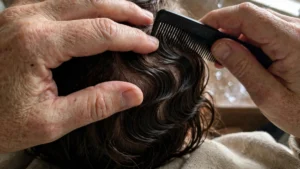
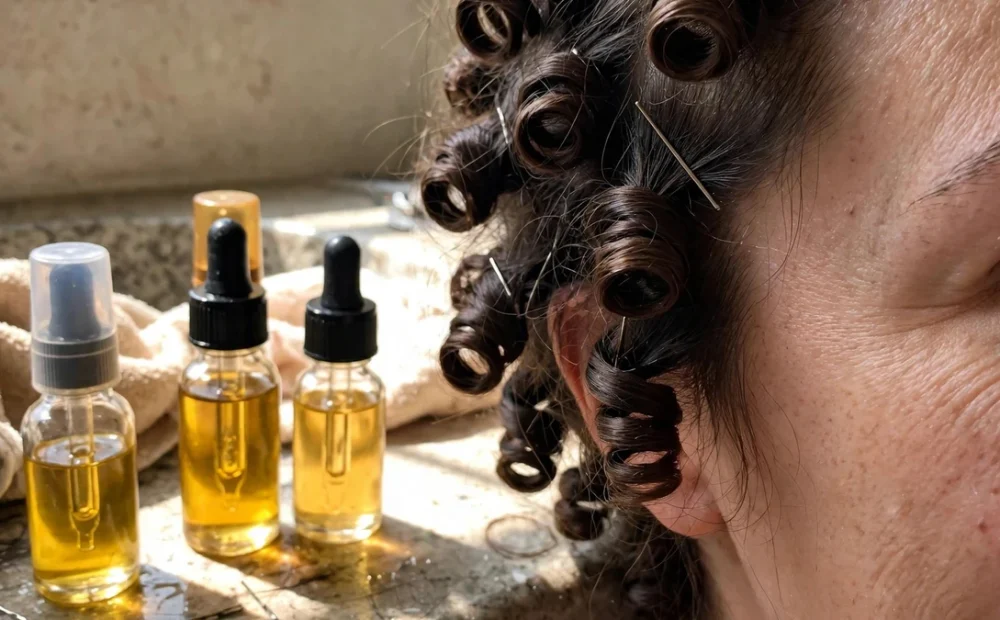
Finger waves are a sculpted style, not a natural texture. The hair is combed into flat, even S-curves that lie close to the head, held in place with gel, clips and patience, then dried into a smooth, glossy shape. The oil you use on them has a very specific job. It must add shine and softness without loosening the wave, weighing the hair down, or turning the set greasy before the day is over.
That is a narrower brief than most hair oils are sold for. A heavy oil that works beautifully on a twist-out or a braid-out can collapse a finger wave in an hour, because the wave depends on the hair staying put. The right oil for finger waves sits in the middle: light enough to keep the shape, rich enough to keep the hair looking polished.
Below are nine oils worth considering in 2027, chosen for how they behave on a set wave. Each one is described by what it does well, what to watch for, and who it suits best, so you can choose with your wave in mind, not just a bestseller list.
Key takeaways
- Finger waves need a light oil that adds shine without loosening the set; heavy oils can collapse the wave within hours.
- Apply oil to your hands first, then smooth it over the surface of the wave, rather than working it through the hair from the roots.
- One or two drops per section is usually enough; more oil does not make waves shinier, it makes them limp and greasy.
- Use oil after the wave is set and dry for shine, and before setting for slip, but never both at full strength on the same day.
- No oil repairs split ends, regrows hair, or holds a wave on its own; setting gel, clips and a full dry are what keep the shape.
What finger waves need from an oil
A finger wave is a surface style. The shine comes from the hair lying flat and smooth, so that light reflects evenly off each curve. Anything that roughs up the surface, adds bulk, or makes the hair sticky will break that reflection. That is why the oil matters so much, and why the same oil can be excellent on a braid-out and disappointing on a finger wave.
The first thing a good finger-wave oil does is seal the surface. Hair that has been combed, clipped and dried can look matte and a little dry, especially at the ends and along the parting. A thin layer of oil smooths the cuticle, which is the outer layer of each hair, and lets light bounce off it. The result is the glossy, almost liquid look that makes a finger wave read as vintage and polished rather than flat and tired.
The second thing it does is keep the hair flexible. A wave that is held only by gel can feel stiff and look brittle. A small amount of oil worked through the hands before the final smoothing keeps the hair supple, so the wave moves slightly when you turn your head instead of sitting like a helmet.
How we chose these oils and what to look for
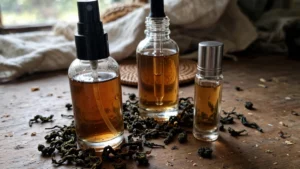
Look first at weight. A finger-wave oil should feel light in the hand and spread thinly. If a drop sits on your palm like a bead and will not spread, it is probably too heavy for a set wave.
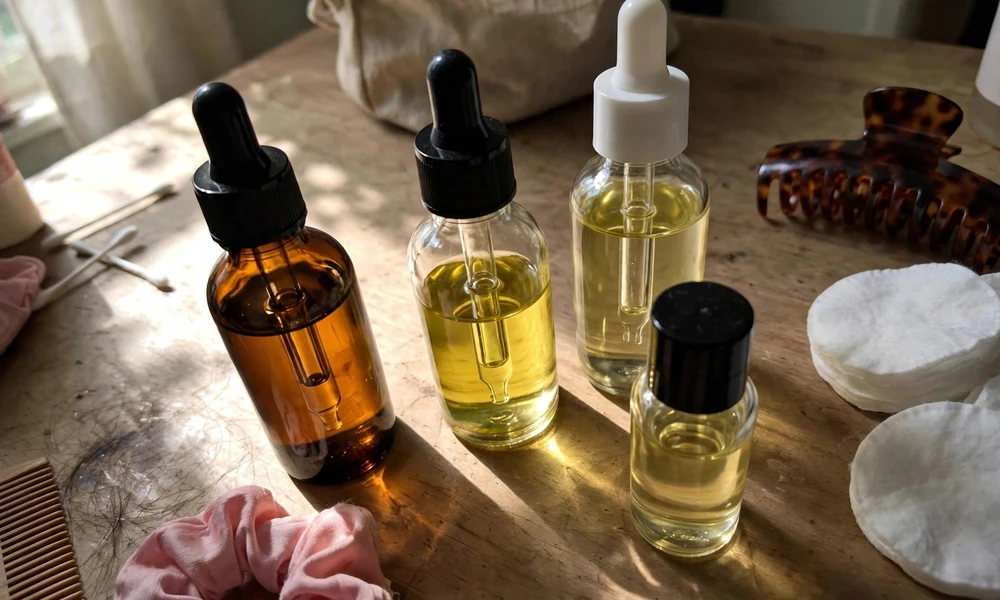
Look next at the finish. Some oils leave a wet, glossy look that suits a dramatic evening wave, while others leave a softer, satin sheen that suits a daytime wave. Neither is wrong, but they are different, and the oil you choose should match the finish you want. Our guide to hair oils for wavy hair covers the same question from the other side, because wavy hair also needs shine without weight, and the oils that work there are often a good starting point here.
Finally, look at the scent and the bottle. Finger waves sit close to the face, so a strong fragrance is hard to ignore all day. A light, clean scent, or no scent at all, is usually the better choice. A dropper or a pump that gives you one or two drops at a time matters more than it sounds, because the difference between a polished wave and a greasy one is often a single extra drop.
The 9 best hair oils for finger waves of 2027
Gisou Honey Infused Hair Oil
What we like: A light, honey-based oil that adds visible shine without a heavy feel, with a soft, sweet scent that fades quickly. It smooths flyaways along the surface of the wave and leaves the hair feeling soft rather than coated.
What to consider: Premium price for the size, and the honey scent, while light, is noticeable for the first hour. Best For: Fine to medium hair, daytime waves. Material: Honey, mirsalehi honey, sunflower oil. Price Range: Around $45 to $50 for 50 ml, approximate. Standout Feature: A satin shine that holds all day without dragging the wave down.
Olaplex No.7 Bonding Oil
What we like: A very light, concentrated oil that adds shine and heat protection in a single step, with no greasy residue. It is designed to work on damaged hair, which makes it useful on hair that has been set, combed and clipped repeatedly.
What to consider: A small bottle at a premium price, and it is easy to use too much because it feels so light. Best For: Damaged or colour-treated hair, fine hair. Material: Bis-aminopropyl diglycol dimaleate, grapeseed oil. Price Range: Around $30 for 30 ml, approximate. Standout Feature: Heat protection up to 450 degrees Fahrenheit, useful if you finish a wave with a dryer.
Moroccanoil Treatment Light
What we like: The light version of a well-known argan oil, made for fine hair, with a smooth, silky texture and a clean, familiar scent. It tames flyaways along the parting and the hairline without flattening the wave.
What to consider: The scent is stronger than some people want for an all-day style, and the regular version is too heavy for most finger waves, so buy the light one. Best For: Fine to medium hair, smooth finishes. Material: Argan oil, linseed extract. Price Range: Around $34 to $44 for 50 ml, approximate. Standout Feature: A silky, even finish that makes the wave look freshly set for hours.
Kérastase Elixir Ultime L’Huile Originale
What we like: A versatile, lightweight oil with a polished, glossy finish and a subtle floral scent. It works as a finishing oil on a set wave and as a pre-set oil on damp hair, which makes it useful if you like one bottle for the whole routine.
What to consider: Premium price, and it can look too glossy if you use more than two drops on fine hair. Best For: Medium to thick hair, evening waves. Material: Camellia oil, marula oil, argan oil. Price Range: Around $50 to $55 for 100 ml, approximate. Standout Feature: A high-gloss finish that reads as vintage and deliberate, not greasy.
Shu Uemura Essence Absolue Nourishing Protective Oil
What we like: A light, fast-absorbing oil with a camellia base, made to protect hair from heat and humidity while adding shine. It is especially useful in damp weather, when a finger wave is most likely to frizz and lose its shape.
What to consider: Premium price, and the bottle is small, so it is best kept for finishing rather than everyday use. Best For: Humid weather, frizz-prone hair. Material: Camellia oil. Price Range: Around $55 to $65 for 150 ml, approximate. Standout Feature: Humidity resistance that helps a set wave hold its shape through a long day.
Aveda Dry Remedy Daily Moisturizing Oil
What we like: A plant-based oil that moisturises dry hair without a heavy or sticky feel, with a soft, herbal scent. It is a good choice for hair that feels dry after setting, because it adds softness without adding weight.
What to consider: It is a moisturising oil rather than a high-shine oil, so the finish is softer and less glossy than the others on this list. Best For: Dry hair, soft daytime waves. Material: Buriti oil, pomegranate oil. Price Range: Around $35 to $40 for 30 ml, approximate. Standout Feature: A soft, touchable finish that keeps the wave looking natural rather than set in place.
Bumble and bumble Hairdresser’s Invisible Oil
What we like: A feather-light oil made for fine hair, with a blend of six oils that absorb quickly and leave almost no residue. It is one of the few oils that can be used on a finger wave without any visible product at all.
What to consider: The finish is subtle, so if you want a dramatic, glossy wave, this may look too quiet. Best For: Very fine hair, subtle finishes. Material: Sweet almond oil, macadamia oil, safflower oil. Price Range: Around $40 to $45 for 100 ml, approximate. Standout Feature: An almost invisible finish that adds softness and a little shine without changing the look of the wave.
Verb Ghost Oil
What we like: A weightless oil with a moringa base, designed to vanish into the hair while adding shine and softness. It is affordable for the size, and the light, clean scent suits a style worn close to the face.
What to consider: It is so light that it can feel like it does nothing on thick hair, where a richer oil would show more. Best For: Fine to medium hair, everyday waves. Material: Moringa seed oil. Price Range: Around $18 to $20 for 60 ml, approximate. Standout Feature: A weightless feel at a lower price than most oils on this list.
Ouai Hair Oil
What we like: A light, multi-use oil with a blend of ama oil, borage oil and baobab oil, with a soft, clean scent. It adds shine and smooths flyaways, and it works on the lengths without making the roots look oily.
What to consider: The scent is more noticeable than the others here, and it is best used sparingly on fine hair. Best For: Medium hair, all-day wear. Material: Ama oil, borage oil, baobab oil. Price Range: Around $28 to $30 for 45 ml, approximate. Standout Feature: A balanced finish that suits both a daytime wave and an evening one.
Which oil suits your hair and your wave
Fine hair needs the lightest oils on this list, such as the Olaplex No.7, the Bumble and bumble Invisible Oil, or the Verb Ghost Oil. Fine hair shows oil quickly, and a heavy oil will make a finger wave look limp within an hour. Start with one drop, smooth it over the surface with your hands, and add a second drop only if the hair still looks dry.
Medium hair has the most choice. The Gisou oil, the Moroccanoil Light, and the Ouai oil all work well, and the difference between them is mostly finish: satin, silky, or balanced. Thick hair can take a richer oil, such as the Kérastase Elixir Ultime or the Shu Uemura Essence Absolue, but it still needs a light hand. Thick hair holds a wave well, and the oil is there to polish it, not to hold it. The oils in our finger coils guide are heavier, because coils need more moisture and weight than a flat wave does, so do not swap them in without testing a small amount first.
The occasion matters too. A daytime wave usually looks best with a soft, satin finish, while an evening wave can take a higher gloss.
The caveats that matter
Oil does not hold a wave. Setting gel, wave clips and a full dry are what keep the shape, and oil is only the finish. If your waves are falling out by lunchtime, the problem is almost certainly the set, not the oil. Check that the hair was damp, not wet, when you set it, that the clips stayed in until the hair was fully dry, and that you did not brush the wave out too hard.
| Detail | What is known |
|---|---|
| Best oil weight | Light and fast-absorbing; heavy oils can collapse a set wave |
| How much to use | One to two drops per section, smoothed over the surface with the hands |
| When to apply | After the wave is set and dry for shine; a little before setting for slip |
| Who should use the lightest oils | Fine hair, and anyone whose waves go limp quickly |
| What to avoid | Working oil through from the roots, which disturbs the wave and adds grease |
| Humidity | Light camellia-based oils help a wave hold its shape in damp weather |
| What oil does not do | It does not repair split ends, regrow hair, or hold a wave on its own |
| When to refresh | A single drop smoothed over the surface the next morning, not a full reapplication |
If you have a sensitive scalp, patch-test a new oil on the skin behind your ear before you use it on a full set. A finger wave sits close to the scalp and the face, so an oil that irritates your skin will be hard to ignore. If you are pregnant, breastfeeding, or using prescription hair or scalp treatment, check with your clinician before adding a new product.
Checklist: choosing an oil for finger waves honestly
Use these checks before you buy, and again after your first set with a new oil.
- Check the weight: it should spread thinly on your palm and absorb within a minute, not sit as a bead.
- Check the finish: decide whether you want a satin sheen or a high gloss, and choose the oil to match.
- Check the scent: it should be light or absent, because the wave sits close to your face all day.
- Check the dispenser: a dropper or pump that gives one or two drops at a time, not a wide opening.
- Start with one drop: smooth it over the surface with your hands, and add a second only if the hair still looks dry.
- Test before an event: set a wave with the new oil once, with the same gel and clips, before you rely on it for a special occasion.
Frequently asked questions
Can I use hair oil on finger waves?
Yes, but use a light oil and apply it to your hands first, then smooth it over the surface of the wave. Working oil through from the roots will disturb the set and make the hair look greasy.
How much oil should I use on a finger wave?
One to two drops per section is usually enough. More oil does not make the wave shinier, it makes it limp. Start with one drop and add a second only if the hair still looks dry.
Should I apply oil before or after setting the wave?
Both, in small amounts. A little oil on damp hair before setting adds slip and makes the combing easier, and a little on the dry wave adds shine. Do not use a full amount at both stages on the same day.
Will oil make my finger waves fall out?
A heavy oil can, because it adds weight and slip to hair that needs to stay put. A light oil, used sparingly on the surface, should not loosen a wave that was set and dried properly.
What is the best oil for fine hair with finger waves?
The lightest oils, such as Olaplex No.7, Bumble and bumble Hairdresser’s Invisible Oil, or Verb Ghost Oil. Fine hair shows oil quickly, so one drop smoothed over the surface is often enough. Our braid-out oils guide is a useful contrast, because braid-outs need heavier oils than a flat wave does.
How do I refresh finger waves the next day?
Smooth a single drop of light oil over the surface with your hands, then reshape any flattened curves with a fine-tooth comb.
The bottom line
The best hair oil for finger waves in 2027 is a light one that adds shine without loosening the set. For fine hair, that means the lightest oils on this list, used one drop at a time. For medium and thick hair, a slightly richer oil can work, as long as it is smoothed over the surface rather than worked through from the roots.
Choose one oil, test it on a full set before an important day, and judge it on how the wave looks at the end of the day, not just how it looks in the mirror in the morning. That is the honest way to find an oil that keeps a finger wave polished, glossy, and in place.