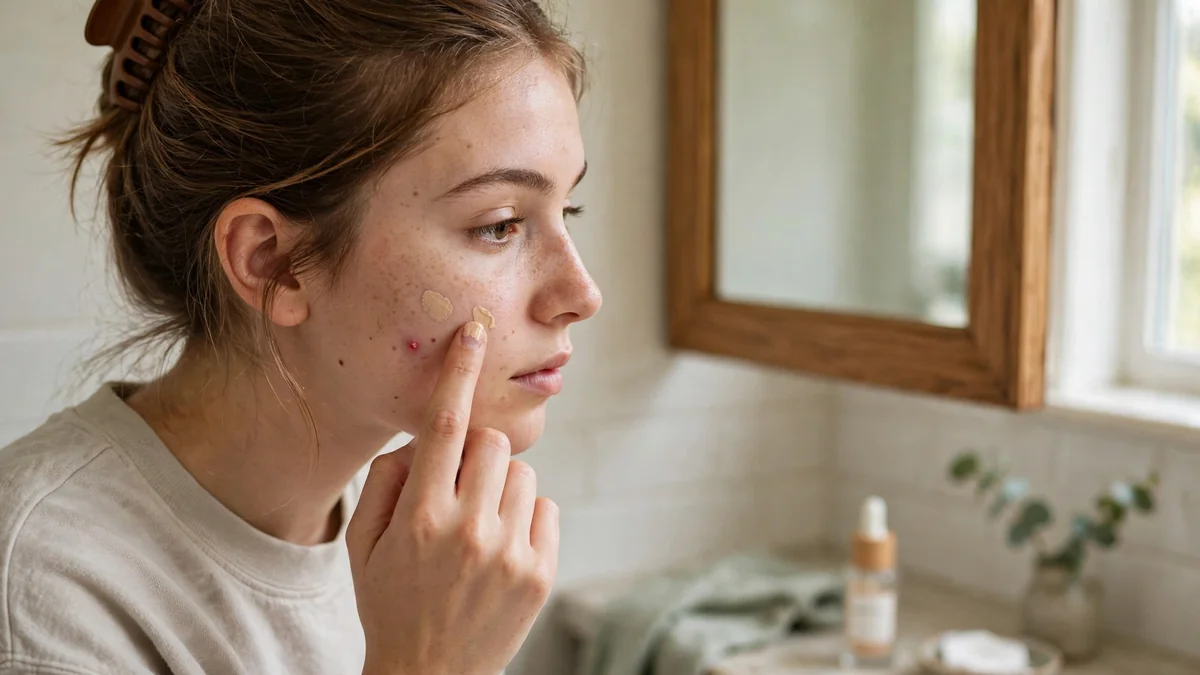

A breakout is annoying enough on its own, and then comes the second problem: how to cover it without making it worse. The wrong concealer sits on top of a spot like a dry patch, draws attention to texture, slides off by lunchtime, or clogs the pore and keeps the breakout going. The right one does the opposite. It blends into the skin, stays put through a long day, and lets the blemish underneath actually heal.
Concealers made for acne-prone skin are not the same as concealers made for under-eyes. They need more coverage in a smaller amount, a finish that does not emphasise flakes or texture, and a formula that will not block pores or irritate already angry skin. Some of the best ones even include gentle skincare ingredients that calm redness while they cover it, which is a genuine bonus rather than a gimmick.
Below are nine concealers worth considering in 2027, from a budget pharmacy staple to a full-coverage favourite that has been in makeup bags for years. Each one is described by what it is good at, what to watch for, and who it suits best, so you can choose with your skin in mind, not just the shade on the bottle.
Key takeaways
- A good acne concealer gives full coverage in a thin layer, with a matte or soft-matte finish that does not emphasise texture or flakes.
- Non-comedogenic, fragrance-free formulas are the safest choice for breakout-prone skin, and a little salicylic acid or niacinamide is a genuine bonus.
- Apply concealer in thin layers with a small brush or a clean fingertip, and let each layer set for a minute before adding more.
- Choose a shade that matches the skin around the blemish, not the redness itself, and set it lightly with powder so it lasts all day.
- No concealer treats acne on its own or clears a breakout faster, and a formula that stings, itches or causes new spots should be stopped straight away.
What a concealer actually does for acne-prone skin
A concealer for acne works differently from a concealer for dark circles. Under-eye concealers are usually creamy, brightening and light in coverage, because the skin there is thin and dry. A blemish concealer needs the opposite: high pigment in a small amount, so it can cancel redness without looking thick, and a finish that stays matte enough to blend with the surrounding skin rather than catching the light and highlighting the bump.
The texture of a spot is the real challenge. A raised blemish, a dry patch from a spot treatment, or a healing scab all catch light differently from flat skin, and a heavy, dry concealer will sit on top of that texture and make it more obvious. That is why the best acne concealers are flexible rather than chalky. They move with the skin and do not crack or flake as the day goes on.
Ingredients matter more here than with most makeup. A concealer that sits directly on a blocked pore for twelve hours should not be adding to the problem, so non-comedogenic formulas are worth looking for. Fragrance, drying alcohol and heavy oils are the most common irritants, while niacinamide can help calm redness and salicylic acid can keep a pore clear. If you are already using a treatment routine, our guide to the best salicylic acid products is a good place to check that your skincare and your makeup are working in the same direction, not against each other.
How we chose these concealers and what to look for
Look first at the coverage and the finish. A good acne concealer should cover redness in one thin layer, with a soft-matte finish that looks like skin rather than makeup. If you need three thick layers to hide a spot, the formula is too sheer for this job, and if it dries down chalky and pale, it will draw more attention to the blemish than the redness ever did.

Look next at the ingredients and the wear time. Non-comedogenic and fragrance-free are the two labels that matter most for breakout-prone skin, and a formula with niacinamide or salicylic acid earns extra credit for calming redness while it covers. Long wear matters too, because a concealer that slides off by midday leaves you reapplying over a spot all day, which is exactly what you do not want. Our guide to the best niacinamide serums explains why that ingredient is so useful for red, reactive skin, and it is worth having in your concealer as well as your serum.
Finally, look at the shade range and the applicator. A shade that matches the skin around the blemish will always look more natural than one matched to the redness itself, and a wide shade range makes that match far easier to find. For a single spot, a small brush or your fingertip gives far more control and a thinner, more natural layer.
The 9 best concealers for acne of 2027
NARS Soft Matte Complete Concealer
What we like: Full coverage with a soft-matte finish that looks like real skin, a flexible texture that does not crack over blemishes, and a shade range that covers most skin tones well.
What to consider: It sets quickly, so blend fast, and it is a premium price for a small tube. Key ingredients: Peptides, hyaluronic acid. Finish: Soft matte. Coverage: Full. Shades: 16. Cruelty-free: No.
This is the concealer to reach for when you want a spot to disappear and stay disappeared. It covers redness in one thin layer, it does not emphasise texture, and it lasts through a long day without fading or settling into lines.
Too Faced Born This Way Multi-Use Sculpting Concealer
What we like: A creamy, blendable formula with a natural finish, good coverage that builds without looking heavy, and a large shade range.
What to consider: The finish is more natural than matte, so very oily skin may want to set it with powder. Key ingredients: Coconut water, alpine rose, hyaluronic acid. Finish: Natural. Coverage: Medium to full. Shades: 35. Cruelty-free: Yes.
A reliable everyday concealer that works for both blemishes and under-eyes. It is one of the easiest to blend, and it is forgiving on skin that is a little dry from spot treatments.
Tarte Shape Tape Concealer
What we like: Very high coverage from a tiny amount, a matte finish that holds up all day, and a large doe-foot applicator that makes application quick.
What to consider: It is easy to use too much, which can look cakey, and the formula can feel drying on flaky skin. Key ingredients: Shea butter, mango seed butter, liquorice root. Finish: Matte. Coverage: Full. Shades: 38. Cruelty-free: Yes.
This is the heavyweight option, and it earns its reputation. A dot the size of a pinhead covers most spots, so use far less than you think you need.
Maybelline Fit Me Concealer
What we like: Affordable, widely available, with a natural finish and a good shade range, and a formula that blends easily without settling into texture.
What to consider: Coverage is medium rather than full, so very red spots may need a second thin layer. Key ingredients: Glycerin, vitamin E. Finish: Natural. Coverage: Medium. Shades: 20. Cruelty-free: No.
The best budget pick in this list, and genuinely good rather than just good for the price. It is the concealer to keep in a handbag for touch-ups, and it rarely causes new breakouts.
Kosas Revealer Concealer
What we like: A skincare-first formula with caffeine, arnica and peptides that calms redness while it covers, a creamy texture that melts into skin, and a medium coverage that looks natural.
What to consider: The coverage is lighter than a full-coverage matte concealer, so very inflamed spots may need layering. Key ingredients: Caffeine, arnica, peptides, hyaluronic acid. Finish: Natural, radiant. Coverage: Medium. Shades: 28. Cruelty-free: Yes.
This is the concealer for skin that is irritated as well as broken out. It feels more like skincare than makeup, and it is one of the kindest formulas here for reactive skin.
Laura Mercier Secret Camouflage
What we like: A two-shade compact that lets you mix your exact match, a creamy, pigmented texture that covers redness precisely, and a finish that stays put for hours.
What to consider: The compact format takes a little practice, and it is a premium price. Key ingredients: Vitamin E, jojoba oil. Finish: Natural matte. Coverage: Full. Shades: 16 duos. Cruelty-free: No.
A makeup artist favourite for a reason. The two shades in one compact mean you can match your skin exactly, even as your tan fades or your skin tone changes through the year.
e.l.f. Hydrating Camo Concealer
What we like: Very affordable, with full coverage and a hydrating finish that does not dry out skin, plus a large doe-foot applicator for quick application.
What to consider: It can crease if applied too thickly, so use a thin layer and set it lightly. Key ingredients: Hyaluronic acid, rose flower water. Finish: Satin. Coverage: Full. Shades: 25. Cruelty-free: Yes.
A budget concealer that performs well above its price. It is a good choice if you use a lot of concealer every day and want a full-coverage option that does not dry your skin out.
IT Cosmetics Bye Bye Breakout Concealer
What we like: Made specifically for blemishes, with salicylic acid, niacinamide and colloidal oatmeal to calm and treat while covering, and full coverage that lasts.
What to consider: The shade range is smaller than some others here, so finding an exact match can be harder. Key ingredients: Salicylic acid, niacinamide, colloidal oatmeal. Finish: Matte. Coverage: Full. Shades: 12. Cruelty-free: No.
The most targeted concealer in this list, designed for exactly this problem. It covers well, and the treatment ingredients mean it is actively helping the spot underneath rather than just hiding it.
Clinique Acne Solutions Clearing Concealer
What we like: A gentle, oil-free formula with salicylic acid that helps clear blemishes while covering them, a natural finish, and a brand with a strong record for sensitive skin.
What to consider: Coverage is medium, so very red spots may need a second layer, and the shade range is limited. Key ingredients: Salicylic acid, caffeine, laminaria extract. Finish: Natural. Coverage: Medium. Shades: 6. Cruelty-free: No.
A sensible, dermatologist-developed choice for skin that breaks out often. It is gentle, it does not clog pores, and it is one of the safest picks for skin that reacts to most makeup.
Which concealer is right for your skin
Very red, inflamed spots need a full-coverage matte concealer applied in a thin layer and pressed in with a fingertip. Look for non-comedogenic formulas with niacinamide or salicylic acid, and set the concealer with a light dusting of powder so it does not slide off as the skin gets oily through the day. Match the shade to the skin around the spot, not to the redness, or the covered area will look darker than the rest of your face.
Dry or flaking skin, often caused by spot treatments, needs a creamier formula that will not cling to flakes. A hydrating concealer with a satin or natural finish is usually better here than a very matte one, and pressing it in with a fingertip rather than a brush helps it melt into the skin. Keep your skincare gentle underneath, and if your cleanser is stripping your skin, our guide to the best cleansers for acne-prone skin can help you find one that cleans without drying you out.
Sensitive or reactive skin needs fragrance-free formulas with as few ingredients as possible. Avoid concealers with heavy fragrance, essential oils or drying alcohol, and patch-test a new concealer on your jawline for two or three days before wearing it all over a breakout. If a concealer stings, itches or brings up new spots, stop using it, even if it covers beautifully.
The caveats that matter
Concealer is makeup, not treatment, and it is worth being honest about what it can and cannot do. It can hide redness for a day, but it cannot clear a breakout, shrink a spot faster, or replace a proper skincare routine. If you are getting frequent, painful or deep breakouts, or breakouts that leave marks and scars, talk to a dermatologist rather than buying a stronger concealer.
| Detail | What is known |
|---|---|
| Best formula for most skin | Non-comedogenic, fragrance-free, full coverage in a thin layer, soft-matte finish |
| How to apply | Thin layers with a small brush or clean fingertip, let each layer set for a minute |
| Choosing a shade | Match the skin around the blemish, not the redness itself |
| Ingredients that help | Niacinamide and salicylic acid calm redness and keep pores clear |
| What to avoid | Fragrance, drying alcohol, heavy oils and very thick, chalky formulas |
| Making it last | Set lightly with powder and avoid touching your face through the day |
| Removing it | Take makeup off every night with a gentle cleanser, never sleep in concealer |
| When to see a dermatologist | Frequent, painful or deep breakouts, or breakouts that leave marks or scars |
Never sleep in concealer, however tired you are. Makeup left on overnight sits in pores for hours, and that is one of the simplest ways to turn a small breakout into a bigger one. Cleanse gently, let your treatment products do their work overnight, and start fresh in the morning.
Checklist: choosing a concealer honestly
Use these checks before you buy, and again after two weeks of use.
- Check the label: non-comedogenic and fragrance-free are the two claims that matter most for breakout-prone skin.
- Check the coverage: one thin layer should cover redness without looking thick, cakey or chalky.
- Check the finish: soft matte or natural, so the concealer blends with skin instead of highlighting texture.
- Patch-test first: try a new concealer on your jawline for two to three days before wearing it over a breakout.
- Apply thinly: press in a small amount with a fingertip and let it set before adding another layer.
- Remove it every night: never sleep in concealer, and cleanse gently so pores stay clear.
Frequently asked questions
Can concealer make acne worse?
Yes, if the formula clogs pores or irritates your skin. Choose non-comedogenic, fragrance-free concealers, apply them in thin layers, and always remove your makeup before bed. If a concealer consistently causes new spots, stop using it and try a simpler formula.
Should I apply concealer before or after foundation?
For blemishes, after foundation usually works better. Apply your foundation first, then add concealer only where you still need it, in a thin layer pressed in with a fingertip. That way you use less product and the coverage looks more natural.
What shade of concealer should I use on a red spot?
Match the skin around the spot, not the redness. A concealer that matches your surrounding skin will cancel the redness and blend invisibly, while one matched to the red spot itself will look too dark. If the redness is very strong, a thin layer of green colour corrector underneath can help, but keep it minimal.
How do I stop concealer from looking cakey on a spot?
Use less than you think you need, press it in with a warm fingertip instead of dragging a brush across it, and let each thin layer set for a minute before adding more. A light dusting of powder on top will set it without adding thickness.
Can I use concealer on a spot that is healing or flaking?
Yes, but choose a creamy, hydrating formula rather than a very matte one, and press it in gently with a fingertip. Matte concealers tend to cling to flakes and make them more visible. Moisturise the area first and let it sink in before applying makeup.
Is it safe to use concealer with salicylic acid every day?
For most people, yes, as long as the rest of your routine is not overloaded with exfoliating acids. If your skin feels dry, tight or irritated, you may be using too many active ingredients at once, so drop the acid concealer for a few days and keep your routine simple.
The bottom line
The best concealer for acne in 2027 is not the one with the highest coverage or the highest price. It is the one that hides redness in a thin, natural-looking layer, stays put all day, and does not cause new breakouts while it does its job. For most skin, that means a non-comedogenic, fragrance-free formula with a soft-matte finish, in a shade matched to the skin around the blemish.
Choose one full-coverage concealer for bad days and one lighter one for everyday wear, apply both in thin layers, and always take your makeup off before bed. That is the honest way to cover a breakout without making it worse, and it works far better than piling on more product.
Note: This guide is general skincare information, not medical advice. Patch-test new products, and speak to a dermatologist if you have frequent, painful or deep breakouts, or breakouts that leave marks or scars.