A diamond engagement ring is the one piece of jewellery most people buy once, wear every day, and expect to keep for decades. That makes the choice feel heavier than it needs to be. The diamond trade has its own language, its own grading certificates, and its own pricing quirks, and a first-time buyer can easily pay a premium for a feature that barely shows on the hand, or save money on a stone that looks tired in daylight.
The good news is that the essentials are simple. Cut matters more than carat weight. Colour and clarity matter most at the margins, where a well-chosen stone looks identical to a far more expensive one.
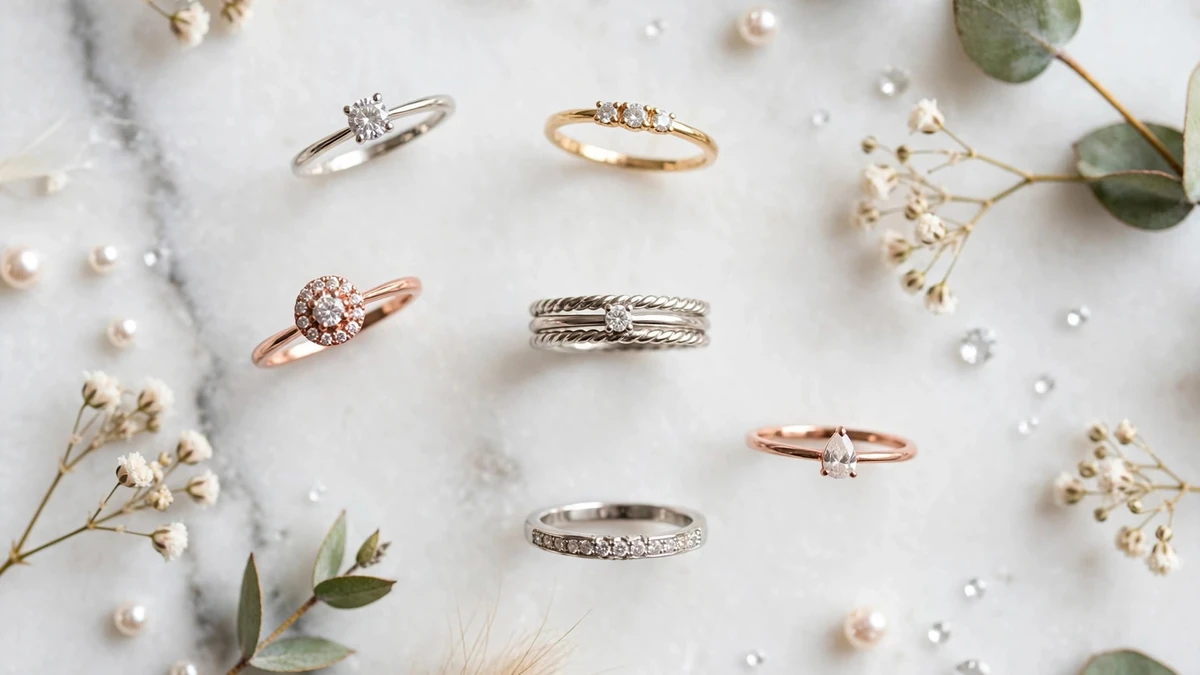
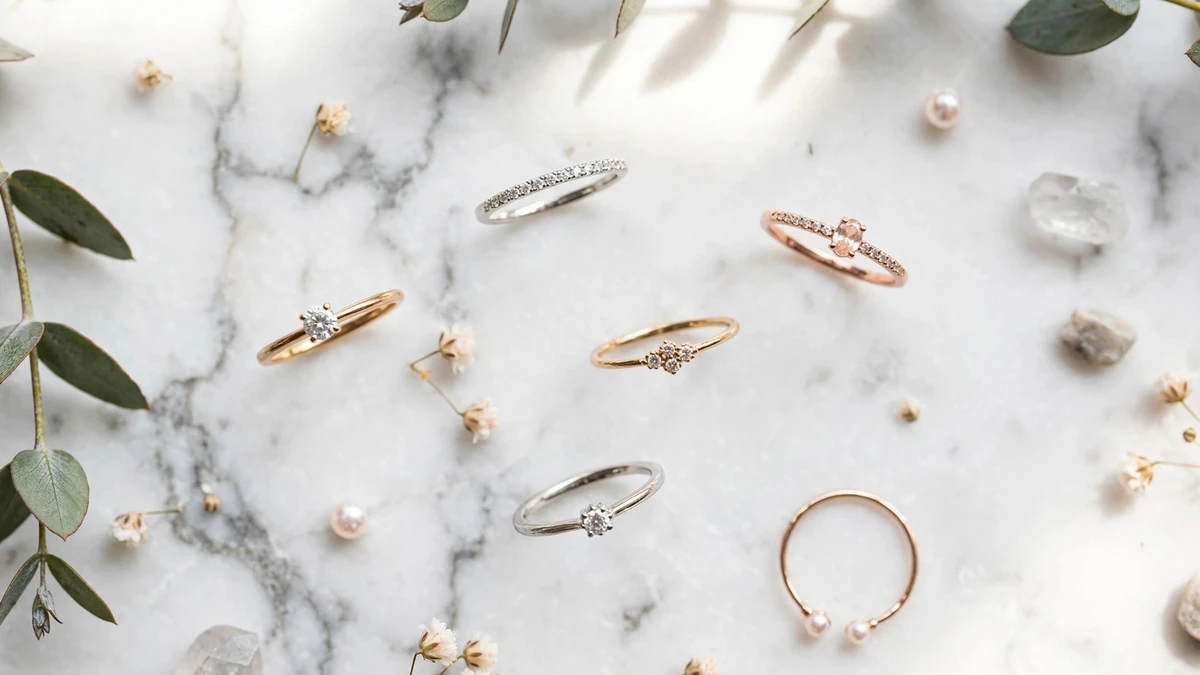
Below are nine diamond engagement rings worth considering in 2027, from a classic solitaire to a halo, a three-stone, and a pavé design. Each one is described by what it does well, what to watch for, and who it suits best, so you can choose with the stone in mind, not just the price tag.
Key takeaways
- Cut is the single biggest influence on how bright a diamond looks, and it matters more than carat weight alone.
- A near-colourless G or H diamond looks white in most settings, and an eye-clean VS2 or SI1 diamond looks clean to the naked eye.
- Solitaire settings show a diamond at its brightest, while halo and pavé settings make a centre stone look larger.
- Platinum is naturally white and needs no re-plating, while white gold needs its rhodium coating refreshed every year or two.
- No diamond is an investment, and a ring should be judged on how it looks on the hand and how well it is made, not on resale value.
What a diamond engagement ring actually is
A diamond engagement ring is a band, usually gold or platinum, set with one or more diamonds, with a centre stone that carries most of the visual weight. The centre stone is graded on the four Cs: cut, colour, clarity and carat weight. Cut describes how well the stone’s facets return light. Colour runs from D, which is colourless, down through the alphabet, with most buyers choosing the near-colourless range. Clarity describes inclusions, the tiny internal marks every natural diamond carries to some degree. Carat weight is simply the size of the stone.
What matters in practice is balance. A brilliantly cut one-carat diamond will out-sparkle a poorly cut two-carat stone, and it will cost far less. A G-colour diamond looks white in a yellow gold setting and in most white metal settings, while a D-colour stone is worth the premium only in a large, open setting where its colourlessness is visible. An eye-clean SI1 diamond, with inclusions invisible without magnification, looks the same on the hand as a flawless stone, for a fraction of the price.
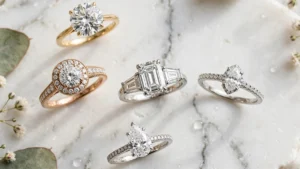
The setting is the other half of the ring. A solitaire holds one stone high in prongs and lets light in from every side. A halo surrounds the centre stone with a ring of small diamonds, making it look larger. A pavé band adds sparkle along the shank. A bezel wraps the stone in metal, protecting it at the cost of some light.
How we chose these rings and what to look for
Look first at the cut grade. For a round brilliant, choose Excellent or Ideal cut, and check the proportions, not just the headline grade. A well-cut stone returns light evenly across the table, with no dark centre and no dull edges. For a fancy shape such as an oval, cushion or emerald cut, there is no single cut grade, so judge by eye and by the stone’s sparkle in daylight, not only under shop lighting.

Look next at colour and clarity together. In a white metal setting, aim for G or H colour and VS2 or SI1 clarity, and inspect the stone with your own eyes before buying. In a yellow or rose gold setting, you can go a little lower on colour, because the warm metal masks a faint tint. Avoid stones with inclusions directly under the table, the large flat facet on top, where they are most visible, and avoid stones with strong fluorescence in a high colour grade, which can look milky in sunlight.
Finally, look at the metal and the making. Platinum is denser and heavier than gold, naturally white, and hypoallergenic, but it costs more and develops a soft patina over time. Gold is lighter and comes in yellow, white and rose, with 14 karat the harder, more practical choice for daily wear and 18 karat the richer, softer one. Our diamond buying guide explains the four Cs in more detail, because understanding the certificate is what stops a buyer paying for a feature that does not show.
The 9 best diamond engagement rings of 2027
Tiffany & Co. Tiffany Setting
What we like: The original six-prong solitaire, designed in 1886, holds a round brilliant high above the band so light reaches it from every angle. What to consider: Premium price, and the tall setting can catch on clothing. Stone: Round brilliant diamond, near-colourless. Setting: Six-prong solitaire. Best for: A classic, timeless proposal. Price range: Premium.
This is the ring other solitaires are measured against. It is not the cheapest way to buy a diamond, and the high setting needs care, but for a buyer who wants the most recognised engagement ring design in the world, it remains the reference point.
Cartier Solitaire 1895
What we like: A restrained four-prong solitaire with a slim band and a beautifully finished setting that lets the stone do the talking. What to consider: The slim band suits smaller stones best, and sizing can be limited. Stone: Round brilliant diamond, near-colourless. Setting: Four-prong solitaire. Best for: An understated, elegant proposal. Price range: Premium.
A quiet, confident choice for someone who finds a six-prong setting too tall. The band is delicate, so it pairs best with a centre stone under two carats, where the proportions stay balanced.
David Yurman Solitaire Cable
What we like: A twisted cable band gives a classic solitaire a distinctive, sculptural character without overpowering the stone. What to consider: The cable texture can trap dirt and needs regular cleaning. Stone: Round brilliant diamond, near-colourless. Setting: Six-prong solitaire on a cable band. Best for: A solitaire with personality. Price range: Premium.
This is a good middle ground between a plain band and a heavily decorated setting. The cable adds texture and grip, and it makes the ring easy to recognise, though it does need a brush and warm soapy water more often than a smooth band.
Mejuri The Solitaire
What we like: A clean, modern solitaire at a fair price, with a well-cut centre stone and a simple band that suits everyday wear. What to consider: A smaller range of stone sizes, and the setting is simpler than a heritage house design. Stone: Round brilliant diamond, near-colourless. Setting: Four-prong solitaire. Best for: A first diamond ring on a sensible budget. Price range: Mid-range.
A practical, no-fuss option for buyers who want a good stone in a well-made setting without paying a luxury brand premium. The proportions are honest, and the ring is easy to wear every day.
Monica Vinader Solitaire Signet
What we like: A signet-inspired solitaire that feels contemporary and wearable, with a comfortable band and a secure setting. What to consider: The signet style suits a smaller stone, and it reads more modern than classic. Stone: Round brilliant diamond, near-colourless. Setting: Bezel-leaning solitaire. Best for: A modern, everyday engagement ring. Price range: Mid-range.
This is a good choice for someone who wants an engagement ring that looks at home with jeans as well as with evening dress. The lower profile is practical, and the stone is well protected.
Missoma Solitaire Stacking
What we like: A slim solitaire designed to stack with wedding and eternity bands, with a neat profile and a bright centre stone. What to consider: Best bought with the wedding band in mind, and the slim shank can feel light. Stone: Round brilliant diamond, near-colourless. Setting: Four-prong solitaire. Best for: A ring that stacks with a wedding band. Price range: Mid-range.
A sensible pick if the wearer plans to stack rings. The slim band sits flush against a wedding band, and the centre stone is bright enough to hold its own beside pavé or plain bands.
Maria Black Solitaire Sculptural
What we like: A sculptural, architectural setting that turns a solitaire into a design piece, with strong lines and a secure stone. What to consider: The bold design is not for everyone, and it suits a confident, modern style. Stone: Round brilliant diamond, near-colourless. Setting: Sculptural prong solitaire. Best for: A design-led engagement ring. Price range: Mid-range.
This is the ring for someone who wants their engagement ring to look like a piece of contemporary jewellery, not a copy of a traditional design. The setting is secure, and the stone still gets plenty of light.
Astrid & Miyu Solitaire Halo Band
What we like: A solitaire with a halo of small diamonds that makes the centre stone look larger, at a price that stays reachable. What to consider: Halo stones need regular prong checks, and the ring is harder to resize. Stone: Round brilliant diamond with a pavé halo. Setting: Halo solitaire. Best for: Maximum sparkle on a moderate budget. Price range: Mid-range.
A halo is the most effective way to make a centre stone look bigger without paying for a bigger stone. The trade-off is maintenance, so budget for an annual check with a jeweller.
Thomas Sabo Solitaire Charm
What we like: An accessible solitaire with a bright centre stone and a clean, wearable design that works as an engagement ring or a promise ring. What to consider: A smaller stone range, and the design is simpler than a fine jewellery house piece. Stone: Round brilliant diamond, near-colourless. Setting: Four-prong solitaire. Best for: An affordable first diamond ring. Price range: Affordable.
A good entry point for buyers who want a genuine diamond engagement ring without a four-figure budget. The stone is bright, the setting is secure, and the ring is easy to wear daily.
Which diamond engagement ring is right for you
Start with the shape. A round brilliant is the brightest and the easiest to buy well, because cut grades are standardised and the stone hides inclusions better than most shapes. An oval looks larger per carat and elongates the finger, but it needs a well-cut stone to avoid a dark bow-tie effect across the centre. A cushion is softer and more romantic, while an emerald cut is elegant and architectural, but it shows inclusions more readily, so clarity matters more.
Next, match the setting to daily life. A low, bezel or six-prong solitaire suits someone who works with their hands, because the stone is protected and the ring catches less. A halo or pavé setting suits someone who wants maximum sparkle and is happy to have the ring checked once a year. A three-stone setting suits a buyer who wants symbolism and presence, with the side stones adding width as well as light. Our guide to solitaire engagement rings covers the classic setting in more depth, because it is the design most buyers start with.
Finally, set the budget by the stone, not the brand. Spend most of the budget on the centre diamond, choose a well-cut stone in the G to H colour range with eye-clean clarity, and pick a setting that protects it.
The caveats that matter
A diamond engagement ring is a significant purchase, and a few honest caveats are worth knowing before you buy. Natural and lab-grown diamonds are chemically identical, but lab-grown stones cost far less and hold almost no resale value, while natural diamonds also lose a large share of their retail price on resale.
| Detail | What is known |
|---|---|
| Most important of the four Cs | Cut, because it decides how bright the diamond looks |
| Best value colour and clarity | G or H colour, VS2 or SI1 clarity, eye-clean |
| Brightest shape | Round brilliant, with standardised cut grades |
| Most protective setting | Bezel, which wraps the stone in metal |
| Most sparkle per carat | Halo and pavé settings, which add small diamonds around the centre stone |
| Metal that needs least care | Platinum, naturally white with no re-plating |
| What to avoid | Stones with inclusions under the table, and strong fluorescence in high colour grades |
| What it does not do | A diamond ring is not an investment, and no stone holds its retail price on resale |
Check the certificate before you pay. A reputable grading report from GIA or IGI lists the four Cs, the proportions, and any treatments, and it should match the stone in the ring. Ask for the certificate number, check it against the report online, and have the ring independently appraised for insurance. If you are buying online, use a seller with a clear return policy and a money-back guarantee, and have the ring checked by an independent jeweller within the return window.
Checklist: choosing a diamond engagement ring honestly
Use these checks before you buy, and again when the ring arrives.
- Check the cut first: Excellent or Ideal for a round brilliant, and judge fancy shapes by eye in daylight.
- Check the colour and clarity: G or H colour and eye-clean VS2 or SI1 clarity is the value sweet spot.
- Check the certificate: a GIA or IGI report that matches the stone, with no undisclosed treatments.
- Check the setting: prongs firm and even, the stone secure, and the band comfortable on the finger.
- Check the size: have the finger sized properly, and confirm the ring can be resized if needed.
- Check the insurance: get an independent appraisal and add the ring to your insurance the same week.
Frequently asked questions
How much should I spend on a diamond engagement ring?
There is no rule worth following. Spend what you can afford, put most of the budget into the centre stone, and remember that a well-cut one-carat diamond looks better than a poorly cut two-carat stone. A smaller stone in a well-made setting is the smarter buy.
Is a lab-grown diamond a real diamond?
Yes. A lab-grown diamond is chemically and physically identical to a natural diamond, and it is graded the same way. The difference is price and resale value: lab-grown stones cost far less, and they hold almost no resale value, while natural diamonds also lose much of their retail price on resale.
What is the best diamond shape for an engagement ring?
A round brilliant is the brightest and the easiest to buy well. An oval looks larger per carat and elongates the finger, a cushion is softer and more romantic, and an emerald cut is elegant but shows inclusions more readily, so clarity matters more.
Should I choose platinum or white gold?
Platinum is naturally white, denser, heavier and hypoallergenic, and it never needs re-plating, but it costs more. White gold is lighter and cheaper, but its rhodium coating wears off in one to two years and needs refreshing. Our guide to diamond necklaces uses the same metal advice, because the trade-offs are identical across diamond jewellery.
Can a diamond engagement ring be resized?
Most solitaires and plain bands can be resized by one or two sizes, but full pavé, halo and tension settings are harder or impossible to resize. Have the finger sized properly before ordering, and ask the jeweller about resizing before you buy.
How do I care for a diamond engagement ring?
Clean it in warm water with mild soap and a soft brush, have the prongs checked once a year, and take it off for heavy manual work, gardening and the gym. Store it separately from other jewellery so the diamond does not scratch softer stones or metal.
The bottom line
The best diamond engagement ring in 2027 is not the biggest stone or the most expensive brand. It is a well-cut diamond, in the G to H colour range with eye-clean clarity, set securely in a metal that suits daily life, and chosen for how it looks on the hand rather than how it reads on a certificate. A classic solitaire is the safest choice, a halo or three-stone is the best way to add presence, and a bezel is the most practical for an active life.
Buy the certificate, not the story. Check the four Cs, inspect the stone in daylight, confirm the setting is secure, and insure the ring the week it arrives. That is the honest way to buy a ring that will be worn every day for decades, without paying for a feature that never shows.