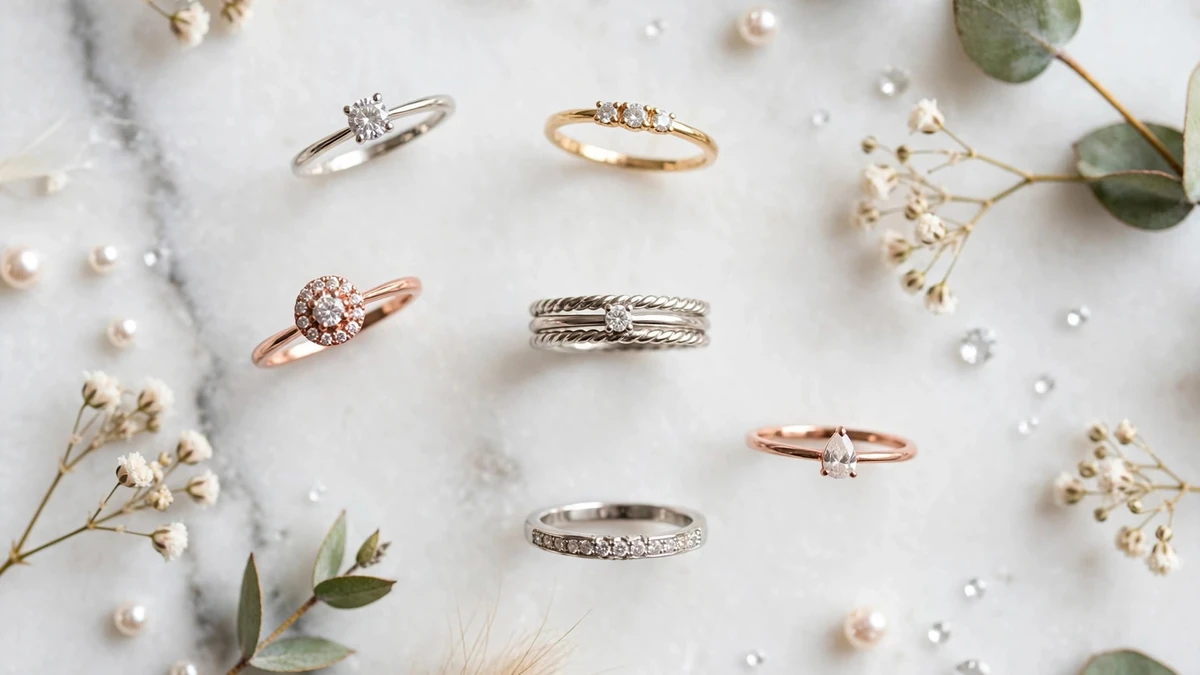
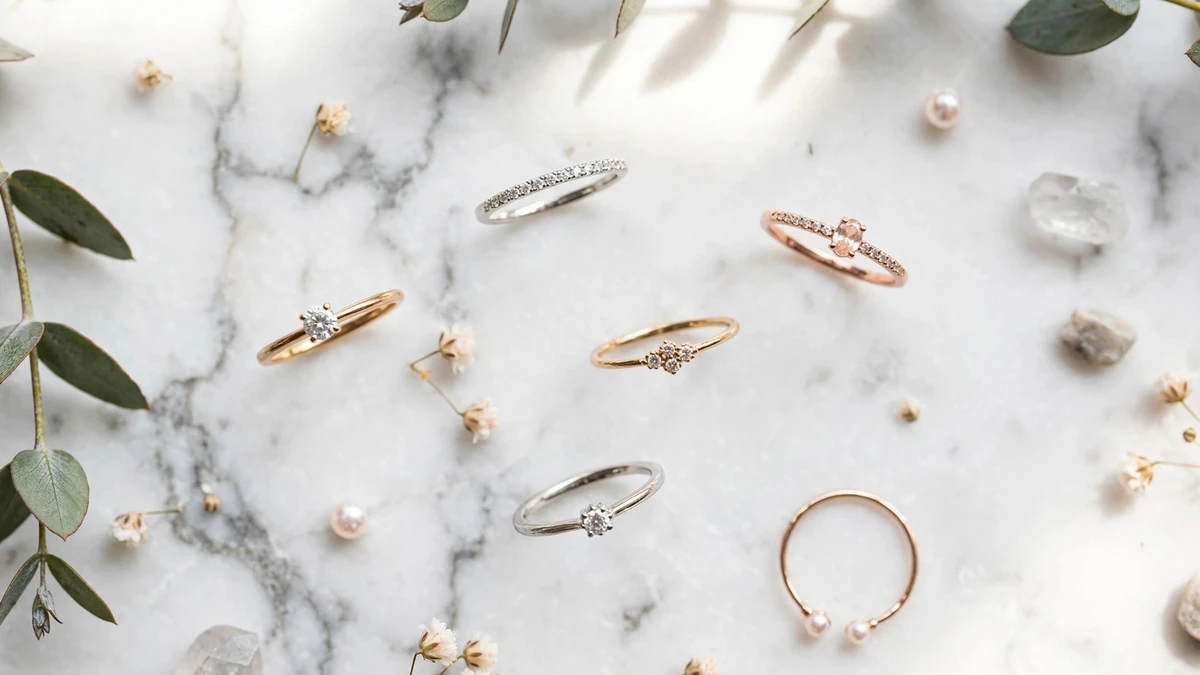
Moissanite has gone from a curiosity to a serious choice for an engagement ring. It is a silicon carbide stone that sparkles more than a diamond, costs a fraction of the price, and is durable enough for daily wear. For buyers who want a large, bright stone without a five-figure budget, it is now the most realistic alternative on the market.
That does not mean it is a diamond. Moissanite is a different stone with its own behaviour: it is doubly refractive, so it can show a rainbow flash that diamonds do not, and in some lighting it can show a faint warm or green tint. Some people love that extra fire. Others find it distracting, and they only discover the difference after the ring arrives.
Below are nine moissanite engagement rings worth considering in 2027, from a classic solitaire to a halo, a three-stone, and a pavé design. Each one is described by what it does well, what to watch for, and who it suits best, so you can decide with your eyes open, not just your budget in mind.
Key takeaways
- Moissanite is silicon carbide, not a diamond, and it sparkles with more rainbow fire than a diamond of the same size.
- It is nearly as hard as a diamond, at 9.25 on the Mohs scale, so it is durable enough for everyday wear.
- A well-cut moissanite looks white and bright in most settings, but larger stones can show a faint warm or green tint.
- Moissanite costs a fraction of a diamond, so a buyer can choose a larger stone or a more elaborate setting for the same budget.
- Moissanite is not a diamond and not an investment, and it should be bought for its own qualities, not as a copy of a diamond.
What a moissanite engagement ring actually is
A moissanite engagement ring is a band, usually gold or platinum, set with one or more moissanite stones. Moissanite is silicon carbide, a mineral first found in a meteor crater and now grown in a laboratory. It is not a diamond, and it is not cubic zirconia. It is a distinct gemstone with its own optical properties, and it is graded and sold on its own terms.
The key property is double refraction. A diamond is singly refractive, which means light splits once as it passes through the stone. Moissanite is doubly refractive, which means light splits twice, producing a vivid, rainbow-coloured sparkle that is stronger than a diamond’s. In bright light this looks spectacular. In some indoor lighting it can look busier than a diamond, and that is the main reason to see a moissanite in person before buying.
On hardness, moissanite scores 9.25 on the Mohs scale, second only to diamond at 10. That makes it tough enough for daily wear, resistant to scratching, and suitable for prong, halo and pavé settings. It is also lighter than a diamond, so a moissanite of the same carat weight looks slightly larger. And because it is lab-grown, it is consistent in quality and free of the ethical and sourcing questions that surround mined diamonds.
How we chose these rings and what to look for
Look first at the cut and the colour grade. Moissanite is sold in colour grades, with colourless and near-colourless stones the most desirable. A colourless moissanite looks white in most settings, while a near-colourless stone can show a faint warm tint in a larger size, especially in a yellow gold setting. Ask for the colour grade in writing, and inspect the stone in daylight and in warm indoor light before committing.

Look next at the brand and the warranty. Reputable moissanite brands, such as Charles & Colvard, sell stones with a certificate and a lifetime warranty against clouding and colour change. Unbranded stones can be fine, but they vary more in cut and colour, and the warranty is often weaker. A certificate and a clear return policy matter more with moissanite than with diamond, because the stone is newer and the market is less standardised.
Finally, look at the setting and the metal. A solitaire shows a moissanite at its brightest, while a halo adds sparkle and makes the centre stone look larger. Platinum is naturally white and needs no re-plating, while white gold needs its rhodium coating refreshed every year or two. Our comparison of diamond versus moissanite engagement rings explains the differences side by side, because the choice is easier once you have seen both stones in the same light.
The 9 best moissanite engagement rings of 2027
Tiffany & Co. Moissanite Solitaire
What we like: A classic six-prong solitaire with a bright, colourless moissanite held high so light reaches it from every angle. What to consider: Premium price for a moissanite ring, and the tall setting can catch on clothing. Stone: Round brilliant moissanite, colourless. Setting: Six-prong solitaire. Best for: A classic, timeless proposal. Price range: Premium.
This is the ring for a buyer who wants a heritage house design with a moissanite stone. It is not the cheapest way to buy moissanite, but the setting is beautifully made, and the stone is bright and well cut.
Cartier Moissanite Solitaire
What we like: A restrained four-prong solitaire with a slim band and a beautifully finished setting that lets the stone do the talking. What to consider: The slim band suits smaller stones best, and sizing can be limited. Stone: Round brilliant moissanite, colourless. Setting: Four-prong solitaire. Best for: An understated, elegant proposal. Price range: Premium.
A quiet, confident choice for someone who finds a six-prong setting too tall. The band is delicate, so it pairs best with a centre stone under two carats, where the proportions stay balanced.
David Yurman Moissanite Cable
What we like: A twisted cable band gives a classic solitaire a distinctive, sculptural character without overpowering the stone. What to consider: The cable texture can trap dirt and needs regular cleaning. Stone: Round brilliant moissanite, colourless. Setting: Six-prong solitaire on a cable band. Best for: A solitaire with personality. Price range: Premium.
This is a good middle ground between a plain band and a heavily decorated setting. The cable adds texture and grip, and it makes the ring easy to recognise, though it does need a brush and warm soapy water more often than a smooth band.
Mejuri The Moissanite Solitaire
What we like: A clean, modern solitaire at a fair price, with a well-cut centre stone and a simple band that suits everyday wear. What to consider: A smaller range of stone sizes, and the setting is simpler than a heritage house design. Stone: Round brilliant moissanite, colourless. Setting: Four-prong solitaire. Best for: A first moissanite ring on a sensible budget. Price range: Mid-range.
A practical, no-fuss option for buyers who want a good stone in a well-made setting without paying a luxury brand premium. The proportions are honest, and the ring is easy to wear every day.
Monica Vinader Moissanite Signet
What we like: A signet-inspired solitaire that feels contemporary and wearable, with a comfortable band and a secure setting. What to consider: The signet style suits a smaller stone, and it reads more modern than classic. Stone: Round brilliant moissanite, colourless. Setting: Bezel-leaning solitaire. Best for: A modern, everyday engagement ring. Price range: Mid-range.
This is a good choice for someone who wants an engagement ring that looks at home with jeans as well as with evening dress. The lower profile is practical, and the stone is well protected.
Missoma Moissanite Stacking
What we like: A slim solitaire designed to stack with wedding and eternity bands, with a neat profile and a bright centre stone. What to consider: Best bought with the wedding band in mind, and the slim shank can feel light. Stone: Round brilliant moissanite, colourless. Setting: Four-prong solitaire. Best for: A ring that stacks with a wedding band. Price range: Mid-range.
A sensible pick if the wearer plans to stack rings. The slim band sits flush against a wedding band, and the centre stone is bright enough to hold its own beside pavé or plain bands.
Maria Black Moissanite Sculptural
What we like: A sculptural, architectural setting that turns a solitaire into a design piece, with strong lines and a secure stone. What to consider: The bold design is not for everyone, and it suits a confident, modern style. Stone: Round brilliant moissanite, colourless. Setting: Sculptural prong solitaire. Best for: A design-led engagement ring. Price range: Mid-range.
This is the ring for someone who wants their engagement ring to look like a piece of contemporary jewellery, not a copy of a traditional design. The setting is secure, and the stone still gets plenty of light.
Astrid & Miyu Moissanite Halo
What we like: A solitaire with a halo of small moissanite stones that makes the centre stone look larger, at a price that stays reachable. What to consider: Halo stones need regular prong checks, and the ring is harder to resize. Stone: Round brilliant moissanite with a pavé halo. Setting: Halo solitaire. Best for: Maximum sparkle on a moderate budget. Price range: Mid-range.
A halo is the most effective way to make a centre stone look bigger without paying for a bigger stone. The trade-off is maintenance, so budget for an annual check with a jeweller.
Thomas Sabo Moissanite Charm
What we like: An accessible solitaire with a bright centre stone and a clean, wearable design that works as an engagement ring or a promise ring. What to consider: A smaller stone range, and the design is simpler than a fine jewellery house piece. Stone: Round brilliant moissanite, colourless. Setting: Four-prong solitaire. Best for: An affordable first moissanite ring. Price range: Affordable.
A good entry point for buyers who want a bright, durable engagement ring without a four-figure budget. The stone is bright, the setting is secure, and the ring is easy to wear daily.
Which moissanite engagement ring is right for you
Start with the colour grade. A colourless moissanite looks white in most settings and is the safest choice for a larger stone, where a faint tint is most visible. A near-colourless stone can be a good value in a smaller size or in a yellow gold setting, where the warm metal masks a faint tint. Inspect the stone in daylight and in warm indoor light, because the tint shows differently in each.
Next, match the setting to daily life. A low, bezel or six-prong solitaire suits someone who works with their hands, because the stone is protected and the ring catches less. A halo or pavé setting suits someone who wants maximum sparkle and is happy to have the ring checked once a year. A three-stone setting suits a buyer who wants symbolism and presence, with the side stones adding width as well as light. Our guide to non-diamond engagement rings covers the wider alternatives, because moissanite is only one of several stones worth considering.
Finally, set the budget by the stone, not the brand. Moissanite costs a fraction of a diamond, so the same budget buys a larger stone or a more elaborate setting. Spend on a well-cut, colourless stone from a reputable brand with a certificate and a lifetime warranty, and pick a setting that protects it. A well-cut moissanite in a well-made setting will look brighter than a poorly cut diamond at ten times the price.
The caveats that matter
A moissanite engagement ring is an honest, practical choice, and a few caveats are worth knowing before you buy. Moissanite is not a diamond, and it should not be sold or bought as one. Its rainbow fire is stronger than a diamond’s, which some people love and others find distracting, and the only way to know which camp you are in is to see the stone in person. Larger stones show the difference more clearly, so a two-carat moissanite looks less like a diamond than a one-carat one.
| Detail | What is known |
|---|---|
| What moissanite is | Silicon carbide, lab-grown, a distinct gemstone, not a diamond |
| Hardness | 9.25 on the Mohs scale, second only to diamond, durable for daily wear |
| Sparkle | Doubly refractive, with stronger rainbow fire than a diamond |
| Best colour grade | Colourless, especially for larger stones where a tint shows most |
| Most protective setting | Bezel, which wraps the stone in metal |
| Most sparkle per carat | Halo and pavé settings, which add small stones around the centre stone |
| What to avoid | Unbranded stones with no certificate, and large stones bought without seeing them in person |
| What it does not do | Moissanite is not a diamond and not an investment, and it holds almost no resale value |
Check the certificate and the warranty before you pay. A reputable moissanite brand provides a certificate of authenticity and a lifetime warranty against clouding and colour change, and the stone should be engraved or accompanied by paperwork that identifies it. If you are buying online, use a seller with a clear return policy and a money-back guarantee, and have the ring checked by an independent jeweller within the return window.
Checklist: choosing a moissanite engagement ring honestly
Use these checks before you buy, and again when the ring arrives.
- Check the colour grade: colourless is the safest choice, especially for a larger stone.
- Check the cut: a well-cut stone returns light evenly, with no dark centre and no dull edges.
- Check the brand and warranty: a reputable brand, a certificate, and a lifetime warranty against clouding.
- Check the stone in person: see it in daylight and warm indoor light before committing.
- Check the setting: prongs firm and even, the stone secure, and the band comfortable on the finger.
- Check the size: have the finger sized properly, and confirm the ring can be resized if needed.
Frequently asked questions
Is moissanite a real gemstone?
Yes. Moissanite is silicon carbide, a real mineral first found in a meteor crater and now grown in a laboratory. It is a distinct gemstone in its own right, not a diamond and not cubic zirconia, and it is graded and sold on its own terms.
Can anyone tell moissanite from a diamond?
Often, yes, to a trained eye. Moissanite is doubly refractive, so it shows a rainbow flash that a diamond does not, and larger stones can show a faint warm or green tint. Most people will not notice on the hand, but a jeweller with a tester can tell the difference immediately.
Is moissanite durable enough for everyday wear?
Yes. At 9.25 on the Mohs scale, moissanite is second only to diamond in hardness, and it resists scratching and chipping well. It is suitable for prong, halo and pavé settings, and it needs no more care than a diamond ring.
Does moissanite hold its value?
No. Moissanite costs a fraction of a diamond and holds almost no resale value, much like a lab-grown diamond. It should be bought to wear and enjoy, not as an investment.
Should I choose platinum or white gold?
Platinum is naturally white, denser, heavier and hypoallergenic, and it never needs re-plating, but it costs more. White gold is lighter and cheaper, but its rhodium coating wears off in one to two years and needs refreshing. Our guide to halo engagement rings uses the same metal advice, because the trade-offs are identical across engagement ring styles.
How do I care for a moissanite engagement ring?
Clean it in warm water with mild soap and a soft brush, have the prongs checked once a year, and take it off for heavy manual work, gardening and the gym. Store it separately from other jewellery so the stone does not scratch softer stones or metal.
The bottom line
The best moissanite engagement ring in 2027 is a well-cut, colourless stone from a reputable brand, set securely in a metal that suits daily life, and chosen for its own sparkle rather than as a copy of a diamond. A classic solitaire is the safest choice, a halo is the best way to add presence on a moderate budget, and a bezel is the most practical for an active life.
See the stone before you buy it. Check the colour grade, the certificate and the warranty, inspect it in daylight and in warm indoor light, and confirm the setting is secure. That is the honest way to buy a ring that will be worn every day for decades, at a fraction of the price of a diamond, without any surprises after the proposal.