

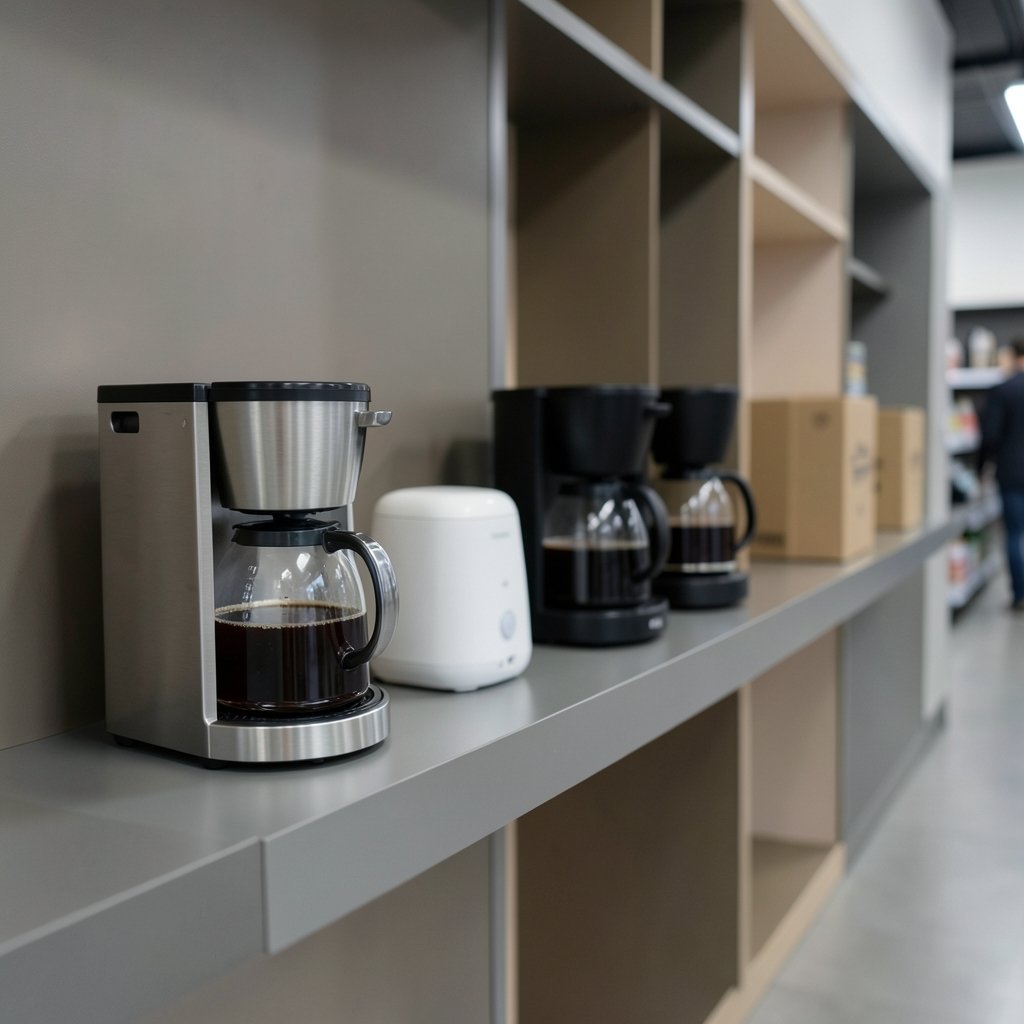
What if the biggest upgrade to your morning coffee isn’t a new bag of beans, but the machine sitting on your counter? That’s the question worth asking before you spend anything on a drip brewer in 2027. The category has split into two clear camps: machines that chase SCA certification and precise brew temperatures, and machines that chase convenience with apps, pods, and built-in grinders. Both can make good coffee. Only one will fit how you actually brew.
This roundup covers six specific machines that show up again and again on the ranking pages, with who each one suits, what it does well, and where it falls short.
The Shortlist at a Glance
| Machine | Best for | Carafe | Price (where listed) | Standout feature |
|---|---|---|---|---|
| Breville Precision Brewer Thermal | Serious brewers who want control | Thermal | $249.95 | SCA-certified, six brew modes |
| OXO Brew 9-Cup | One-button simplicity | Thermal | $200 | SCA-certified, bloom phase |
| Bonavita Connoisseur | Budget buyers | Glass or thermal | $100 | Brews well above its price |
| Moccamaster | Buy-it-once minimalists | Glass or thermal | Not listed | Repairable, single perfect cycle |
| Cuisinart DCC-3200 | Big households on a budget | 12-cup glass | Not listed | Programmable, large batch |
| Breville Grind Control | Fresh-ground convenience | Carafe | Not listed | Built-in adjustable grinder |
Prices above come from published reviews. Where no price was stated in the sources, none is listed here. Check the manufacturer’s page for current pricing before buying.
Breville Precision Brewer Thermal: The Best Overall Pick
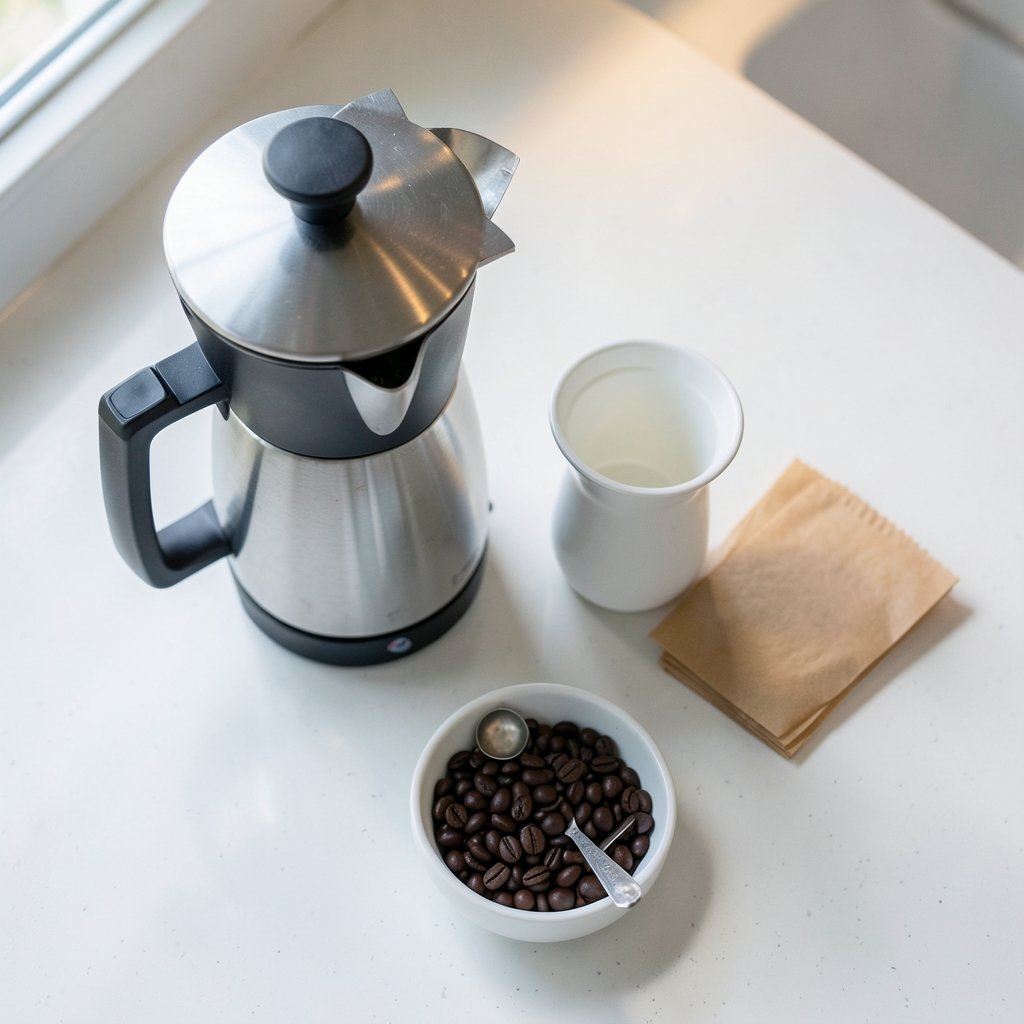
If someone wants the closest thing to a lab-grade drip brewer for the home kitchen, this is the machine most reviews point to. The Precision Brewer Thermal (model BDC450BSS) is SCA-certified and targets a brew temperature of 197 to 205°F, which is the range the Specialty Coffee Association certifies as ideal for extraction. It runs on 1,500 watts, holds 12 cups, and pours into an insulated stainless steel thermal carafe.
What makes it worth the money is the control. There are six brewing modes, including a programmable bloom time for fresher coffee and a My Brew mode that lets you adjust every parameter. It can brew into the thermal carafe or directly into your own pour-over dripper. It’s also a repeat favorite among dedicated coffee communities and was named a top pick by major testing outlets.
The limitation? Complexity. All those modes mean a learning curve, and if you just want coffee at 6:45 a.m. without thinking, you’re paying for levers you may never pull. At $249.95, it’s also the priciest machine on this list.
Who it suits: anyone who treats brewing as a hobby and wants to taste the difference between a 2-minute bloom and a 45-second one. If that sounds exhausting, keep reading. For a broader look at how brew temperature and extraction play out across machines, see this comparison of automatic drip brewers and what actually separates them.
OXO Brew 9-Cup: Best for One-Button Simplicity
The OXO Brew 9-Cup proves you don’t need a control panel full of options to hit SCA standards. It’s SCA-certified, operates with a single button, and costs around $200. Under the hood, it uses a displacement heating system with a programmed bloom phase and a notably slower overall brew cycle. That longer contact time produces measurably higher extraction than faster brewers, according to comparative testing.
That slower cycle is the whole trick. Most budget drip machines rush the water through and leave flavor behind. The OXO trades speed for a fuller cup, and it does so without asking you to program anything.
The limitation is flexibility. There’s no custom profile mode, no cold brew setting, and no way to tweak bloom volume. You get one well-designed cycle and that’s it. For a lot of households, that’s exactly right.
Who it suits: the person who wants certified-brewing-standard coffee with zero fiddling. If you’re weighing simplicity against features across the whole category, this guide on the best coffee maker for how you actually drink coffee digs into that trade-off.
Bonavita Connoisseur: The Budget Standout
Here’s the machine that makes expensive brewers nervous. The Bonavita Connoisseur costs about $100 and, by multiple accounts, brews as well as machines twice its price. It’s the budget pick in roundups that otherwise recommend $200 to $300 machines.
How does it pull that off? By skipping the extras. No app, no screen, no presets. Just a hot showerhead, a properly sized basket, and a thermal carafe option. The money goes into the parts that touch the coffee.
The limitation is everything around the coffee. The build is plain, the interface is a single switch, and you won’t find programmable timers or bloom adjustments. It also has a smaller footprint in features than in size, so don’t expect it to handle a 12-cup crowd.
Who it suits: first-time buyers, renters, and anyone who wants genuinely good drip without a $250 commitment. If you’re upgrading a whole kitchen setup, it pairs well with advice on how to pick the best drip coffee maker for your kitchen based on counter space and daily volume.
Moccamaster: The Buy-It-Once Machine
The Moccamaster is the philosopher’s coffee maker. It does one thing, does it well, and refuses to apologize for the absence of a touchscreen. It’s an SCA Certified Home Brewer rated for 196 to 205°F, and it uses a displacement heating system where water is heated and pushed upward by steam pressure. Testing shows a gradual warm-up before stabilizing around 206 to 208°F, a strong result for a machine this mechanically simple.
The real selling point is longevity. It’s built to be repaired for a decade, with parts you can actually replace. That’s rare in a category full of sealed electronics.
The limitation is philosophical as much as practical. There’s no interface to learn because there’s nothing to learn. No bloom adjustment, no saved profiles, no cold brew mode. If you want to set variables, this machine will frustrate you.
Who it suits: the minimalist who wants one excellent brew cycle and no app dependency. The Moccamaster versus Breville debate really comes down to whether you want to touch the controls at all.
Cuisinart DCC-3200: Best for Big Households
The Cuisinart DCC-3200 is the classic 12-cup glass carafe workhorse. It’s programmable, it handles full pots, and it’s the kind of machine that shows up in roundups aimed at people who want scheduled carafe brewing and adjustable warming more than pod versatility.
What it does well is volume and routine. Set it the night before, wake up to a full pot, and keep it warm while the household cycles through. The glass carafe makes it easy to see how much is left, which sounds trivial until you’ve guessed wrong with a thermal model.
The limitation is the glass carafe itself. Glass holds heat less effectively than thermal, and coffee sitting on a warming plate degrades in flavor the longer it sits. If you’re a one-cup-at-a-time drinker, a 12-cup glass pot is the wrong tool.
Who it suits: families, offices, and anyone brewing a full pot most mornings. If you want to keep that pot tasting fresh longer, a good vacuum option matters, and this guide to thermoses that keep coffee hot and tasting good covers what actually works.
Breville Grind Control: Best Built-In Grinder
The Breville Grind Control solves two problems at once: you get freshly ground beans for every brew without the counter space, cost, or extra step of a separate grinder. It brews anywhere from a single cup to a 12-cup carafe, and it’s the premium pick among machines with built-in grinders.
The honest caveat: grinders inside coffee makers are almost always a compromise. They’re not as adjustable or precise as a standalone burr grinder. Whether that trade-off works depends on how much you care about dialing in your grind. For most people who want fresh coffee without a second appliance, it’s fine. For someone chasing the perfect extraction, it isn’t.
The limitation is exactly that compromise, plus the cleaning routine. Built-in grinders need regular attention to avoid stale oils building up in the chute. Skip that maintenance and your fresh-ground advantage quietly disappears.
Who it suits: anyone who wants whole-bean freshness without buying and storing a separate grinder. If you’re still deciding between machine types, this overview of what actually matters before you buy coffee makers is a useful gut check.
How to Choose Without Overthinking It
Now that you’ve seen the options, here’s the decision framework. Sort these three questions in order.
- Which kind of “automatic” do you want? Programmable drip means grounds in, coffee out, no grinder. Bean-to-cup means whole beans in a hopper and the machine grinds per cup. Pick the category before the model.
- Do you want thermal or glass? Thermal carafes hold heat without a warming plate, which preserves flavor. Glass carafes are cheaper, easier to monitor, and better for full-pot households that drink it fast.
- How many levers do you actually want to pull? Every add-on, from the timer to the built-in grinder to the drink presets, costs you a lever you might eventually want to pull. More electronics also mean more potential points of failure. A simple machine is often more reliable than a complex digital interface you have to reprogram every time the power blinks.
One more practical note: verify the exact model number printed on the box before buying. Some listings online don’t map cleanly to a single official model, so reservoir size, brew-size count, and bundled accessories can vary. Check the model number rather than relying on the product title.
And if you’re wondering whether app-connected brewers are worth it, the answer depends on whether the machine still brews well from its own controls. Smart features make sense if you like tuning your brew or starting it from your phone. The trade-off is dependence on Wi-Fi and on the manufacturer continuing to support the app. If you only want coffee, skip the smart layer.
Conclusion
The best drip coffee maker for 2027 isn’t the one with the longest feature list. It’s the one that matches your morning. If you want control and certified performance, the Breville Precision Brewer Thermal earns its $249.95. If you want one button and excellent results, the OXO Brew 9-Cup at $200 is the smarter buy. If you want to spend $100 and get coffee that embarrasses pricier machines, the Bonavita Connoisseur is the honest answer. And if you want a machine you’ll still be repairing in 2037, the Moccamaster is built for exactly that.
Pick the category first, the carafe second, and the model last. Your 6:45 a.m. self will thank you.
Frequently Asked Questions
What is the best drip coffee maker overall for 2027?
The Breville Precision Brewer Thermal is the strongest overall pick for people who care about extraction. It’s SCA-certified, brews at 197 to 205°F, and offers six modes including programmable bloom time. It costs $249.95 and pours into an insulated thermal carafe.
Is SCA certification actually important?
It’s a meaningful shortcut. SCA-certified brewers are verified to hit the right brew temperature range and extraction standards. The OXO Brew 9-Cup, Breville Precision Brewer, and Moccamaster all carry certification, which is why they cluster at the top of most roundups.
What’s the best budget drip coffee maker?
The Bonavita Connoisseur, at roughly $100. Multiple reviews note it brews as well as machines twice its price. You give up programmable timers, bloom adjustment, and app features, but the coffee in the cup holds up.
Thermal carafe or glass carafe?
Thermal if you brew smaller amounts and want coffee to stay hot without a warming plate degrading the flavor. Glass if you brew full pots for a household and drink them quickly. Glass is cheaper and easier to monitor, but it holds heat poorly.
Do I need a coffee maker with a built-in grinder?
Only if convenience outweighs precision for you. Built-in grinders save counter space and a separate purchase, but they’re rarely as adjustable as a standalone burr grinder. They also need regular cleaning to avoid stale oils collecting in the chute.
Are smart, app-connected drip coffee makers worth it?
They’re worth it if you genuinely enjoy tuning brew profiles or starting coffee remotely. The catch is that you’re depending on Wi-Fi and on the manufacturer keeping the app alive. Before buying, confirm the machine brews well from its own physical controls.











