



An oily scalp and hair oil sound like a bad match, and for years that was the standard advice: if your roots go flat by midday, keep oil far away from them. The problem with that advice is that it treats every oil as the same. A heavy castor or coconut oil will sit on an oily scalp and make it worse, but a light, fast-absorbing oil used in the right place can calm frizz, protect the lengths, and stop the ends looking dry while the roots look greasy.
The trick is choosing oils that disappear into the hair instead of coating it, and using them where they help. For most people with an oily scalp, that means the mid-lengths and ends, not the roots. A few formulas are light enough for the scalp itself, usually ones built around jojoba, grapeseed or squalane, which are close in feel to the skin’s own sebum and do not leave a film behind.
Below are nine hair oils worth considering in 2027 for an oily scalp, from featherweight finishing oils to scalp-friendly pre-wash treatments. Each one is described by what it is good at, what to watch for, and who it suits best, so you can add shine and softness without making your roots greasy by lunchtime.
Key takeaways
- Lightweight oils such as jojoba, grapeseed and squalane suit oily scalps best, because they absorb fast and leave little residue behind.
- Apply oil to the mid-lengths and ends first, and only touch the scalp with a formula made for scalp use.
- Start with two to three drops, not a full dropper, and add more only if the ends still feel dry.
- Shampoo twice after a pre-wash oil, starting at the scalp, so no residue is left behind.
- No oil fixes an oily scalp on its own, and a heavy oil applied to the roots will make greasiness worse, not better.
Why an oily scalp still needs oil
An oily scalp produces more sebum than it needs, and that sebum travels down the hair shaft, which is why the roots look flat and shiny a day after washing while the ends can still feel dry. It is tempting to strip everything away with a harsh shampoo, but over-washing often makes the problem worse, because a stripped scalp can respond by producing even more oil. A light oil on the lengths breaks that cycle by protecting the ends, so you can wash less often and less aggressively.
The other reason oil helps is friction. Fine, oily hair tangles easily and breaks when brushed, and a few drops of a light oil on the ends reduces that friction without adding visible weight. The key is the weight of the oil itself. Thick, sticky oils coat the hair and trap heat at the scalp, which is exactly what makes oily roots look worse. Thin, dry oils sink in within minutes and leave the hair feeling soft rather than coated.
That is why this guide focuses on texture first and brand second. If your hair still looks greasy an hour after applying, the oil is either too heavy or you used too much, and the fix is a lighter formula and a smaller dose.
How we chose these oils and what to look for
Look first at the base oil. Jojoba, grapeseed, squalane and camellia are light and fast-absorbing, and they suit oily scalps better than coconut, castor or olive oil, which are heavier and slower to sink in. A formula that lists a light oil first is a better bet than one that leads with a heavy butter or a thick plant oil, even if the bottle looks the same on the shelf.
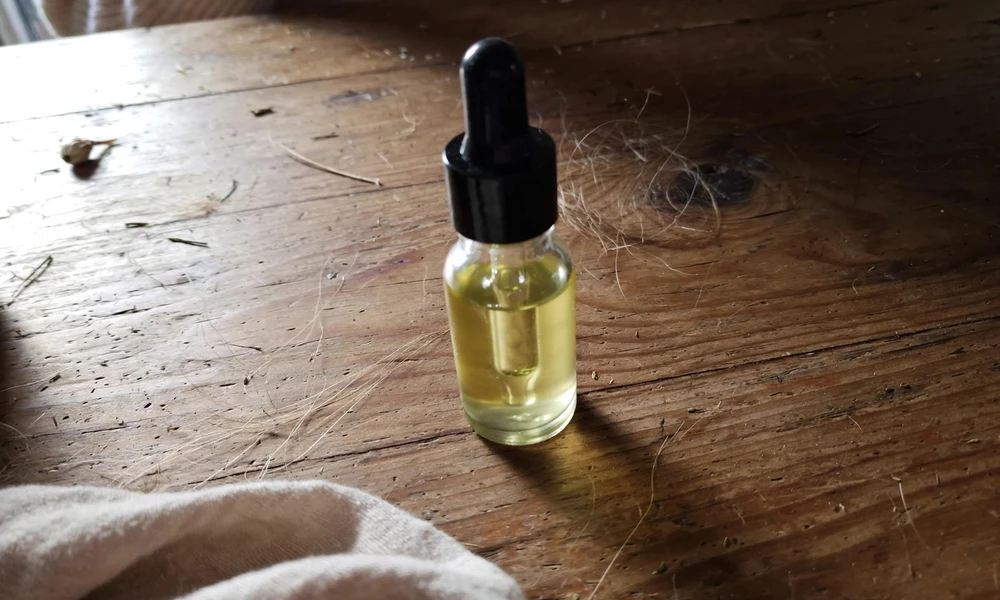
Look next at the texture and the finish. A good oil for an oily scalp should feel dry to the touch within a few minutes, not slick. If you press a tissue to your hair after ten minutes and it comes away oily, the formula is too heavy for your scalp type. A fine mist or a thin dropper oil is easier to control than a thick pump oil, and a little goes a long way. Our guide to how to use hair oil explains the basic method, and the same rules apply here, with a smaller dose.
Finally, check whether the oil is meant for the scalp or the lengths. Most finishing oils are designed for the mid-lengths and ends only, and using them on the roots will make an oily scalp look worse. A pre-wash scalp oil is the exception, and it should be shampooed out thoroughly after twenty to thirty minutes. If the label does not say it is for the scalp, keep it off the scalp.
The 9 best hair oils for oily scalp 2027
Verb Ghost Oil
What we like: A genuinely weightless oil built around moringa and bamboo extract, designed to vanish into fine hair without leaving a trace, with a clean, light scent that does not linger.
What to consider: It is so light that very dry ends may need a second drop, and the bottle is small for the price. Best For: Fine, oily hair that goes flat easily. Material: Moringa oil, bamboo extract, soybean oil. Price Range: Around $18–$22. Standout Feature: Disappears into hair with no visible residue.
This is the safest first choice if you have never used oil on oily hair.
Moroccanoil Treatment Light
What we like: The lighter version of the classic argan treatment, made specifically for fine and oily hair, with the same smoothing effect and a softer, less lingering scent.
What to consider: It is still an argan oil, so it needs a light hand on the roots, and it is best kept to the mid-lengths and ends. Best For: Fine to medium hair that needs smoothing. Material: Argan oil, linseed extract. Price Range: Around $34–$48. Standout Feature: The classic argan finish, reformulated for fine hair.
A reliable, widely available option for anyone who likes the original Moroccanoil but found it too heavy. Two drops on damp ends is enough for most hair types.
Gisou Honey Infused Hair Oil
What we like: A honey-based oil that smooths frizz and adds shine without the heavy, coated feeling of richer oils, with a soft, sweet scent that fades quickly.
What to consider: Honey can feel slightly tacky if you use too much, so start with one drop and build up slowly. Best For: Frizz-prone hair with oily roots and dry ends. Material: Honey, mirsalehi honey, sunflower oil. Price Range: Around $46–$62. Standout Feature: Frizz control that does not weigh hair down.
This one suits the common oily-scalp pattern of greasy roots and dry, frizzy ends. It tames the ends without touching the roots, which is the balance that matters most here.
Davines OI Oil
What we like: A light, fast-absorbing oil with roucou oil that adds shine and softness, with a warm, subtle scent and a texture that suits fine hair well.
What to consider: It is richer than the lightest oils on this list, so keep it off the scalp and use a small amount. Best For: Medium hair that needs shine without weight. Material: Roucou oil, sunflower oil. Price Range: Around $44–$52. Standout Feature: A glossy finish that lasts until the next wash.
A good choice if your hair is oily at the roots but the lengths look dull.
Briogeo Scalp Revival Rosemary Pre-Wash Oil
What we like: A scalp-first oil with rosemary and tea tree that is made to be massaged in before washing, so it can soothe the scalp and loosen buildup without leaving residue behind.
What to consider: It must be shampooed out thoroughly, twice, or it will leave the roots looking greasy. Best For: Oily scalps that feel congested or itchy. Material: Rosemary oil, tea tree oil, castor oil. Price Range: Around $32–$38. Standout Feature: A pre-wash treatment made for the scalp itself.
This is the one oil on this list that is actually meant for an oily scalp, and it works because it is washed out. Use it twenty minutes before shampooing, then wash twice.
Act+Acre Cold Processed Scalp Detox Oil
What we like: A cold-processed scalp oil with baobab and amla that feels light on the skin and is designed to be massaged in and rinsed out, leaving the scalp feeling clean rather than coated.
What to consider: It is a treatment, not a styling oil, and it needs a proper double wash to remove fully. Best For: Oily scalps with buildup from styling products. Material: Baobab oil, amla oil, rosemary oil. Price Range: Around $48–$54. Standout Feature: Cold-processed oils that rinse out cleanly.
A good reset oil for weeks when your scalp feels heavy with product. It clears buildup without stripping, and the scalp feels lighter after washing.
Olaplex No.7 Bonding Oil
What we like: A very light, concentrated oil that adds shine and heat protection with a tiny amount, and it does not leave a film on fine hair.
What to consider: A little goes a long way, and using more than a drop or two can make fine hair look flat. Best For: Damaged, oily hair that needs repair without weight. Material: Grapeseed oil, fermented green tea seed oil. Price Range: Around $30–$36. Standout Feature: Heat protection and shine in a single drop.
This is the best pick if your oily hair is also damaged from colour or heat.
Kérastase Elixir Ultime L’Huile Originale
What we like: A classic shine oil with camellia and argan that leaves hair glossy and smooth, with a light, pleasant scent and a texture that suits most hair types.
What to consider: It is richer than the featherweight oils here, so it belongs on the ends only, never on an oily scalp. Best For: Oily roots with dry, dull ends. Material: Camellia oil, argan oil, marula oil. Price Range: Around $48–$62. Standout Feature: A high-gloss finish on the lengths.
Use this one as an ends-only treatment, and it works beautifully on oily hair. A single drop on the last few inches adds shine where it is needed and nowhere else.
Fable & Mane HoliRoots Hair Oil
What we like: A light, pre-wash oil with ashwagandha and amla that is made for the scalp and roots, with a gentle, herbal scent and a formula that washes out cleanly.
What to consider: It is a pre-wash oil, so it needs to be shampooed out, and it is not a leave-in styling oil. Best For: Oily scalps that need a weekly reset. Material: Amla oil, ashwagandha, castor oil. Price Range: Around $34–$40. Standout Feature: A scalp-friendly pre-wash ritual.
A calm, simple weekly treatment for oily scalps. Massage it in, leave it for twenty minutes, then wash twice, and the scalp feels clean without feeling stripped.
Which hair oil is right for an oily scalp
Start with the texture of your hair. Fine hair needs the lightest oils on this list, such as Verb Ghost Oil or Olaplex No.7, because anything heavier will flatten it within hours. Medium hair can handle Moroccanoil Treatment Light or Davines OI Oil on the ends, while thick hair can take Kérastase Elixir Ultime on the lengths, as long as it stays away from the roots.
Next, decide whether the oil is for the scalp or the lengths. Most oils in this guide are for the lengths and ends only, and that is where they do their best work on oily hair. The pre-wash scalp oils, such as Briogeo Scalp Revival and Act+Acre Scalp Detox, are the exceptions, and they are designed to be washed out, not left in. If your scalp feels itchy or congested, a pre-wash oil used once a week is a better choice than a daily leave-in.
Washing matters as much as the oil itself. A good shampoo for oily hair, such as our roundup of the best shampoos for oily hair, removes pre-wash oil cleanly without stripping the scalp, and a dry shampoo on day two, like the ones in our best dry shampoos guide, stretches the time between washes so the scalp is not over-washed.
The caveats that matter
Hair oil will not fix an oily scalp on its own. Sebum production is driven by hormones, weather, stress and washing habits, and no oil changes that. Expect softer ends and less breakage, not a drier scalp.
| Detail | What is known |
|---|---|
| Best base oils | Jojoba, grapeseed, squalane and camellia absorb fast and leave little residue |
| Where to apply it | Mid-lengths and ends first; scalp only with a pre-wash formula |
| How much to use | Two to three drops for most hair; add more only if the ends stay dry |
| How to remove it | Shampoo twice after a pre-wash oil, starting at the scalp |
| Who should start gently | Very fine hair and sensitive scalps; patch-test a new oil first |
| What to avoid | Heavy oils such as castor or coconut on the roots, and using too much at once |
| When to stop | If the scalp becomes itchy, red or flaky, or if roots look greasy within hours |
| What it does not do | It does not reduce sebum production or replace a good shampoo routine |
If your scalp is red, sore or flaky, or if oiliness comes with hair loss, check with a dermatologist before adding a new oil. A scalp condition needs proper care, and an oil can make some conditions worse if it traps moisture against irritated skin.
Checklist: choosing a hair oil for an oily scalp honestly
Use these checks before you buy, and again after two weeks of use.
- Check the base oil: jojoba, grapeseed, squalane or camellia, not coconut or castor, for oily scalps.
- Check the texture: it should feel dry to the touch within a few minutes, not slick.
- Check the label: if it does not say it is for the scalp, keep it off the scalp.
- Start small: two to three drops on the ends, and add more only if the ends stay dry.
- Wash it out properly: shampoo twice after any pre-wash oil, starting at the scalp.
- Judge it after two weeks: softer ends and less frizz mean it is working, even if the scalp feels the same.
Frequently asked questions
Can I use hair oil if my scalp is oily?
Yes, as long as you choose a light oil and keep it on the mid-lengths and ends. Pre-wash scalp oils are the exception, and they are made to be shampooed out after twenty to thirty minutes.
Will hair oil make my scalp oilier?
It can, if you apply a heavy oil to the roots or use too much. A light oil on the ends does not affect the scalp, and a pre-wash oil that is washed out properly should not leave the roots greasy.
How often should I use hair oil on oily hair?
Two to three times a week is enough for most people. A daily drop on the ends is fine if the oil is very light, but a pre-wash scalp oil is best kept to once a week.
Which oil is lightest for oily scalps?
Jojoba, grapeseed and squalane are among the lightest, because they are close in feel to the skin’s own sebum and absorb quickly. Verb Ghost Oil and Olaplex No.7 are good examples of featherweight formulas.
Should I apply oil to wet or dry hair?
Either works, but damp hair absorbs oil more evenly, while dry hair lets you see exactly where it goes. For oily scalps, dry hair is often easier, because you can keep the oil strictly on the ends.
Do I need to shampoo twice after using hair oil?
Yes, after a pre-wash scalp oil. The first wash lifts the oil and buildup, and the second cleans the scalp properly. A light leave-in oil on the ends does not need a double wash.
The bottom line
The best hair oil for an oily scalp in 2027 is not the richest or the most expensive. It is the lightest one that suits your hair, used in the smallest amount that works, on the lengths and ends rather than the roots. For fine hair, Verb Ghost Oil or Olaplex No.7 are the safest starts. For a scalp that feels congested, a weekly pre-wash oil such as Briogeo Scalp Revival is the better choice.
Choose one oil, use it for two weeks, keep the dose small, and judge it on how your ends look and feel, not on how your scalp behaves. That is the honest way to get the benefit of hair oil without the greasiness that makes people with oily scalps give up on it.


