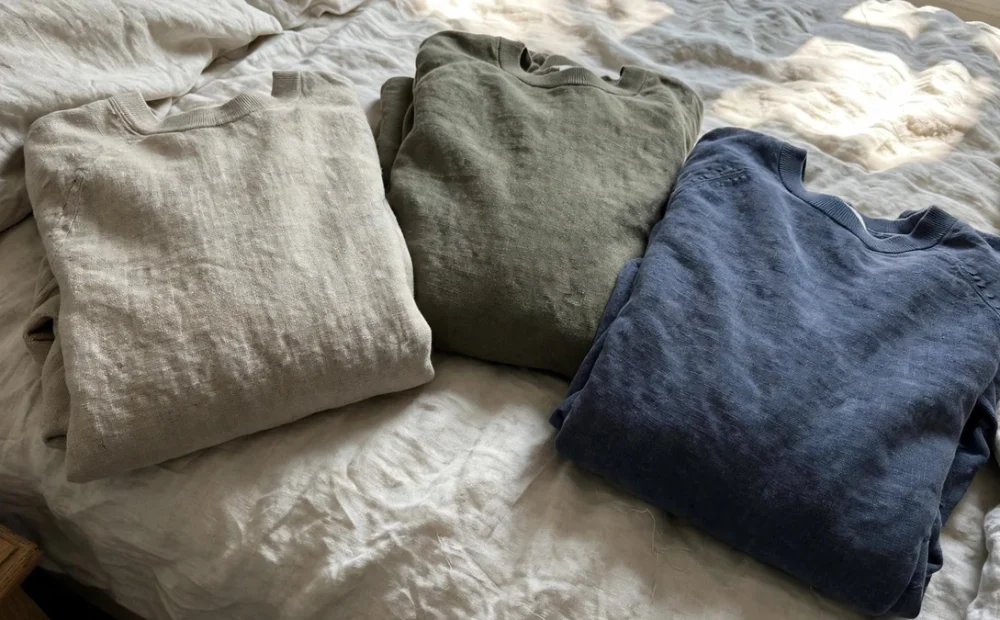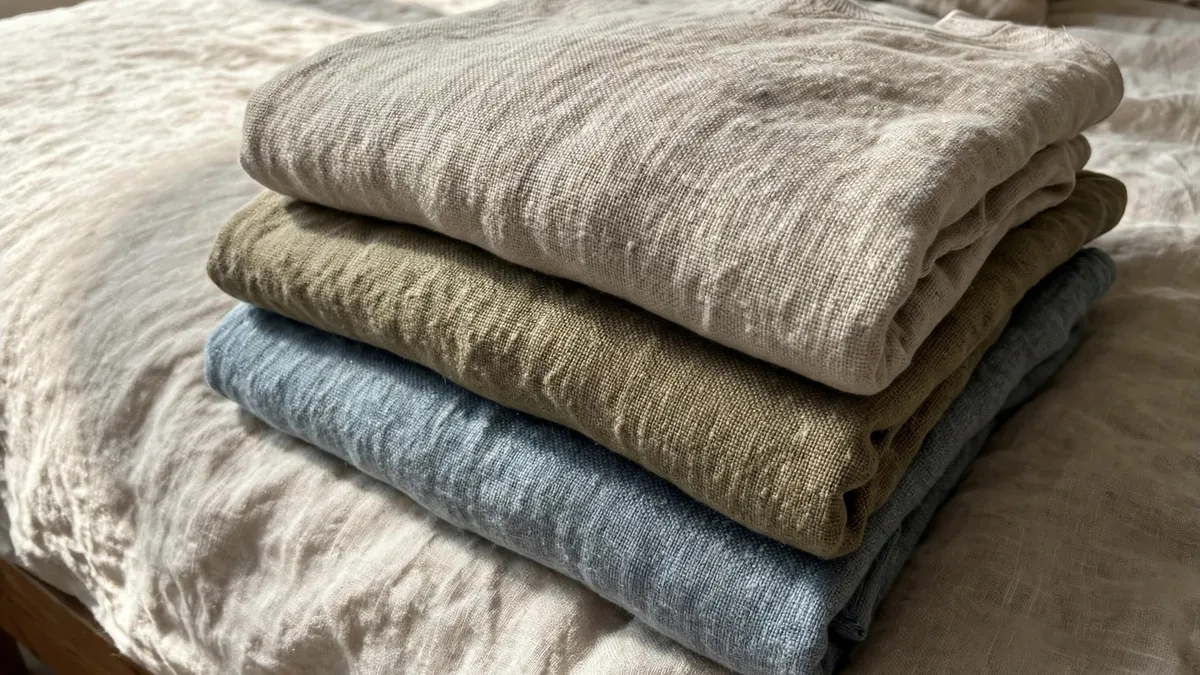

Linen is the fabric of warm weather, but pure linen has a reputation for creasing the moment you sit down and for feeling a little stiff on first wear. A linen blend sweater solves both problems. By mixing linen with cotton, viscose, silk or Tencel, brands keep the cool, airy feel of linen while adding softness, drape and a little forgiveness.
The blend matters more than the brand name. A linen-cotton mix is the most practical everyday choice: it breathes, it washes well, and it softens with every wear. A linen-viscose mix drapes more fluidly and looks slightly dressier, which suits an office or an evening out. Linen-silk is the softest and most expensive of the three, with a gentle sheen that reads as quiet luxury.
Below are nine linen blend sweaters for women worth considering in 2027, from affordable everyday crew necks to a polished linen-silk option. Each one is described by what it does well, what to watch for, and who it suits best, so you can choose by blend and fit rather than by a label alone.
Key takeaways
- A linen blend keeps linen’s cool, airy feel while adding softness and drape from cotton, viscose, silk or Tencel.
- Linen-cotton is the most practical everyday blend; linen-viscose drapes more fluidly; linen-silk is the softest and most expensive.
- Check the fibre percentages on the label before buying, because a sweater with only 10 percent linen behaves very differently from one with 55 percent.
- Expect some texture and a relaxed fit; a linen blend sweater should not be judged by the smooth, structured look of a wool knit.
- No linen blend is fully crease-proof, and a blend with a high linen share will still need a light steam after washing.
What makes a linen blend sweater work
Linen fibres are hollow, which is why linen feels cool against the skin. Air moves through the weave, moisture is absorbed and released quickly, and the fabric does not cling when you are warm. That is the quality a blend preserves. The partner fibre then fixes linen’s weaknesses. Cotton adds softness and makes the knit easier to wash at home. Viscose adds fluidity, so the sweater falls in a clean line instead of standing away from the body. Silk adds a soft hand and a faint lustre. Tencel adds smoothness and a little stretch.
The percentage split decides how the sweater behaves. A blend of 55 percent linen and 45 percent cotton still feels distinctly like linen: cool, textured, and a little crisp. A blend of 30 percent linen and 70 percent cotton feels mostly like a cotton sweater with a lighter, airier touch. The higher the linen share, the cooler the sweater and the more it will crease. The lower the linen share, the easier it is to care for and the less it wrinkles.
Fit is the other thing to get right. Linen blends relax with wear, so a sweater that feels snug on the hanger will usually loosen by half a size after a few outings. A relaxed or slightly oversized cut is the safer choice, especially in a crew neck or a boxy fit.
How we chose these sweaters and what to look for
Look first at the fibre label. A good linen blend states its percentages clearly, and the linen share should be at least 30 percent if you want the cooling benefit to be real. Below that, you are mostly buying a cotton or viscose sweater with a linen story.
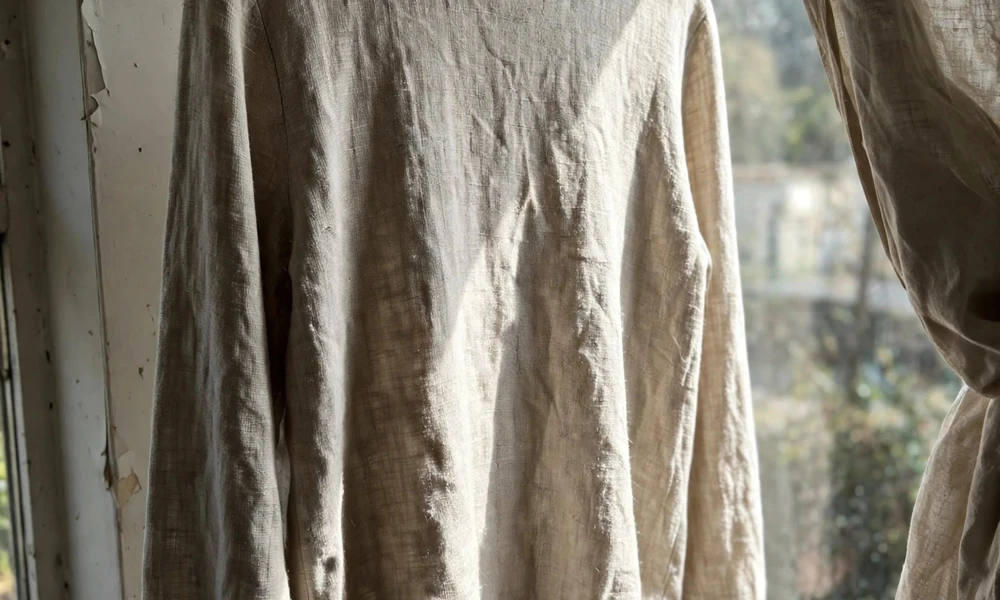
Look next at the knit. A fine, even knit in a linen blend looks polished and works for smarter outfits, while a chunkier, slubbed knit has more texture and suits casual looks. Hold the sweater up to the light if you can. A very open, loose knit will be cool but may stretch out of shape, while a dense knit will hold its structure but feel warmer. The best everyday linen blends sit in the middle: a medium-weight knit that keeps its shape and still lets air through.
Finally, think about colour and care. Natural, undyed linen blends in oatmeal, stone and ecru hide creasing better than dark navy or black, where every fold shows. Our guide to the best cotton sweaters for women covers the same care logic, because cotton and linen blends share most of their washing rules, and a gentle cycle with a mild detergent is enough for both.
The 9 best linen blend sweaters for women of 2027
Quince European Linen Blend Crew Neck Sweater
What we like: A straightforward linen-cotton crew neck at a fair price, with a clean cut and a soft hand after the first wash. What to consider: The colour range is small, and the fit runs relaxed, so size down if you prefer a neater line. Best For: Everyday wear in warm weather. Material: 55% linen, 45% cotton. Price Range: Around $50 to $60. Standout Feature: A genuinely high linen share for the price.
This is the sensible starting point for anyone trying a linen blend for the first time. It is cool, it washes well, and it pairs with jeans, linen trousers and skirts without any fuss.
Everlane The Linen-Cotton Crew Sweater
What we like: A neat, well-finished crew neck with a smooth knit and a restrained colour palette that works with almost everything. What to consider: It is a lighter-weight knit, so it is best for spring and summer rather than cool autumn days. Best For: Smart-casual outfits and layering. Material: 50% linen, 50% cotton. Price Range: Around $75 to $90. Standout Feature: A clean, polished finish that looks more expensive than it is.
Everlane’s version is the tidiest of the affordable linen blends. The knit is even, the ribbing holds its shape, and the colours are muted enough to work with a capsule wardrobe.
COS Linen Blend Jumper
What we like: A modern, slightly boxy cut with a textured knit and a considered colour range, including soft neutrals and muted brights. What to consider: The boxy fit is deliberate, so it can overwhelm a small frame, and the knit is a little heavier than a true summer sweater. Best For: Minimal, architectural outfits. Material: 45% linen, 40% viscose, 15% cotton. Price Range: Around $90 to $110. Standout Feature: A distinctive, textured knit that reads as designed rather than basic.
COS is the choice if you want a linen blend that looks intentional rather than plain. The viscose in the blend gives it a fluid drape, and the boxy silhouette works well with wide-leg trousers and long skirts.
Arket Linen Blend Sweater
What we like: A soft, well-priced sweater with a relaxed fit and a slightly slubbed texture that feels authentically linen. What to consider: It creases more than the others here, and the lighter colours can look translucent in strong sunlight. Best For: Relaxed weekends and holidays. Material: 55% linen, 45% viscose. Price Range: Around $70 to $85. Standout Feature: A natural slub texture that looks and feels like real linen.
Arket’s sweater is the closest in feel to pure linen, which is both its strength and its weakness. It breathes beautifully and has a lovely, honest texture, but it will crease, and the pale shades need a camisole underneath.
Massimo Dutti Linen and Cotton Sweater
What we like: A refined, slightly dressier knit with a smooth finish and a fit that works tucked into tailored trousers. What to consider: The price is higher than the high-street options, and the fit is slim, so it shows creases at the waist. Best For: Work and smart daytime outfits. Material: 60% linen, 40% cotton. Price Range: Around $100 to $130. Standout Feature: A polished, office-ready finish in a high-linen blend.
This is the linen blend to choose when the occasion is smarter than a weekend. The knit is fine and even, the cut is neat, and the high linen share keeps it cool under a blazer.
Mango Linen Blend Sweater
What we like: An affordable, easy sweater in a good range of colours, with a soft handle and a relaxed, wearable fit. What to consider: The knit is finer and lighter than some, so it can lose shape at the cuffs after repeated washing. Best For: Everyday outfits on a budget. Material: 48% linen, 52% cotton. Price Range: Around $45 to $60. Standout Feature: The widest colour choice at the lowest price on this list.
Mango’s version is the easy, low-risk buy. It is soft, it comes in colours that suit most wardrobes, and it is cheap enough to own in two shades.
Banana Republic Linen Blend Sweater
What we like: A classic, well-cut sweater with a slightly structured shoulder and a knit that holds its shape through the day. What to consider: It is a touch heavier than a summer-weight blend, and the fit is true to size rather than relaxed. Best For: Transitional weather and travel. Material: 50% linen, 50% cotton. Price Range: Around $90 to $120. Standout Feature: A structured fit that stays tidy from morning to evening.
Banana Republic’s sweater is the most reliable for travel and long days, because it resists the sagging that looser linen blends develop.
J.Crew Linen Blend Crewneck Sweater
What we like: A preppy, well-made crew neck with neat ribbing, a good range of stripes and solids, and a fit that suits layering. What to consider: The classic fit can feel a little boxy if you prefer a slim silhouette, and the stripes vary in weight between colours. Best For: Classic, preppy styling and layering over shirts. Material: 55% linen, 45% cotton. Price Range: Around $85 to $110. Standout Feature: The best stripe options in a linen blend.
J.Crew’s crew neck is the classic American take on a linen blend, and it shows in the details: neat ribbing, a comfortable fit, and colours that layer easily over a collared shirt.
& Other Stories Linen-Silk Blend Sweater
What we like: The softest sweater on this list, with a gentle sheen from the silk and a fluid drape that flatters without clinging. What to consider: The most expensive pick here, and the silk means it needs more careful washing than the cotton blends. Best For: Evenings out and occasions that call for something softer. Material: 70% linen, 30% silk. Price Range: Around $110 to $140. Standout Feature: A linen-silk blend with a soft sheen and the best drape of the nine.
This is the luxury pick, and the silk earns its place. The sweater feels soft against the skin, falls in a clean line, and has a quiet glow that the cotton blends do not.
Which linen blend sweater is right for you
Start with the weather you will wear it in most. For hot summers and humid days, a high-linen blend of 50 percent or more is the right call, because the cooling effect is strongest there. For spring and early autumn, a lower linen share with more cotton will feel warmer and need less fuss.
Then think about your body and your habits. If you dislike ironing, choose a blend with a lower linen share and a slightly looser fit, because both reduce visible creasing. If you wash at home and want an easy life, a linen-cotton blend is the most forgiving. If you want the softest feel, a linen-silk blend is worth the extra care and the extra cost.
Colour is the last decision, and it matters more with linen than with wool. Undyed neutrals such as oatmeal, ecru and stone hide creases and go with everything, while dark navy and black show every fold and every speck of lint. Our roundup of the best linen jumpers for women covers the pure-linen side of the same wardrobe, and it is worth reading alongside this guide if you are deciding between a blend and a pure linen knit.
The caveats that matter
A linen blend is a compromise, and it is worth knowing what you are giving up. It will never be as warm as wool, as smooth as cashmere, or as crease-free as a synthetic knit. It will soften and relax with wear, which means the fit on day one is not the fit after a month.
| Detail | What is known |
|---|---|
| Best everyday blend | Linen-cotton, 50 to 55 percent linen, for breathability and easy washing |
| Softest blend | Linen-silk, around 70 percent linen and 30 percent silk, with a gentle sheen |
| Best drape | Linen-viscose, which falls in a clean line and suits smarter outfits |
| Minimum linen share | About 30 percent, below which the cooling benefit is hard to feel |
| Creasing | Higher linen share means more creasing; looser fits and pale colours hide it best |
| Washing | Gentle cycle, mild detergent, dry flat or on a line, never tumble dry |
| Fit note | Linen blends relax with wear, so expect about half a size of loosening |
| What it does not do | It does not keep you warm in cold weather, and it is not crease-proof |
If you have very sensitive skin, check the blend for rough fibres before buying. Most linen blends soften quickly, but a coarse, high-linen knit can feel scratchy on the first wear, especially at the neck and cuffs. If you are choosing between a blend and a pure linen sweater, the cashmere blend sweaters for women guide shows how the same blend logic works in a warmer fibre, and it is a useful comparison if you want one soft, breathable knit for every season.
Checklist: choosing a linen blend sweater honestly
Use these checks before you buy, and again after the first wash.
- Check the fibre label: at least 30 percent linen, and a named partner fibre, not just “blend”.
- Check the knit: medium weight, even stitches, and ribbing that springs back when you stretch it.
- Check the fit: relaxed rather than tight, because the knit will loosen by about half a size.
- Check the colour: pale neutrals hide creases best; dark shades show every fold.
- Check the care label: machine washable on gentle is ideal; dry clean only adds cost and hassle.
- Check the first wash: wash once before wearing, dry flat, and steam lightly if the creases bother you.
Frequently asked questions
Are linen blend sweaters cooler than cotton sweaters?
Yes, if the linen share is at least 30 percent. Linen fibres are hollow and move air and moisture away from the skin, so a genuine linen blend feels noticeably cooler than a plain cotton sweater in warm weather.
Do linen blend sweaters crease?
Yes, though less than pure linen. A higher linen share means more creasing, while a lower share and a looser fit hide it better. A light steam after washing removes most folds, and pale colours show creases less than dark ones.
Can I machine wash a linen blend sweater?
Most linen-cotton and linen-viscose blends can be machine washed on a gentle cycle with mild detergent. Linen-silk blends are safer hand washed or washed on a delicate cycle. Never tumble dry a linen blend, because heat shrinks the linen and stiffens the knit.
What is the best linen blend for sensitive skin?
A linen-cotton blend is usually the gentlest, because cotton softens the linen fibres. Wash the sweater once before wearing it, and avoid coarse, high-linen knits with a rough texture at the neck and cuffs.
Are linen blend sweaters good for the office?
Yes, in a fine, even knit and a muted colour. A linen-viscose blend drapes most cleanly, and a neat crew neck or a fine-knit sweater layers well under a blazer. Avoid slubbed, oversized knits for formal settings.
How long does a linen blend sweater last?
With gentle washing and flat drying, a good linen blend sweater lasts several seasons and softens with age. The fibres are strong, and the main wear points are the cuffs and elbows, which thin first if the knit is very fine.
The bottom line
The best linen blend sweater for women in 2027 is the one that matches your climate, your routine and your tolerance for creases. A linen-cotton blend around 50 percent linen is the most practical everyday choice, a linen-viscose blend is the smartest for work, and a linen-silk blend is the softest and most beautiful for occasions. Check the fibre label, choose a relaxed fit, and pick a pale neutral if you want the easiest life.
Buy one sweater first, wash it once, wear it for a week, and see how it behaves in your weather and your wardrobe before buying a second. A linen blend that suits you will become the sweater you reach for whenever the temperature rises, and that is the only test that matters.