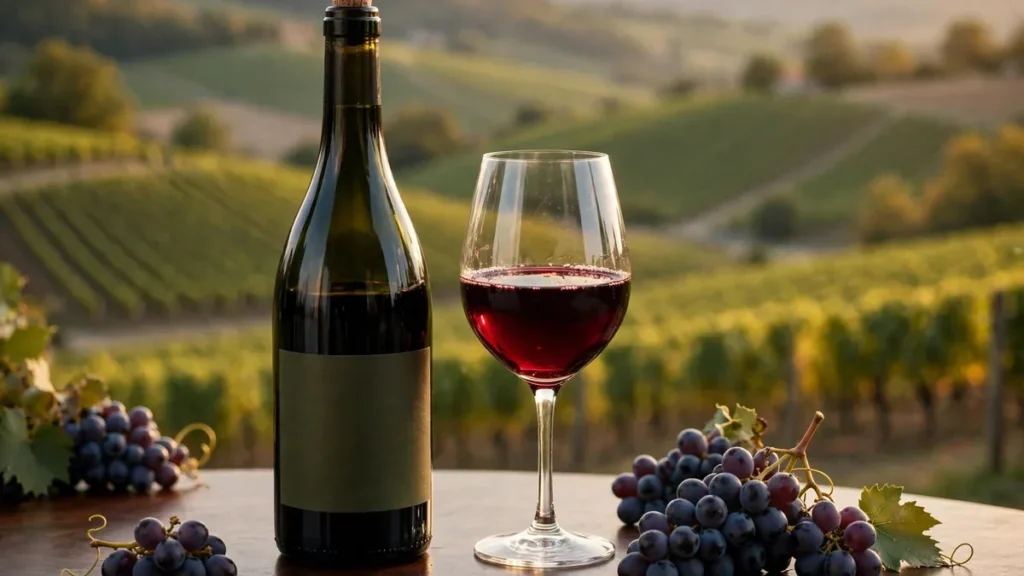
There is a quiet confidence to the Best Luxury Barbaresco Brands, and it comes from a place that has never needed to shout. In the steep, sunlit hills of Piedmont in northwestern Italy, the Nebbiolo grape ripens slowly on calcareous marl soils, producing wines of remarkable perfume, structure and grace. Barbaresco has long lived in the shadow of its more famous neighbour, yet collectors and sommeliers know that the finest bottles from this small appellation can rival anything in the world.
What sets the great Barbaresco houses apart is patience. The finest producers age their wines for years before release, often in large Slavonian oak botti that polish the tannins without masking the grape. The result is a wine that smells of roses, red cherries and dried herbs, with a palate that is firm yet silky. These are bottles built for the cellar, and they reward anyone willing to wait.
This guide brings together ten producers who define luxury Barbaresco today, from historic family estates to modern names that have reshaped the region. Each one earns its place through consistency, vineyard quality and a clear sense of identity. Whether you are buying your first bottle or deepening a serious collection, these are the names to know.
Key takeaways
- Barbaresco is made entirely from Nebbiolo in a small appellation in Piedmont, Italy, and the best bottles combine perfume with serious ageing potential.
- Single-vineyard crus such as Asili, Rabajà and Montefico are the most sought after, and the top producers release them only in the strongest vintages.
- Gaja, Bruno Giacosa and Produttori del Barbaresco set the benchmark, while smaller estates such as Roagna and Sottimano offer outstanding value for collectors.
- Expect to pay from around eighty dollars for an excellent village Barbaresco to several hundred dollars for a top single-vineyard Riserva.
- Barbaresco generally drinks earlier than Barolo, yet the finest examples age gracefully for twenty years or more in a good cellar.
Barbaresco at a Glance
Barbaresco became a DOCG in 1980, and its rules are strict. The wine must be made from one hundred percent Nebbiolo, aged for a minimum of twenty-six months, with at least nine months in wood. Riserva wines must age for fifty months before release. These requirements give the wines their spine, while the region’s slightly warmer, lower-lying vineyards give them their earlier approachability. For a broader sense of where these bottles sit among the world’s great reds, our guide to the best red wines to know in 2027 puts Barbaresco in useful context.
The appellation covers just over seven hundred hectares across three communes: Barbaresco itself, Neive and Treiso. Within them lie celebrated crus, each with its own character. Asili is known for elegance and floral lift, Rabajà for power and depth, and Montefico for structure and longevity. Knowing these names is the quickest way to read a Barbaresco label with confidence.
Comparison Table: The 10 Best Luxury Barbaresco Brands
| Brand | Signature Wine | Style | Price Range |
|---|---|---|---|
| Gaja | Barbaresco DOCG | Polished, modern, silky | $300–$600 |
| Bruno Giacosa | Asili Riserva | Classic, perfumed, precise | $250–$700 |
| Produttori del Barbaresco | Rabajà Riserva | Traditional, structured, age-worthy | $80–$250 |
| Ceretto | Bricco Asili | Elegant, aromatic, refined | $150–$400 |
| Pio Cesare | Il Bricco Barbaresco | Rich, balanced, classic | $120–$350 |
| La Spinetta | Vigneto Gallina | Opulent, modern, expressive | $150–$400 |
| Prunotto | Bric Turot | Refined, traditional, supple | $90–$250 |
| Moccagatta | Basarin | Delicate, floral, precise | $80–$200 |
| Sottimano | Currà | Pure, vibrant, modern-classic | $90–$220 |
| Roagna | Pajè | Old-school, ethereal, long-lived | $150–$450 |
The 10 Best Luxury Barbaresco Brands
Each profile below covers what makes the producer special, the wines to seek out, and how they drink. Prices vary by vintage and market, so treat the ranges as a guide rather than a fixed promise.
1. Gaja
Gaja is the most famous name in Barbaresco, and Angelo Gaja’s work from the 1960s onward changed how the world saw Piedmontese wine. The estate introduced shorter macerations, French barriques and single-vineyard bottlings at a time when tradition ruled, and the results were wines of extraordinary polish and perfume. The flagship Barbaresco DOCG remains one of Italy’s most collectible bottles.
Alongside it, the single-vineyard wines Sorì San Lorenzo, Sorì Tildìn and Costa Russi are benchmarks of modern Barbaresco, each expressing a distinct parcel of the family’s holdings. These are expensive, age-worthy wines with silky tannins and remarkable aromatic lift. If you can only own one luxury Barbaresco, a mature Gaja is the reference point against which all others are measured.
2. Bruno Giacosa
Bruno Giacosa built his reputation on an uncompromising eye for great grapes, buying fruit from the finest crus before the estate owned them all. His philosophy was simple and strict: only bottle the great vineyards, and only in vintages that deserve it. The result is a cellar of wines that are precise, perfumed and built to last for decades.
The Asili Riserva, produced only in exceptional years, is one of the most coveted wines in Piedmont, while the Falletto and Rabajà bottlings show the house style at its most complete. Tasting a mature Giacosa is an education in Nebbiolo, with layers of rose, cherry, tar and spice unfolding slowly in the glass. The estate remains a touchstone for classic Barbaresco.
3. Produttori del Barbaresco
Founded in 1958, Produttori del Barbaresco is a cooperative of small growers that has become one of the great names of the region. Its members farm some of the finest cru vineyards in the appellation, and the cooperative bottles nine single-vineyard Riservas in the best vintages. Few producers offer this level of vineyard expression at such fair prices.
The standard Barbaresco is one of the finest values in Italian wine, a blend of fruit from across the appellation that drinks beautifully after a few years. The Riservas from Rabajà, Asili, Montefico and Pora are where collectors should focus, each showing its vineyard’s character with clarity. For anyone building a Barbaresco cellar, Produttori is the essential starting point.
4. Ceretto
Brothers Bruno and Marcello Ceretto transformed their family estate into one of Piedmont’s most recognisable names, combining serious winemaking with a flair for design and hospitality. Their vineyards include celebrated parcels in Asili, Bricco Asili and Bernardot, and the wines are known for elegance and aromatic precision. The estate’s distinctive architecture and art-filled cellars have made it a destination in itself.
In the glass, Ceretto Barbaresco is floral and refined, with red cherry, rose petal and a fine, chalky tannin structure. The Bricco Asili bottling is the flagship, a wine of striking purity that ages gracefully for fifteen years or more. Ceretto proves that a modern outlook and a traditional heart can coexist beautifully in Barbaresco.
5. Pio Cesare
Pio Cesare is one of Piedmont’s oldest family wineries, founded in Alba in 1881 and still run by the same family today. The estate’s Barbaresco comes from vineyards in Treiso and the surrounding hills, and the house style favours richness and balance over rusticity. Its wines are polished without losing their Nebbiolo soul, and the cellars beneath Alba are among the most atmospheric in Italy.
Il Bricco is the estate’s single-vineyard flagship, a wine of depth and concentration that rewards a decade in the cellar. The regular Barbaresco is more approachable, with sweet cherry fruit, dried herbs and a supple frame that suits the dinner table. Pio Cesare is a reliable choice for anyone who wants classic Barbaresco with a generous, welcoming character.
6. La Spinetta
La Spinetta, founded by the Rivetti family, brought a bold, modern voice to Barbaresco in the 1970s and 1980s. The estate’s wines are opulent and expressive, with ripe fruit, sweet spice and a plush texture that won admirers around the world. Its labels, featuring rhinoceros art, are among the most distinctive in Italian wine.
The single-vineyard wines Vigneto Gallina and Vigneto Starderi show the house style at its best, combining power with the floral perfume that defines great Nebbiolo. These are wines that drink well young, though they also age gracefully for a decade or more. La Spinetta is the producer to choose when you want Barbaresco with drama and generosity.
7. Prunotto
Prunotto has been part of the Barbaresco story since 1904, when Alfredo Prunotto began bottling wines from the region’s best vineyards. Today the estate is owned by the Antinori family, which has invested in vineyards and cellars while keeping the house’s traditional, refined character intact. The wines are known for balance and supple texture rather than showiness.
Bric Turot, from a vineyard in Treiso, is the estate’s flagship Barbaresco, a wine of quiet depth with cherry, violet and liquorice notes. The classic Barbaresco is elegant and food-friendly, with a fine tannin structure that makes it versatile at the table. Prunotto offers a graceful, traditional take on the appellation at a fair price.
8. Moccagatta
Moccagatta is a small family estate in the heart of Barbaresco, farming prized parcels in Basarin, Bric Balin and Cole. The Minuto family has worked these vineyards for generations, and their wines are among the most delicate and floral in the appellation. Production is limited, so the best bottles are worth seeking out promptly.
The Basarin bottling is the star, a wine of remarkable finesse with rose, raspberry and spice over a silky frame. The estate also makes an excellent Barbaresco from younger vines and parcels, which offers the house character at a gentler price. Moccagatta is a connoisseur’s choice, proof that small estates can rival the famous names.
9. Sottimano
Sottimano is a rising star of Barbaresco, a family estate that has earned a devoted following for wines of purity and precision. Andrea Sottimano farms vineyards in Currà, Cottà and Fausoni, working with a light touch in the cellar to let each site speak. The wines are vibrant and detailed, with a modern-classic balance that appeals to traditionalists and newcomers alike.
The Currà Riserva is the flagship, a structured and perfumed wine that ages beautifully, while the standard Barbaresco offers freshness and charm in its youth. Sottimano’s prices remain reasonable for the quality, making it one of the smartest buys in the appellation. Watch this estate closely, because its reputation continues to grow with every vintage.
10. Roagna
Roagna is one of Piedmont’s most traditional producers, a family estate that has farmed the same vineyards for generations and vinifies with long macerations and ageing in large old oak. The wines are old-school in the best sense: ethereal, perfumed and built for very long ageing. Production is tiny, and the best bottles are highly sought after.
The Pajè bottling is the estate’s most celebrated Barbaresco, a wine of haunting perfume and extraordinary longevity, while the Pira and Asili wines show the same uncompromising style. These are wines for patient collectors, often needing a decade or more to fully open. Roagna reminds us that Barbaresco’s greatest charm is its ability to be both powerful and weightless at once.
Barbaresco vs Barolo: How the Two Great Nebbiolos Differ
Barbaresco and Barolo are both made from one hundred percent Nebbiolo, yet they are distinct wines with distinct personalities. Barolo comes from a larger zone south of Alba, with heavier soils that give wines of greater tannin and structure. Barbaresco’s vineyards sit slightly lower and closer to the Tanaro river, where warmer temperatures ripen the grapes earlier and produce wines that are generally softer and more approachable in youth.
The rules differ too. Barolo must age for at least thirty-eight months before release, with eighteen months in wood, while Barbaresco requires twenty-six months with nine months in wood. This shorter ageing suits Barbaresco’s more delicate frame, and it means the wines often show their perfume sooner. Collectors sometimes call Barbaresco the feminine counterpart to Barolo’s masculine power, a simplification that still captures something true about their textures.
Choosing between them is a matter of mood and moment rather than quality, since both appellations produce wines of the highest rank. Barolo suits long cellaring and grand occasions, while Barbaresco suits earlier drinking and more delicate dishes. The wisest cellars hold both, and many of the producers in this guide also make fine Barolo. If you are planning a trip to taste them at the source, pairing the experience with a stay at one of the region’s luxury vineyard hotels makes the journey unforgettable.
Price is another difference worth knowing. Barbaresco generally offers better value than Barolo at the same level of quality, particularly from cooperatives and smaller estates. A top Barbaresco Riserva often costs less than a comparable Barolo, yet delivers equal complexity and ageing potential. That value gap is one reason the appellation has attracted so many new collectors in recent years.
How to Choose a Luxury Barbaresco
Start with the vintage, because Nebbiolo is sensitive to weather and the best years produce wines of extraordinary depth. Recent strong vintages include 2016, 2019 and 2021, all of which offer wines with both structure and perfume. Then consider the vineyard, since single-cru bottles from Asili, Rabajà and Montefico command a premium for good reason. Finally, match the producer’s style to your taste, whether that is the polish of Gaja, the tradition of Produttori or the opulence of La Spinetta.
Storage matters as much as selection. Barbaresco should be kept cool, dark and still, ideally at around thirteen degrees Celsius with steady humidity. Bottles with cork closures should lie on their side, and the wines should be decanted for at least an hour before serving, longer for young or Riserva bottles. Serve at sixteen to eighteen degrees in a large Burgundy-style glass to let the perfume develop.
Checklist: Buying Luxury Barbaresco
- Confirm the vintage on the label and favour strong years such as 2016, 2019 and 2021 for cellaring.
- Look for single-vineyard crus such as Asili, Rabajà and Montefico when you want the most expressive bottles.
- Check the producer name and DOCG seal to be sure the bottle is genuine Barbaresco.
- Decide between village Barbaresco for earlier drinking and Riserva for long-term ageing.
- Buy from a reputable merchant who stores wine properly and can confirm provenance.
- Budget for proper storage at home, since the finest bottles need a decade or more to reach their peak.
Frequently Asked Questions
What makes Barbaresco a luxury wine?
Barbaresco is a luxury wine because it comes from a tiny appellation of just over seven hundred hectares, is made entirely from Nebbiolo, and requires years of ageing before release. The best bottles combine rare vineyard sites, low yields and long cellaring, which keeps production small and demand high. Top producers such as Gaja and Bruno Giacosa release wines that collectors prize for decades.
Is Barbaresco better than Barolo?
Neither is objectively better, since both appellations produce wines of the highest rank from the same grape. Barolo is generally more powerful and tannic, while Barbaresco is more perfumed and approachable in youth. Many collectors prefer Barbaresco for its elegance and value, and the best bottles from either zone can age for decades.
How long should I age a luxury Barbaresco?
A village Barbaresco is often enjoyable after five to eight years, while single-vineyard wines and Reservas usually need ten to fifteen years to fully open. The finest examples from great vintages can age for twenty years or more in a good cellar. Decanting for at least an hour before serving helps younger bottles show their perfume.
What food pairs best with Barbaresco?
Barbaresco pairs beautifully with rich, savoury dishes such as truffle risotto, mushroom pasta, roast lamb and aged cheeses. Its acidity and tannin cut through fat, while its perfume complements earthy flavours. Avoid very spicy food, which can overwhelm the wine’s delicate aromatics, and serve it with dishes that let the wine lead.
How much should I spend on a luxury Barbaresco?
Excellent village Barbaresco starts at around eighty dollars, while single-vineyard wines from top producers typically cost between one hundred and fifty and four hundred dollars. The most coveted Reservas can reach seven hundred dollars or more in great vintages. Spending more usually buys greater vineyard pedigree and ageing potential rather than simply a bigger name.
Can I visit the Barbaresco producers in Piedmont?
Yes, many estates welcome visitors by appointment, including Gaja, Ceretto and Produttori del Barbaresco, and the villages of Barbaresco, Neive and Treiso are easy to explore in a day or two. Book tastings well in advance, especially during harvest season, and consider hiring a driver so everyone can enjoy the wines. Piedmont also produces fine sparkling wines, and a glass of Moscato d’Asti makes a delightful aperitif before a Barbaresco dinner.
The Bottom Line
The best luxury Barbaresco brands prove that greatness does not need size or noise. From Gaja’s polished flagship to Produttori’s honest cooperatives and Roagna’s ethereal old-school wines, these ten producers capture everything that makes Piedmont special: perfume, structure, patience and a deep respect for place. Buy the best vintage you can afford, store the bottles well, and give them time. Barbaresco rewards patience more generously than almost any wine in the world, and the bottles in this guide are the ones worth waiting for.