Silver jewellery tarnishes, and it tarnishes faster when it is stored badly. A necklace left in a pile on a dressing table, a ring tossed into a drawer with keys, a bracelet hung in a steamy bathroom: each of these invites tarnish, scratches, and tangles. The metal is not the problem. The storage is.
Good storage is not complicated, and it does not need expensive equipment. Silver needs three things: dry air, darkness, and separation. Keep it away from humidity, away from light, and away from other pieces, and it will stay bright far longer than a piece left out in the open. The rest is detail, and the detail is what this guide covers.
Below are nine steps that protect silver jewellery at home, from cleaning each piece before you put it away to choosing the right box, the right wrapping, and the right spot in the room. Each step is described with what to do, what to avoid, and how long it takes, so you can build a storage routine that takes minutes and saves hours of cleaning later.
Key takeaways
- Silver tarnishes fastest in humidity, light, and contact with rubber, latex, and strong chemicals, so storage should be dry, dark, and separate.
- Always clean and dry a piece before storing it, because oils, sweat, and moisture left on the surface speed up tarnishing.
- Give every piece its own compartment, pouch, or wrap, because silver scratches easily when pieces rub against each other.
- Anti-tarnish strips, silica gel, and sealed pouches are cheap, effective, and worth using for pieces you wear rarely.
- No storage method stops tarnish forever, but good storage can stretch the time between cleanings from weeks to months.
What silver storage actually protects against
Silver tarnishes when it reacts with sulphur compounds in the air, and that reaction is faster in damp, warm, and polluted air. A bathroom is one of the worst places to keep silver, because every shower fills the room with steam. A kitchen is not much better, because cooking fumes and cleaning products add chemicals to the air. A cool, dry bedroom, away from the window and the radiator, is a far better home for a jewellery box.
Tarnish is not the only risk. Silver is a soft metal, so it scratches when pieces rub together in a drawer or a travel bag. Chains tangle, clasps catch on other pieces, and stones can be chipped by a harder piece landing on top of them. Most of the damage that sends jewellery to a repair shop starts in storage, not in wear.
What you need to store silver properly
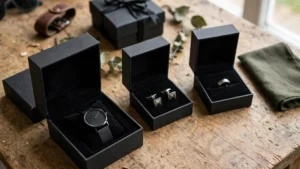
You do not need a luxury jewellery box. A small box with a soft lining, a few fabric pouches, and a packet of anti-tarnish strips will cover most collections. Add a soft cloth, some acid-free tissue paper, and a few silica gel packets, and you have everything a silver collection needs.
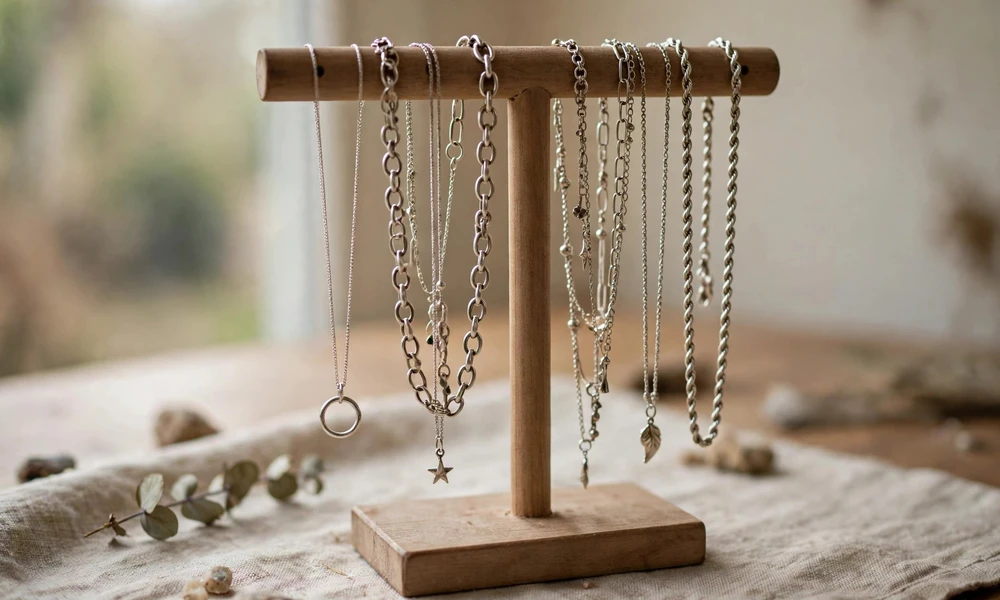
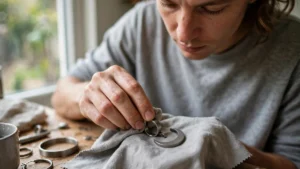
Before you store anything, clean it. A piece that goes into a box with sweat, perfume, and hand cream on it will tarnish faster than a clean piece, because those residues hold moisture and chemicals against the metal. A quick wipe with a soft cloth is enough after everyday wear, and a proper wash is worth doing before a piece goes away for weeks. Our guide to cleaning silver jewellery covers the safe methods: warm soapy water, a soft cloth, and a thorough dry.
Choose a spot for the box before you buy anything else. A bedroom drawer or a shelf inside a wardrobe is ideal, because it is cool, dry, and dark. Avoid bathrooms, windowsills, and anywhere near a radiator. Once the box has a home, storing a piece becomes a habit, not a chore.
The 9 steps that protect silver jewellery
Clean each piece before you put it away
What to Do: Wipe every piece with a soft, dry cloth after wearing it, and wash it in warm soapy water before storing it for more than a few days. Pay attention to the back of pendants, the inside of rings, and the links of a chain, where sweat and cream collect. What to Avoid: Do not put a piece away while it is still damp, sweaty, or coated in perfume or hand cream. Those residues trap moisture against the metal and speed up tarnishing, and perfume can damage some stones. Best For: Every silver piece, after every wear. Time Needed: One to two minutes per piece. Standout Tip: A quick wipe after wearing is the single most effective habit in this whole guide.
Dry every piece completely
What to Do: After washing, pat each piece dry with a soft towel, then leave it on a clean cloth for a few minutes so any water in the links, clasps, and settings can evaporate. Check the back of stones and the hinge of a clasp, where water hides. What to Avoid: Do not use a hairdryer on hot, and do not put a wet piece into a sealed pouch or a closed box. Trapped moisture is worse than open air, because it sits against the metal for hours. Best For: All silver jewellery, especially chains, bracelets, and pieces with stones. Time Needed: Five minutes of air drying. Standout Tip: Hold a chain up to the light and check the links before you put it away.
Give every piece its own compartment
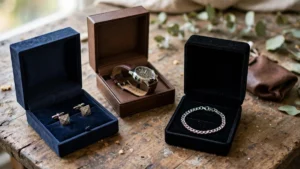
What to Do: Store each piece in its own compartment, pouch, or wrap. A lined jewellery box with divided sections works well, and small fabric pouches work just as well for pieces that live in a drawer. What to Avoid: Do not pile pieces together in one compartment or one bag. Silver scratches easily, chains tangle, and clasps catch on other pieces, so a shared space is a recipe for damage. Best For: Rings, necklaces, bracelets, and earrings, all of which scratch or tangle when stored together. Time Needed: A few seconds per piece, once the system is set up. Standout Tip: If you run out of compartments, a small fabric pouch costs very little and works just as well.
Use anti-tarnish strips or silica gel in the box
What to Do: Place one anti-tarnish strip in each compartment or one in the box, and add a silica gel packet if the room is damp. Replace the strips every few months, or when the box has been left open for a long time. What to Avoid: Do not use mothballs, rubber bands, or latex gloves near silver, because they release sulphur compounds that cause tarnish. Do not rely on a strip that is years old, because it stops absorbing. Best For: Pieces stored for weeks or months, and collections kept in damp houses or coastal areas. Time Needed: One minute to place the strips. Standout Tip: Write the date on the strip when you put it in, so you know when to replace it.
Keep silver away from rubber, latex, and strong chemicals
What to Do: Store silver away from rubber bands, latex gloves, elastic, and household chemicals such as bleach, hairspray, and perfume. Keep the jewellery box in a room where those things are not stored, and apply perfume and hairspray before you put your jewellery on. What to Avoid: Do not wrap silver in rubber bands, do not store it in a box lined with foam rubber, and do not keep it in a bathroom cabinet with cleaning products. Rubber and latex release sulphur, which is the main cause of tarnish. Best For: All silver jewellery, especially pieces stored for a long time. Time Needed: No time at all, once you know what to avoid. Standout Tip: Check the lining of a new jewellery box before you use it, because some cheap foam linings contain rubber.
Store necklaces flat and fastened
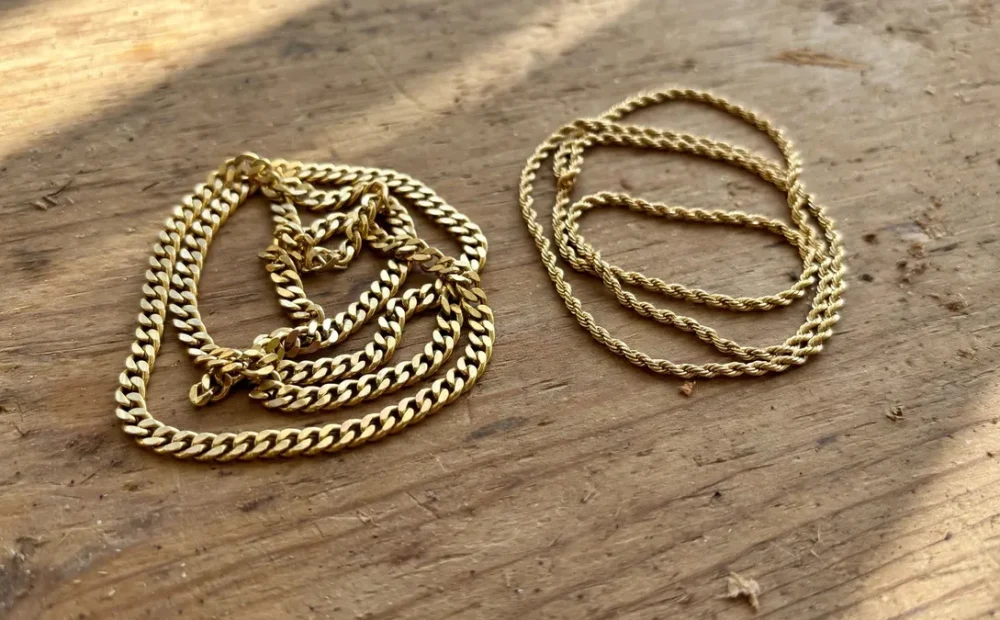
What to Do: Lay necklaces flat in a long compartment or a pouch, with the clasp fastened. Fastening the clasp stops the chain from sliding through itself and tangling, and laying it flat stops it from knotting under its own weight. What to Avoid: Do not hang necklaces on hooks for long periods, and do not coil a chain tightly into a small space. Hanging stretches a fine chain over time, and a tight coil is hard to undo without kinking the links. Best For: Chains, pendants, and any necklace with a fine or delicate link. Time Needed: A few seconds to fasten the clasp. Standout Tip: Thread a chain through a drinking straw to keep it straight when you travel.
Choose a cool, dry, dark spot
What to Do: Keep the jewellery box in a bedroom drawer, a wardrobe shelf, or a cool cupboard, away from windows, radiators, and bathrooms. The ideal spot is dry, dark, and at a steady room temperature. What to Avoid: Do not store silver in a bathroom, on a sunny windowsill, or on top of a radiator. Steam, sunlight, and heat all speed up tarnishing, and a bathroom is the worst of all three at once. Best For: Every piece in the collection, without exception. Time Needed: A one-time decision about where the box lives. Standout Tip: If your bedroom is damp, a sealed box with silica gel beats an open box in a dry room.
Wrap flat pieces in acid-free tissue or anti-tarnish cloth
What to Do: Wrap flat pieces such as bangles, brooches, and wide cuffs in acid-free tissue paper or an anti-tarnish cloth before putting them in the box. The wrap stops pieces from scratching each other and adds a layer of protection against tarnish. What to Avoid: Do not use newspaper, coloured tissue, or ordinary wrapping paper, because the inks and acids in them can stain silver. Do not use cotton wool, because the fibres catch on clasps and prongs. Best For: Bangles, cuffs, brooches, and any piece with a large flat surface. Time Needed: A few seconds per piece. Standout Tip: Keep a small stack of acid-free tissue in the box, so wrapping is always easy.
Check your pieces every few months
What to Do: Every two or three months, take each piece out, look at it in daylight, and check the clasp, the chain, and the settings. Wipe it with a soft cloth, replace the anti-tarnish strips if needed, and put it back properly. What to Avoid: Do not leave pieces unchecked for a year or more, because a loose clasp, a bent prong, or a tarnished patch caught early is a small fix, while the same problem caught late can mean a lost stone or a broken chain. Best For: All silver jewellery, especially pieces worn often or stored for a long time. Time Needed: Ten to fifteen minutes for a whole collection. Standout Tip: Check your pieces when the clocks change, so the habit happens twice a year without fail.
Which storage method is right for you
If you own a small collection of everyday pieces, a single lined box with divided compartments is enough. Keep the pieces you wear most in the top tray, the pieces you wear rarely in the lower sections with anti-tarnish strips, and the box itself in a bedroom drawer. That simple setup will keep most silver bright for months at a time.
If you own a larger collection, or pieces with sentimental or monetary value, a box with a lid, a soft lining, and individual pouches is worth the investment. Separate pouches for each piece, anti-tarnish strips in the box, and a regular check every few months will protect the collection for years. Our guide to storing jewellery properly covers the same principles for a mixed collection, and the advice for silver is the same, only more urgent, because silver tarnishes faster than gold.
For travel, use a small roll or a pouch with separate sections, and keep each piece in its own pocket. Fasten every clasp, lay chains flat, and do not put jewellery in checked luggage. A travel roll that fits in a handbag is a small purchase that prevents most of the damage that happens on holiday.
The caveats that matter
Good storage slows tarnish, but it does not stop it. Silver will tarnish eventually, even in a perfect box, because sulphur is always present in the air. That is normal, not a sign that you have done something wrong. A piece that has tarnished in storage needs a clean, not a repair.
| Detail | What is known |
|---|---|
| Best place | A cool, dry, dark spot, such as a bedroom drawer or wardrobe shelf |
| Worst place | A bathroom, a sunny windowsill, or anywhere near a radiator |
| Before storing | Clean each piece and dry it completely, then wipe it with a soft cloth |
| Separation | One piece per compartment, pouch, or wrap, so pieces cannot scratch or tangle |
| Anti-tarnish help | Anti-tarnish strips and silica gel in the box, replaced every few months |
| What to avoid | Rubber bands, latex, foam rubber, newspaper, and household chemicals |
| Necklaces | Laid flat with the clasp fastened, never hung for long periods |
| How often to check | Every two to three months, in daylight, checking clasps, chains, and settings |
If a piece has stones, check the settings before you store it, because a loose stone can fall out in a pouch and be lost. If a clasp is weak or a chain is kinked, have it repaired before you put it away.
Checklist: storing silver jewellery properly
Use these checks when you put a piece away, and again when you set up a new box.
- Clean it: wipe or wash the piece, and dry it completely before it goes into the box.
- Separate it: give every piece its own compartment, pouch, or wrap.
- Protect it: add an anti-tarnish strip and a silica gel packet to the box.
- Place it: keep the box in a cool, dry, dark spot, away from bathrooms and windows.
- Fasten it: close every clasp and lay necklaces flat, so chains cannot tangle.
- Check it: look at every piece every few months, and replace the anti-tarnish strips when needed.
Frequently asked questions
Can I store silver jewellery in a bathroom?
It is best not to. Bathrooms are humid, warm, and full of chemicals from sprays and cleaning products, and all of those speed up tarnishing. A bedroom drawer or a wardrobe shelf is a far better home for a jewellery box.
Do anti-tarnish strips really work?
Yes, they absorb sulphur compounds from the air before those compounds reach the silver. They are cheap, they last for months, and they make a visible difference to pieces stored for a long time. Replace them every few months.
Should I wrap silver jewellery in tissue paper?
Acid-free tissue paper or an anti-tarnish cloth is a good choice, especially for flat pieces such as bangles and brooches. Avoid newspaper and coloured tissue, because the inks and acids can stain silver, and avoid cotton wool, because the fibres catch on clasps and prongs.
Why does my silver tarnish even in a jewellery box?
Because sulphur is always present in the air, and no box is completely airtight. Good storage slows tarnishing from weeks to months, but it does not stop it forever. A tarnished piece is not damaged, it just needs a clean, and regular checks will catch it early.
Is it better to hang necklaces or lay them flat?
Lay them flat, with the clasp fastened. Hanging stretches a fine chain over time, and a chain left hanging can tangle with its neighbours. A flat lay in a long compartment, or a pouch with a separate pocket for each chain, keeps necklaces straight and ready to wear.
What is the best jewellery box for silver?
A box with a lid, a soft lining, and divided compartments is ideal, because it keeps pieces separate, dark, and protected. Add anti-tarnish strips and keep the box in a cool, dry place. Our guide to the best jewellery organisers compares boxes, rolls, and stands.
The bottom line
Storing silver jewellery well comes down to three simple rules: dry, dark, and separate. Clean and dry each piece before you put it away, give it its own compartment or pouch, keep the box in a cool, dry, dark place, and add an anti-tarnish strip. Those few minutes of care will keep silver bright for months, and they will save you hours of cleaning and untangling later.
Start with the piece you wear most, and build the habit from there. Wipe it after wearing, put it in its own place, and check it every few months. Once the routine is in place, good storage stops being a chore and becomes the quiet reason your silver always looks its best.