Silver jewellery is easy to buy and surprisingly easy to get wrong. A necklace that looked delicate in the shop can feel lost against a busy print. A stack of rings that seemed effortless on someone else can look cluttered on your own hand. The metal itself is rarely the problem. Silver is cool, bright, and forgiving, and it suits more skin tones and more wardrobes than most people expect. What matters is how you put it together.
Styling silver jewellery is less about rules and more about balance. One strong piece and a few quiet ones will usually beat five pieces competing for attention. A long chain needs a plain neckline. A bold cuff needs a bare wrist. And silver has its own character: it is cooler and quieter than gold, so it pairs beautifully with navy, grey, white, black, denim, and cool pastels, and it can look washed out against very warm, yellow-toned outfits unless you warm it up with texture or a contrasting stone.
Below are nine steps that take you from a drawer full of silver pieces to outfits that look considered rather than accidental. Each step covers what to do, what to avoid, who it suits best, how long it takes, and one tip worth remembering, so you can build a way of wearing silver that works for your life, not just for a photograph.
Key takeaways
- Silver is a cool-toned metal that pairs best with navy, grey, white, black, denim, and cool pastels, and it suits most skin tones when the finish is right.
- One hero piece per outfit is the simplest rule: let a statement necklace, cuff, or ring lead, and keep everything else quiet.
- Match your metals deliberately: silver with silver looks clean, while silver mixed with gold works only when the mix looks intentional.
- Clean, polished silver photographs and reads very differently from tarnished silver, so a quick polish before wearing is part of styling, not an afterthought.
- No styling trick fixes a piece that is the wrong scale for you, and silver cannot be made to look warm simply by wearing more of it.
What styling silver jewellery actually means
Styling is not the same as owning. A jewellery box full of silver does not style itself, and the difference between a polished look and a random one is usually a handful of small decisions: which piece leads, which pieces stay home, and how the metal sits against your clothes and your skin. Silver is a quiet metal. It does not shout the way a bright gold chain does, which means it rewards thoughtful placement and punishes clutter. When silver is styled well, it looks like part of the outfit rather than an addition to it.
The other thing styling means is honesty about scale and occasion. A slim silver chain and small studs are right for a workday. A wide silver cuff and a long pendant belong to an evening or a weekend. Trying to make one piece do every job usually means it does none of them well. The steps below are organised so you can work through them in order, from choosing a focal point to storing everything properly at the end of the day, and each one stands on its own if you only need to fix one part of your routine.
How to choose silver pieces and what to look for
Start with the finish. Polished silver is bright and reflective, and it catches the eye, which makes it a good choice for a hero piece. Brushed or matte silver is softer and quieter, and it works better for everyday wear and for layering, because it does not compete with your clothes. Oxidised silver, with its darkened recesses, has a more vintage feel and suits textured fabrics such as linen, denim, and wool. If you are buying new pieces, look for the 925 hallmark, which marks sterling silver, and check that clasps close firmly and chains feel smooth rather than kinked.

Then look at scale against your own frame. A fine chain can disappear on a larger frame, while a heavy chain can overwhelm a slight one. Hold a piece up against your neckline or wrist before you buy, and ask whether it reads clearly at arm’s length. That is the distance most people will see it from. Our guide to cleaning silver jewellery is worth reading before you start styling in earnest, because a piece that is clean and bright behaves very differently on the skin from one that has gone dull, and no amount of clever layering will rescue tarnished silver.
The 9 steps to styling silver jewellery
Choose one hero piece and let it lead
What to do: Pick the single piece you want people to notice first, whether that is a pendant, a cuff, a pair of drop earrings, or a statement ring, and build the rest of the outfit around it. What to avoid: Wearing two or three strong pieces at once, which splits attention and makes the whole look feel noisy. Best for: Anyone who feels their jewellery looks cluttered. Time needed: Two minutes, before you get dressed. Standout tip: If you cannot decide which piece is the hero, the one you reach for first usually is.
Match the metal to your neckline
What to do: Wear a long pendant with a plain crew neck or a V-neck, where the chain has space to fall, and keep necklaces short or absent with a high collar or a busy print. What to avoid: Letting a chain tangle with a collar, a scarf, or a patterned neckline, where it will be half-hidden and constantly catching. Best for: Necklace lovers and anyone who wears layered tops. Time needed: One minute, in front of a mirror. Standout tip: The pendant should sit on fabric, not on skin and not on a seam, for the cleanest line.
Layer chains with different lengths
What to do: Layer two or three chains at clearly different lengths, such as 40, 45, and 50 centimetres, so each one has its own space and they do not sit on top of each other. What to avoid: Layering chains of the same length, which will tangle, twist, and read as one messy piece. Best for: Plain tops, open necklines, and evening looks. Time needed: Three minutes to arrange. Standout tip: Vary the texture as well as the length, pairing a fine chain with a slightly heavier link, so each layer is easy to tell apart.
Keep rings to one statement per hand
What to do: Wear one bold ring per hand and keep the other fingers plain or nearly so, with slim bands at most. What to avoid: Stacking large rings on neighbouring fingers, which restricts movement and makes your hands look busy. Best for: People who work with their hands and anyone who wears rings daily. Time needed: One minute. Standout tip: A statement ring reads best on the hand you gesture with least, because it stays visible rather than flashing past.
Let one wrist carry the bracelet
What to do: Choose one wrist for bracelets and keep the other bare, or wear only a watch on the other side. What to avoid: Wearing bracelets on both wrists with long sleeves, where they bunch, catch, and clink against each other all day. Best for: Workdays, typing, and anyone who finds bracelets distracting. Time needed: One minute. Standout tip: A single wide cuff looks stronger than three thin bangles fighting for the same wrist.
Balance earrings with your hair
What to do: Wear drop or statement earrings when your hair is up or short, and choose studs or small hoops when your hair is down and likely to hide them. What to avoid: Wearing long, heavy drops with loose hair, where they will tangle, pull, and disappear entirely. Best for: Anyone with long hair or a fringe. Time needed: One minute, with your usual hairstyle in place. Standout tip: Try the earrings on after you have done your hair, not before, because the hairstyle changes what is visible.
Mix silver with gold only on purpose
What to do: If you mix metals, make the mix obvious and balanced, such as a silver chain with a gold pendant, or a silver cuff beside a gold ring, so it reads as a choice. What to avoid: Mixing metals by accident, with one stray gold piece among silver, which looks like you forgot rather than decided. Best for: People who own both metals and want to wear them together. Time needed: Two minutes of planning. Standout tip: A two-tone piece, one that already combines silver and gold, is the easiest way to make a mixed-metal look feel intentional.
Our comparison of gold vs silver jewellery explains how the two metals behave differently against skin and clothing, which helps you decide when a mix will work and when it is better to commit to one metal for the day.
Use stones and texture to warm silver up
What to do: Pair silver with a warm stone such as amber, carnelian, or a pearl, or with a textured fabric such as knit, suede, or leather, to soften its cool tone. What to avoid: Wearing plain polished silver against very warm, yellow-toned clothing, where the metal can look cold and flat by comparison. Best for: Warm skin tones and autumn or winter outfits. Time needed: Two minutes, when choosing an outfit. Standout tip: A single warm accent, one stone or one textured layer, is enough; you do not need to warm up every piece.
Polish before you wear, store after you wear
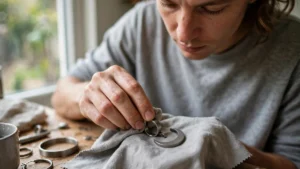
What to do: Give silver a quick polish with a soft cloth before putting it on, and store each piece separately in a pouch or a lined compartment when you take it off. What to avoid: Tossing silver into a drawer or a shared box, where pieces scratch each other and tarnish faster. Best for: Everyone, and especially for pieces you wear often. Time needed: Two minutes to polish, one minute to store. Standout tip: Polish the piece you are about to wear, not the whole box, so the habit stays quick enough to keep.
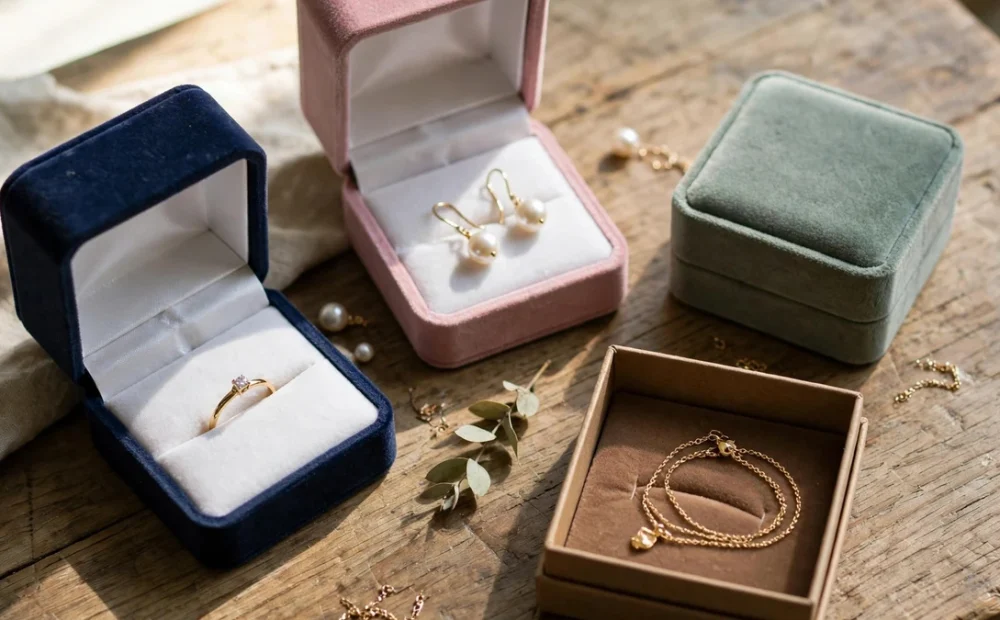
Proper storage is part of styling, because a piece that is clean and undamaged is far easier to wear well. Our guide to storing jewellery properly covers the simple habits that keep silver bright between wears, and they take less time than most people expect.
Matching silver to your skin tone and wardrobe
Silver suits cool and neutral skin tones most naturally, because its cool tone echoes the pink or blue undertones in the skin. If your veins look blue or purple at the wrist and silver jewellery has always looked right on you, you are probably cool-toned, and polished silver will be your easiest metal. Neutral skin tones, where veins look blue-green and both metals seem to work, can wear silver freely, especially in brushed or matte finishes that soften the contrast.
Warm skin tones can wear silver beautifully too, but the styling needs a little more thought. Choose brushed or oxidised silver rather than high-polish, add a warm stone or a warm fabric, and avoid wearing silver against very yellow or orange clothing, where the contrast can make the metal look grey. In the wardrobe, silver is happiest with navy, charcoal, white, black, denim, and cool pastels.
The caveats that matter
Silver is a soft metal, and that is both its charm and its weakness. It scratches, it tarnishes, and it bends more easily than gold or platinum. None of that means you should avoid it. It means you should style it with its nature in mind, choosing sturdier pieces for daily wear and saving delicate ones for occasions where they will not be knocked about. Sterling silver is also an alloy, usually with copper, and a small number of people react to the copper content, so if silver has ever irritated your skin, that is worth knowing before you invest in more pieces.
| Detail | What is known |
|---|---|
| Best partner colours | Navy, grey, white, black, denim, and cool pastels suit silver best |
| Best skin tones | Cool and neutral tones suit polished silver most naturally; warm tones suit brushed or oxidised finishes |
| Hero piece rule | One strong piece per outfit, with everything else quieter |
| Layering chains | Use clearly different lengths, at least 5 centimetres apart, to avoid tangling |
| Mixing metals | Mix silver and gold only deliberately, with a clear balance, or use a two-tone piece |
| Everyday wear | Studs, slim chains, and plain bands are the most forgiving daily choices |
| Tarnish | Silver tarnishes in air and humidity; a quick polish before wearing keeps it bright |
| Who should take care | People with copper sensitivity should test silver first, and delicate pieces should be saved for gentle occasions |
If you are buying silver for the first time, start with one versatile piece, a slim chain or a pair of studs, and wear it for a few weeks before adding more. That way you learn what suits you before you build a collection, and you avoid the common mistake of buying five pieces at once and wearing none of them well.
Checklist: styling silver jewellery honestly
Run through these checks before you leave the house.
- Choose one hero piece and make sure everything else is quieter than it.
- Check the necklace against your neckline, and the earrings against your hairstyle.
- Make sure layered chains sit at clearly different lengths and are not tangled.
- Check that any mixed metals look deliberate, not accidental.
- Polish the pieces you are wearing, and check clasps and settings before you go.
- Look at the whole outfit from a normal distance, not just close up in the mirror.
Frequently asked questions
Can I wear silver jewellery every day?
Yes, and silver is well suited to daily wear, because it is comfortable and goes with most wardrobes. Choose sturdy pieces for everyday use, such as studs, slim chains, and plain bands, and save delicate or heavily detailed pieces for occasions where they will not be knocked about.
Does silver suit warm skin tones?
Yes, with the right finish. Brushed, matte, or oxidised silver suits warm skin better than high-polish silver, and pairing it with a warm stone or a warm fabric helps it sit comfortably against the skin rather than looking cold or grey.
Can I mix silver and gold jewellery?
Yes, if the mix looks intentional. Balance the two metals so neither looks like an accident, for example a silver chain with a gold pendant, or a two-tone piece that already combines both. One stray piece in the other metal is what usually looks wrong.
How do I stop silver chains from tangling?
Layer chains at clearly different lengths, at least five centimetres apart, and vary the texture so each layer is easy to tell apart. If they still tangle, drop one layer, or use a small necklace spacer to keep them separated during the day.
Should I wear silver with a watch?
Yes, if the metals are close in tone. A silver watch pairs naturally with silver jewellery, while a gold watch beside silver bracelets can look mismatched unless the mix is deliberate. Keep the wrist with the watch simple, and let the other wrist carry any bracelets.
Why does my silver look dull even after cleaning?
It may need a proper polish rather than just a wash, or the finish may be brushed or oxidised by design, which is meant to look soft rather than bright. If a polished piece stays dull after a cloth polish, it may be scratched or heavily tarnished, and a jeweller can restore the finish.
The bottom line
Styling silver jewellery well comes down to a few habits that take minutes, not hours: choose one hero piece, match your metal to your neckline and your hair, layer at different lengths, keep one wrist and one hand quiet, and polish before you wear. Silver rewards that kind of attention, because it is a quiet metal, and quiet metals look their best when the choices around them are deliberate.
Start with the pieces you already own, and change one thing at a time. Wear a single cuff instead of a stack, or swap a long chain for a shorter one, and see how the outfit changes. Once you know which combinations suit you, building a silver collection becomes much easier, because every new piece has a clear job to do.