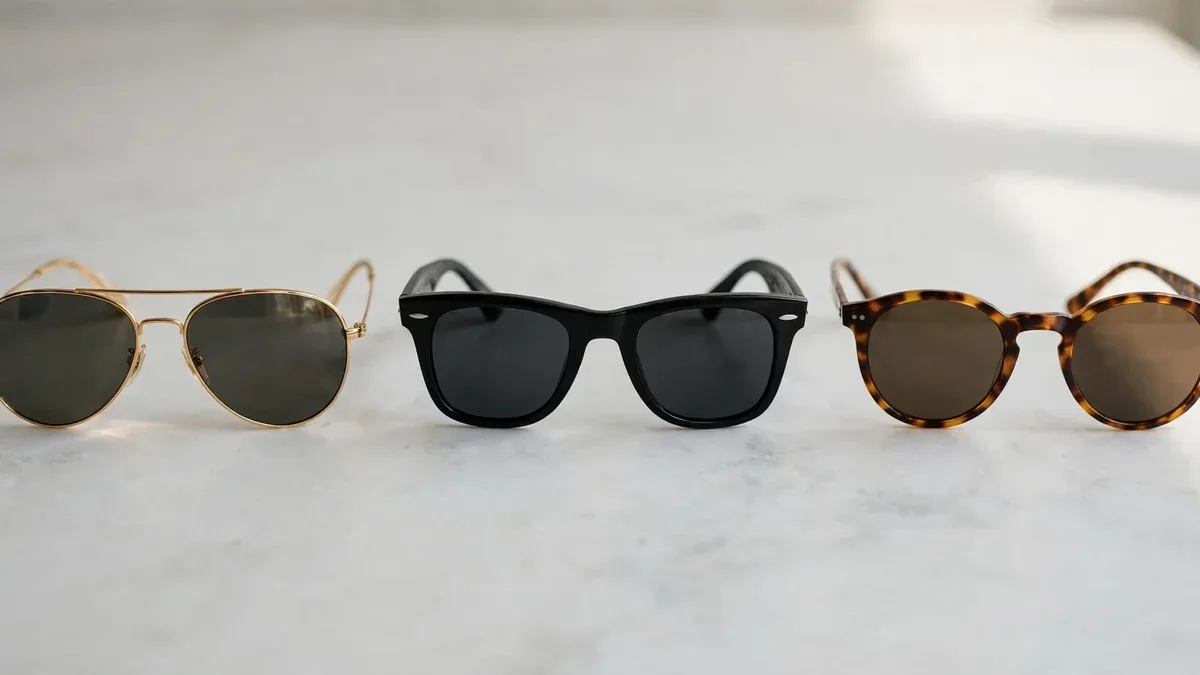
Best Luxury Eyewear Brands 2027: 8 Houses Worth the Investment
The best luxury eyewear brands earn their prices through materials you can feel, construction that survives daily wear, and design that still looks right years later. A well-made pair of sunglasses or optical frames is one of the few luxury purchases you reach for every day, so fit and comfort matter as much as the name on the temple.
Luxury eyewear is also a market where the label and the maker are often different companies. Many fashion houses license their eyewear to large manufacturers, while a smaller group of independents design and build frames in their own workshops. Neither model is automatically better, but knowing which one you are buying changes what the price pays for.
Below are eight luxury eyewear brands covering the full range of what the market does well, from Italian acetate icons to high-jewellery houses. Each profile sets out what the brand does best and what to watch out for, followed by a comparison table, a checklist, and answers to the questions shoppers ask most.
Key takeaways
- The best luxury eyewear brands combine considered design with materials that justify the price: Italian acetate, Japanese titanium, hand-polished finishes, and quality hinges.
- Ray-Ban, Persol, and Oliver Peoples are the most accessible entry points into luxury eyewear, while Cartier sits at the top end for craftsmanship.
- Fit matters more than the logo: frame width, bridge shape, and lens quality decide whether an expensive pair is comfortable to wear daily.
- Buy from the brand’s own boutique or website, or an authorised optician, and keep the case and proof of purchase.
- Luxury branding does not guarantee luxury construction, so check whether a frame is made by the house itself or under licence before paying a premium.
What this guide covers
This guide covers eight luxury eyewear brands, with prices from around $150 to well over $2,000. It covers what each house is known for, its materials, and the drawbacks that do not show up in advertising. Lens choice depends on your prescription and your optician, so this guide does not cover prescription lenses in depth, but it explains what to ask for when ordering lenses for a luxury frame.
How we chose
We chose these eight brands by weighing materials and construction, design longevity, the breadth of the range, and each brand’s standing with opticians and collectors. A brand made the list only if its frames are consistently well made across the range and its designs hold up beyond a single season. We also favoured brands with reliable aftercare: spare parts, adjustments, and warranty support.
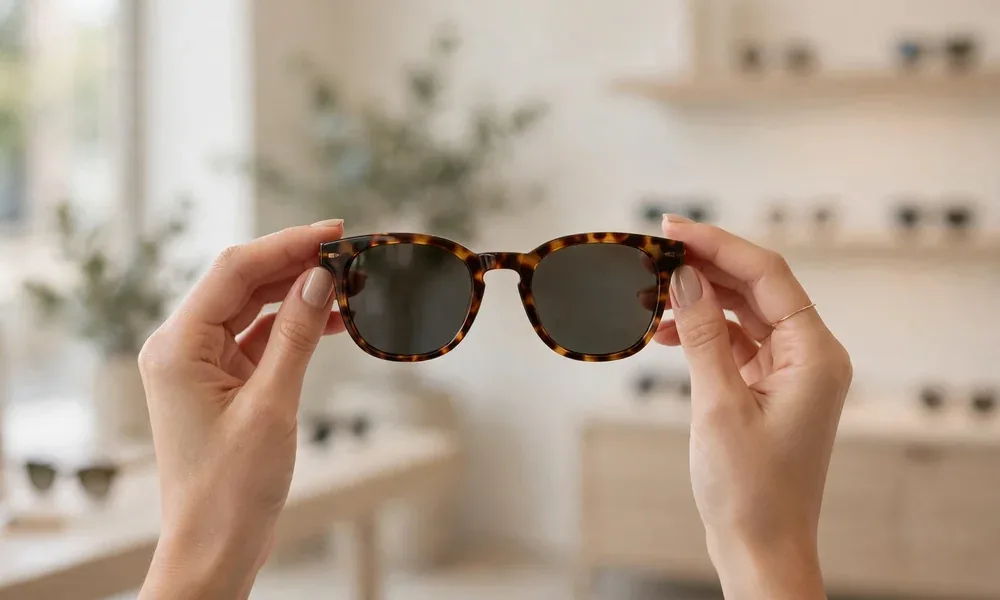
Price was considered, but it was not a ranking factor on its own. A $200 frame from a specialist can be better made than a $600 frame from a fashion house. What matters is whether the price matches what you receive.
What to look for
Look at the material first: Italian acetate, Japanese titanium, and precious-metal details are what justify higher prices. Check the hinges, which should move smoothly and hold their tension, and the finishing, which should be polished evenly with no rough edges. Hold the frame: it should feel balanced, not front-heavy. Finally, check the lenses: quality sunglasses offer full UVA and UVB protection, and the best offer polarised options.
1. Ray-Ban
What We Like: Ray-Ban is the most recognisable name in eyewear, and its Aviator and Wayfarer have been in production for decades. The shapes are proven, parts are easy to find, and most sunglasses cost from around $150 to $250. Lenses offer full UVA and UVB protection as standard.
What to Consider: Ray-Ban is owned by Luxottica, the world’s largest eyewear manufacturer, and its frames are mass-produced rather than hand-finished in small batches. The finishing is good for the price but not at the level of the specialist houses here, and limited editions cost more for scarcity than construction. The best bug eye sunglasses show how a classic brand’s oversized styles can feel current when the shape is right. The caveat: premium models costing twice the standard range do not always offer twice the quality.
2. Persol
What We Like: Persol is the connoisseur’s choice among Italian sunglasses, made in Italy from acetate with the brand’s signature flexible Meflecto stem, a sprung temple that adapts to the wearer’s head. The 649 and 714 folding models are icons, worn by film stars since the 1960s, and the tortoiseshell acetates are among the most attractive made.
What to Consider: Persol’s range is narrower than the fashion houses, and its styles lean classic rather than trend-led. The folding models add mechanical complexity, and acetate frames need occasional adjustment as the material settles. Founded in Turin in 1917, Persol supplied pilots and drivers before becoming a fashion name; prices typically run from around $250 to $450. The caveat is sizing: the folding 714 suits medium to larger faces, so try it on first.
3. Oliver Peoples
What We Like: Oliver Peoples, founded in Los Angeles in 1987, built its reputation on vintage-inspired frames with exceptional attention to detail: hand-finished acetate, filigree metalwork, and a restrained aesthetic that avoids visible logos. Its optical range is one of the strongest in luxury eyewear. Prices generally run from around $350 to $550.
What to Consider: The understated style is the point, but the frames do not announce themselves, which some buyers at this price expect. The lenses are good but not the most technically advanced here, and the delicate metal detailing bends more easily than sturdier acetate. The caveat: repairs are best done by an optician experienced with the brand, so find a good optician when you buy.
4. Cartier
What We Like: Cartier brings the standards of a high-jewellery house to eyewear: precious metals, buffalo horn, hand-polished acetate, and finishing visible under close inspection. The Santos and Panthère lines translate the house’s watch and jewellery codes into frames that are unmistakably Cartier. Prices start from around $700 and rise above $2,000 for gold and horn.
What to Consider: Cartier eyewear is the most expensive category here, and the premium pays for materials and the house’s name in roughly equal measure. The frames are heavier than titanium alternatives, and servicing is best done through Cartier itself, which is slower and more expensive than a local optician. The caveat: Cartier frames are statement pieces, and details such as the screw motifs and panther heads are not subtle, so if you prefer discretion, choose the simpler acetate and metal frames.
5. Dior
What We Like: Dior’s eyewear is the most fashion-forward here, with bold shapes, details such as the CD monogram, and a strong presence on runways and in editorial photography. Prices typically run from around $400 to $800.
What to Consider: Dior’s eyewear is produced under licence by Thélios, a joint venture between LVMH and Marcolin, so the frames are made by a specialist manufacturer rather than by Dior itself. Construction is comparable to other licensed luxury eyewear, and the boldest styles date faster than classic shapes. The caveat: choose the shape, not just the season. Dior’s classic aviators and wayfarers in neutral acetate will outlast its most experimental frames by years.
6. Gucci
What We Like: Gucci’s eyewear is expressive and instantly recognisable, from the interlocking G hardware to the oversized shapes and rich acetates. The range covers classic aviators, bold square frames, and optical styles, with prices typically from around $350 to $700.
What to Consider: Gucci’s eyewear is produced under licence by Kering Eyewear, and its designs follow fashion cycles closely, so some styles feel dated within a couple of seasons. The prominent logos are deliberate, so buyers who prefer understatement will find the range too loud. Counterfeits are widespread. The caveat is authenticity: buy only from Gucci boutiques, the brand’s website, or authorised opticians, and check the packaging and documentation carefully.
7. Tom Ford
What We Like: Tom Ford’s eyewear is the most consistently glamorous here: bold, polished, and designed to be noticed, with the metal T logo on the temple as a discreet but unmistakable signature. The frames are made in Italy, the acetate is rich and well finished, and the range covers aviators to oversized square sunglasses. Prices typically run from around $400 to $700.
What to Consider: Tom Ford’s eyewear is produced under licence by Marcolin, and the emphasis on glamour means the frames can feel heavy and the lenses dark, which suits bright sunlight more than overcast days. The styles suit a polished, assertive look that does not suit every face. The caveat is weight and tint: try the frames on for several minutes, and ask your optician about lighter tints or gradient options for variable light.
8. Cutler and Gross
What We Like: Cutler and Gross is a London independent founded in 1969 that makes its frames by hand in Italy, with a focus on bold acetate shapes, rich colours, and a distinctive British eccentricity. Its frames are favourites among stylists and collectors. Prices typically run from around $450 to $650.
What to Consider: Cutler and Gross is a smaller house, so availability is more limited than the licensed giants, and the bold shapes do not suit every face. Spare parts and repairs go through the brand’s own network, smaller than a global manufacturer’s. The house began as an optician’s practice in Knightsbridge, and its frames are designed by people who fit glasses for a living. The best spring accessory trends show how a bold frame can anchor a seasonal look. The caveat is fit: try several models at a stockist with the full range.
Background
Luxury eyewear took shape in the twentieth century, when sunglasses moved from equipment for pilots and drivers to fashion accessories. Ray-Ban’s Aviator arrived in 1937, Persol was already supplying the Italian military, and Cartier had made frames for its clients for decades. The post-war decades turned eyewear into a style statement, helped by film stars who made the Wayfarer, the Persol 714, and oversized 1970s frames famous.
The industry changed again as large manufacturers consolidated production. Luxottica grew to make frames for many famous brands under licence, while Kering Eyewear and Thélios brought the same model to the other great fashion groups. This improved consistency, but the brand on the temple and the company that made the frame were often different. The materials changed less: Italian acetate remains the standard for quality plastic frames, Japanese titanium dominates lightweight metal, and hand polishing is still the mark of a well-finished frame.
The caveats that matter
The most important caveat is the gap between price and construction. A fashion house’s frame can cost $600 while a specialist’s frame at $350 is better made, because the fashion house’s price includes marketing, boutiques, and brand value. That is not a bad deal if the design is what you want, but it is if you assumed the price guaranteed superior craft. Check the materials, hinges, and finishing before you check the logo.
Fit is the second caveat. Luxury frames are made in fixed sizes, and a beautiful frame that slides down your nose or pinches behind your ears will sit unworn in a drawer. Face width, bridge shape, and temple length cannot be judged from a photograph. Try frames on in person, and confirm the return policy before ordering online.
Authenticity is the third caveat. Counterfeit luxury eyewear is common, and the best fakes copy the frame closely while using inferior lenses that may not protect your eyes. Buy only from the brand’s own channels or authorised retailers, and be suspicious of large discounts. A genuine pair comes with proper packaging, documentation, and a warranty.
| Brand | Typical price | Best for | Main caveat |
|---|---|---|---|
| Ray-Ban | From around $150 | Classic styles, everyday wear | Mass-produced finishing |
| Persol | From around $250 | Italian acetate, timeless design | Narrow, classic range |
| Oliver Peoples | From around $350 | Understated elegance, optical frames | Delicate detailing, discreet branding |
| Cartier | From around $700 | Precious materials, jewellery craft | Highest prices, heavier frames |
| Dior | From around $400 | Fashion-forward sunglasses | Licensed production, fast-dating styles |
| Gucci | From around $350 | Bold designer statement | Counterfeits widespread, loud logos |
| Tom Ford | From around $400 | Glamorous, polished looks | Heavier frames, dark lenses |
| Cutler and Gross | From around $450 | Handmade acetate, individual style | Limited availability, bold fit |
Finally, eyewear is a purchase you live with daily, so check the warranty before you buy, keep the receipt and the case, and have the frames adjusted by a professional rather than bending them yourself. A well-chosen pair should last for years, and the best brands support their frames with parts and service long after the sale.
Checklist
- Try the frame on in person and wear it for several minutes to check the fit across the bridge and temples.
- Check the materials: Italian acetate, Japanese titanium, or precious metals signal genuine luxury construction.
- Confirm the lenses offer full UVA and UVB protection, and ask about polarised options.
- Buy from the brand’s own boutique or website, or an authorised optician, and keep the case, documentation, and proof of purchase.
- Ask about the warranty, spare parts, and adjustments before you pay, not after a hinge loosens.
- Choose the shape for how long you will wear it: classic frames for five years, bold seasonal styles for one.
FAQ
What is the best luxury eyewear brand overall?
There is no single best brand, because the answer depends on what you value. For everyday classic sunglasses at an accessible price, Ray-Ban is the strongest choice. For understated craft, Oliver Peoples and Cutler and Gross lead. For the finest materials, Cartier is unmatched. The right brand is the one whose strengths match your priorities.
Are luxury sunglasses worth the price?
They can be, if the price buys better materials, better lenses, and better aftercare. A well-made acetate or titanium frame lasts longer and feels more comfortable than a cheap one. But the price also pays for branding and marketing, so judge each frame on construction and fit rather than assuming a higher price means a better pair. Treating eyewear as part of a wider luxury fashion investment keeps the decision focused on longevity and value rather than the logo.
How do I know if luxury eyewear is genuine?
Buy from the brand’s own boutique or website, or an authorised optician, and check the packaging, case, documentation, and warranty card. Genuine frames have clean, precise engraving, even polishing, and smooth hinges. Be wary of large discounts on current-season models. If the price looks too good to be true, it almost certainly is.
What is the difference between licensed and independent eyewear brands?
A licensed brand, such as Dior or Gucci, designs its eyewear and has it made by a specialist company under licence. An independent brand, such as Cutler and Gross, designs and makes its frames in its own workshops or through a dedicated manufacturer. Licensed frames can be excellent, but the price reflects the fashion house’s brand value as well as manufacturing cost.
How should luxury eyewear fit?
The frame should sit level, with the bridge resting comfortably on your nose without pinching or sliding. The temples should reach your ears without pressing, and the frame should not touch your cheeks when you smile. An optician can adjust most frames, but the starting size must be close, so try before you buy.
How do I care for luxury eyewear?
Store the frames in their hard case, clean the lenses with a microfibre cloth and lens cleaner rather than your shirt, and avoid leaving them in a hot car, which can warp acetate. Have an optician check the screws and hinges once a year.
The bottom line
The best luxury eyewear brands are the ones that match what you want from a pair of frames: Ray-Ban and Persol for timeless classics, Oliver Peoples and Cutler and Gross for craft and individuality, Cartier for the finest materials, and Dior, Gucci, and Tom Ford for fashion-led design. No single brand wins on every measure, and the most expensive frame is not automatically the best for you. Judge each pair on its materials, its fit, and its design, buy from an authorised source, and choose a shape you will want to wear in five years.
If you take one rule from this guide, make it this: try the frames on, check the construction with your own hands, and buy the pair that fits your face and your life, not the one with the loudest name. A luxury frame is a daily companion, and the right one disappears onto your face while making everything else you wear look better. That is what the price is paying for, and it is worth choosing carefully.
Meet Our Experts
Our fashion and accessories editorial team researches and writes our buying guides, drawing on brand histories, materials knowledge, and current collections.
Why Trust BrassSmile
BrassSmile covers beauty, fashion, and luxury with guides written to help readers make confident choices. Our articles focus on materials, construction, and fit rather than hype.
Sources
Ray-Ban, Persol, Oliver Peoples, Cartier, Dior, Gucci, Tom Ford, Cutler and Gross, Luxottica, Kering Eyewear, Thélios, Marcolin, Mazzucchelli 1849, Vogue, Harper’s Bazaar, Elle, GQ, Financial Times.