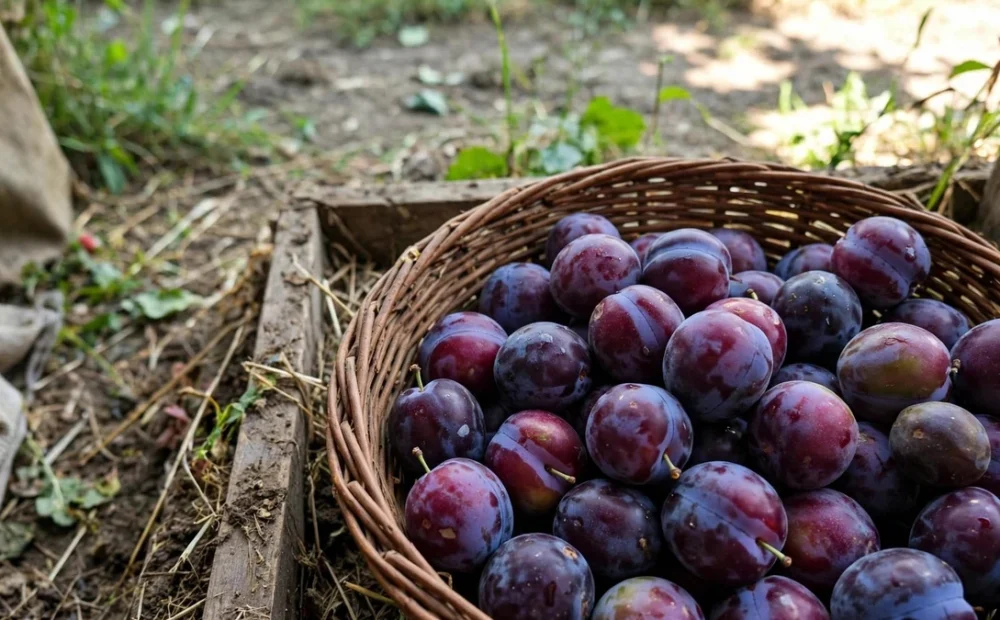
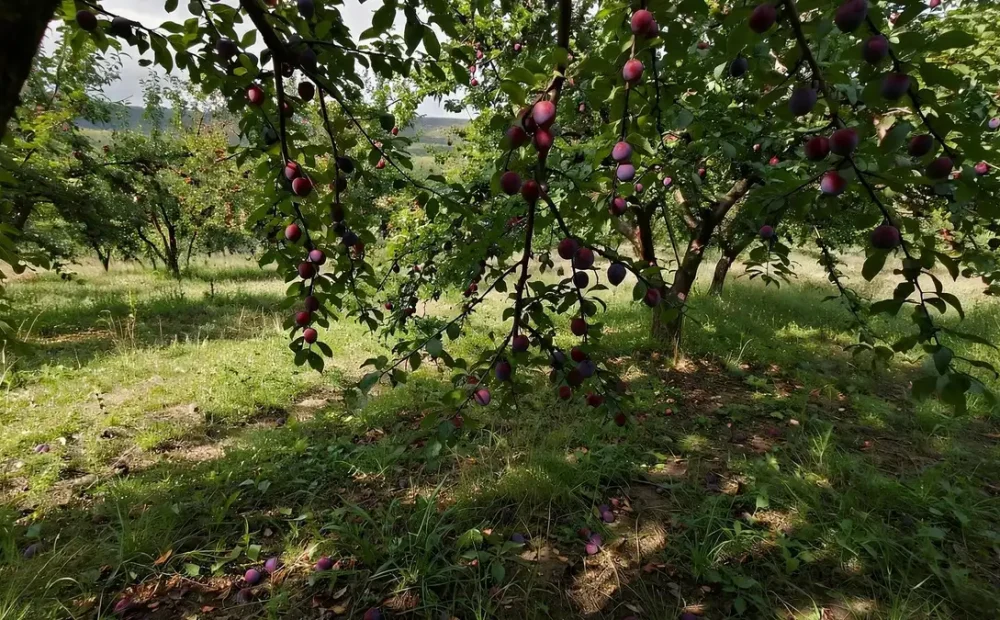
Plums are the quiet fruit of the orchard world. They get none of the festivals of the cherry blossom or the romance of the vineyard, yet a plum farm in full flower is one of the loveliest sights in spring, and a plum orchard in late summer smells of warm fruit and woodsmoke from the drying sheds. A plum farm retreat is a stay built around that rhythm: a farmhouse among the trees, with picking in the morning and tastings of plum brandy and plum jam in the evening.
The appeal is partly that plums are so varied. A greengage from the Loire tastes nothing like a damson from an English hedgerow, and a Japanese ume is a different fruit again, sharp and fragrant, pickled rather than eaten raw. Each region grows its own varieties, dries or distils what it cannot sell fresh, and cooks with the rest.
Below are nine plum farm retreats worth considering in 2027, from Japanese ume groves and Serbian brandy country to the prune orchards of California and the greengage farms of the Loire. Each one is described by what it does well, what to watch for, and who it suits best, so you can choose a region with your appetite in mind, not just a photograph.
Key takeaways
- Plum farm retreats are stays built around an orchard, with picking, cooking and tasting at the centre of the day.
- European, Japanese and American plums are different fruit, so the region decides what you will taste.
- Plum blossom comes early in spring, while the fruit ripens in summer, so the season you pick changes the trip completely.
- Many plum farms distil brandy or dry prunes on site, and the tasting is often the best part of the stay.
- Plum seasons are short and weather-dependent, so confirm the harvest is still on before you book.
What a plum farm retreat actually is
A plum farm retreat is not a hotel with an orchard view. It is a working farm that takes guests, usually in a farmhouse or a converted barn among the trees. The day is shaped by the orchard: picking in the cool morning, a long lunch from the farm’s own fruit, and an evening tasting.
Plums are a working crop, not a show crop. The trees need pruning in winter, thinning in spring, and picking in a short summer window. Guests who arrive during blossom see the trees at their most beautiful, white and pink flower before a single leaf appears. Guests who arrive at harvest see the farm at its busiest, with crates and drying trays.
The other thing to know is that plums travel badly and keep well. Fresh eating plums bruise easily, which is why the best ones are eaten within hours of picking, and why so much of the crop is dried, cooked, or distilled. A good plum farm retreat makes a virtue of that, with a pantry of its own preserves and a cellar of its own spirit.
How we chose these retreats and what to look for
Look first at whether the farm grows plums as its main crop. A farm with a few plum trees behind the guesthouse is not the same as an orchard of several hundred trees, and the difference shows in the food and the tastings. The farms below all grow plums at scale, and most process the fruit on site. Our guide to luxury peach farm retreats follows the same test: a fruit farm stay is only as good as the fruit it grows.
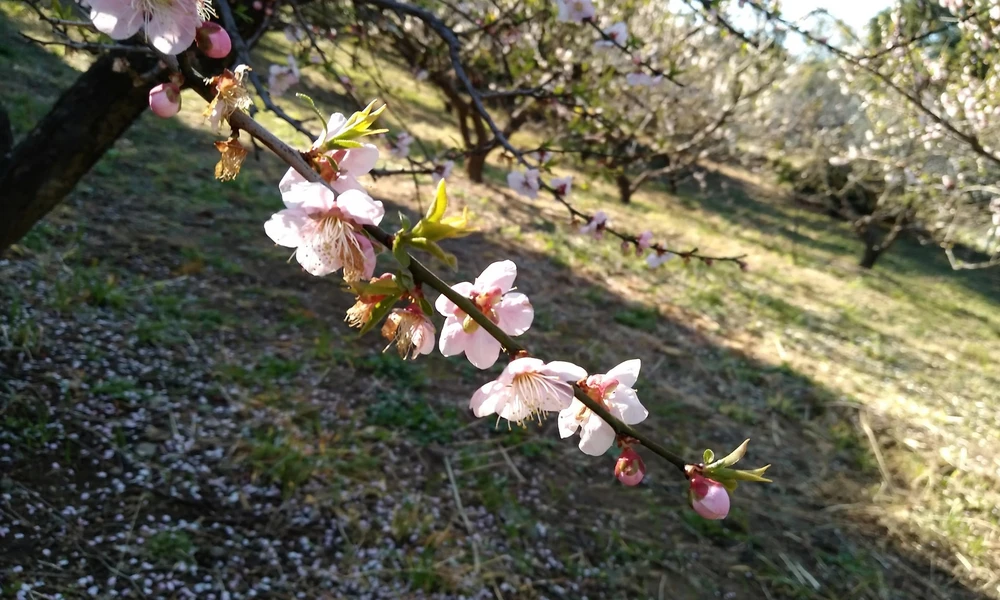
Look next at the season. Plum blossom is early and brief, often lasting two or three weeks, and a late frost can cut it short. The fruit harvest is longer but still short, usually a few weeks per variety, and farms grow several varieties so the season stretches out. Ask the farm which varieties it grows and when they ripen.
Finally, look at what is included. The best stays include breakfast made with the farm’s own fruit, a walk through the orchard, and a tasting of the farm’s preserves or brandy. A stay that charges extra for all of those things is often a hotel that happens to own an orchard, not a farm that welcomes guests.
The 9 best luxury plum farm retreats of 2027
Plum Orchards of Kagoshima, Japan
What we like: Kagoshima grows ume, the Japanese plum, and the orchards here are at their best in late winter, when the blossom opens before the leaves. The farms pickle ume into umeboshi and steep it into umeshu, a sweet plum wine. What to consider: Ume is sharp and sour, not a sweet eating plum, so do not expect to pick fruit and eat it raw. Best For: Travellers who want blossom, pickling and plum wine. Style: Small family orchards with guest rooms. Price Range: About $250 to $450 a night. Standout Feature: Ume blossom in February and umeshu tastings in the farm cellar.
Plum Orchards of Serbia
What we like: Serbia is plum country in the fullest sense, with orchards across the hills and a brandy tradition, slivovitz, that is recognised by UNESCO. The farms here distil their own spirit, dry their own prunes, and cook with plums all year. What to consider: The brandy is strong, often over 40 percent. Best For: Food and drink lovers who want the full plum culture. Style: Farmhouses and guesthouses with a distillery on site. Price Range: About $150 to $350 a night. Standout Feature: A working copper still and a cellar of aged slivovitz.
Plum Orchards of the Loire Valley, France
What we like: The Loire grows the Reine-Claude, or greengage, a small green plum that is honey-sweet when ripe and almost impossible to buy outside the region. The orchards sit among vineyards and chateaux, and the farms are polished, with good rooms and a calm, unhurried pace. What to consider: Greengages ripen fast and bruise easily, so the picking window is short. Best For: Couples who want a gentle, food-led stay in a beautiful valley. Style: Stone farmhouses and small country hotels. Price Range: About $300 to $550 a night. Standout Feature: Greengage picking and tasting, with the fruit eaten warm from the tree.
Plum Orchards of California’s Santa Clara Valley, USA
What we like: The Santa Clara Valley was once known as the Valley of Heart’s Delight, and its prune orchards were the reason. A few historic farms remain, growing the plums that are dried into prunes, and the stays combine orchard walks with the food and wine of the wider valley. What to consider: Much of the valley is now built up, so the surviving orchards are pockets rather than endless rows. Best For: Travellers who want prune country with California comfort. Style: Historic farmhouses and boutique inns. Price Range: About $350 to $650 a night. Standout Feature: Prune drying sheds and a valley history that predates Silicon Valley.
Plum Orchards of Transylvania, Romania
What we like: Transylvanian farms grow plums for tuica, the local plum brandy, and for jam, and the orchards roll over green hills that look almost untouched. The stays are simple and warm, with home cooking and wood fires, and the prices are the lowest on this list. What to consider: The roads are slow and the farms are remote, so allow more travel time. Best For: Travellers who want a quiet, old-fashioned farm stay. Style: Village farmhouses with a still in the yard. Price Range: About $120 to $280 a night. Standout Feature: Home-distilled tuica and plum jam made over a wood fire.
Plum Orchards of Bosnia and Herzegovina
What we like: Bosnia’s plum orchards sit in river valleys and on steep hillsides, and the farms here make some of the best slivovitz and plum jam in the Balkans. The stays are family-run, the food is generous, and the landscape is more dramatic than flatter orchard country. What to consider: Some farms are hard to reach without a car. Best For: Adventurous travellers who want Balkan plum culture off the main routes. Style: Family farmhouses with a still in the yard. Price Range: About $130 to $300 a night. Standout Feature: Hillside orchards and a cellar of home-distilled slivovitz.
Plum Orchards of South Korea
What we like: South Korea grows maesil, the green plum, and the farms here turn it into maesil-cheong, a sweet plum syrup, and maesil-ju, a plum wine. The orchards bloom in early spring, and the stays combine picking with temple visits, tea and careful farm cooking. What to consider: Maesil is too sour to eat raw, so the pleasure is in the syrup and the blossom. Best For: Travellers interested in Korean food culture and spring blossom. Style: Rural guesthouses and temple-stay farms. Price Range: About $200 to $400 a night. Standout Feature: Maesil syrup making and early spring blossom.
Plum Orchards of Sichuan, China
What we like: Sichuan grows plums for fresh eating, for pickling and for plum wine, and the orchards sit in misty hills where the fruit ripens early and sweet. The farms here are working places, not resorts, and the food is generous Sichuan cooking, with plums in sauces, drinks and desserts. What to consider: The region is humid and the hills are steep, so pack for rain. Best For: Travellers who want a working orchard and bold regional cooking. Style: Farm guesthouses with a family kitchen. Price Range: About $180 to $380 a night. Standout Feature: Early-ripening plums and plum wine made on the farm.
Plum Orchards of Hungary
What we like: Hungary grows plums for palinka, the fruit brandy that is a point of national pride, and for lekvar, the thick plum butter that fills pastries and dumplings. The orchards sit on the Great Plain and in the northern hills, and the farms are welcoming, with good food and a distilling tradition taken very seriously. What to consider: Palinka is strong. Best For: Food lovers who want brandy, plum butter and dumplings in one trip. Style: Farmhouses and rural inns with a still. Price Range: About $150 to $320 a night. Standout Feature: Plum palinka tastings and lekvar made in the farm kitchen.
Which plum region is right for your trip
Start with the fruit you want to taste. If you want sweet eating plums and gentle weather, the Loire Valley and California are the safest choices. If you want blossom and pickling, Kagoshima and South Korea are the places. If you want brandy and a working farm, Serbia, Bosnia, Romania and Hungary are the heartland.
Then think about the season. Plum blossom is a spring trip, and it is short, so book early and be ready for the dates to move if the weather turns. The fruit harvest is a summer trip, and it lasts longer, but each variety ripens in its own window.
Finally, think about how you want to travel. The European regions are easy to reach by train and car. The Asian regions reward a slower trip, with blossom and tea alongside the orchard. The Balkan regions are the most rewarding and the least polished, suiting travellers happy with simple rooms and long meals. Our guide to luxury apricot farm retreats follows the same logic: with any fruit farm stay, the variety and the season matter more than the postcode.
The caveats that matter
Plum farm retreats are wonderful, but they are not ordinary hotels, and what makes them special can also catch you out. The blossom is weather-dependent, the harvest is short, and a farm that looks open online may have finished picking. Some farms are remote, some have simple rooms, and some have no restaurant, only a farm kitchen that cooks what the season provides.
| Detail | What is known |
|---|---|
| Best time for blossom | Late winter to early spring, usually only two to three weeks |
| Best time for fruit | Late spring to late summer, each variety in its own short window |
| What to check before booking | Which varieties the farm grows, when they ripen, and whether picking is open |
| Who should avoid harvest stays | Anyone who cannot walk on uneven ground or climb a short ladder |
| Brandy tastings | Plum brandy is often over 40 percent, so taste slowly and eat first |
| What to pack | Sturdy shoes, layers for cool mornings, and a bag for fruit you buy to take home |
| Allergies and sensitivities | Plum pollen and stone fruit can affect people with birch pollen or stone fruit allergies |
| What a plum farm does not do | It does not guarantee fruit on a given date, and it is not a resort with a spa and a pool |
If you have a stone fruit or birch pollen allergy, check with your clinician before a plum farm stay. If you are pregnant, breastfeeding, or taking medication that interacts with alcohol, skip the brandy tastings.
Checklist: choosing a plum farm retreat honestly
Use these checks before you book.
- Check the crop: ask which varieties the farm grows and when they ripen, and book for the one you want to taste.
- Check the season: confirm the blossom or harvest is happening on your dates, not just in the brochure.
- Check what is included: breakfast, an orchard walk and a tasting should be part of the stay.
- Check the rooms: ask whether the farm has a restaurant, a shared kitchen or a farm table, and what dinner looks like.
- Check the ground: plum orchards are uneven, so bring sturdy shoes and ask about steps, slopes and ladders.
- Check the journey home: buy fruit, jam and brandy on the last morning, and check what you can carry home.
Frequently asked questions
What is the difference between a plum and a prune?
A prune is a dried plum, not a different fruit. Certain varieties, mostly European plums, are bred to dry well, keeping their sweetness and a soft, chewy texture. Fresh plums are eaten raw, while prunes are dried in the sun or in sheds, and they keep for months.
When do plum trees blossom, and when is the fruit ripe?
Plum trees are among the first fruit trees to blossom, often in late winter or early spring, before the leaves appear, and the blossom usually lasts two to three weeks. The fruit ripens in late spring to late summer, with each variety having its own short window.
Can I taste plum brandy at a plum farm?
Yes, in most of the regions on this list, and it is often the best part of the stay. Serbian slivovitz, Romanian tuica, Hungarian palinka and Bosnian rakija are all made on the farm, and the tastings are usually generous. The brandy is strong, so taste slowly and eat first.
Are plum farm retreats open in winter?
Many are, but winter is quiet. The trees are bare, the work is pruning, and the pleasure is in the kitchen, the cellar and the fireside, not in picking. If you want blossom or fruit, book spring or summer. If you want a slow, cheap, fireside stay, winter can be lovely.
What should I pack for a plum orchard stay?
Sturdy shoes with grip, because orchard ground is uneven and can be muddy. Layers for cool mornings and warm afternoons, a sun hat for the rows, and a bag for fruit, jam and brandy you buy to take home. Secateurs are useful if the farm lets you pick your own.
Where should I go for my first plum farm retreat?
The Loire Valley is the easiest first trip, with sweet greengages and easy travel. If you want brandy and a working farm, Serbia is the classic choice. If you want blossom and a different food culture, Kagoshima in Japan is the most memorable. Our guide to luxury lavender farm retreats is a good next step if you enjoy single-crop farm stays.
The bottom line
The best luxury plum farm retreat in 2027 is not the most expensive or photographed. It is the one where the farm grows plums as its main crop, where the season matches your dates, and where the food and the tastings come from the orchard itself. For a first trip, the Loire Valley is the gentle choice. For brandy and a working farm, Serbia is the classic. For blossom, Kagoshima is the most memorable.
Choose a region, check the variety and the ripening dates with the farm before you book, and plan your days around the orchard. That is the honest way to enjoy a plum farm retreat, and the fruit will taste better for it.