The best luxury tequila brands are not simply the most expensive bottles on the shelf. They are the ones made from fully mature blue Weber agave, distilled with care, aged honestly, and bottled without shortcuts. A great luxury tequila tastes of cooked agave first, with oak, vanilla, spice, or dried fruit playing a supporting role, never hiding the spirit underneath. Once you know what to look for, the difference between a genuinely fine bottle and an expensive marketing exercise becomes easy to spot.
Tequila has changed greatly in the last decade. It was once treated mainly as a party spirit, something to shoot quickly or bury in a sweet cocktail. Today, the finest bottles are made to be sipped slowly, in the same way as a good cognac or single malt, and the best producers talk openly about their agave fields, their ovens, their stills, and their barrels. That transparency is part of what you are paying for, and it is worth learning to read.
Below are nine bottles worth considering, from an iconic ceramic decanter to a quietly brilliant extra añejo aged in former cognac barrels. Each is described by what it does well, what to watch for, and who it suits best.
Key takeaways
- A true luxury tequila is made from 100 percent blue Weber agave, with no added colouring, flavouring, or sweetener, and the label should say so clearly.
- Ageing defines the style: blanco is unaged or briefly rested, reposado rests two to twelve months, añejo one to three years, and extra añejo three years or more.
- Price is a poor guide on its own. Some of the most respected bottles cost around $150, while some bottles over $300 are paying mostly for the packaging.
- Taste before you collect: a small pour, neat, in a narrow glass tells you more about a bottle than any review or award sticker.
- No tequila, however fine, is an investment guarantee, and a luxury label does not make a bottle taste better to every palate.
What makes a tequila a luxury tequila
Every tequila starts in the same place: the blue Weber agave plant, grown for five to seven years in the volcanic soils of Jalisco, Mexico, then harvested, cooked, crushed, fermented, and distilled. What separates a luxury bottle from an ordinary one is how much care goes into each step. A luxury producer uses fully mature agave, cooks it slowly, and ferments with care so the spirit keeps its herbal, earthy character.
The label is your first honest guide. Look for 100% de agave, which means the spirit is made entirely from agave rather than the legal minimum of 51 percent, and for the NOM number, the four-digit code that identifies the distillery. A bottle that hides these details, or leans on a celebrity name instead of a distillery, deserves a second look.
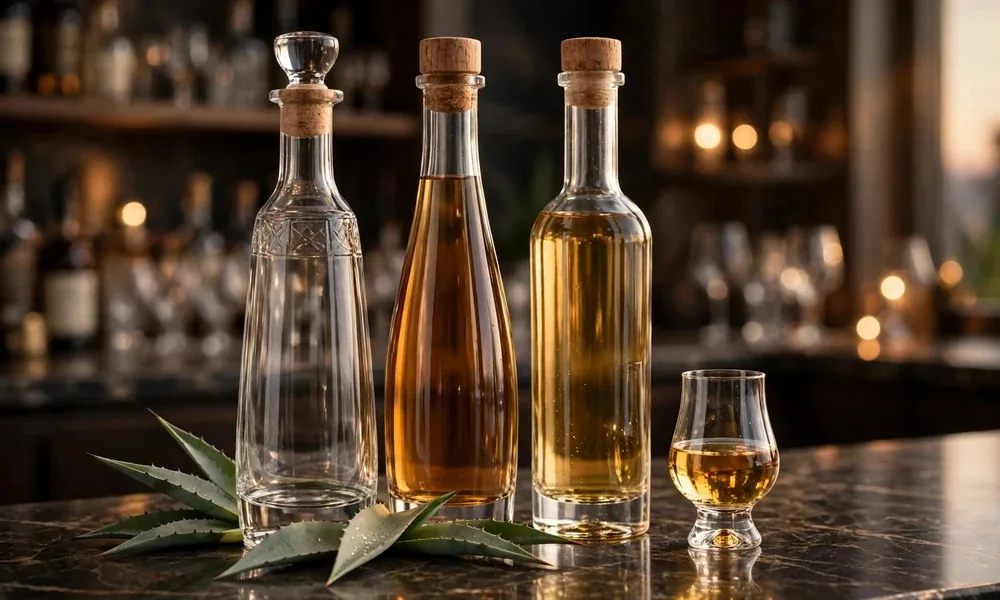
Ageing is where a luxury tequila earns its price. Blanco is bottled soon after distillation, bright and peppery, with fresh agave at the front. Reposado rests in oak for two to twelve months, picking up soft vanilla and a pale gold colour. Añejo rests for one to three years, growing rounder and more complex, while extra añejo spends three years or more in the barrel, developing caramel, dried fruit, and baking spice. Barrel ageing borrows the same slow patience you find in a great bourbon, and the story of what makes Maker’s Mark’s red-wax bottle different shows how a distillery can turn craft and consistency into an identity of its own.
Finally, consider how you will drink it. The finest bottles here are made for sipping neat or with a single drop of water, in a narrow glass that concentrates the aroma. A good reposado also makes a remarkable cocktail, and our guide to the best tequila for margaritas explains which styles hold their character in a drink and which are better saved for sipping. Buy the bottle for the way you will actually enjoy it.
What to look for in a luxury tequila
Start with the agave. A luxury tequila should taste of cooked agave first: sweet, herbal, and faintly earthy, with a clean finish. If the first thing you taste is added sweetness, or heavy vanilla that tastes like flavouring rather than oak, the bottle may rely on additives. The best producers are open about being additive-free.
Next, look at the distillation. Traditional producers crush cooked agave with a tahona, a large stone wheel, which is slow but keeps a fuller, more textured flavour. Modern roller mills are faster and more consistent, and they can still make excellent tequila. A producer that explains its method is usually one that cares about the result.
Then look at the barrel. American oak, often former bourbon barrels, gives vanilla, caramel, and warm spice. French oak, especially barrels that once held cognac or wine, gives dried fruit, cocoa, and a more delicate spice. The length of ageing matters more than the type of barrel: an extra añejo left too long in new oak can taste more like the barrel than the agave.
Clase Azul Reposado
What we like: A beautifully balanced reposado aged for eight months in American whiskey oak, with notes of cooked agave, vanilla, and gentle spice, in a hand-painted ceramic decanter that is a piece of Mexican craft.
What to consider: Premium price, and the decanter means you cannot see how much is left in the bottle. Style: Reposado. Ageing: 8 months, American whiskey oak. ABV: 40%. Price: Around $150 to $170.
This is the bottle most people picture when they think of luxury tequila, and the spirit inside earns the attention. It is smooth and approachable without being bland, with a silky texture and a long, warm finish. It suits a first luxury purchase and a gift alike.
Don Julio 1942
What we like: An añejo aged for at least two and a half years in American white oak, with rich caramel, vanilla, and a touch of chocolate, in a tall, slender bottle that has become a modern tequila icon.
What to consider: It is sweet and oak-forward, so lovers of bright, herbal blanco will find it a different spirit altogether. Style: Añejo. Ageing: Two and a half years, American white oak. ABV: 38%. Price: Around $150 to $180.
Named for the year Don Julio González founded his distillery, this is a celebration bottle and a slow after-dinner sipper. Serve it neat and let it open up for a few minutes: the caramel softens, the agave comes forward, and the finish turns long and gently spiced.
Gran Patrón Piedra
What we like: An extra añejo aged for more than four years in new French oak and used American oak, made from tahona-crushed agave, with deep notes of dried fruit, cocoa, and sweet oak.
What to consider: One of the most expensive bottles in this guide, and its richness can overwhelm a delicate palate. Style: Extra añejo. Ageing: Four years or more, French and American oak. ABV: 40%. Price: Around $400.
Piedra is the connoisseur’s bottle in the Patrón range. The tahona crushing gives it a weight and texture that survives the long ageing, so the agave is still present beneath the oak. It is a bottle for a special occasion, poured in small measures and taken slowly.
Casa Dragones Joven
What we like: A sipping tequila blending silver tequila with extra añejo, giving a pale, elegant spirit with notes of agave, vanilla, and spice, in a hand-numbered, hand-blown blue glass bottle.
What to consider: It is a blend, not a single age statement, and the delicate flavour can be lost in a cocktail. Style: Joven, a blend of blanco and extra añejo. Ageing: Blend, including extra añejo. ABV: 40%. Price: Around $280.
Casa Dragones set out to make a tequila for sipping rather than shooting, and Joven is the result. It is lighter and more floral than most aged tequilas, with a clean, almost silky finish, and it suits drinkers who find heavy extra añejos too oaky.
Código 1530 Origen Extra Añejo
What we like: An extra añejo aged for six years in French oak barrels that once held Napa Valley Cabernet, giving dark fruit, cocoa, and a long, wine-like finish over firm agave.
What to consider: The wine-barrel influence is strong, so it drinks closer to a fine brandy than to a classic tequila. Style: Extra añejo. Ageing: Six years, French oak ex-Cabernet barrels. ABV: 40%. Price: Around $330.
Origen is the flagship of a small, family-run distillery, and the six-year rest shows in every sip. It is deep, dark, and complex, with a finish that lasts for minutes. Buy it if you want a tequila that can stand beside a great cognac.
Tears of Llorona Extra Añejo
What we like: An extra añejo aged for five years in Scotch, sherry, and brandy barrels, with notes of dried cherry, dark chocolate, and warm spice, at a notably high bottling strength.
What to consider: At 43% ABV it is stronger than most tequilas, and the sherry influence will not suit everyone. Style: Extra añejo. Ageing: Five years, Scotch, sherry, and brandy barrels. ABV: 43%. Price: Around $250 to $280.
Named for a figure from Mexican folklore, Tears of Llorona is made in small batches and finished in a way no other tequila in this guide is. The result is layered and unusual, with a whisky-like depth that appeals to drinkers who come to tequila from Scotch or bourbon.
Fortaleza Añejo
What we like: A traditional, additive-free añejo made with tahona-crushed agave and aged for eighteen months in American oak, with clear cooked agave, vanilla, and a long herbal finish.
What to consider: It is made in small batches and often hard to find, and the price has risen as its reputation has grown. Style: Añejo. Ageing: Eighteen months, American oak. ABV: 40%. Price: Around $150 to $200.
Fortaleza is the favourite of bartenders and tequila enthusiasts, and for good reason. It is made the old way, in a small stone distillery, with no shortcuts and no additives, and you can taste the difference. The agave stays at the centre of the flavour even after eighteen months in oak.
Komos Añejo Cristalino
What we like: An añejo aged in French oak wine barrels, then charcoal-filtered to remove the colour, leaving a crystal-clear spirit with vanilla, white chocolate, and soft agave.
What to consider: The filtering removes some of the oak character along with the colour, and the ceramic bottle hides the fill level. Style: Añejo cristalino. Ageing: French oak wine barrels, then charcoal-filtered. ABV: 40%. Price: Around $150.
Cristalino tequilas divide opinion, but Komos is the strongest argument in their favour. It keeps the smoothness and vanilla of an aged tequila with the brightness of a blanco, for drinkers who want aged flavour without a heavy, oaky pour.
El Tesoro Paradiso Extra Añejo
What we like: An extra añejo aged for five years in French oak barrels that once held cognac, with notes of dried fruit, honey, and baking spice over rich, earthy agave.
What to consider: The cognac-barrel character is pronounced, and the bottle is often allocated in small numbers. Style: Extra añejo. Ageing: Five years, French oak ex-cognac barrels. ABV: 40%. Price: Around $280 to $350.
Paradiso is the bottle to reach for when you want the deepest, most contemplative pour in this guide. The cognac barrels add a dried-fruit sweetness that pairs naturally with the earthy agave, and the finish is long, warm, and gently spiced.
The caveats that matter
Luxury does not mean the same thing on every label. There is no legal definition of luxury tequila, so the word on a bottle is marketing, not a guarantee. The real guarantees are the ones you can check: 100 percent blue agave on the label, a NOM number, a distillery you can look up, and a production method the brand is willing to describe. A bottle that hides those details is selling packaging, not tequila.
Additives are the other quiet issue. Some producers add glycerine for a smoother mouthfeel, caramel colour for a richer look, or sweetener to soften the finish. These are legal in small amounts, but they change what you are tasting, and a very sweet, very smooth tequila can be less impressive the second time you try it. Brands that publish additive-free test results give you a clearer picture of what is in the glass.
| Detail | What is known |
|---|---|
| What luxury means here | 100% blue Weber agave, careful distillation, honest ageing, no shortcuts |
| Ageing styles | Blanco unaged, reposado 2 to 12 months, añejo 1 to 3 years, extra añejo 3 years or more |
| What to check on the label | 100% de agave, NOM number, CRT seal, place and method of production |
| Additives to watch for | Added colouring, flavouring, glycerine, and sweetener can mask a thin spirit |
| Best way to taste | Neat, in a narrow glass, in small sips, with water nearby if you want to open it up |
| Typical price range | Around $150 for the most respected bottles, up to around $400 for rare extra añejos |
| Who should be cautious | Anyone new to spirits should start with a reposado, not a high-proof extra añejo |
| What it does not do | It does not guarantee investment value, and a higher price does not guarantee a better taste |
Storage matters too. Keep an opened bottle upright, away from heat and direct light, and finish it within a year or two. Tequila does not improve in the bottle the way wine can, and a half-empty bottle left open will slowly lose its brighter notes.
Checklist: choosing a luxury tequila honestly
Use these checks before you buy, and again when you taste your first pour.
- Check the label: 100% blue agave, a NOM number, and a CRT seal before anything else.
- Check the age statement: match the style to your taste, reposado for balance, añejo for warmth, extra añejo for depth.
- Check the distillery: a named distillery and a described method are better signs than a celebrity endorsement.
- Ask about additives: prefer brands that are open about being additive-free, and be wary of unusual sweetness.
- Taste it neat first: a small pour in a narrow glass tells you more than any award sticker or review.
- Buy for how you drink: choose a sipping bottle for slow evenings and a versatile reposado if you plan to mix.
Frequently asked questions
What is the best luxury tequila for a first purchase?
Clase Azul Reposado or Fortaleza Añejo are strong first choices. The first is smooth, balanced, and widely available, while the second is a traditional, additive-free bottle that shows what agave-forward tequila can be. Both cost around $150 to $200.
Is extra añejo always better than añejo?
No. Extra añejo is older and usually richer, with more oak, dried fruit, and spice, but a longer rest can also bury the agave character. Many experienced drinkers prefer a well-made añejo, which keeps more fresh, herbal agave flavour alongside the oak.
Can I mix a luxury tequila into cocktails?
Yes, but choose the right bottle. A good reposado is excellent in a margarita or a paloma, where its vanilla and spice add depth without being lost. Save the rarest extra añejos for sipping, and try a mule-style drink with a reposado: our recipe for mule drinks adapts easily with tequila.
How can I tell if a tequila has additives?
Look for brands that publish additive-free test results, and check the taste. A syrupy sweetness, an unnaturally heavy mouthfeel, or a flavour that tastes like vanilla essence rather than oak can all be signs. A clean, herbal agave note with a dry finish usually means the spirit is doing the work itself.
Does an expensive bottle make a good gift?
Often yes, but think about the recipient. A beautiful decanter like Clase Azul or Casa Dragones impresses on arrival, while Fortaleza or Tears of Llorona impress a drinker who already knows tequila. If the recipient is new to the spirit, a balanced reposado is a safer gift than a rare extra añejo.
How should I store an opened bottle of luxury tequila?
Keep it upright in a cool place away from direct light, stopper firmly in place, and aim to finish it within a year or two. Tequila does not mature in the bottle, so an opened bottle slowly loses its brighter notes over time.
The bottom line
The best luxury tequila brands share the same qualities: fully mature blue Weber agave, careful distillation, honest ageing, and a producer willing to show its work. Clase Azul Reposado is the most approachable first luxury bottle, Fortaleza Añejo is the connoisseur’s choice for agave character, and the extra añejos from Código 1530, Tears of Llorona, and El Tesoro are the deepest pours in this guide. Price can point you in the right direction, but the label details and your own palate are better guides than any shelf tag.
Choose one bottle that matches the way you drink, taste it neat in a narrow glass, and judge it over a whole evening, not on the first sip. That is the honest way to find a luxury tequila worth keeping.
Please drink responsibly, and only if you are of legal drinking age where you live.