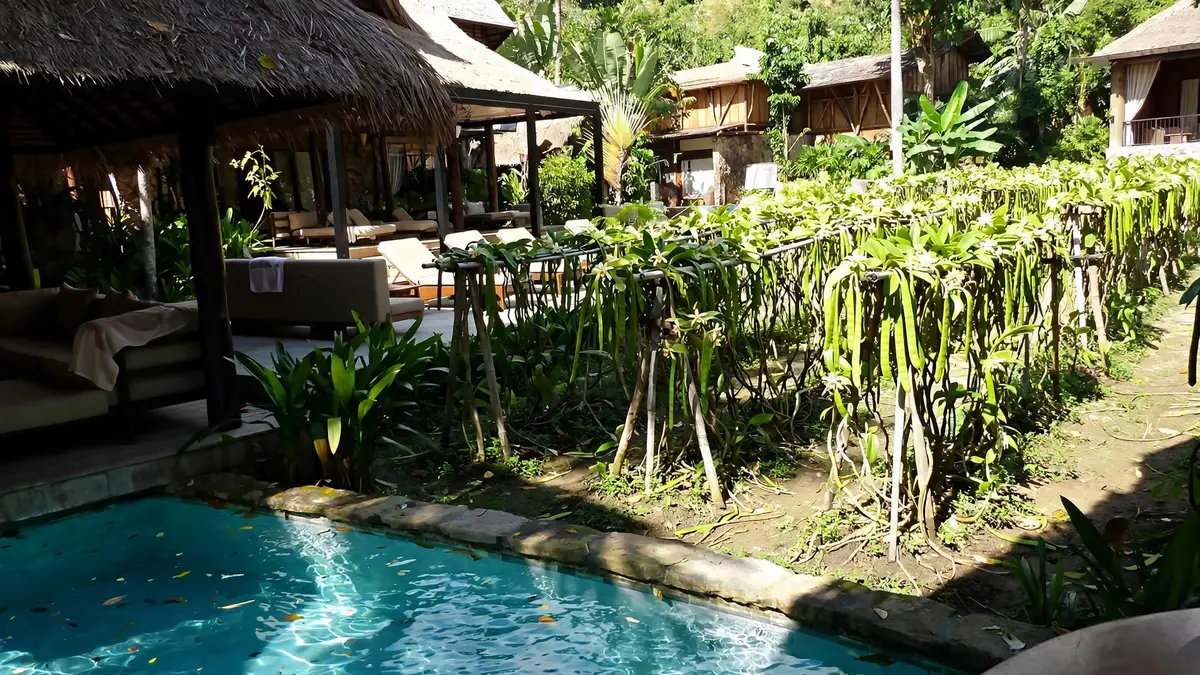

A vanilla plantation retreat is a slower, sweeter kind of luxury holiday. Instead of a beach club or a city hotel, you stay on a working farm where vanilla orchids climb support trees, the air smells faintly of curing beans, and the day follows the farm rather than a timetable. Mornings start with a walk through shaded vines, afternoons bring a pollination lesson or a curing demonstration, and evenings are quiet, warm, and far from crowds.
The appeal is not only the scent. Vanilla grows in some of the most beautiful tropical places on earth: the green hills of Madagascar, the volcanic slopes of Réunion, the old plantations of Mexico, and the lagoons of Tahiti. A good plantation stay puts you inside that landscape, with a comfortable room, honest food, and hosts who know their crop. The best of them feel less like resorts and more like a well-run farm that happens to have lovely guest rooms.
Below are nine vanilla plantation retreats worth considering in 2027, from island estates to rainforest farms. Each one is described by region and type, with what it is good at, what to watch for, and who it suits best, so you can choose with your travel style in mind, not just a photo.
Key takeaways
- Vanilla plantation retreats combine a working farm stay with comfortable rooms, guided vine walks, and curing demonstrations.
- The best time to visit follows the flowering and harvest seasons, which vary by region, so check the farm calendar before booking flights.
- Look for stays that include farm tours and tastings in the price, with clear information about transfers, meals, and room type.
- Remote farms mean longer transfers and simpler rooms, so pack light, bring sturdy shoes, and expect a slower pace.
- No plantation stay can guarantee flowers in bloom on your exact dates, and pollination is a morning task, not an all-day show.
What a vanilla plantation retreat actually is
A vanilla plantation retreat is a guest stay on or beside a working vanilla farm. The farm grows vanilla orchids on support trees, hand-pollinates the flowers, harvests the green pods, and cures the beans over months of drying and conditioning. Guests sleep in rooms on the estate, eat meals made with local produce, and join the farm’s daily life: a walk through the vines, a lesson in how a flower is pollinated by hand, and a tasting that runs from green pod to finished bean.
That is different from a vanilla-themed hotel in a city. There is no lobby shop pretending to be a farm. The vines are outside your door, the work is real, and the people guiding you are usually the same people who pollinate, harvest, and cure. The trade-off is simplicity. Rooms are comfortable but rarely grand, the wifi can be patchy, and the nearest town may be an hour away on a rough road.
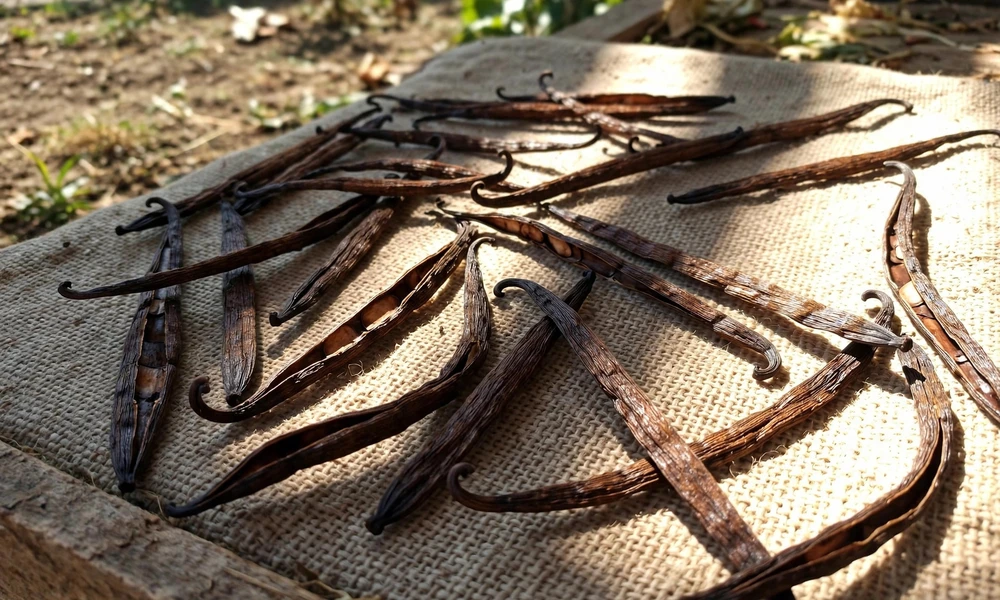
It is worth knowing what vanilla farming actually involves before you go. Vanilla is an orchid, and outside Mexico it has no natural pollinator, so every flower is pollinated by hand, one by one, in the morning hours when it opens. Each flower lasts a single day. The pods are picked green and unripe, then cured for three to six months before they smell like the vanilla you know.
How we chose these retreats and what to look for
Look first at what is included. A strong vanilla retreat includes a guided vine walk, a pollination demonstration, and a curing or tasting session in the room rate. If those are charged as extras, add them up before comparing prices. Meals matter too. A stay that includes breakfast and dinner saves you from hunting for restaurants in a remote valley, and farm cooking is often one of the highlights.
Then check the setting. Vanilla needs shade, warmth, and humidity, so the farms sit in green, hilly country, often a long drive from the airport. Ask how the transfer works before you book: some farms collect guests themselves, others expect you to hire a car or take a boat. A farm that answers clearly about transfers, room type, and what is included is usually a farm that runs its guest stays well.
Finally, match the region to the vanilla you like. Madagascar grows the classic Bourbon vanilla, rich and creamy. Tahiti grows a floral, cherry-scented vanilla from a different species. Mexico grows the original vanilla, smooth and slightly spicy. Like the tea plantation retreats we have covered before, the farms below are grouped so you can pick by flavour as well as by place.
The 9 best luxury vanilla plantation retreats of 2027
A vanilla farm stay in the Sava region of Madagascar
What We Like: The heart of world vanilla production, with shaded vines, green hills, and farms that have grown Bourbon vanilla for generations. What to Consider: Transfers from the nearest town are long, and the roads are rough after rain. Best For: Travellers who want the classic vanilla story first-hand. Style: Farmhouse rooms with verandas above the vines. Price Range: Approximately $150 to $350 per night. Standout Feature: A curing shed where you can smell beans at every stage of the process.
Madagascar grows most of the world’s vanilla, and the Sava region in the north-east is its centre. Expect shaded vines, a morning pollination walk, and a tasting that compares Bourbon beans at different stages of curing.
A vanilla orchid estate on the island of Réunion
What We Like: Volcanic slopes, French island comfort, and some of the most careful curing work anywhere. What to Consider: Island prices run high, and the best stays book out early in the flowering season. Best For: Couples who want farm life with good food and easy roads. Style: Creole estate house with gardens and shaded terraces. Price Range: Approximately $200 to $400 per night. Standout Feature: A guided tasting that runs from fresh pod to finished extract.
Réunion sits in the Indian Ocean east of Madagascar, and its vanilla is the original Bourbon vanilla, grown on steep, green slopes.
A family-run vanilla farm stay in the Comoros
What We Like: Small island farms, quiet beaches nearby, and vanilla grown alongside ylang-ylang and cloves. What to Consider: Flights are infrequent and the farms are simple, with few frills. Best For: Slow travellers who want an island almost to themselves. Style: Simple guest rooms on a family farm near the coast. Price Range: Approximately $80 to $180 per night. Standout Feature: A farm walk that ends with a tasting of vanilla, ylang-ylang, and clove side by side.
The Comoros are a small island group between Madagascar and Mozambique, and their vanilla farms are family-run and low-key. Days are slow: a morning among the vines, lunch with the family, and an afternoon on a quiet beach a short walk from the farm.
A vanilla plantation stay in the highlands of Veracruz, Mexico
What We Like: Vanilla’s birthplace, with wild vines, Totonac history, and a smooth, spicy bean. What to Consider: The farms are inland, so plan a full day for the drive from the coast. Best For: Travellers who want the origin story of vanilla itself. Style: Hacienda-style rooms in the green hills near Papantla. Price Range: Approximately $120 to $280 per night. Standout Feature: A walk through wild vanilla vines with a guide who explains the old pollination methods.
Vanilla comes from Mexico, where the Totonac people first cultivated it centuries ago. The farms around Papantla in Veracruz grow vanilla under shade trees in humid highland forest.
A vanilla and orchid estate in Tahiti, French Polynesia
What We Like: Floral, cherry-scented Tahitian vanilla, lagoons nearby, and an easy, relaxed pace. What to Consider: French Polynesia is expensive, and flights from most places are long. Best For: Honeymooners and cooks who want the most fragrant vanilla of all. Style: Garden bungalows between the vines and the lagoon. Price Range: Approximately $250 to $450 per night. Standout Feature: A tasting of Tahitian vanilla that shows why it smells so different from Bourbon beans.
Tahiti grows Vanilla tahitensis, a different species from the usual planifolia, and it smells floral and soft, almost like cherry. The estates here are small and calm, with orchid gardens and lagoon views.
A vanilla farm retreat in the hills of Tonga
What We Like: Warm Pacific hospitality, small family farms, and vanilla grown on quiet island hills. What to Consider: The islands are remote, with few flights and simple facilities. Best For: Travellers who want a gentle, unhurried island stay. Style: Family guest rooms with shared meals and garden walks. Price Range: Approximately $90 to $200 per night. Standout Feature: A pollination morning where guests can try the hand-pollination technique themselves.
Tonga’s vanilla farms are small and family-run, set on green hills above the sea. The pace is slow by design: a morning in the vines, a long lunch, and an afternoon free for the beach or a village walk.
A vanilla plantation stay in the forests of Kerala, India
What We Like: Vanilla grown under shade trees alongside cardamom, pepper, and nutmeg, with rich South Indian food. What to Consider: The monsoon is heavy, so check the season before booking. Best For: Food lovers who want vanilla in the middle of a spice garden. Style: Plantation house rooms surrounded by spice trees and forest. Price Range: Approximately $100 to $250 per night. Standout Feature: A spice garden walk that puts vanilla in context with a dozen other crops.
Kerala grows vanilla as one crop among many, under the shade of tall trees in the Western Ghats. A stay here is a spice garden stay first and a vanilla stay second, with home cooking and a curing shed where the beans dry slowly in the humid air.
A vanilla estate stay on the island of Mauritius
What We Like: An island estate with vanilla, sugar cane history, and beaches close by. What to Consider: The vanilla plots are small, so the farm tour is shorter than on bigger estates. Best For: Travellers who want a farm visit inside a wider island holiday. Style: Colonial estate house with gardens and a pool. Price Range: Approximately $180 to $380 per night. Standout Feature: A garden tour that links vanilla growing to the island’s plantation past.
Mauritius is better known for sugar and beaches, but its small vanilla estates are worth a visit, and they sit close to the coast. A stay here pairs a morning among the vines with an afternoon on the beach.
A vanilla farm lodge in the rainforest of Papua New Guinea
What We Like: Excellent rainforest vanilla, a genuinely remote setting, and farms run by village communities. What to Consider: The lodges are basic, the roads are rough, and travel takes patience. Best For: Confident travellers who want adventure with their vanilla. Style: Simple lodge rooms at the edge of the rainforest. Price Range: Approximately $80 to $200 per night. Standout Feature: A rainforest walk to wild vanilla vines, guided by local growers.
Papua New Guinea grows vanilla in humid lowland rainforest, and the farms are often run by village communities rather than estates. This is the most adventurous stay on the list: the vanilla is superb, but the lodges are simple and the ground is muddy.
Which vanilla region suits your travel style
Madagascar and Réunion suit travellers who want the classic vanilla story: Bourbon beans, green hills, and farms that have grown vanilla for generations.
Mexico and Tahiti suit travellers who want flavour first. Mexican vanilla is smooth and spicy, Tahitian vanilla is floral and soft, and both regions pair the farm with a wider holiday: beaches, towns, and food worth travelling for. The coffee plantation retreats we have covered follow the same idea of a single crop shaping the whole trip.
The Comoros, Tonga, Kerala, Mauritius, and Papua New Guinea suit travellers who want something quieter or more adventurous. The farms are smaller, the transfers longer, and the days slower. Papua New Guinea in particular is for confident travellers: the vanilla is excellent, but the lodges are remote and the roads are rough. Choose by how much adventure you want, not only by the vanilla.
The caveats that matter
Vanilla farms are working farms in hot, humid country, and a good trip means going in with open eyes. The points below are the ones that most often surprise first-time visitors, and the spice plantation retreats we have covered share many of the same practical notes.
| Detail | What is known |
|---|---|
| Best season | Follow the flowering and harvest: flowers open in the morning, pods ripen months later, so ask the farm what will be happening on your dates |
| Typical price | Approximately $80 to $450 per night, with meals and tours often included |
| What to check first | Whether vine walks, pollination demonstrations, and transfers are included in the rate |
| Who should avoid remote farms | Travellers who need step-free access or cannot manage uneven, muddy ground |
| Health notes | Check insect and malaria advice for your region; bring repellent and sun protection |
| What to pack | Sturdy walking shoes, light layers, a rain jacket, and clothes you can wash |
| How long to stay | Three to four nights is enough to see the farm routine and taste the beans |
| Buying beans | Buy cured beans at the farm shop, and check customs rules before flying home with them |
Checklist: planning a vanilla plantation escape honestly
- Check the farm calendar for flowering and harvest dates before booking flights.
- Confirm what is included: vine walks, pollination, curing, meals, and transfers.
- Ask how you reach the farm, and whether the farm collects guests.
- Pack light layers, a rain jacket, sturdy shoes, and insect repellent.
- Bring cash in small notes, as remote farms may not take cards.
- Leave space in your bag for beans, extract, and other farm products.
Frequently asked questions
What time of year shows vanilla at its best?
Flowering season is the most interesting time, because that is when pollination happens each morning, but it varies by region and by year. Harvest follows months later, and curing runs for months after that. Ask the farm what will be happening on your dates.
Do I need to know anything about vanilla before I go?
No. A good farm explains everything on the first walk: how the orchid grows, how a flower is pollinated by hand, and how the beans are cured. It helps to know that vanilla is an orchid and that the beans you buy are cured pods, but the farm will fill in the rest.
Can children join a vanilla farm stay?
Older children usually can, and many farms welcome them on walks and tastings. Younger children may struggle with the heat, the mud, and the early mornings. Ask the farm directly about age limits and what children can join before you book.
Can I buy vanilla beans from the farm?
Yes, and the farm shop is usually the best place to buy, because the beans are cured on site and the farm can tell you how they were handled. Buy cured beans rather than green pods, and check the customs rules of your home country before flying with them.
How much walking is involved on a vanilla farm?
Expect one to two hours of walking a day on uneven, sometimes muddy ground. The vines grow in shaded rows on hillsides, so the paths slope and the ground can be soft after rain. Sturdy shoes with grip matter more than walking speed.
Do vanilla farms have reliable electricity and wifi?
Most do, but remote farms can have patchy wifi and occasional power cuts, especially after storms. Rooms usually have lights and fans, but do not plan to work online from a rainforest farm. Treat the trip as a break from screens.
The bottom line
A vanilla plantation retreat is a holiday built around patience: a flower that opens for a morning, a pod that cures for months, and a farm that works to the seasons. The nine stays above cover the main vanilla regions, from Madagascar to Tahiti, and each one lets you see that slow work up close, with a comfortable room and honest food at the end of the day.
Pick by region and flavour, check what is included, and book the flowering season if you can. Go ready for humidity, mud, and slow days, and you will come home with a better sense of where vanilla comes from, and probably a bag of beans to prove it.