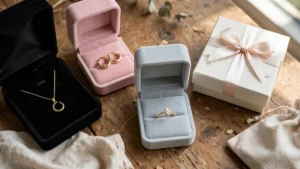
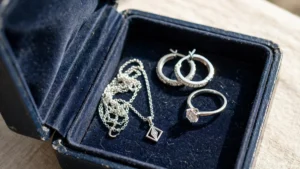
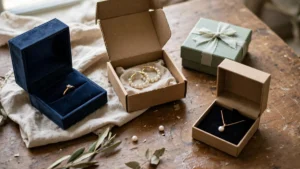
Platinum is the quietest luxury metal there is. It does not shout like yellow gold, and it does not try to look like anything else. It is naturally white, dense, cool to the touch, and it holds its colour without plating, which is why a platinum necklace still looks the same in ten years as it did the day you bought it. The problem is not finding a platinum necklace. It is knowing what you are paying for, because platinum pieces vary widely in weight, purity, chain design, and finish, and the price tag does not always explain the difference.
That is why this guide is organised by design and by use, not just by price. A slim cable chain is the right everyday base for pendants. A tennis necklace is a statement piece that belongs at weddings and evenings out. A bar pendant suits a minimal wardrobe, while a layered set does the work of three necklaces at once. Each design has a job, and the best choice is the one that fits how you actually dress, not the one that photographs best.
Below are nine platinum necklaces worth considering in 2027, from a classic everyday chain to a full tennis necklace. Each one is described by what it is good at, what to watch for, and who it suits best, so you can choose with your wardrobe in mind, not just a bestseller list.
Key takeaways
- Platinum is naturally white and never needs replating, so a platinum necklace keeps its colour for life with basic care.
- Look for a 950 hallmark, which means 95 percent pure platinum, and check the weight, because platinum is dense and weight is a large part of the price.
- Match the chain to the job: slim chains for pendants, sturdier chains for daily wear, and tennis or locket styles for occasions.
- Buy the clasp as carefully as the chain, because a weak clasp is the most common reason a good necklace is lost.
- No necklace suits every neckline or every outfit, and platinum does not make a poorly made chain a good one.
What platinum actually is
Platinum is a naturally white precious metal, denser and rarer than gold. Pure platinum is too soft for jewellery on its own, so it is alloyed, usually with other platinum-group metals, and the standard for fine jewellery is 950 platinum, meaning 95 percent pure platinum. That high purity is one reason platinum is hypoallergenic for most people, and why it is often recommended for sensitive skin.
Its other defining quality is weight. Platinum is roughly 60 percent denser than 14k gold, so a platinum necklace feels noticeably heavier in the hand than a gold necklace of the same size. That weight is part of the price, part of the feel, and part of the reason platinum chains sit so well. A chain that feels substantial is also a chain that is less likely to kink, snap, or twist out of shape.
Platinum also develops a soft, satin-like finish over time, known as a patina. It does not yellow, flake, or wear away the way plating can, and a jeweller can restore the original polish in minutes if you prefer a bright finish. Some people love the patina and leave it. Others have it polished once a year. Either way, the metal itself is not being lost, which is not true of plated jewellery.
How we chose these necklaces and what to look for
Look first at the hallmark and the weight. A 950 hallmark is the standard to expect, and the weight should be stated plainly. If a seller will not tell you the weight, that is a reason to walk away. Weight matters twice over with platinum: it drives the price, and it tells you whether a chain is solid enough to wear every day without stretching or breaking.
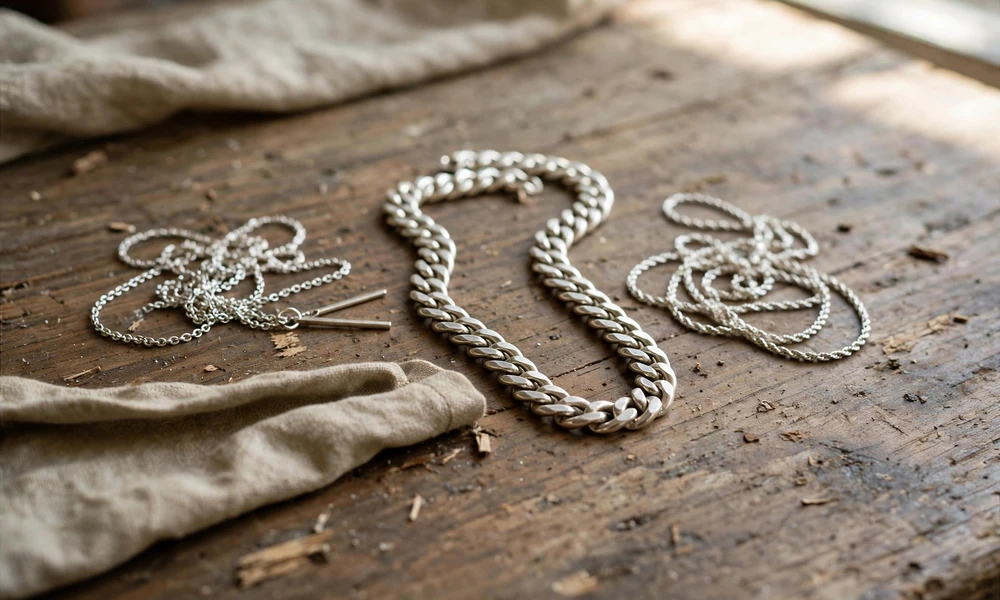
Look next at the chain design and the clasp. A cable chain is simple and strong. A box chain is neat and resists tangling. A figaro or rope chain adds texture, while a tennis necklace is a row of stones that needs a secure setting on every link. Whatever the design, the clasp should close with a firm click, and a lobster clasp or a secure box clasp is worth more than a flimsy spring ring on a necklace you plan to wear often. Our guide to cleaning platinum jewellery explains how to keep that clasp and chain in good order once it is yours, because a clean necklace is also easier to inspect for wear.
Finally, look at the length and the drop. A 16-inch chain sits at the base of the neck, 18 inches is the standard everyday length, and 20 inches and above suits layering or a higher neckline. Try the necklace with the clothes you actually wear. A pendant that sits beautifully on bare skin can disappear under a crew neck, and a chain that is perfect for a shirt collar can look lost under a V-neck.
The 9 best platinum necklaces of 2027
The Classic Platinum Cable Chain Necklace
What we like: A simple, strong chain that works alone or with a pendant, sits neatly under most necklines, and is the easiest platinum chain to clean and to repair. What to consider: It is plain by design, so it adds little on its own without a pendant. Best for: Everyday wear and pendant lovers. Material: 950 platinum. Price range: Mid to high, depending on length and weight. Standout feature: The most versatile chain in this guide.
It is the chain that does the most jobs, and the easiest for a jeweller to adjust or repair.
The Platinum Pendant Necklace with a Small Diamond
What we like: A single small diamond on a slim platinum chain, bright against the white metal, and suitable for both daily wear and evenings out. What to consider: The stone is small, so it is a quiet piece, not a statement, and the setting should be checked yearly. Best for: A first platinum necklace or a gift. Material: 950 platinum, one small diamond. Price range: High. Standout feature: A classic solitaire look that never dates.
The pendant necklace works everywhere. It is understated enough for work and bright enough for a dinner, which is a rare combination.
The Slim Platinum Box Chain Necklace
What we like: Square links that lie flat, resist tangling, and give a neat, tailored line that suits shirts and structured outfits. What to consider: A very slim box chain can kink if it is pulled hard, so it suits careful daily wear rather than rough use. Best for: Work and tailored outfits. Material: 950 platinum. Price range: Mid to high. Standout feature: The tidiest chain here, with a clean, modern line.
It does not draw attention to itself, which is why it works so well with a collar or a blazer.
The Platinum Tennis Necklace
What we like: A continuous line of diamonds set in platinum, evenly spaced, with a sparkle that reads from across a room, and a white metal that does not compete with the stones. What to consider: The highest price in this guide, and every setting should be checked regularly, because a loose stone is an expensive loss. Best for: Weddings, evenings, and milestone occasions. Material: 950 platinum, pavé or prong-set diamonds. Price range: Very high. Standout feature: The most brilliant necklace in this guide.
Worn rarely and stored well, a tennis necklace will look as bright in twenty years as it does now.
The Platinum Bar Pendant Necklace
What we like: A slim horizontal bar on a fine chain, minimal and modern, that layers well and suits a simple wardrobe without trying too hard. What to consider: The bar is light, so it can flip or sit off-centre if the chain is too long. Best for: Minimal outfits and layering. Material: 950 platinum. Price range: Mid. Standout feature: The simplest design here, and the easiest to layer.
A bar pendant reads as a small, deliberate detail rather than a piece on display.
The Layered Platinum Chain Necklace Set
What we like: Two or three chains of different lengths joined at one clasp, so you get a layered look without three separate clasps, tangles, or guesswork. What to consider: The set only works as a set, so it is less flexible than separate chains, and the lengths are fixed. Best for: Anyone who loves layering but hates tangling. Material: 950 platinum. Price range: High. Standout feature: A finished layered look in one piece.
A set solves the tangling problem, which is the part most people give up on.
The Platinum Locket Necklace
What we like: A locket with room for a photograph or a keepsake, on a solid platinum chain, with a hinge and clasp that are made to be opened and closed for years. What to consider: It is heavier than a plain chain, and a cheap hinge will loosen over time, so check the mechanism before you buy. Best for: Sentimental gifts and keepsakes. Material: 950 platinum. Price range: High. Standout feature: The only necklace here that carries a memory inside it.
Choose the chain and the hinge as carefully as the locket itself, because they take the daily wear.
The Platinum Figaro Chain Necklace
What we like: A repeating pattern of long and short links that gives texture and a slightly bolder presence than a cable chain, while still sitting well under a collar. What to consider: The pattern makes it harder to shorten or repair cleanly, so buy the right length first time. Best for: A bolder everyday chain. Material: 950 platinum. Price range: Mid to high. Standout feature: The most distinctive chain pattern in this guide.
Figaro suits people who find a plain cable chain too quiet but do not want a pendant.
The Platinum Rope Chain Necklace
What we like: Twisted links that catch the light from every angle, giving a soft shimmer even without stones, and a flexible chain that drapes well. What to consider: Rope chains can trap dirt in the twists, so they need cleaning more often, and a very fine rope chain is not the strongest choice. Best for: Evening wear and anyone who likes shine without stones. Material: 950 platinum. Price range: Mid to high. Standout feature: The most light-catching chain here.
A rope chain does not need a pendant, and it should not have one forced on it.
Which platinum necklace is right for you
Start with how you will wear it. If you want one necklace for every day, choose a cable or box chain in 18 inches, with or without a small pendant. If you want a piece for evenings and occasions, a tennis necklace or a rope chain is the better buy. If you like layering, a set or a bar pendant will do more for your wardrobe than a single heavy chain.
Then think about your neckline. A 16-inch chain suits open necklines and bare skin. An 18-inch chain is the standard length that works with most collars. A 20-inch or longer chain suits higher necklines and layering, but it can also make a pendant sit too low under a V-neck. Our wider guide to the best platinum jewellery covers rings, earrings, and bracelets too, which helps if you are building a small set rather than buying a single necklace in isolation.
Finally, think about your skin. Platinum is hypoallergenic for most people, but a heavy chain can still irritate if it rubs all day. Try the necklace on and notice whether the weight and clasp feel comfortable, not just whether it looks right.
The caveats that matter
Platinum is durable, but it is not indestructible. It can scratch, it can dent, and a thin chain can still break if it catches on something. The metal is strong, but the links, the settings, and the clasp are the weak points, and they are what you should inspect before buying and check again every year. A necklace that is never inspected is a necklace that fails quietly, usually at the worst moment.
| Detail | What is known |
|---|---|
| Standard purity | 950 platinum, meaning 95 percent pure platinum, is the usual hallmark for fine jewellery |
| Colour | Naturally white, with no plating to wear away, and it keeps its colour for life |
| Weight | About 60 percent denser than 14k gold, so a platinum necklace feels noticeably heavier |
| Patina | Develops a soft satin finish over time, which a jeweller can polish back to bright in minutes |
| Allergies | Hypoallergenic for most people, and often recommended for sensitive skin |
| Durability | Strong and long-lasting, but thin chains can still kink, scratch, or break if caught |
| Price | Driven largely by weight and purity, so always ask for the weight before you buy |
| What it does not do | It does not make a weak clasp strong, a thin chain durable, or a poor design a good one |
If you are buying for someone else, check their usual necklace length before you choose, because length is the detail most often guessed wrong. A receipt, a measuring tape, and an existing necklace they wear are worth more than a guess, and a reputable seller will exchange an unworn necklace if the length is wrong.
Checklist: buying a platinum necklace honestly
Use these checks before you buy, and again when the necklace arrives.
- Check the hallmark: look for 950 platinum stamped on the clasp or the pendant bail.
- Check the weight: ask for it in grams, and compare it with similar necklaces before you decide.
- Check the clasp: it should close with a firm click and feel secure, not loose or flimsy.
- Check the length: try it on with the necklines you wear most, not just in the shop mirror.
- Check the settings: every stone should sit firmly, with no wobble and no raised prongs.
- Check the return policy: a reputable seller will exchange an unworn necklace if the length or fit is wrong.
Frequently asked questions
Is platinum better than white gold for a necklace?
For most people, yes, because platinum is naturally white and never needs replating, while white gold is usually rhodium-plated and needs that plating renewed every year or two. Platinum is also denser and more durable, though it costs more, largely because of its weight.
Will a platinum necklace tarnish?
No. Platinum does not tarnish the way silver does. It develops a soft patina over time, which is a dulling of the surface rather than a colour change, and a jeweller can polish it back to a bright finish quickly and cheaply.
How do I clean a platinum necklace at home?
Warm water, a drop of mild soap, and a soft brush are enough for most cleaning. Soak for a few minutes, brush gently around the links and settings, rinse, and dry with a soft cloth. Avoid harsh chemicals and ultrasonic cleaners unless a jeweller has checked the settings first.
What length of platinum necklace should I buy?
An 18-inch chain is the standard everyday length and suits most people and most necklines. A 16-inch chain sits higher and suits open necklines, while 20 inches and above suits layering or higher necklines. Measure a necklace you already wear to be sure.
Can I wear a platinum necklace every day?
Yes. Platinum is one of the best metals for daily wear because it is strong, hypoallergenic, and does not need replating. Choose a sturdy chain design, such as cable or box, and have the clasp and settings checked once a year.
Do platinum necklaces go with other jewellery?
Yes. Platinum pairs well with other white metals, and it also works alongside gold if you like mixed metals. Our roundup of the best platinum earrings is a good next step if you want a matching set, because earrings and a necklace in the same metal read as a deliberate pair.
The bottom line
The best platinum necklace in 2027 is not the most expensive or the most brilliant. It is the one that fits your neckline, your wardrobe, and your daily life. For most people, that is a solid cable or box chain in 18 inches, with or without a small pendant, bought at the right weight.
Buy the chain before the sparkle, and check the weight before the price. Platinum rewards that kind of patience. It is a metal that looks the same in ten years as it does today, and a necklace chosen well is one you will still reach for when the trends that sold it have moved on.