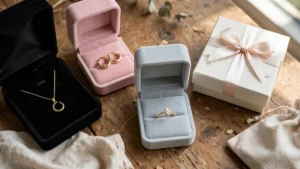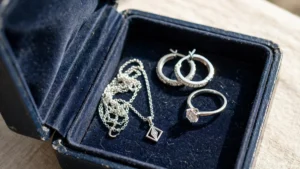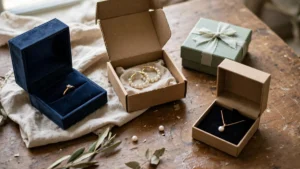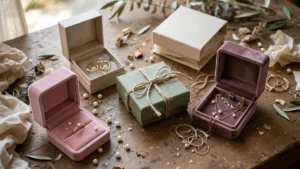
Titanium earrings are the quiet solution to a problem a lot of people live with every day. If your ears itch, swell, or turn red a few hours after putting earrings in, the metal is usually the cause, not the piercing. Titanium is one of the few jewellery metals that almost never triggers that reaction, and it is also light, strong, and far cheaper than platinum or gold. The catch is that not every pair labelled titanium is equal, and a bad post, a rough finish, or a cheap coating can undo all of the metal’s advantages.
This guide rounds up nine titanium earrings worth considering in 2027, from simple ball studs you can sleep in to hoops and drops that look far more expensive than they are. Each one is described by what it does well, what to watch for, and who it suits best, so you can choose by your ears and your routine, not just by the price tag.
Before you buy, it helps to know what titanium actually is and why it behaves so well in a piercing. Our guide to what titanium jewellery is explains the grades, the finishes, and the difference between solid titanium and a titanium-coloured coating, which matters more than most sellers admit.
Key takeaways
- Titanium is hypoallergenic for most people because it contains no nickel, which is the metal behind most earring reactions.
- Look for implant-grade titanium, usually grade 23 or grade 5, with a smooth, polished finish and a secure back or closure.
- Titanium is very light, so larger hoops and drops feel comfortable all day and are less likely to drag on the lobe.
- Anodised titanium can be coloured without paint or plating, but the colour is a surface layer and can wear with hard use.
- Titanium is not a cure for an infected or unhealed piercing, and any earring that causes pain, swelling, or discharge should come out and be checked by a clinician.
What titanium actually is and why ears like it
Titanium is a grey-white metal that is as strong as steel at about half the weight. In jewellery it is usually sold as commercially pure titanium, known as grade 2, or as the alloy grade 5, also called Ti-6Al-4V, which adds a small amount of aluminium and vanadium for extra strength. Implant-grade titanium, grade 23, is a purer version of grade 5 and is the standard used for body jewellery and medical implants, because it is exceptionally clean and consistent.
The reason ears like it is simple. Titanium forms a stable oxide layer on its surface that does not react with skin, sweat, or the fluids in a piercing. It contains no nickel, which is the most common cause of contact allergy in jewellery, and it does not tarnish or corrode in normal wear. That is why it is the first metal piercers reach for when a piercing is healing or reacting, and why it is a sensible everyday choice for anyone with sensitive skin.
Weight is the other practical advantage. A titanium hoop the size of a coin weighs far less than the same hoop in silver or gold, so it does not pull on the lobe through a long day. That matters more than it sounds. Heavy earrings slowly stretch a piercing over months and years, and once a lobe is stretched it does not spring back. Titanium lets you wear a bolder shape without paying for it in comfort.
How we chose these earrings and what to look for
Look first at the grade and the finish. Implant-grade titanium, grade 23, or grade 5 is the safest bet, especially for new or sensitive piercings. Grade 2 is also fine for healed ears. What matters most is that the surface is smooth and highly polished, because a rough post or a sharp edge will irritate a piercing far faster than the wrong alloy will. Run a fingertip over the post before you wear a new pair. If it catches or feels gritty, do not put it in.

Look next at the closure. A push-back that grips properly, a hinged hoop that clicks shut cleanly, or a threadless post that seats firmly will stay put and will not snag on hair or clothing. Loose backs are the most common reason a good earring is lost, and a hoop that does not close fully will catch on a jumper and pull. Check the closure before you leave the house, not after the earring is gone.
Finally, look at the colour honestly. Natural titanium is a soft grey, and anodising can turn it gold, blue, purple, or rose without paint or plating. Anodised colour is durable in normal wear, but it is a surface layer, so a coated or painted finish that promises a bright gold look is a different thing and will wear off. If you want gold-coloured titanium, anodised is the honest version, and our roundup of the best titanium jewellery shows how the same finishes look across rings, necklaces, and earrings.
The 9 best titanium earrings of 2027
The Classic Titanium Ball Stud
What we like: A small, perfectly smooth ball on a polished implant-grade post. It is the simplest earring in this guide and also the most useful, comfortable enough to sleep in and neat enough for work.
What to consider: It is plain by design, so it does not make a statement on its own. Best for: Sensitive ears, new piercings, and everyday wear. Material: Grade 23 implant-grade titanium. Price range: $15 to $35 a pair. Standout feature: A mirror-polished ball with no edges to catch or irritate.
This is the pair to buy first if your ears react to most metals. It is also the pair to keep as a backup, because a good ball stud works with everything and never needs a second thought.
The Slim Titanium Hoop
What we like: A slim, lightweight hoop with a hinged closure that clicks shut and stays shut. It gives you the look of a classic hoop at a fraction of the weight of silver or gold.
What to consider: The hinge needs a firm click to be secure, so test it before wearing. Best for: Everyday wear and anyone who finds heavy hoops uncomfortable. Material: Grade 5 titanium, polished. Price range: $25 to $55 a pair. Standout feature: A seamless hinge that sits flat against the ear.
The Titanium Huggie Hoop
What we like: A small hoop that hugs the lobe closely, with a smooth inner curve and no dangling weight. It is the neatest hoop in this guide and the easiest to wear under headphones or a hat.
What to consider: The close fit means the size has to be right, so check the inner diameter before buying. Best for: Second piercings, cartilage, and minimal everyday looks. Material: Grade 23 implant-grade titanium. Price range: $20 to $45 a pair. Standout feature: A snug fit that never swings or catches.
The Titanium Drop Earring
What we like: A slim drop that moves gently without pulling, in polished titanium with a clean, modern line. It reads as dressy without feeling heavy or formal.
What to consider: Drops catch on scarves and high collars, so take care when dressing. Best for: Evenings, weddings, and occasions when you want movement. Material: Grade 5 titanium, polished. Price range: $30 to $65 a pair. Standout feature: A balanced drop that hangs straight and does not swing wildly.
The Titanium Threader Earring
What we like: A fine chain that threads through the piercing and hangs in a soft line, with a small bead or bar at the end. It is delicate, modern, and surprisingly comfortable.
What to consider: Threaders can slide if the chain is too fine, so choose one with a small stopper or weighted end. Best for: Minimal looks and layering with other ear jewellery. Material: Grade 2 titanium chain with a grade 23 post. Price range: $25 to $50 a pair. Standout feature: A fine, flexible chain that follows the ear.
The Titanium Bar Stud
What we like: A short, straight bar in polished titanium, neat and geometric, that suits a modern wardrobe and reads well in a second or third piercing.
What to consider: The bar must be the right length for your lobe, or it will sit crooked. Best for: Minimal styling, cartilage, and stacked ear looks. Material: Grade 5 titanium, polished. Price range: $18 to $40 a pair. Standout feature: A crisp, straight line with a flawless polish.
The Titanium Pearl Stud
What we like: A freshwater pearl set on a titanium post, which gives you the classic pearl look without the metal allergy that often comes with pearl studs on standard posts.
What to consider: Pearls need gentle care and should not be soaked or sprayed with perfume. Best for: Work, weddings, and anyone who loves pearls but reacts to other metals. Material: Grade 23 titanium post, freshwater pearl. Price range: $35 to $75 a pair. Standout feature: A lustrous pearl on a post that sensitive ears can actually wear.
This is the pair that solves a real problem. Pearl studs are a classic, but their posts are often the part that causes trouble. Titanium fixes that without changing the look.
The Titanium Cluster Stud
What we like: A small cluster of stones set close together, which gives the sparkle of a larger earring without the size or the weight. The setting is smooth underneath, with no prongs to catch.
What to consider: Check that the stones are set securely, because a loose stone in a cluster is hard to spot. Best for: Evenings, special occasions, and anyone who wants sparkle without a drop. Material: Grade 5 titanium setting, cubic zirconia stones. Price range: $30 to $70 a pair. Standout feature: A compact cluster that catches the light from every angle.
The Titanium Statement Drop
What we like: A bold, sculptural drop in anodised titanium, in a soft gold or blue tone that looks far more expensive than its price. It is the most striking pair in this guide and still weighs almost nothing.
What to consider: Anodised colour can fade with hard wear, so treat it gently and store it separately. Best for: Parties, holidays, and anyone who wants a bold earring without the ache. Material: Grade 5 titanium, anodised finish. Price range: $40 to $85 a pair. Standout feature: A rich anodised colour achieved without paint or plating.
This is the pair that surprises people. It looks like a luxury earring, feels like nothing, and costs less than a dinner out.
Which titanium earrings are right for you
If your ears are sensitive or your piercings are still settling, start with the ball stud or the huggie hoop in implant-grade titanium. Both are smooth, secure, and easy to leave in for days, which is exactly what a reactive ear needs. The pearl stud is the next step up if you want something dressier without changing the metal.
If you wear earrings all day and hate the drag, the slim hoop and the drop are the ones to try. Their weight is the point. Titanium lets you wear a shape that would be uncomfortable in silver or gold, and the difference is obvious by the end of the first day. If you work at a desk with headphones, the huggie and the bar stud sit flattest and cause the least trouble.
For occasions, the cluster stud and the statement drop give you the most presence for the least weight. Choose the cluster if you want sparkle that stays close to the ear, and the statement drop if you want movement and colour. Either way, keep the anodised pieces away from perfume and hairspray, and store them in a soft pouch so the finish stays clean.
The caveats that matter
Titanium is one of the safest jewellery metals, but it is not a treatment. If a piercing is infected, swollen, or discharging, no earring will fix it, and the right move is to remove the jewellery and speak to a clinician or a reputable piercer. Titanium can reduce the chance of a reaction, but it cannot heal an infection on its own.
| Detail | What is known |
|---|---|
| Safest grade for sensitive ears | Grade 23 implant-grade titanium, or grade 5, with a smooth polished finish |
| Why ears react less | Titanium contains no nickel and forms a stable, non-reactive surface layer |
| Weight compared with silver | Roughly half the weight of silver at the same size, so less drag on the lobe |
| Anodised colour | A surface layer created without paint; durable in normal wear but can wear with hard use |
| What to avoid | Rough or gritty posts, loose backs, and coated finishes that promise a bright gold look |
| Cleaning | Warm soapy water and a soft cloth; dry fully before storing |
| When to stop wearing a pair | If there is pain, swelling, redness, or discharge that does not settle in a day or two |
| What titanium does not do | It does not heal an infected piercing or replace proper aftercare |
Cleaning is simple. Warm water, a drop of mild soap, and a soft cloth are enough for most titanium earrings, and our guide to how to clean titanium jewellery covers the details, including what to do with pearls and anodised finishes. Avoid ultrasonic cleaners for pearl and stone-set pieces, and never use a harsh chemical dip on anodised titanium.
Checklist: choosing titanium earrings honestly
Use these checks before you buy, and again when a new pair arrives.
- Check the grade: implant-grade titanium, grade 23, or grade 5, stated clearly by the seller.
- Check the finish: smooth and highly polished, with no gritty or rough spots on the post.
- Check the closure: push-backs that grip, hinged hoops that click shut, threadless posts that seat firmly.
- Check the weight: hold the pair in your hand. If it feels heavy now, it will feel heavier by evening.
- Check the colour: anodised is honest colour; a painted or coated gold finish will wear off.
- Check the fit: hoops and bars must match your lobe, or they will sit crooked and catch.
Frequently asked questions
Are titanium earrings safe for sensitive ears?
For most people, yes. Titanium contains no nickel, which is the metal behind most earring reactions, and implant-grade titanium is the standard piercers use for healing piercings. If your ears still react, check the finish and the closure, and speak to a piercer or clinician.
Can I wear titanium earrings in a new piercing?
Yes, implant-grade titanium is one of the best choices for a new piercing. It is non-reactive, lightweight, and easy to clean. Follow your piercer’s aftercare advice and do not change the jewellery early.
Will titanium earrings tarnish?
No, titanium does not tarnish in normal wear. It can pick up skin oils and dust, which dull the shine, but warm soapy water and a soft cloth restore it. Anodised colour can fade with hard wear, but the metal itself stays bright.
Can I sleep in titanium earrings?
Small studs and huggie hoops are usually comfortable to sleep in, because they are smooth and light. Larger hoops and drops can catch on bedding and pull, so take those out at night.
Are titanium earrings as good as gold for sensitive ears?
For most sensitive ears, titanium is at least as good, and often better, because it contains no nickel at all. High-carat gold is also usually well tolerated, but it costs far more and is heavier. Titanium gives you the same comfort at a fraction of the price.
How do I clean titanium earrings?
Wash them in warm water with a drop of mild soap, rinse, and dry them fully with a soft cloth. Do not soak pearl or stone-set pieces, and keep anodised earrings away from perfume, hairspray, and harsh cleaners.
The bottom line
The best titanium earrings in 2027 are the ones that solve the problem your ears actually have. If they react, choose implant-grade titanium with a smooth polish and a secure closure. If they ache by evening, choose titanium for its lightness and let the shape be as bold as you like. The metal does the quiet work, and the design does the rest.
Start with a simple stud or huggie, learn what your ears tolerate, and build from there. A pair you can wear all day, every day, without thinking about it is worth far more than a pair that looks impressive in the box and hurts by lunch.