
A silk dress is one of the few things in a wardrobe that earns its place without trying very hard. It drapes instead of clinging, it catches light in a way that makes a simple cut look considered, and it works across seasons with little more than a change of shoes and a layer on top. The trouble is that silk is not one fabric. A heavy silk satin behaves nothing like a washed silk crepe, and a bias-cut slip fits nothing like a structured shirt dress, even when both are sold under the same word.
That is why this guide is organised by cut and by how the dress is actually worn, not by price or by label. A dress that looks beautiful on a hanger can be a poor choice for a long day, and a plain-looking style can turn out to be the one you reach for every week. The nine dresses below cover the cuts that suit the most women, from a slip dress for warm evenings to a long-sleeved style for cooler months, with honest notes on what each one does well and where it asks for a little patience.
Use this guide as a shortlist: the right silk dress is the one that fits your life as well as it fits your body, and that still looks good after its third wash.
Key takeaways
- Silk dresses work best when the cut matches the occasion: slip dresses for evenings, shirt dresses for days, wrap dresses for a forgiving fit.
- Mulberry silk and silk satin drape smoothly, while silk crepe and washed silk are more forgiving and easier to wear every day.
- Check the care label before buying: some silk dresses are dry-clean only, while others can be hand-washed gently at home.
- Fit matters more than size: a bias cut stretches and settles, so try the dress sitting down as well as standing up.
- No silk dress is wrinkle-proof or stain-proof, and a cheap silk-blend dress can look and feel very different from a pure silk one.
What makes a silk dress worth wearing
Silk is a natural protein fibre, and that is the reason it behaves the way it does. It is breathable in warm weather, it holds warmth in cool weather, and it falls in soft folds rather than holding a stiff shape. A silk dress moves when you move, which is flattering, but it also means the cut does the shaping, not the fabric. A well-cut silk dress skims the body. A poorly cut one pulls, gaps, or hangs in the wrong places, and no amount of expensive fabric will fix that.
The weight of the silk matters as much as the weave. Light silk charmeuse, around 16 to 19 momme, feels fluid and suits slip dresses and evening styles. A heavier silk satin or silk crepe, around 22 momme and above, has more body, which suits shirt dresses, A-line shapes, and dresses that need to hold a line. Washed silk has a softer, slightly textured surface that hides creases better than a high-shine satin.
Colour is the other practical question. Silk takes dye beautifully, so the colours are often deeper and richer than the same shade in cotton or viscose. Dark silk shows water spots more easily, and pale silk shows perspiration more easily. If you want one silk dress to wear often, a mid-tone colour such as navy, forest green, burgundy, or warm brown is more forgiving than black or white, and easier to dress up or down.
How we chose these dresses and what to look for
Start with the weave, not the brand. Hold the fabric up to the light: a good silk has a soft, even sheen, not a harsh shine, and it feels cool and smooth between your fingers. Rub a small fold between thumb and finger. Real silk warms quickly and makes almost no sound, while a synthetic lookalike often feels slippery and rustles. The label should say 100 percent silk, or name the silk content clearly if it is a blend.

Look next at the construction. A silk dress should have finished seams, because raw edges fray fast in this fabric. French seams or bound seams are a good sign. Check the hem: it should hang evenly, with no pulling at the sides. Check the zip: a concealed zip should sit flat, and a side zip should not pucker the seam. Lining matters too. A fully lined silk dress is more comfortable and more opaque, while an unlined slip dress is cooler but may need a slip underneath.
Finally, think about care before you buy. A dry-clean-only dress is fine if you wear it rarely, but a dress you plan to wear every week should be one you can hand-wash. Our guide to how to style a silk dress explains how layering and accessories change the same dress, because a silk dress you can wear three ways is worth far more than one you can only wear one way.
The 9 best silk dresses for women in 2027
The Bias-Cut Silk Slip Dress
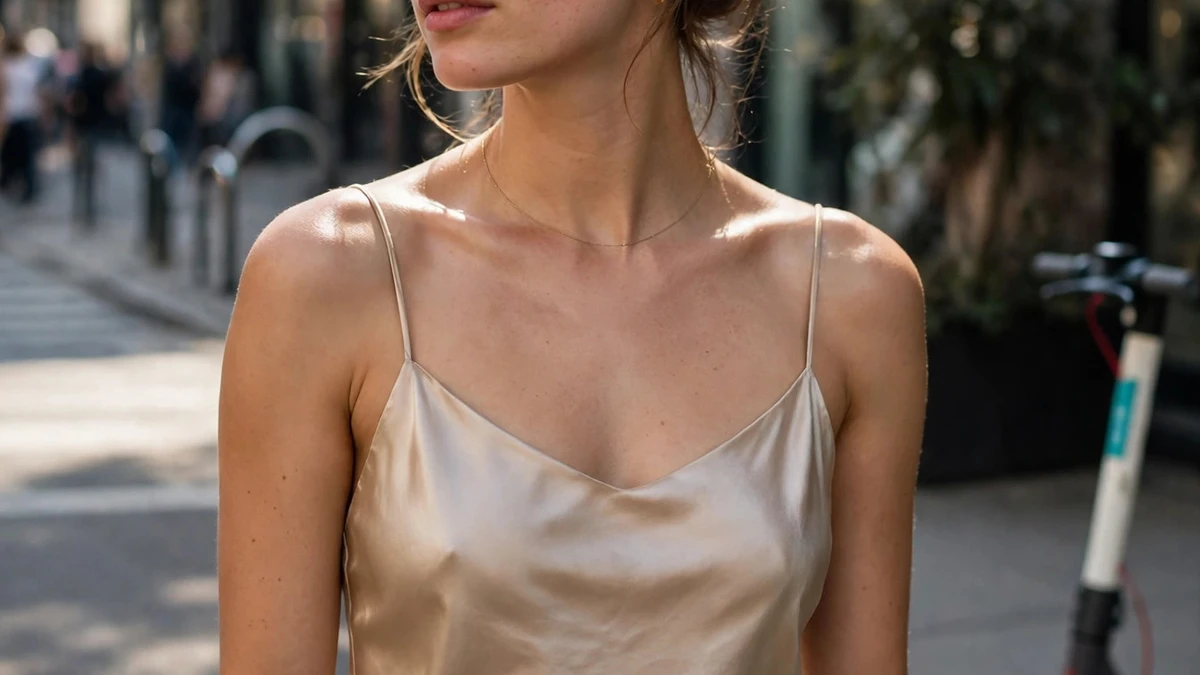
What we like: Cut on the bias, so it follows the body in soft, fluid lines, with a clean neckline and a hem that moves beautifully. What to consider: The bias cut can cling, so underwear choice matters, and the hem can settle unevenly after hanging. Best for: Evenings, weddings, and warm-weather occasions. Material: 100 percent mulberry silk charmeuse. Price range: Mid to high. Standout feature: The fluid drape that makes a simple shape look elegant.
This is the classic silk dress, and it earns that status. It needs almost nothing added: a pair of simple heels, one piece of jewellery, and a silk scarf for evening if you want a little colour. Keep the accessories quiet and let the fabric do the work.
The Silk Midi Dress
What we like: A mid-calf length that suits most heights, with a flattering, easy shape that works for day and evening. What to consider: The length can feel awkward with the wrong shoes, so try it with both heels and flats. Best for: Dinners, celebrations, and smart daytime events. Material: Silk satin or silk crepe. Price range: Mid. Standout feature: A versatile length that dresses up or down.
The midi is the most useful length in a silk wardrobe: long enough to feel polished, short enough to walk in, and it suits a blazer, a cardigan, or nothing at all.
The Silk Shirt Dress
What we like: A collar, buttons, and a waist tie give it structure, and it looks polished without feeling formal. What to consider: Button gaps can appear across the bust, so check the fit sitting down. Best for: Work, lunches, and smart casual days. Material: Silk crepe or washed silk. Price range: Mid. Standout feature: The tailored shape that works like a dress and a jacket in one.
A shirt dress in silk is more relaxed than the same shape in cotton. Wear it with loafers for the day, then swap in heels and a clutch for the evening.
The Silk Wrap Dress
What we like: The wrap waist adjusts to your body, the V-neckline flatters most figures, and it is comfortable all day. What to consider: The wrap can open when you sit or bend, so a small stitch or a slip underneath helps. Best for: Everyday wear, travel, and occasions where comfort matters. Material: Silk crepe or silk jersey. Price range: Mid. Standout feature: An adjustable fit that suits changing shapes.
The wrap dress is the most forgiving silk style here, and the easiest to fit, which makes it a good first silk dress.
The Silk Maxi Dress
What we like: Floor-length silk has a natural drama, and the fabric moves beautifully as you walk. What to consider: The hem can catch on uneven ground, and the length needs hemming for shorter heights. Best for: Formal evenings, holidays, and summer occasions. Material: Silk charmeuse or silk chiffon over a lining. Price range: Mid to high. Standout feature: The long, flowing line that needs no embellishment.
A silk maxi is a statement on its own. Keep the rest simple: flat sandals, one bracelet, and hair worn up so the neckline shows.
The Silk A-Line Dress
What we like: The A-line shape skims the waist and flares gently, which suits most body shapes and is comfortable to sit in. What to consider: A heavy silk can make the flare look stiff, so lighter silk crepe works best. Best for: Daytime events, garden parties, and family occasions. Material: Silk crepe. Price range: Mid. Standout feature: A shape that flatters without clinging.
The A-line is a good choice if you want silk without the body-conscious feel of a slip dress. It is also one of the easiest silk dresses to wear with a cardigan or a light jacket.
The Silk Satin Slip Dress
What we like: The high shine of silk satin gives it a polished, evening-ready look, and the simple shape lets the fabric shine. What to consider: Satin shows water spots and creases easily, so it needs careful handling. Best for: Evening events and celebrations. Material: 100 percent silk satin, 22 momme. Price range: Mid to high. Standout feature: The lustrous finish that reads as luxury at first glance.
Choose satin when you want impact. A deep colour, such as emerald or plum, makes the shine look rich rather than flashy.
The Long-Sleeved Silk Dress
What we like: Long sleeves make silk wearable in cooler weather, and the covered shape feels modest without losing elegance. What to consider: Sleeves in silk can feel tight at the elbow, so check the arm movement. Best for: Autumn and winter occasions, and cooler evenings. Material: Silk crepe or heavy silk satin. Price range: Mid. Standout feature: Year-round wear from a single dress.
This is the silk dress for people who love the fabric but live somewhere with real seasons. Add tights and boots, and it carries you through autumn.
The Tiered Silk Dress
What we like: Soft tiers add movement and volume without weight, and the relaxed shape is comfortable in warm weather. What to consider: Too many tiers can add visual bulk, so a two- or three-tier cut is usually best. Best for: Holidays, summer days, and relaxed occasions. Material: Washed silk or silk crepe. Price range: Mid. Standout feature: The easy, airy shape that never feels restrictive.
A tiered silk dress is the most relaxed style on this list. It pairs well with flat sandals and a straw bag, and it is the one you will reach for on a hot day.
Which silk dress suits your shape and your day
If you are tall, a midi or maxi length works well, and a bias-cut slip will fall in long, clean lines. If you are shorter, a knee-length or midi dress with a defined waist usually suits you better than a floor-length style, which may need hemming.
For a busy day, choose a shirt dress or a wrap dress in silk crepe. Both hold their shape, both are comfortable to sit in, and both look polished after hours of wear. For an evening, a slip dress or a satin midi is the better choice, because the shine and the drape do the work that a daytime dress does with tailoring.
Body shape matters less than people think, but a few things help. If you prefer not to show your arms, a long-sleeved or short-sleeved silk dress is an easy answer. If you want definition at the waist, a wrap dress or a belted shirt dress gives it. If you want to skim the stomach, an A-line or a tiered cut is more forgiving than a bias cut. Try the dress on with the shoes and underwear you will actually wear with it, because silk shows every line underneath.
The caveats that matter
Silk is beautiful, but it is not a hard-wearing fabric. It stains easily, it can be damaged by deodorant and perfume, and it fades in strong sunlight. Moths like silk too, so store it clean, in a breathable garment bag, with cedar or lavender rather than mothballs. These small habits are the difference between a dress that lasts three years and one that lasts ten.
| Detail | What is known |
|---|---|
| Best everyday cut | Shirt dress or wrap dress in silk crepe, comfortable and easy to wear |
| Best evening cut | Bias-cut slip dress or silk satin midi, fluid drape and soft shine |
| Most forgiving fabric | Washed silk and silk crepe, which hide creases better than satin |
| Care | Check the label; many can be hand-washed, some are dry-clean only |
| What stains silk | Water spots, perfume, deodorant, and oil-based marks show easily |
| Fit check | Try sitting down; a bias cut settles and a wrap can open |
| What to avoid | Cheap silk blends that feel slippery and lose their shape after washing |
| Storage | Clean, in a breathable bag, away from sunlight and moths |
Price is a useful signal, but it is not a guarantee. A mid-priced dress in pure silk with good seams is a better buy than an expensive dress in a silk blend with poor construction. Read the label, feel the fabric, and check the seams before you look at the price tag.
Checklist: choosing a silk dress honestly
Use these checks before you buy, and again when the dress arrives.
- Check the fabric: the label should say 100 percent silk, or name the silk content clearly.
- Check the seams: they should be finished, with no raw edges or loose threads.
- Check the fit sitting down: a bias cut settles, a wrap can open, and buttons can gap.
- Check the care label: make sure you are happy with hand-washing or dry-cleaning.
- Check the colour in daylight: silk changes in different light, so look at it by a window.
- Check what you already own: the dress should work with shoes and a bag you have.
Frequently asked questions
Are silk dresses comfortable to wear all day?
Yes, if the cut is right. Silk is breathable and light, so a shirt dress or a wrap dress in silk crepe is comfortable for a full day. A bias-cut slip dress can feel less comfortable if it clings, so choose the cut to match how long you will wear it.
Can I wash a silk dress at home?
Often yes, if the label allows it. Hand-wash in cool water with a gentle detergent made for delicates, do not wring it, and roll it in a towel to remove water before laying it flat to dry. If the label says dry-clean only, follow it.
Do silk dresses wrinkle easily?
Yes, especially silk satin and light charmeuse. Washed silk and silk crepe crease less visibly. Hang the dress in a steamy bathroom, or use a steamer on a low setting, and never press a hot iron directly onto silk.
What should I wear under a silk dress?
Seamless, nude-toned underwear is the safest choice, because silk shows lines and colours through. A slip helps with sheer or unlined dresses, and a well-fitting bra matters more under silk than under most fabrics.
Are silk dresses worth the price?
They can be, if you choose well. A pure silk dress with good construction will outlast a cheap imitation. A dress you wear twenty times is better value than a cheaper one you wear twice, so think in cost per wear. Our roundup of spring dresses shows the same thinking across fabrics, because the best dress is the one you actually wear.
How do I stop a silk dress from clinging?
Static is the usual cause. A light spray of water on the inside of the dress, an anti-static spray, or a slip made from a natural fibre can all help. Avoid tights in synthetic fabrics, which make clinging worse, and let the dress hang for a few minutes before wearing it.
The bottom line
The best silk dress for women in 2027 is not the most expensive one. It is the one whose cut suits your shape, whose fabric suits your life, and whose care label you are willing to live with. A shirt dress or a wrap dress in silk crepe is the most useful place to start, while a bias-cut slip dress is the one to choose when you want something special.
Buy one good silk dress before you buy three average ones. Wear it, wash it carefully, store it properly, and it will repay you for years. That is the honest measure of a silk dress, and it is the only one that matters.