
Thick hair looks like it should be easy to care for. It has volume, it holds a style, and it rarely looks thin or limp. The reality is different. Thick hair drinks up product, tangles at the nape, takes forever to dry, and can turn greasy at the roots while the ends stay dry and rough.
The problem is not oil itself. It is choosing the wrong weight, the wrong amount, and the wrong place to put it. Thick hair usually needs a richer oil than fine hair, applied mainly through the mid-lengths and ends, with only a small amount near the scalp. It also needs patience. Oil does not fix dryness in one use. It works by reducing water loss from the hair shaft, smoothing the cuticle, and making thick hair easier to comb, dry, and style over weeks of regular use.
Below are nine hair oils worth considering for thick hair in 2027, from a classic argan treatment to lightweight finishing oils that will not weigh a full head of hair down.
Key takeaways
- Thick hair usually needs a richer, heavier oil than fine hair, applied mainly through the mid-lengths and ends rather than at the roots.
- Argan, camellia, and squalane-based oils tend to absorb well, while very heavy castor or coconut oils are better used as pre-wash treatments.
- Two to three drops are rarely enough for thick hair; most people need four to six drops, worked through section by section.
- Apply oil to damp hair before drying to lock in moisture, and use a smaller amount on dry hair to smooth frizz and add shine.
- No oil repairs split ends or reverses damage, and too much oil near the scalp can leave thick hair looking flat and greasy within a day.
What thick hair actually needs from an oil
Thick hair has more strands per square inch, and each strand is often wider than average. That means more surface area to cover, more cuticle to smooth, and more weight pulling the hair down. A light, watery oil that suits fine hair often vanishes on thick hair because there is simply more hair to coat. The result is ends that still feel dry, even after oiling, and a routine that feels like it is doing nothing.
What thick hair responds to is an oil with enough body to coat the shaft and stay there. Argan oil, camellia oil, and marula oil are good middle weights. They are rich enough to smooth a thick strand, but they absorb rather than sitting on top.
Thickness also changes how much you need. A common mistake is using the same two drops recommended for fine hair and concluding that oil does nothing. Thick hair often needs four to six drops for a full head, applied in sections. Work the oil between your palms first, then smooth it through the lower two-thirds of the hair, section by section, so the ends get as much attention as the top layers.
How we chose these oils and what to look for
Look first at the base oil and the weight. For thick hair, a blend built around argan, camellia, marula, or squalane is a reliable starting point. These oils are rich enough to smooth coarse strands without the heavy, sticky feel of a pure castor or coconut oil. If your hair is very coarse or curly as well as thick, a richer blend with shea or jojoba can help. If your hair is thick but straight, a lighter argan or camellia oil is usually enough, and a heavy oil will make it look flat.
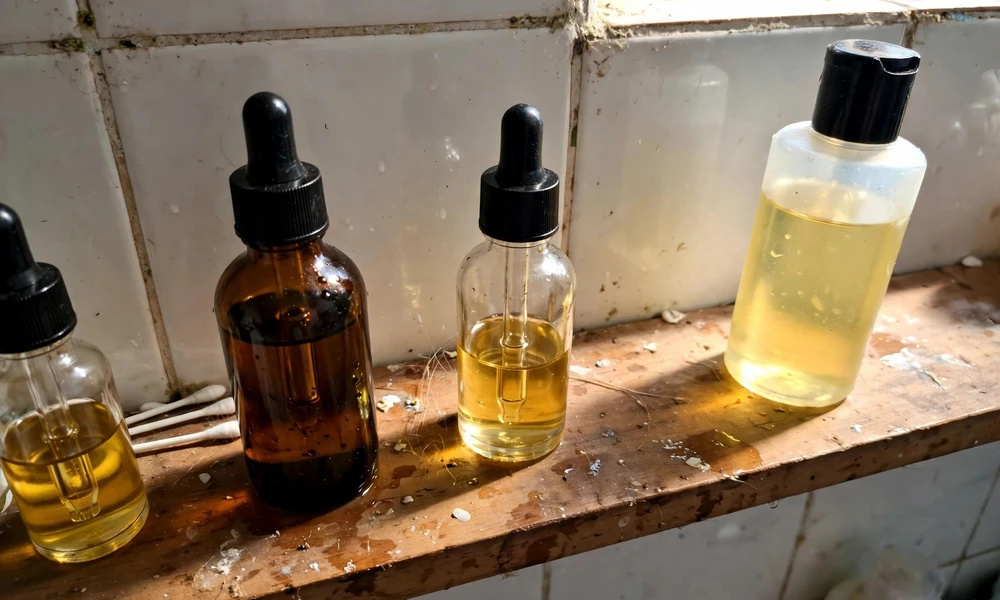
Look next at the finish. Some oils are designed to add shine and softness, others to protect against heat, and others to calm frizz in humid weather. A frizz-control oil is worth choosing if your hair swells in humidity. One oil rarely does everything, so match the main benefit to your biggest problem.
Finally, look at the bottle and the dropper. Thick hair uses more oil, so a small 30 ml bottle will not last long if you oil every wash day. Our guide to how to use hair oil explains the section-by-section method in detail, because the amount and the placement matter more than the brand for thick hair.
The 9 best hair oils for thick hair of 2027
Moroccanoil Treatment
What we like: A classic argan-oil treatment with a rich but not sticky texture, reliable frizz control, and a warm scent that fades quickly. It absorbs well into thick hair and leaves it soft without a coated feeling.
What to consider: Premium price, and the original formula contains silicones, which some people prefer to avoid. Best for: Thick, wavy or straight hair that needs daily smoothing. Material: Argan oil. Price range: £30 to £40 for 50 ml. Standout feature: Consistent frizz control on thick hair in humid weather.
This is the oil other oils are measured against for thick hair. It is not the cheapest, and it is not the lightest, but for a full head of hair that needs taming every day, it remains a strong first choice.
Kérastase Elixir Ultime L’Huile Originale
What we like: A blend of argan, camellia, and marula oils with a fine, silky texture that spreads easily through thick hair and adds a noticeable shine without heaviness.
What to consider: A luxury price, and the shine can look too glossy if you use more than a few drops on fine sections. Best for: Thick hair that looks dull and needs shine. Material: Argan, camellia, and marula oils. Price range: £40 to £50 for 75 ml. Standout feature: High shine that lasts through a full day without reapplication.
Olaplex No.7 Bonding Oil
What we like: A concentrated, lightweight oil that adds shine and heat protection up to 230°C, with a small amount going a long way even on thick hair.
What to consider: Very concentrated, so it is easy to overdo, and it is best used as a finishing oil rather than a deep treatment. Best for: Thick, colour-treated or heat-styled hair. Material: Sunflower seed and grapeseed oils with bis-aminopropyl diglycol dimaleate. Price range: £25 to £30 for 30 ml. Standout feature: Heat protection and shine in a single lightweight step.
If you blow-dry thick hair often, this is a practical finishing oil. Use it after drying, not before, and start with two drops. You can always add more.
Gisou Honey Infused Hair Oil
What we like: A honey and argan blend that smooths thick hair, tames flyaways, and leaves a soft, flexible finish that does not feel stiff or coated.
What to consider: Contains honey, so it is not suitable for people avoiding bee products, and the scent is sweet and noticeable. Best for: Thick hair with frizz and flyaways. Material: Argan oil and honey. Price range: £35 to £45 for 50 ml. Standout feature: Flyaway control that holds without stiffness.
Shu Uemura Essence Absolue Nourishing Protective Oil
What we like: A rich camellia-oil treatment that softens very coarse, thick hair and makes it easier to comb through after washing.
What to consider: One of the richer oils here, so thick but fine-textured hair may find it too heavy as a daily leave-in. Best for: Very coarse, thick hair. Material: Camellia oil. Price range: £45 to £55 for 150 ml. Standout feature: Deep softening for coarse strands that resist lighter oils.
Briogeo Farewell Frizz Rosarco Milk Leave-In Conditioning Spray
What we like: A light milk-oil hybrid with rosehip, argan, and coconut oils that detangles thick hair without the weight of a pure oil, and works well as a pre-drying step.
What to consider: A spray, so it is easy to use too much on one section, and it is lighter than a true oil, so very dry ends may need an oil on top. Best for: Thick hair that tangles badly after washing. Material: Rosehip, argan, and coconut oils. Price range: £20 to £25 for 150 ml. Standout feature: Detangling for thick hair without heaviness.
Ouai Hair Oil
What we like: A smooth, non-greasy oil with ama oil and borage oil that adds shine and softness to thick hair and works well on both damp and dry hair.
What to consider: The scent is strong and floral, and the bottle is small for the amount thick hair uses. Best for: Thick hair that needs a daily shine and softness boost. Material: Ama and borage oils. Price range: £25 to £30 for 45 ml. Standout feature: A smooth, non-greasy finish that works on dry hair too.
Verb Ghost Oil
What we like: A genuinely lightweight oil with moringa seed oil that smooths thick hair without weighing it down, and a price that makes regular use realistic.
What to consider: Light by design, so very coarse or very dry thick hair may need a richer oil alongside it. Best for: Thick hair that goes flat easily. Material: Moringa seed oil. Price range: £15 to £20 for 60 ml. Standout feature: Weightless smoothing at a lower price than most luxury oils.
JVN Complete Nourishing Hair Oil Shine Drops
What we like: A silicone-free oil with hemisqualane and meadowfoam seed oil that adds shine and softness to thick hair and is designed to be used sparingly, a few drops at a time.
What to consider: The dropper dispenses small amounts, so oiling a full head of thick hair takes a little patience. Best for: Thick hair that needs shine without silicones. Material: Hemisqualane and meadowfoam seed oil. Price range: £20 to £25 for 50 ml. Standout feature: Silicone-free shine for thick hair.
For people who avoid silicones, this is a useful option. It will not give the same instant slip as a silicone oil, but it adds a natural-looking shine and softness that builds with regular use.
Which oil is right for your thick hair
Start with your hair’s texture, not just its thickness. Thick, coarse hair usually needs the richest oil you can tolerate, such as a camellia or argan blend, applied to damp hair before drying. Thick, fine-textured hair needs a lighter oil, such as moringa or a light argan oil, because a heavy oil will flatten it. Thick, curly hair often needs the most oil of all, because curls lift the cuticle and lose moisture faster, and a richer oil helps define the curl pattern as well as soften it.
Consider your routine too. If you wash your hair every day, a light finishing oil is more practical than a heavy treatment, because heavy oil builds up quickly with daily use. If you wash twice a week, a richer oil or a pre-wash treatment makes more sense, because you have days between washes for the oil to absorb. Our roundup of the best hair oils for dry hair is a useful comparison here, because thick hair and dry hair overlap often, and the same rich oils appear in both lists for good reason.
Finally, think about heat. Thick hair takes longer to blow-dry, which means more heat exposure. If you use hot tools most days, choose an oil with heat protection, or use a heat-protectant spray under your oil. Oil alone is not a heat protectant unless the product says so, and putting a plain oil on hair before flat-ironing can make the heat damage worse, not better.
The caveats that matter
Hair oil is a conditioner, not a repair treatment. It cannot mend split ends, rebuild damaged protein, or reverse breakage. What it can do is reduce friction between strands, slow moisture loss, and make thick hair easier to handle. Expect softer, shinier, more manageable hair over a few weeks. Do not expect damaged ends to heal, because they will not, and the honest fix for split ends is still a trim.
| Detail | What is known |
|---|---|
| Best base oils | Argan, camellia, marula, and squalane absorb well on thick hair |
| How much to use | Four to six drops for a full head, applied section by section |
| Where to apply | Mid-lengths and ends first; keep oil away from the roots |
| When to apply | On damp hair before drying, plus a small amount on dry hair to finish |
| Heavy oils | Castor and coconut oils work best as pre-wash treatments, not leave-ins |
| Heat styling | Use an oil with stated heat protection, or a protectant spray underneath |
| What to avoid | Pouring oil straight from the bottle, and oiling the scalp daily |
| What it does not do | It does not repair split ends, rebuild protein, or reverse breakage |
If your scalp is oily, itchy, or flaky, keep oil away from it. Oiling an irritated scalp can make flaking worse and can trap sweat and product against the skin. A small amount of oil on the lengths is fine, but the scalp is better left to shampoo and, if needed, a treatment designed for the scalp rather than a hair oil.
Checklist: choosing a hair oil for thick hair honestly
Use these checks before you buy, and again after two weeks of use.
- Check the weight: rich argan or camellia for coarse thick hair, lighter moringa or squalane for thick but fine-textured hair.
- Check the amount: four to six drops for a full head, worked through section by section, not two drops for the whole head.
- Check the placement: mid-lengths and ends first, and only a trace near the roots.
- Check the finish: shine and softness after an hour, not a greasy or coated feeling.
- Check the bottle: a pump or dropper you can control, in a size that lasts more than a fortnight.
- Check the wash-out: hair should feel clean after one shampoo, not heavy or filmed.
Frequently asked questions
How much hair oil should I use on thick hair?
Most people with thick hair need four to six drops for a full head. Start with four, work them through the mid-lengths and ends in sections, and add one or two more drops only if the ends still feel dry.
Should I put hair oil on my scalp?
Usually not. Thick hair looks greasy fastest at the roots, and oil on the scalp can make that worse. Keep oil on the lengths and ends. If you want to oil your scalp, do it as a pre-wash treatment once a week and shampoo it out thoroughly.
Can hair oil make thick hair look flat?
Yes, if the oil is too heavy or applied too close to the roots. Use a lighter oil, keep it on the lower two-thirds of the hair, and use less near the crown. A silk pillowcase can also help, and our guide to the best silk pillowcases for hair explains why reducing overnight friction matters for thick hair too.
Is coconut oil good for thick hair?
As a pre-wash treatment, often yes. Coconut oil penetrates the hair shaft and reduces protein loss during washing. As a leave-in, it is usually too heavy for most thick hair and can leave it feeling coated.
How often should I oil thick hair?
Two to three times a week is enough for most people, usually on wash days.
Do I need a different oil in summer and winter?
Often, yes. In humid summer weather, a lighter oil with frizz control works better. In dry winter air, a richer oil helps with static and dryness.
The bottom line
The best hair oil for thick hair in 2027 is not the most expensive or the most famous. It is the one with the right weight for your texture, used in the right amount, in the right place. For coarse thick hair, a rich argan or camellia oil is a strong choice. For thick but fine-textured hair, a lighter moringa or squalane oil is smarter, because it smooths without flattening.
Start with four drops, work them through the mid-lengths and ends in sections, and judge the oil after two weeks of regular use, not after one application. If your hair feels softer, looks shinier, and is easier to comb and dry, you have found the right one. If it feels coated or flat, use less, move it further from the roots, or switch to a lighter oil.