
A silver nose pin is the quietest piece of jewellery you can wear on your face. It is a thin, straight post with a small decorative end, worn through a nostril piercing, and it reads as a cool, bright point of light rather than a statement. For people who find gold too warm or hoops too bold, silver is often the metal that finally feels right.
The trouble is that “silver” on a product page can mean several different things. Sterling silver, fine silver, silver-plated and silver-toned steel all look similar in a photograph, but they behave very differently on skin. Sterling silver can tarnish, plated silver can flake, and some silver alloys contain nickel, which is the most common cause of irritation in a nose piercing.
Below are nine silver nose pins worth considering in 2027, from a classic polished pin to an oxidised design with real depth. Each one is described by what it does well, what to watch for, and who it suits best, so you can choose with your piercing in mind, not just a product photo.
Key takeaways
- A silver nose pin is a straight post with a decorative end, worn through the nostril, and it suits everyday wear because it sits close to the skin.
- Sterling silver is the most reliable silver for nose jewellery, while silver-plated pins wear through quickly and are a short-term choice.
- Pin gauge and length matter as much as the metal — a pin that is too long catches and snags, and a pin that is too short presses into the skin.
- New piercings need a simple, smooth pin in a skin-friendly metal, while healed piercings can handle decorative ends and textured finishes.
- No silver nose pin suits every piercing, and a pin that tarnishes badly, flakes or causes persistent redness should be swapped out rather than worn through.
What silver nose pins actually are
A nose pin is the simplest form of nose jewellery. It is a straight post, usually 20 or 18 gauge, with a small ball, gem, disc or shaped end on the outside and a flat or slightly bent end on the inside that keeps it in place. There is no curve, no hoop and no screw to turn, which makes it easy to insert and easy to clean around.
Silver nose pins are usually made from sterling silver, which is 92.5 percent pure silver mixed with other metals for strength. That mix is what makes sterling silver hard enough for a thin pin, and it is also why sterling silver tarnishes: the silver reacts with sulphur in the air and in some skincare products, forming a dark layer on the surface. Tarnish is normal, it is not a sign of poor quality, and it can be polished away.
The end of the pin is where most of the design lives. A tiny ball is the most discreet choice, a small crystal adds sparkle without bulk, and a flat disc lies smooth against the nostril. Larger decorative ends look striking, but they catch on scarves and masks, so they suit healed piercings better than fresh ones.
How we chose these silver nose pins and what to look for
Look first at the metal and how the silver is applied. Sterling silver is the most durable silver for a nose pin and the least likely to flake, though it does tarnish and needs occasional polishing. Silver-plated pins have only a thin coating over a base metal, which wears through with cleaning and friction, so they are a short-term choice at best. Our guide to the best silver earrings explains how to tell sterling silver from plated silver before you buy.
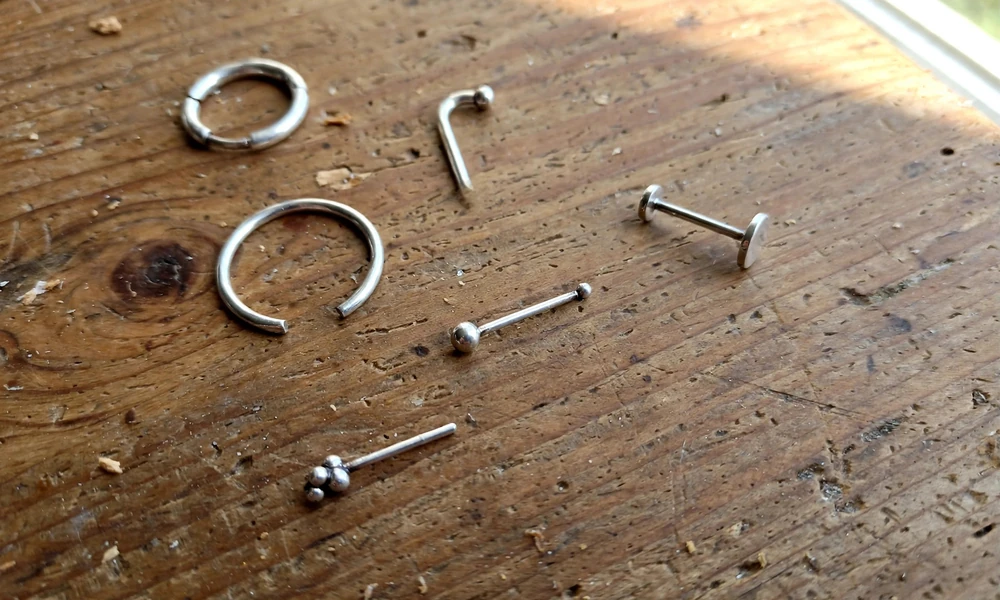
Look next at the fit. Most nostril piercings take a 20-gauge pin, with 18 gauge for a slightly bolder look, and a post length of around 6 to 7 millimetres suits most noses. A pin that is too long wobbles and catches; a pin that is too short presses the end into the skin and can cause soreness. If you are between sizes, start with the longer pin; a piercer can swap it for you.
Finally, look at the end and the finish. A smooth, rounded end is kinder to a healing piercing than a sharp or heavily textured one. A polished finish shows tarnish and scratches more readily but is easy to clean, while a brushed or oxidised finish hides wear and adds depth. Check that the end is securely set, because a loose crystal or ball is the most common reason a nose pin ends up lost.
The 9 best silver nose pins of 2027
The Classic Polished Silver Pin
What we like: A small polished silver ball on a slim straight post, bright and understated, that suits almost every face and every outfit. What to consider: The plain design shows tarnish and scratches over time, and the ball end is small enough to be easy to lose if it comes loose. Best For: Everyday wear and first piercings. Material: Sterling silver. Price Range: Affordable. Standout Feature: A mirror polish that catches light without drawing attention.
This is the pin to start with if you want silver without fuss: a small bright dot on the nostril, easy to clean and easy to sleep in.
The Silver Pin with a Tiny Crystal End
What we like: A small prong-set crystal on a silver post, with a bright sparkle that reads as jewellery rather than hardware. What to consider: The stone needs regular cleaning to stay bright, and a prong setting can catch on fine fabrics. Best For: Evenings and special occasions. Material: Sterling silver with a small crystal. Price Range: Affordable. Standout Feature: A prong-set stone that sparkles from across a room.
The crystal end turns a simple pin into a piece of jewellery in its own right. Keep it for healed piercings, clean it gently with warm soapy water, and check the prongs now and then so the stone stays put.
The Brushed Silver Pin
What we like: A soft matte finish that looks modern and understated, with a small flat disc end that lies smooth against the skin. What to consider: The brushed texture can trap lotion and makeup, so it needs a careful wipe after applying skincare. Best For: Minimalist styling and workdays. Material: Sterling silver, brushed finish. Price Range: Affordable. Standout Feature: A matte surface that hides scratches and fingerprints.
Brushed silver suits people who find polished silver too bright. The disc end is comfortable under a mask and does not snag on scarves, which makes this a practical everyday pin.
The Oxidised Silver Pin
What we like: A darkened, antiqued finish that gives the pin depth and character, with a small textured ball end that looks handmade. What to consider: The oxidised layer wears off the raised areas over time, so the finish changes with wear and needs occasional re-darkening if you want to keep it. Best For: Healed piercings and vintage styling. Material: Sterling silver, oxidised finish. Price Range: Affordable. Standout Feature: A dark finish that makes the design stand out.
Oxidised silver suits people who like jewellery with a story, and it hides tarnish better than a polished finish.
The Silver Pin with a Pearl End
What we like: A small freshwater pearl on a silver post, soft and luminous, that adds a gentle glow without any sparkle. What to consider: Pearls are delicate and should not be soaked in cleaning solutions or exposed to perfume and hairspray. Best For: Weddings, soft romantic looks and daytime elegance. Material: Sterling silver with a freshwater pearl. Price Range: Mid-range. Standout Feature: A pearl end that glows rather than glitters.
A pearl end is the quietest way to dress up a nose pin. It suits pale and cool skin alike, and it works beautifully with pearl earrings, though it needs gentler care than a plain metal or crystal pin.
The Slim Silver Pin
What we like: A fine 20-gauge post with a tiny ball end, barely-there on the face, that suits small nostrils and delicate features. What to consider: The thin post bends more easily than a thicker one, so it needs careful handling when inserting and removing. Best For: Small nostrils and very subtle styling. Material: Sterling silver. Price Range: Affordable. Standout Feature: The thinnest post in this guide, for the most delicate look.
If most nose pins feel too bold, this slim version is the answer: light, comfortable and almost invisible at a distance, with a cool glint up close.
The Silver and Gold Two-Tone Pin
What we like: A silver post with a small gold ball end, combining two metals in one small piece so it works with both gold and silver jewellery. What to consider: Two-tone pieces can look busy on a very small pin, and the contrast is subtle enough that some people barely notice it. Best For: Mixed-metal jewellery wardrobes. Material: Sterling silver with a 14-karat gold end. Price Range: Mid-range. Standout Feature: Two metals in a single pin, so it matches either colour.
This is the pin for people who wear gold and silver together and do not want to choose. The two tones blend from a distance and reveal themselves up close, which keeps the design interesting without being loud.
The Silver Pin with Flat Disc Ends
What we like: A small flat silver disc on each end, smooth and low-profile, that will not catch on clothing or bedding. What to consider: The flat ends can feel less secure than a ball end, so check the fit regularly in the first weeks. Best For: Sleeping, sports and active days. Material: Sterling silver. Price Range: Affordable. Standout Feature: Flat ends on both sides for the lowest possible profile.
Flat disc ends are the most practical design in this guide. They sit flush, they do not snag, and they are the easiest pins to sleep in, which makes them a strong choice for a first silver pin.
The Tiny Silver Pin
What we like: A miniature silver ball on a short post, the smallest pin here, that reads as a single bright speck on the nostril. What to consider: The tiny end is fiddly to handle and easy to drop, so change it over a sink or a towel. Best For: A barely-there look and petite features. Material: Sterling silver. Price Range: Affordable. Standout Feature: The smallest decorative end in this guide.
Sometimes less is the whole point: the brightness of silver without any visible jewellery at a glance, light enough to forget you are wearing it.
Which silver nose pin is right for you
Start with your piercing. A fresh piercing needs a simple, smooth pin in sterling silver or another skin-friendly metal, with a small end that will not catch or press. A healed piercing can handle anything in this guide, from a crystal end to an oxidised finish, because the skin is settled and less easily irritated.
Then think about your skin tone and the rest of your jewellery. Silver suits cool and fair skin particularly well and matches other silver pieces without thinking. If you mix metals, the two-tone pin bridges them. A guide to the best nose rings for women can help you compare styles across metals.
Finally, think about your day. If you wear masks, play sport or sleep on your side, a flat disc or small ball end will serve you better than a large crystal. If you dress up often, a crystal or pearl end earns its place. The right pin is the one that fits your piercing, your skin and your routine at the same time.
The caveats that matter
Silver is generally well tolerated, but it is not a guarantee against irritation. Some silver alloys contain nickel, which is the most common cause of a reaction to jewellery, so if you have a known nickel sensitivity, ask for the alloy composition or choose a nickel-free option. A piercing that stays red, swollen or sore for more than a few days after a change of jewellery is telling you something, and the sensible response is to swap back to a pin you know your skin accepts.
| Detail | What is known |
|---|---|
| Best metal for most skin | Sterling silver, 92.5 percent pure silver |
| Most common gauge | 20 gauge for nostrils, 18 gauge for a bolder look |
| Usual post length | 6 to 7 millimetres suits most noses |
| Best choice for new piercings | A simple, smooth pin with a small ball or flat disc end |
| What to avoid at first | Silver-plated pins, large decorative ends and textured finishes |
| Cleaning | Warm water and mild soap, then pat dry; polish tarnish gently |
| When to swap it out | If the coating flakes, tarnish will not polish off, or redness persists |
| What it does not do | Silver does not guarantee no reaction — alloy and fit matter too |
If you are pregnant, breastfeeding, or using prescription skincare, check with your clinician or piercer before changing nose jewellery, especially if the piercing is still healing. That is not a formality. Skin changes during pregnancy and with some treatments, and a simple check avoids weeks of irritation.
Checklist: buying a silver nose pin honestly
Use these checks before you buy, and again after two weeks of wear.
- Check the metal: sterling silver, not just silver-plated, and ask about the alloy if you have a nickel sensitivity.
- Check the gauge and length: 20 gauge and 6 to 7 millimetres suit most nostrils; a pin that wobbles or presses is the wrong size.
- Check the end: it should be smooth, securely set and small enough not to snag on masks or scarves.
- Check the finish: polished is easiest to clean, brushed and oxidised hide tarnish but need a careful wipe.
- Check the colour against your skin: silver suits cool and fair skin best, and pairs naturally with other silver jewellery.
- Check it after two weeks: no persistent redness, no flaking, no loose end — if anything is off, swap it out.
Frequently asked questions
Can I wear a silver nose pin in a new piercing?
Yes, if it is sterling silver or another skin-friendly metal and the design is simple and smooth. A small ball or flat disc end is best while the piercing heals, and your piercer can confirm the gauge and length for your nose.
Why does my silver nose pin tarnish?
Sterling silver reacts with sulphur in the air and in some skincare products, forming a dark layer on the surface. Tarnish is normal and can be polished away gently with a silver cloth. Storing the pin in a dry place slows it down.
How do I clean a silver nose pin?
Remove it, wash it in warm water with a drop of mild soap, rinse well and pat dry before putting it back. Avoid alcohol-based cleaners on pearl or crystal ends, and use a soft silver cloth for tarnish rather than an abrasive polish.
Is silver-plated jewellery safe for a nose piercing?
It can be worn for short periods on a fully healed piercing, but the thin coating wears through with cleaning and friction, exposing the base metal underneath. For everyday wear, sterling silver is a better investment.
Silver or gold for a nose pin?
Both work, and the choice is mostly about skin tone and the rest of your jewellery. Silver suits cool and fair skin and reads more understated, while gold warms most skin tones. A diamond-ended pin, such as one from our guide to the best diamond nose pins, looks striking in either metal.
How long should a silver nose pin last?
A sterling silver pin can last for years with basic care and occasional polishing, since the metal itself does not wear away easily. Silver-plated pins usually show wear within months of daily use.
The bottom line
The best silver nose pin in 2027 is not the most expensive or the most decorative. It is the one that matches your piercing, your skin and your routine: sterling silver, the right gauge and length, and an end that is small enough to live with every day. For a first pin, the classic polished ball or the flat disc end is hard to beat.
Choose one pin, wear it for a fortnight, and judge it on comfort as much as looks. A pin that never catches, never irritates and still looks bright after two weeks is worth keeping — and worth buying again in another finish.