

Mixed metal nose screws are for people who never could choose between gold and silver. Instead of picking one metal and building a collection around it, a mixed metal screw combines two or three metals in a single piece: gold and silver, copper and silver, rose gold and silver, or all three at once. The result is a small piece of jewellery that goes with almost everything you already own.
That versatility is the whole point. A gold screw can clash with silver earrings. A silver screw can look cold next to a gold necklace. A mixed metal screw sidesteps the problem entirely, because it already contains both. It is also a practical choice if your jewellery box is genuinely mixed, as most are, and you do not want to think about matching metals every morning.
Below are nine mixed metal nose screws worth considering in 2027, from a classic gold and silver twist to a tri-metal piece that carries three metals in one small curve. Each one is described by what it does well, what to watch for, and who it suits best, so you can choose a piece that works with your piercing, your skin and the rest of your jewellery.
Key takeaways
- Mixed metal nose screws combine two or three metals in one piece, so they match gold, silver and copper jewellery at the same time.
- A nose screw is a curved post with a decorative end that holds itself in place by its shape; the fit depends on the gauge and the length of the curve.
- Check which metals are solid and which are plated, since plated finishes wear first and may need replacing sooner.
- Look for a hypoallergenic core, such as surgical steel or titanium, under the mixed metal finish if your skin is sensitive.
- No nose screw suits every piercing, and mixed metal finishes need gentler cleaning than a single solid metal.
What mixed metal nose screws actually are
A nose screw is a short post bent into a gentle curve, with a decorative end on the outside and a small tail that sits inside the nostril. The curve is what keeps it in place. Unlike a straight stud, which relies on a flat back, a screw turns into the piercing and rests there, which makes it secure for everyday wear and comfortable enough to sleep in once the piercing is fully healed.
Mixed metal simply means more than one metal in the same piece. The usual combinations are gold and silver, copper and silver, or rose gold and silver. Some pieces use a tri-metal mix of gold, silver and copper. The metals may be joined as separate sections, twisted together, or layered as a plated finish over a single core. The effect is the same either way: a piece that carries warm and cool tones together, so it never fights with the rest of your jewellery.
The construction matters more here than with a single-metal screw. A piece made from two solid metals joined together will last for years, but it costs more. A piece with a plated finish over a steel or titanium core is cheaper and lighter, but the plating wears, especially on the decorative end that rubs against skin and fabric. Neither is wrong. The right choice depends on your budget and how often you plan to wear the piece.
How we chose these mixed metal nose screws and what to look for
Start with the core. If your skin is sensitive, the metal that touches the piercing channel is what matters most. A surgical steel or titanium core with a mixed metal finish on the visible end gives you the look without the risk. If your skin is not sensitive, a solid mixed metal piece is the most durable option, and it can be polished without worrying about wearing through a plate.
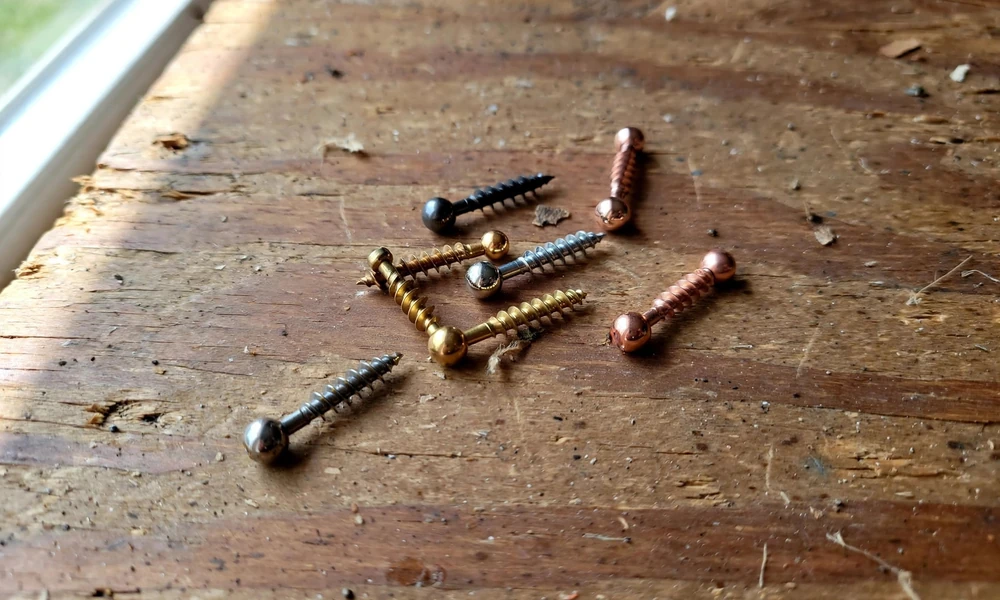
Then look at the balance of metals. A good mixed metal piece has a clear design, not a muddle: one metal leads and the other accents it. A gold and silver twist reads as deliberate. A piece where the two metals are unevenly applied can look accidental. Hold the design up to your other jewellery before you buy, or at least picture it against your usual rings and earrings. Everyday gold jewellery pairs well with mixed metal pieces that lean warm, as our guide to gold jewellery for everyday wear shows, and the same warm-leaning pieces suit a gold-heavy collection best.
Finally, check the finish. Mixed metal pieces are usually polished rather than matte, because polish is what makes the contrast between the metals visible. A matte or brushed finish softens that contrast and can make the piece look like a single dull metal. If you want the two-metal effect to show, choose polished. If you want something quieter, brushed is the better call.
The 9 best mixed metal nose screws of 2027
The Classic Gold and Silver Twist Screw
What we like: Two strands, one gold and one silver, twisted into a single screw, with a clean two-tone end. What to consider: The twist can catch on fine fabrics, so take care with scarves. Best for: Everyday wear and anyone who mixes gold and silver daily. Material: Gold and silver over a steel core. Price range: Mid. Standout feature: The twisted two-tone shaft, visible even from a distance.
This is the definitive mixed metal screw. It is the one to buy first, because it goes with everything and it shows the two-metal idea at its clearest.
The Copper and Silver Spiral Screw
What we like: A copper spiral wound around a silver post, warm and cool in equal measure, with a coiled end that sits flat. What to consider: The spiral takes a little practice to insert, and copper needs occasional cleaning. Best for: Bohemian styling and warm skin tones. Material: Copper and silver, solid. Price range: Mid. Standout feature: The copper coil against the silver shaft.
Copper and silver is the most striking combination in this roundup. The contrast is stronger than gold and silver, and it suits people who like their jewellery to be noticed.
The Gold, Silver, and Copper Tri-Metal Screw
What we like: Three metals in one small piece, with a banded end that shows gold, silver and copper in equal thirds. What to consider: It is the busiest design here, so it suits plain outfits better than patterned ones. Best for: People whose jewellery box holds all three metals. Material: Gold, silver and copper over a titanium core. Price range: Mid to high. Standout feature: The three-band end, which matches any metal you wear.
If you genuinely cannot choose, this is the honest answer. It is a small piece, so three metals do not overwhelm the face, and it will never clash with anything.
The Rose Gold and Silver Screw
What we like: A soft rose gold end on a silver shaft, romantic without being sweet, and flattering on most skin tones. What to consider: The rose gold is a plate, so it will fade over time and the piece will need replacing sooner than a solid one. Best for: Cool and neutral skin tones that suit rose gold. Material: Rose gold plate over silver and steel. Price range: Mid. Standout feature: The blush-toned end against cool silver.
Rose gold and silver is the gentlest combination here. It reads as one soft colour rather than two competing metals, which makes it easy to wear every day.
The Two-Tone Hammered Screw
What we like: A hammered finish in two metals, gold and silver, that catches the light and hides small scratches. What to consider: The texture can trap moisture, so dry it after swimming or showering. Best for: People who like handmade-looking jewellery. Material: Hammered gold and silver, solid. Price range: Mid to high. Standout feature: The dimpled two-tone surface, different from every angle.
Hammering suits mixed metal particularly well, because the uneven surface breaks up the boundary between the two metals and makes the piece look crafted rather than assembled.
The Gold and Black Two-Tone Screw
What we like: A polished gold end with a blackened silver shaft, bold and modern, with strong contrast. What to consider: The black finish wears fastest of all, especially on the shaft, so expect it to fade within months of daily wear. Best for: Evening wear and statement styling. Material: Gold with blackened silver. Price range: Mid. Standout feature: The black and gold contrast.
This is the most dramatic piece in the roundup, and the least suited to daily wear. Save it for evenings, when the contrast reads as intentional rather than worn.
The Adjustable Mixed Metal Open Screw
What we like: An open-ended curve you can gently widen or narrow, in a gold and silver two-tone finish, so it fits piercings that sit slightly deeper or shallower than standard. What to consider: Adjusting it too often weakens the metal, so set the fit once and leave it. Best for: Piercings that never quite suited a fixed screw. Material: Gold and silver over a titanium core. Price range: Mid. Standout feature: The adjustable curve that adapts to your piercing.
If standard screws always feel slightly tight or slightly loose, this is the practical answer in a two-tone finish. Set the curve once, check the fit over a day, and then stop adjusting it.
The Mixed Metal Beaded Screw
What we like: A row of tiny beads alternating gold and silver along the visible end, detailed without being heavy. What to consider: The beads can catch on fine fabrics, so take care with scarves and high collars. Best for: Everyday wear with a little extra detail. Material: Gold and silver beads over a steel core. Price range: Low to mid. Standout feature: The alternating bead pattern.
The beaded end is a good middle ground between a plain ball and a stone. It is noticeable without being flashy, and it suits both casual and smarter outfits.
The Tiny Mixed Metal Screw
What we like: The smallest end in this roundup, a pinhead split between gold and silver that is barely there but still catches the light. What to consider: It is easy to lose when you take it out, so change it over a tray or a sink with the plug in. Best for: Minimal styling and workplaces with strict jewellery rules. Material: Gold and silver over a steel core. Price range: Low. Standout feature: Its near-invisible size.
Small does not mean boring. A tiny two-tone dot reads as a warm glint rather than a piece of jewellery, which is exactly what minimal styling calls for.
Which mixed metal nose screw is right for you
For everyday wear, the classic gold and silver twist or the mixed metal beaded screw are the safest choices. They are light, they do not catch on clothing, and they are cheap enough to replace when a plated finish fades. For a first mixed metal piece, start there, and only move to a spiral or tri-metal design once you are comfortable inserting and removing a screw.
Think about the rest of your jewellery. If your rings and earrings are mostly gold, choose a mixed metal piece that leans warm, such as the gold and silver twist or the rose gold and silver screw. If your jewellery is mostly silver, choose one that leans cool, such as the copper and silver spiral. The point of mixed metal is that it bridges both, so either direction works, but leaning toward your dominant metal looks more deliberate.
Think about your piercing as well. A healed, settled piercing suits any of these nine. A piercing that is still tender, or one that reacts to metals, is better served by plain titanium or surgical steel until it calms down. Our roundup of the best nose rings for women covers the same fit and healing rules, and they apply to screws just as much as to rings.
The caveats that matter
Mixed metal pieces need gentler care than single-metal ones, because the different metals and finishes age at different rates. A plated gold end will fade while a solid silver shaft stays bright. A blackened finish will wear while a polished one holds. That is normal, and it is the price of the two-tone look. Cleaning should be gentle: warm soapy water and a soft cloth, never a harsh polish or an ultrasonic cleaner, which can strip plating.
| Detail | What is known |
|---|---|
| Best gauge for most piercings | 20 gauge; 18 gauge for a bolder look |
| When to wear mixed metal | Only in a fully healed nostril piercing |
| What wears first | Plated finishes, especially gold plate and blackened silver |
| Best core for sensitive skin | Surgical steel or titanium under the mixed metal finish |
| Cleaning | Warm soapy water and a soft cloth; no harsh polish or ultrasonic cleaning |
| Who should avoid mixed metal | Anyone with a metal sensitivity, and anyone with a fresh piercing |
| How long a screw lasts | Months to years; the finish wears first, the core lasts longer |
| What mixed metal does not do | It does not suit every outfit, and it is not a hypoallergenic metal on its own |
If your skin itches, reddens or swells after wearing a mixed metal screw, take it out and let the piercing settle. The reaction is usually to one of the metals in the mix, often nickel in a plated layer, and a plain titanium screw is the usual fallback while you work out which metal caused it.
Checklist: buying a mixed metal nose screw honestly
Use these checks before you buy, and again after a week of wear.
- Check the gauge: 20 gauge suits most healed nostril piercings; confirm yours before ordering.
- Check the core: surgical steel or titanium if your skin is sensitive, solid mixed metal if it is not.
- Check the finish: know which metals are solid and which are plated, since plating wears first.
- Check the balance: one metal should lead and the other accent it, so the design looks deliberate.
- Check the curve: it should sit comfortably without pressing inside the nose or feeling loose.
- Check your skin: if redness or itching appears, remove the screw and switch to plain titanium.
Frequently asked questions
Do mixed metals clash with each other?
No, when they are combined deliberately in one piece. A gold and silver twist is designed to carry both tones, so it matches gold and silver jewellery at the same time.
Can I wear a mixed metal nose screw every day?
Yes, in a healed piercing. Give your skin a break now and then, clean the screw weekly with warm soapy water, and avoid harsh polishes that strip plating.
Is mixed metal safe for a new piercing?
No. A fresh piercing should heal with plain titanium or surgical steel. Mixed metal is for healed piercings only, because plated finishes are more reactive.
How do I clean a mixed metal nose screw?
Warm soapy water and a soft cloth are enough. Do not use a metal polish, a dip, or an ultrasonic cleaner, all of which can strip the plated finish.
Will the plating wear off?
Yes, eventually, especially on the decorative end. Gold plate and blackened finishes wear fastest. A solid mixed metal piece lasts longer, but costs more.
What should I wear if mixed metal irritates my skin?
Switch to plain titanium or surgical steel and let the piercing settle. If you still want the two-tone look, try a mixed metal piece over a titanium core. Two-tone pieces also work well elsewhere, such as our best mixed metal toe rings, where the metal touches less sensitive skin.
The bottom line
The best mixed metal nose screw in 2027 is the one that fits your piercing, suits your skin, and works with the jewellery you already own. For most people that is the classic gold and silver twist or the beaded screw: versatile, light, affordable, and easy to live with. The tri-metal and spiral pieces are worth owning too, but as more distinctive choices rather than daily defaults.
Choose one screw, check the gauge and the core, wear it for a week, and see how your skin responds and how it sits with your other jewellery. If it stays comfortable and the two-tone effect makes getting dressed simpler, mixed metal is a combination worth keeping. If the upkeep feels like a chore, a single solid metal is simpler, and there is no shame in preferring it.