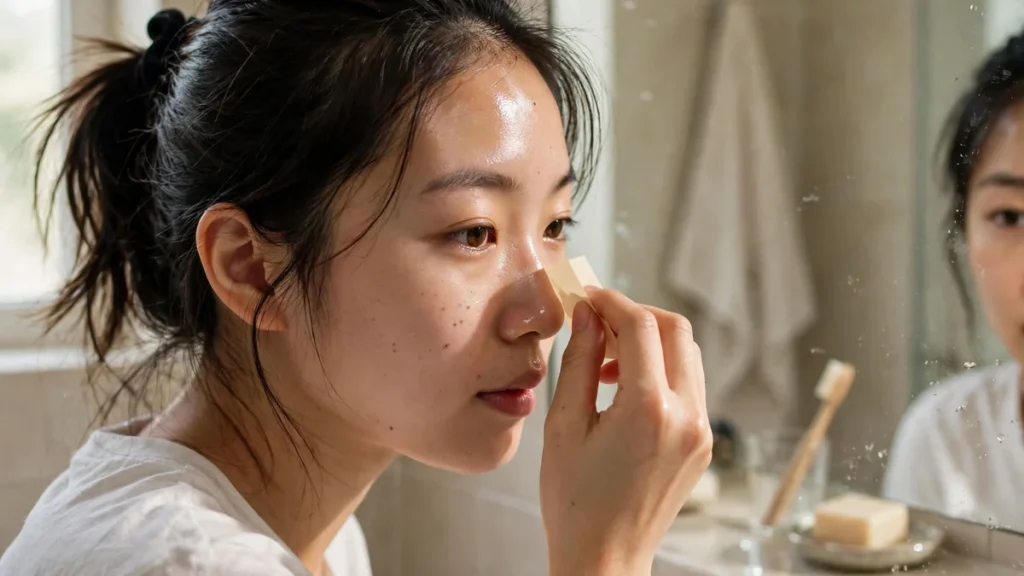
An oily T-zone is one of the most common skincare complaints, and one of the most misunderstood. The forehead, nose and chin have more oil glands than the rest of the face, so they shine first, clog first and break out first, while the cheeks can be perfectly normal or even a little dry. Treating the whole face as if it were oily usually backfires: harsh cleansers strip the skin, the skin responds by producing more oil, and the shine returns faster than before.
The goal of skincare for an oily T-zone is not to dry the skin out. It is to keep oil under control, keep pores clear, and keep the skin barrier calm enough that it stops overproducing sebum. That means a gentle foaming or gel cleanser, a lightweight hydrator, a targeted treatment, and a moisturiser that hydrates without weight.
Below are nine skincare products worth considering in 2027, each chosen for how it handles the specific problems of the T-zone: midday shine, enlarged pores, blackheads and makeup that slides off by lunchtime. Each one is described by what it is good at, what to watch for, and who it suits best.
Key takeaways
- An oily T-zone needs oil control, not drying out: harsh cleansers usually trigger more oil, not less.
- A gentle foaming or gel cleanser, a lightweight hydrator and an oil-free gel moisturiser are the core of a good T-zone routine.
- Niacinamide, salicylic acid and zinc help with shine, congestion and enlarged pores, but introduce them one at a time.
- Blotting papers and a light, mattifying moisturiser manage midday shine better than piling on powder.
- No product shrinks pores permanently or stops oil production entirely, and over-exfoliating usually makes an oily T-zone worse.
What an oily T-zone is and what this guide covers
The T-zone is the forehead, nose and chin, and it is oilier than the rest of the face because it has a higher density of sebaceous glands. Sebum itself is not the enemy: it protects the skin and keeps it supple. The problems start when too much of it mixes with dead skin cells and makeup, clogs pores, and creates blackheads, shine and breakouts. Hormones, heat, humidity and stress can all increase oil production, which is why the T-zone often gets worse in summer.
Combination skin is the most common pattern: an oily T-zone with normal or dry cheeks. That is why one-size-fits-all advice fails. A rich cream that suits the cheeks can make the forehead greasy, while a harsh cleanser that calms the nose can leave the cheeks tight and flaky. The practical answer is to treat the T-zone as its own zone, with lighter products and targeted treatments.
This guide covers the full routine: a cleanser that removes oil without stripping, a treatment step for congestion and shine, a lightweight hydrator, and a moisturiser that keeps skin balanced. It also covers what to avoid, how to layer products without pilling, and how to keep makeup in place. The products below suit oily and combination skin, and each one is light enough to use daily.
How we chose these products and what to look for
Look first at the texture. For an oily T-zone, gel, water-gel and lightweight lotion textures work best, because they hydrate without adding a heavy layer that traps heat and oil. A rich cream on the forehead will feel greasy within an hour, while a gel moisturiser absorbs quickly and leaves a soft, matte finish.

Look next at the ingredients. Niacinamide helps regulate oil and calm redness, salicylic acid clears congestion inside the pore, and zinc helps with shine and breakouts. Glycerin and hyaluronic acid hydrate without oil, which matters because dehydrated skin often produces more sebum. Fragrance and drying alcohols are the most common irritants, so if your T-zone is sensitive as well as oily, choose fragrance-free. Our guide to the best niacinamide serums explains how this one ingredient helps with shine, pores and breakouts.
Finally, look at how the product fits into a routine. A good T-zone product should layer well under sunscreen and makeup, not pill, and not leave a white cast or a sticky film. Start with one active at a time, use it for two to three weeks before adding another, and give your skin time to adjust. More products used at once rarely means better results.
The 9 best skincare products for an oily T-zone in 2027
CeraVe Foaming Facial Cleanser
What we like: A gentle foaming cleanser that removes oil, sunscreen and makeup without stripping the skin, with ceramides and niacinamide to support the barrier, and a fresh, clean finish that never feels tight.
What to consider: It is a daily cleanser rather than a deep treatment, so very congested skin may still want a salicylic acid step a few times a week. Key ingredients: Ceramides, niacinamide, hyaluronic acid. Skin type: Oily, combination, normal. Size: 236 ml / 473 ml. Fragrance-free: Yes.
This is the sensible starting point for an oily T-zone. It cleans thoroughly, respects the barrier, and is gentle enough to use morning and night.
La Roche-Posay Effaclar Purifying Foaming Gel
What we like: A purifying gel cleanser designed for oily, blemish-prone skin, with zinc to help control shine, that leaves the T-zone feeling clean and fresh without the squeaky, stripped feeling of harsh soaps.
What to consider: It is more clarifying than a basic cleanser, so if your cheeks are dry, use it on the T-zone and a gentler cleanser elsewhere. Key ingredients: Zinc PCA, glycerin. Skin type: Oily, blemish-prone, combination. Size: 200 ml / 400 ml. Fragrance-free: Yes.
For a T-zone that gets greasy within a couple of hours of washing, this is a strong daily cleanser, and it pairs neatly with a lightweight moisturiser afterwards.
Paula’s Choice Skin Perfecting 2% BHA Liquid Exfoliant
What we like: A leave-on salicylic acid exfoliant that works inside the pore to clear blackheads and congestion on the nose and chin, improves the look of enlarged pores, and absorbs quickly with no residue.
What to consider: Start with two to three times a week and build up slowly, and always use sunscreen, since exfoliants increase sun sensitivity. Key ingredients: Salicylic acid 2%, green tea extract. Skin type: Oily, combination, congested. Size: 118 ml. Fragrance-free: Yes.
This is the treatment step that makes the biggest visible difference to a congested T-zone. Blackheads on the nose and clogged pores on the chin respond well to regular, gentle use.
The Ordinary Niacinamide 10% + Zinc 1%
What we like: An affordable, widely loved serum that helps regulate oil, calm redness and reduce the look of blemishes, with zinc to support shine control, and a water-based texture that layers easily.
What to consider: The 10% concentration can feel strong for very sensitive skin, so patch-test first and start once a day. Key ingredients: Niacinamide 10%, zinc PCA 1%. Skin type: Oily, combination, blemish-prone. Size: 30 ml. Fragrance-free: Yes.
A good first active for an oily T-zone, and one of the best-value serums available. Used consistently for a few weeks, it usually makes the T-zone look calmer and less shiny.
Neutrogena Hydro Boost Water Gel
What we like: A lightweight water-gel moisturiser with hyaluronic acid that hydrates the T-zone without oil or weight, absorbs in seconds, and leaves skin feeling fresh rather than coated.
What to consider: It is a light hydrator rather than a rich cream, so very dry cheeks may need something richer on top. Key ingredients: Hyaluronic acid, glycerin. Skin type: Oily, combination, normal. Size: 50 ml. Fragrance-free: Yes.
This is the moisturiser that convinces many people with oily skin that they do need moisturiser after all. It hydrates without adding shine, and works well under sunscreen and makeup. Our guide to the best gel moisturisers covers more lightweight options in the same style.
La Roche-Posay Effaclar Mat Moisturiser
What we like: A mattifying daily moisturiser designed for oily skin, with sebulyse technology to help control shine, that keeps the T-zone looking matte for hours without drying it out.
What to consider: It is a daytime, shine-control product rather than a night cream, so pair it with a hydrating serum underneath if your skin feels tight. Key ingredients: Glycerin, perlite, zinc. Skin type: Oily, combination. Size: 40 ml. Fragrance-free: No.
For a T-zone that shines by mid-morning, this is one of the most effective mattifying moisturisers, and a good base under makeup.
The INKEY List Salicylic Acid Cleanser
What we like: A gentle daily cleanser with 2% salicylic acid that helps keep pores clear and breakouts at bay, with zinc to calm the skin, and a soft gel texture that is easy to use every day.
What to consider: It is an active cleanser, so if you also use a leave-on BHA, alternate them rather than using both on the same day. Key ingredients: Salicylic acid 2%, zinc compound. Skin type: Oily, blemish-prone, combination. Size: 150 ml. Fragrance-free: Yes.
A practical way to get a daily dose of salicylic acid without adding an extra step to your routine. It is especially useful for a T-zone that breaks out regularly along the chin and jawline.
Beauty of Joseon Dynasty Cream (light application)
What we like: A soft, cushiony cream with rice bran water, ginseng and niacinamide that hydrates well, leaves a healthy glow rather than a greasy shine, and works beautifully as a night cream for combination skin.
What to consider: Use a small amount on the T-zone and a little more on the cheeks, since it is richer than a gel and can feel heavy if over-applied to oily areas. Key ingredients: Rice bran water, ginseng root water, niacinamide. Skin type: Combination, normal, dry cheeks with oily T-zone. Size: 50 ml / 100 ml. Fragrance-free: No.
This is the night cream for combination skin: enough hydration for the cheeks, light enough not to overwhelm the T-zone when used sparingly.
e.l.f. Holy Hydration! Gel Moisturiser
What we like: A budget-friendly, oil-free gel moisturiser with hyaluronic acid and niacinamide that hydrates, calms and lightly mattifies, with a fresh gel texture that suits warm weather and humid days.
What to consider: It is a light moisturiser, so in winter or very dry conditions it may need a hydrating serum underneath. Key ingredients: Hyaluronic acid, niacinamide, squalane. Skin type: Oily, combination, normal. Size: 50 ml. Fragrance-free: Yes.
An excellent affordable option for an oily T-zone. It layers well under sunscreen and is easy to repurchase.
How to build a routine for an oily T-zone
Keep the routine short. Morning: a gentle foaming or gel cleanser, a niacinamide serum, a lightweight gel moisturiser, and sunscreen. Evening: the same cleanser, a salicylic acid treatment two to three times a week, and a light moisturiser. That is the whole routine, and it is enough for most oily T-zones.
Layer from thinnest to thickest, and give each layer a minute to absorb before adding the next. Serums go on after cleansing and before moisturiser, and treatments such as BHA go on clean, dry skin. If products pill, you are probably using too much, or layering a water-based product over a silicone-heavy one.
For combination skin, multi-masking works well: use a clay mask on the T-zone once a week to absorb excess oil, and a hydrating mask on the cheeks if they feel dry. The same idea applies to moisturisers: a gel on the forehead, nose and chin, and a richer cream on the cheeks. Our guide to the best moisturisers for oily skin covers more oil-free options if you want a moisturiser specifically made for shine-prone skin.
Makeup lasts longer on an oily T-zone when the skin underneath is hydrated, not stripped. A mattifying primer on the T-zone, a long-wear foundation applied in thin layers, and a light dusting of translucent powder on the forehead and nose will hold up far better than heavy powder over dry, irritated skin. Blotting papers are kinder than adding more powder through the day.
The caveats that matter
Skincare for an oily T-zone is helpful, but it has limits. No product permanently shrinks pores, and no cleanser or serum stops the skin producing oil altogether. What good products do is manage oil, keep pores clear and reduce breakouts, and the results build slowly over weeks, not days.
Over-exfoliating is the most common mistake. Using a salicylic acid cleanser, a BHA liquid and a scrub every day will damage the barrier, and damaged skin often produces more oil, not less. Redness, stinging, flaking and sudden breakouts are signs to pull back: drop the actives for a week, use only a gentle cleanser and moisturiser, and reintroduce one product at a time.
| Detail | What is known |
|---|---|
| Core routine | Gentle foaming or gel cleanser, niacinamide serum, lightweight gel moisturiser, sunscreen |
| Best ingredients for shine | Niacinamide, zinc, salicylic acid, hyaluronic acid and glycerin for oil-free hydration |
| How often to exfoliate | Two to three times a week with a BHA, not daily, and never combined with a scrub on the same day |
| Moisturiser texture | Gel, water-gel or lightweight lotion; rich creams usually feel heavy on the T-zone |
| Midday shine | Blotting papers first, then a light dusting of powder if needed, rather than more product |
| What to avoid | Harsh soaps, drying alcohols, heavy oils on the T-zone, and too many actives at once |
| Combination skin | Treat the zones differently: gel on the T-zone, richer cream on dry cheeks |
| When to see a dermatologist | Persistent cystic breakouts, severe redness, irritation that does not settle, or acne that worsens with treatment |
If breakouts are painful, cystic or leaving scars, skincare alone may not be enough, and a dermatologist can offer treatments that over-the-counter products cannot. Some skin simply needs professional help, and getting it early prevents scarring.
Checklist: choosing skincare for an oily T-zone honestly
Use these checks before you buy, and again after three weeks of use.
- Check the texture: gel, water-gel or light lotion for the T-zone, and save rich creams for the cheeks.
- Check the ingredients: niacinamide, salicylic acid or zinc for shine and congestion, and glycerin or hyaluronic acid for oil-free hydration.
- Check the fragrance: choose fragrance-free if your skin is sensitive as well as oily, or if you use active treatments.
- Patch-test first: try a new product on the jawline for two to three days before using it all over the face.
- Introduce one active at a time: wait two to three weeks before adding another, so you know what is working.
- Keep it short: a cleanser, one treatment, a light moisturiser and sunscreen is enough for most T-zones.
Frequently asked questions
Should I skip moisturiser if my T-zone is oily?
No. Skipping moisturiser usually makes oily skin worse, because dehydrated skin produces more oil to compensate. Use a lightweight, oil-free gel moisturiser instead, and apply it to the whole face.
Why does my T-zone get oily again by midday?
Oil production is continuous, and heat, humidity and stress increase it. A mattifying moisturiser, blotting papers and a light dusting of powder help, but some midday shine is normal. If the shine returns within an hour of washing, your cleanser may be too harsh and your skin may be overproducing oil in response.
Can I use salicylic acid every day?
Most people do better using it two to three times a week, especially at first. Daily use can irritate the skin and damage the barrier, which often leads to more oil and more breakouts.
Do I need different products for my T-zone and cheeks?
It helps, especially for combination skin. A gel cleanser and gel moisturiser suit the T-zone, while the cheeks may prefer a gentler cleanser and a slightly richer cream. You do not need two full routines; just use lighter products on the T-zone and richer ones where the skin is dry.
What is the best way to keep makeup on an oily T-zone?
Start with hydrated, mattified skin, use a primer on the forehead and nose, apply foundation in thin layers, and set with a light dusting of translucent powder. Blot with papers through the day rather than adding more powder.
When should I see a dermatologist about an oily T-zone?
If breakouts are painful, cystic or leaving scars, if redness and irritation do not settle after you simplify your routine, or if over-the-counter products make things worse. A dermatologist can prescribe treatments that are not available in shops.
The bottom line
The best skincare for an oily T-zone in 2027 is not the harshest or the most expensive. It is a short, gentle routine: a foaming or gel cleanser, a niacinamide serum, a salicylic acid treatment a few times a week, and a lightweight gel moisturiser that hydrates without adding shine. Treat the T-zone as its own zone, introduce actives one at a time, and give the routine three weeks before judging it.
Start with the cleanser and the moisturiser, add niacinamide next, and then a BHA treatment if congestion is still a problem. Keep blotting papers in your bag, wear sunscreen every day, and resist the urge to strip the skin dry.
Note: This guide is general skincare information, not medical advice. Patch-test new products before full use, and speak to a dermatologist if you have persistent cystic breakouts, severe irritation, or skin that does not improve with regular care.