What if the smartest way to understand fashion had nothing to do with scrolling and everything to do with turning a page? That question sounds almost old-fashioned in an age of infinite feeds, yet it keeps proving itself true. Fashion books remain the slowest, richest, and most durable way to learn how clothes actually work — how they are designed, made, photographed, sold, and remembered.
The category is wider than most readers expect. It stretches from dense academic theory to glossy designer monographs, from pattern-cutting manuals to exhibition catalogues tied to blockbuster museum shows. Each type does a different job. Knowing which is which saves money, shelf space, and hours of disappointment.
What Counts as a Fashion Book, Exactly?
The term covers at least five distinct genres, and they rarely serve the same reader.
Academic histories and theory examine fashion as a system, an industry, and a cultural force. Designer monographs celebrate a single house or creative director with archival imagery and critical essays. Exhibition catalogues document museum shows and often become collectible. Technical manuals teach pattern cutting, draping, sewing, and construction. Street-style and photography books capture how real people wear clothes in real places.
That range matters because buying mistakes usually come from mixing them up. Someone hoping to learn draping buys a beautiful coffee-table monograph and finds no instruction at all. Someone wanting visual inspiration buys a theory text and finds dense prose about semiotics. The fix is simple: decide what you want the book to do before you buy it.
| Genre | Main purpose | Typical reader | What to expect |
|---|---|---|---|
| Academic history and theory | Explain fashion as a system | Students, researchers, curious readers | Dense text, few images, heavy citations |
| Designer monographs | Document a house or designer | Fans, collectors, design professionals | Large format, archival photos, essays |
| Exhibition catalogues | Record a museum show | Museum-goers, collectors | Curated plates, scholarly notes |
| Technical manuals | Teach construction skills | Sewers, students, makers | Diagrams, instructions, measurements |
| Street-style photography | Capture real-world dressing | General readers, stylists | Photo-led, light text |
The Research Institutions Behind Serious Fashion Publishing
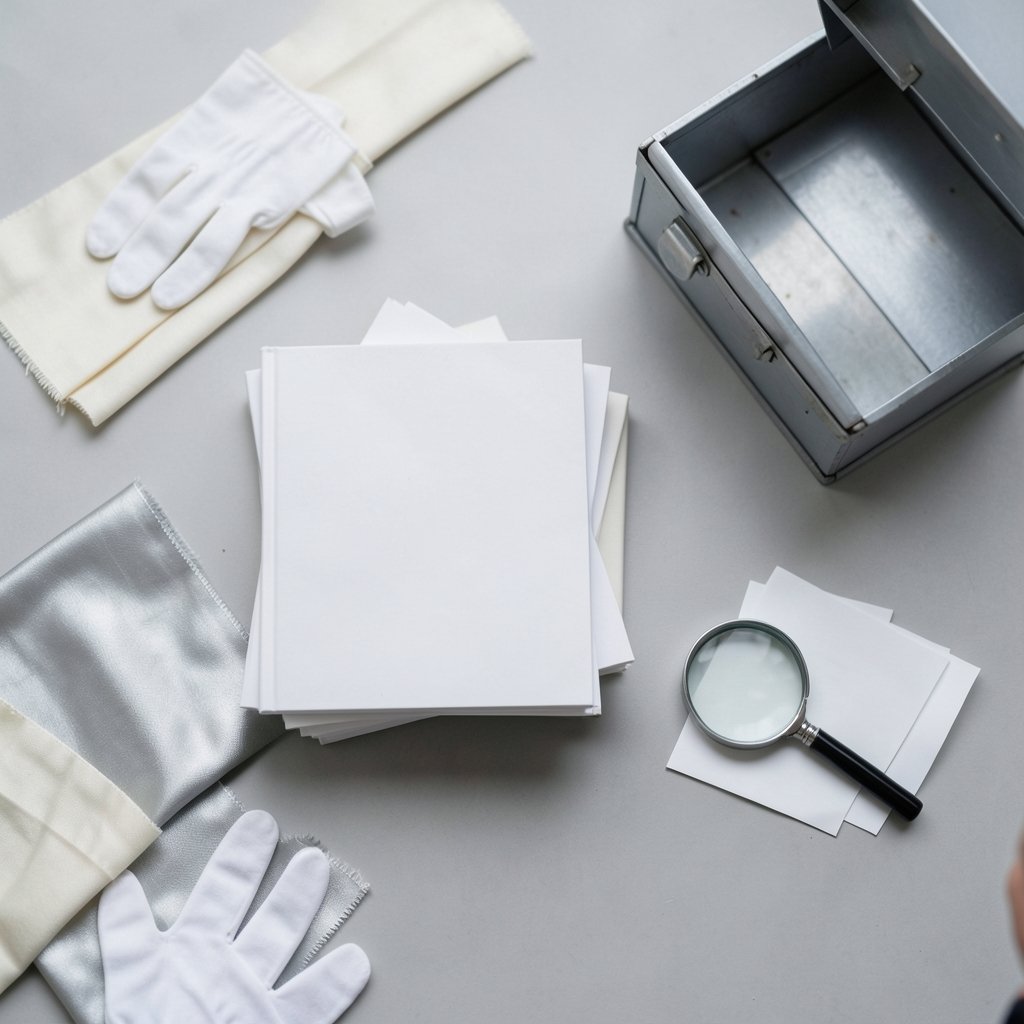
Fashion books do not appear from nowhere. Behind the best ones sit archives, libraries, and costume collections that preserve garments, sketches, and periodicals.
The Fashion Institute of Technology in New York, founded in 1944 and part of the State University of New York, maintains library and special collections that serve as a major public resource for fashion research. The Costume Institute at the Metropolitan Museum of Art holds a substantial research library of fashion and costume books, open to researchers by appointment. In London, the Victoria and Albert Museum holds one of the world’s largest collections of fashion and textile books and periodicals, and its National Art Library functions as a public reference library. (Italian luxury fashion)
Japan adds another pillar. The Kyoto Costume Institute, founded in 1979, publishes a widely cited illustrated survey, Fashion: A History from the 18th to the 20th Century, produced with Taschen. That book sits on countless student reading lists because it pairs serious garment scholarship with photography good enough to study stitching and silhouette.
For readers, the practical takeaway is that these collections are not closed doors. Many are accessible, and their catalogues are searchable. A reader researching a specific designer or era can often trace the exact edition and publication date of a title through a global library catalogue before spending money on a used copy of uncertain vintage.
Theory That Still Shapes How Fashion Is Studied
Academic fashion studies grew into a recognized field in the late twentieth century, and one text sits near its foundation: The Fashion System by Roland Barthes, published in French in 1967 and translated into English in 1983. Barthes was not writing about clothes on bodies so much as about language — how fashion magazines describe garments and thereby create meaning.
That distinction confuses first-time readers, and it is worth stating plainly. The book is not a style guide. It is an analysis of how fashion writing constructs desire. Readers who expect photographs will find almost none. Readers who want to understand why a plain white shirt can be described as “essential” one season and “boring” the next will find the machinery exposed.
Theory books like this one reward patience. A practical approach that works: read the introduction, then read the conclusion, then decide whether the middle chapters deserve your full attention. Academic fashion writing is often repetitive by design, and skimming is not a sin.
Why Luxury Publishers Changed the Shelf
The fashion book as a luxury object is closely tied to publishers such as Taschen, Assouline, and Phaidon, which produce large-format illustrated volumes often sold as coffee-table or collector’s items. These books are heavy, expensive, and deliberately beautiful. They are also a genuine part of fashion culture rather than a sideshow.
That shift connects to wider changes in how fashion presents itself. The rise of image-driven media turned designers into visual storytellers, and books became another stage. The same instinct that produced elaborate runway spectacles and tie-in publishing — as seen in how the Barbie world tour book delivers fashion the movie only hinted at — now shapes how houses document their archives.
The collector’s market has quirks worth knowing. First editions of exhibition catalogues can climb in value quickly, especially when tied to a major museum show. Reprints often look nearly identical but carry far less resale value. Condition matters enormously: a bumped corner or sun-faded spine can cut a book’s worth substantially. Buyers who care about value should check the copyright page for printing numbers and confirm whether a dust jacket is original.
For readers who prefer their fashion writing in smaller, more frequent doses, newsletters have filled a parallel role. The same appetite for considered commentary drives interest in where to find the best fashion substacks without wasting your inbox — a reminder that the book and the newsletter serve the same hunger for depth, just at different speeds.
Building a Fashion Library Without Wasting Money
Most people overbuy and underread. A smarter approach is to build slowly around specific questions rather than accumulating whatever looks impressive on a table.
- Start with one survey history. A single illustrated overview gives you a timeline and vocabulary. Everything else hangs on that frame.
- Add one technical manual if you make clothes. Construction knowledge changes how you look at finished garments, and it makes design books more legible.
- Buy exhibition catalogues for shows you saw or missed. They hold curated images and scholarly context that rarely appears elsewhere.
- Choose monographs for designers you actually study. One deep monograph beats five decorative volumes you never open.
- Check the edition before buying used. Copyright pages, printing numbers, and jacket condition all affect both usefulness and value.
- Use library catalogues to verify details. Confirm title, edition, and date before committing to an expensive purchase.
Common mistakes repeat across almost every buyer. People buy oversized luxury volumes expecting instruction and find none. They pay collector prices for reprints. They ignore paper quality, then wonder why a “deluxe” edition looks flat. They buy theory without checking whether a translation is current. None of these errors are fatal, but each one costs money that could have gone toward a better book.
What actually works is unglamorous: buy fewer books, read them properly, and let one good title lead you to the next through its bibliography. Fashion books cite each other constantly, and following those citations is the cheapest research method available.
Technical Books: The Un Glamorous Backbone
Pattern-making and sewing manuals form a long-standing subgenre, running from early twentieth-century home-sewing guides to modern technical textbooks used in design schools. These books rarely get photographed for social media, yet they underpin everything else in the category.
A good technical manual teaches you to read a garment. Once you understand seam allowances, grain lines, and dart manipulation, a designer monograph stops being a picture book and becomes a set of decisions you can analyze. That shift in perception is the single biggest upgrade a reader can get from a fashion library.
Technical books also age better than trend-driven titles. Construction methods change slowly. A solid draping manual from two decades ago still teaches principles that hold. Trend-led photography books, by contrast, can feel dated within a few seasons — which is precisely why the smarter trend coverage leans on analysis rather than image dumps, as in this breakdown of the 2026 fashion trends guide: what’s in, out and worth wearing.
How Fashion Books Track Changing Eras
Every era produces books that explain it, sometimes accidentally. The 2010s offer a clear case: a decade when athleisure, streetwear, and Instagram rewrote the rules of how trends spread and who set them. Books documenting that period capture something a retrospective article cannot — the visual texture of a moment as it was happening, before anyone agreed on what it meant.
The same is true of national traditions. Italian luxury fashion, with its family-run mills and manufacturing districts, has generated a substantial body of books on craft, provenance, and business structure. Readers curious about how a country becomes a fashion power find more substance in these volumes than in any single article.
Illustration books occupy a related niche. Angelica Hicks, a fashion illustrator, turns runway moments into drawings that distill a collection into a few lines — a reminder that fashion books are not only photographic. Illustration captures attitude in ways cameras sometimes miss, and it trains the eye to notice silhouette rather than surface detail.
What to Look For Before You Buy
A short checklist saves most of the regret. Check the publisher, since imprints signal editorial standards. Check the contributor list, because a foreword by a respected curator usually means real research behind the images. Check the image credits, since a book with vague or missing credits is often assembled quickly. Check the paper and binding in person when possible, because a heavy book on thin paper feels cheap and photographs poorly.
Readers planning ahead should also match purchases to their interests rather than to seasonal hype. Someone drawn to contemporary womenswear might begin with a broad overview of 2026 fashion trends female before choosing a designer monograph, so the monograph lands in context. Others may prefer a tag-based browse of fashion trends 2026 to see which themes keep recurring across publishers.
One more practical note: shelf space is finite, and oversized volumes are unforgiving. Measure before buying. A book that does not fit gets stored flat, gathers dust, and stops being read. The best fashion library is a working one, not a display.
Conclusion
Fashion books reward a specific kind of reader: someone willing to trade the speed of a feed for the depth of a page. The category offers theory that explains why trends exist, monographs that document how houses think, catalogues that preserve exhibitions, and manuals that teach the craft underneath it all. Research institutions from New York to London to Kyoto keep the underlying record intact, and publishers keep translating that record into objects worth owning.
The practical path is straightforward. Start with one survey history. Add a technical manual if you make clothes. Buy monographs for designers you genuinely study. Verify editions before paying collector prices. Read the bibliographies and let them guide the next purchase. Do that for a few years and the shelf becomes something rarer than a collection: a working education in how clothes are made, shown, and remembered.
Frequently Asked Questions
What are fashion books?
Fashion books are a broad publishing category covering academic histories and theory, designer monographs, museum exhibition catalogues, pattern-cutting and sewing manuals, and street-style photography collections. Each genre serves a different purpose, from teaching construction skills to documenting a designer’s archive. Buyers should identify which type they need before purchasing, since the formats look similar on a shelf but do very different jobs.
Are fashion books good for beginners?
Yes, provided beginners start with a single illustrated survey history rather than a specialized monograph or theory text. A survey provides a timeline and vocabulary that make everything else readable. Adding one technical manual helps beginners understand construction, which in turn makes design books more meaningful. Theory works better after that foundation is in place.
What is The Fashion System by Roland Barthes about?
The Fashion System, published in French in 1967 and in English in 1983, analyzes how fashion writing creates meaning rather than how garments look on bodies. Barthes examined magazine language to show how descriptions construct desire and value. It is a foundational text in academic fashion studies, but readers expecting photographs or style advice will be surprised by its dense, language-focused approach.
How can I tell if a fashion book is a first edition?
Check the copyright page for printing numbers, which typically count down to indicate the impression. A “1” in that sequence usually marks a first printing. Also confirm the publisher, the year, and whether the dust jacket is original. Condition matters greatly for value, so inspect corners, spines, and any fading before paying collector prices for what might be a reprint.
Where can I research fashion books before buying?
Major research collections include the Fashion Institute of Technology library in New York, the Costume Institute library at the Metropolitan Museum of Art, the Victoria and Albert Museum’s National Art Library in London, and the Kyoto Costume Institute in Japan. Many catalogues are searchable, and global library catalogues let readers verify titles, editions, and publication dates before spending money on used copies.
Do fashion books go out of date quickly?
It depends entirely on the genre. Technical manuals on pattern cutting and construction age slowly because methods change gradually. Academic histories remain useful for decades. Trend-driven photography books and street-style collections date fastest, often within a few seasons. Readers building a long-term library should weight their purchases toward the slower-moving categories and treat trend titles as temporary companions.