



What does a fashion designer really do all day? The job title brings to mind runway bow-takes and celebrity fittings, but most of the work happens far from the cameras. It involves fabric sourcing, pattern corrections, cost sheets, factory negotiations, and the slow grind of getting a garment to fit a real body. Understanding that gap between the glamorous image and the daily reality is the fastest way to make sense of how clothes actually reach your wardrobe. (2026 fashion trends female)
The origins of the designer label
Before the mid-nineteenth century, tailors and dressmakers worked anonymously. A client chose fabric, a seamstress cut and sewed, and no one’s name went on the collar. That changed when Charles Frederick Worth opened his Paris house in 1858 and began presenting collections on live models. Fashion historians conventionally credit him as the first designer to put his own label on garments, though the “first designer ever” framing is a historical convention rather than a documented fact. What matters is the shift: the designer became an author, and the garment became a signature.
In 1868, the Chambre Syndicale de la Haute Couture was founded to regulate French couture. It later became part of the Fédération de la Haute Couture et de la Mode, which still governs the Paris calendar today.
Couture, ready-to-wear, and fast fashion: three different jobs
A common mistake is using “couture” as a generic word for expensive clothing. It is not. Haute couture is a legally protected designation in France. Under rules administered by the Chambre Syndicale, a house must meet criteria including a minimum number of permanent employees and a minimum number of designs presented per season. Those thresholds get revised over time, so treat any specific number you read online with suspicion unless it comes from the Fédération itself.
| Category | Who it serves | How it is made | Typical price logic |
|---|---|---|---|
| Haute couture | Private clients, press, red carpet | Hand-finished, fittings, atelier work | Cost is largely irrelevant; prestige drives it |
| Prêt-à-porter | Wholesale buyers and retail | Factory or small-batch production | Margins set by wholesale markup |
| Fast fashion | Mass market | High-volume, trend-led production | Volume and speed drive profit |
Prêt-à-porter means ready-to-wear: standardised sizing, produced in runs, sold in stores. Fast fashion compresses the design-to-shelf cycle to weeks and copies trends rather than setting them. Each category demands a different designer skill set. A couture designer thinks in fittings and handwork. A ready-to-wear designer thinks in size grading and fabric cost per metre. A fast fashion designer thinks in speed and sell-through.
The fashion calendar and the bodies that run it
The traditional big four fashion weeks are New York, London, Milan, and Paris. Womenswear shows historically ran in February for autumn/winter and September for spring/summer. That rhythm has shifted with digital presentations and see-now-buy-now formats, so it is safer to describe the calendar as long-standing practice rather than fixed law.
Two organisations shape the industry’s public face. The Council of Fashion Designers of America (CFDA), founded in 1962, presents the annual CFDA Fashion Awards. The British Fashion Council runs London Fashion Week and the Fashion Awards. Both bodies function as gatekeepers, lobbyists, and talent pipelines. If you want to understand how a young designer gets noticed, follow the schedules these groups publish.
What the job looks like day to day
Strip away the runway and the role splits into a handful of recurring tasks:
- Research. Trend forecasting, archive visits, street observation, and market analysis. Designers look at what sold last season before they sketch anything.
- Sourcing. Choosing fabrics and trims, then testing them for shrinkage, colourfastness, and drape. A beautiful fabric that pills after two washes is a commercial failure.
- Sketching and technical drawing. Turning an idea into a flat drawing with measurements a pattern cutter can read.
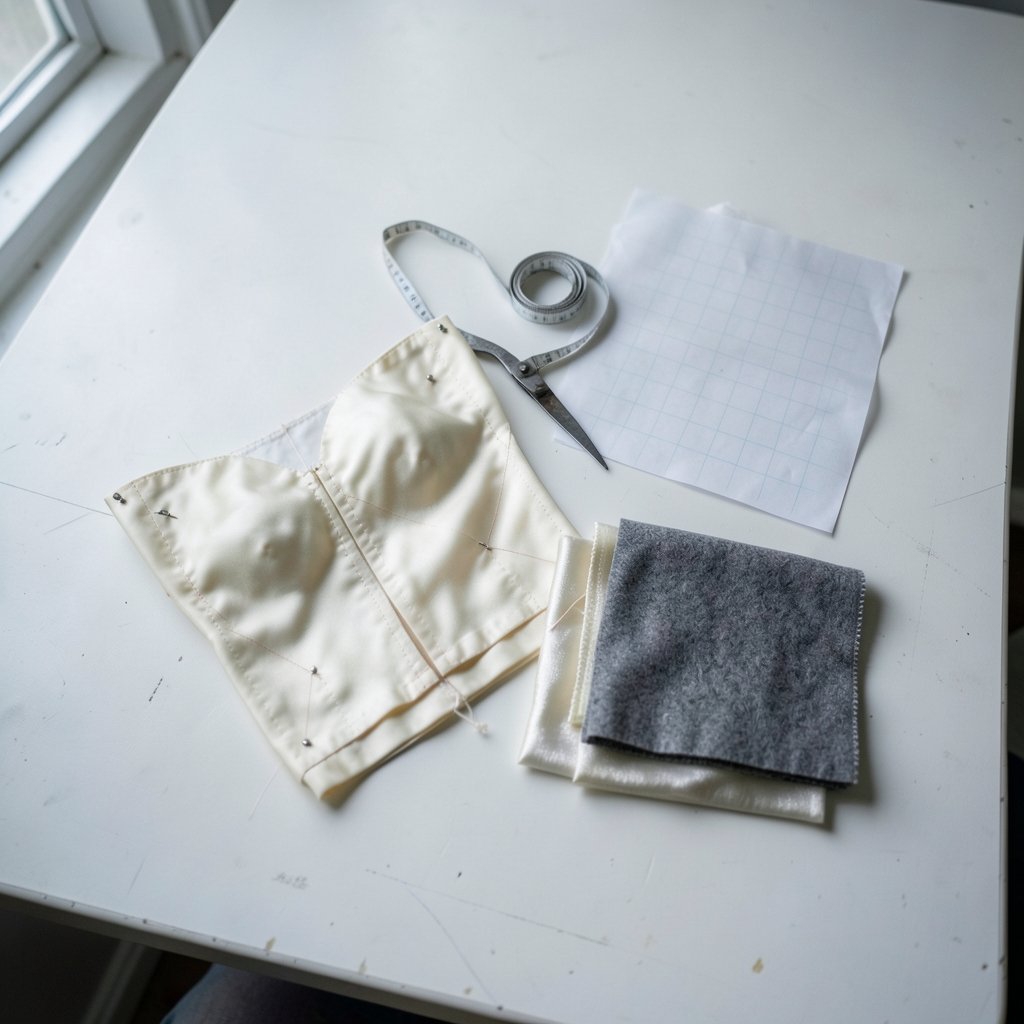
- Pattern making and toile development. Building a first sample, fitting it on a model or dress form, and correcting the fit. This is where most of the time goes.
- Sampling and factory communication. Sending tech packs, reviewing samples, negotiating minimum order quantities.
- Range building and pricing. Deciding how many styles, in how many colourways, at what cost, at what retail price.
- Presentation. Lookbooks, showroom appointments, runway, or social content.
Practical tip: newcomers consistently underestimate steps four and five. A sketch takes an hour; a fit correction can take a week. If you are learning the craft, spend your time in the sample room, not the sketchbook.
How designers learn the trade
Formal training is the standard route. Central Saint Martins in London and Parsons School of Design in New York appear again and again in designer biographies. Parsons traces its founding to 1896; Central Saint Martins took its current form through a merger in 1989. Both schools emphasise critique culture, where work is publicly assessed and rebuilt.
That said, the portfolio matters more than the diploma. Employers and buyers want to see finished garments, rather than only illustrations. A common mistake among design students is building a portfolio of beautiful drawings with no construction detail. A second mistake is copying a famous house’s aesthetic instead of developing a point of view. What actually works is narrow and specific: pick a material, a customer, and a price point, and go deep.
Fashion illustration and the image of the designer
The visual language of fashion has its own specialists. Illustrators translate runway moments into drawings that carry mood and movement in a way photography sometimes cannot. That craft still shapes how collections are remembered, and it is worth seeing how an illustrator turns a live show into a lasting image, as in this look at how Angelica Hicks turns runway moments into drawings. Illustration is also a practical skill: a clear croquis communicates a silhouette faster than a paragraph of description.
Where the industry is heading
Three forces are reshaping the designer’s job right now.
Sustainability rules. The EU Strategy for Sustainable and Circular Textiles was published on 30 March 2022. It sets out a direction for durability, recycled content, and transparency. Proposed due-diligence rules have been under negotiation, so distinguish adopted law from proposals before you quote anything as settled. In practice, designers are already being asked for fibre composition data, traceability records, and repair instructions by retail partners.
Direct-to-consumer economics. Designers increasingly sell through their own channels and newsletters rather than relying on wholesale. That means understanding margins, shipping, and customer service as well as design. If you follow industry commentary, it helps to know how to find good fashion substacks without wasting your inbox, because the useful analysis has moved away from legacy magazines.
Global talent flows. The centre of gravity has widened. For a deeper look at how Asian fashion designers rewrote global style, the story is less about geography and more about supply chains, craft traditions, and new luxury customers.
If you want the season-by-season picture, a solid 2026 fashion trends guide is a better starting point than scattered social posts, and the broader 2026 fashion trends female coverage shows how quickly runway ideas get translated into wearable versions. For the luxury end specifically, tracking Italian luxury fashion gives you a sense of how heritage houses balance craft and commercial pressure.
Common mistakes people make about fashion design
A few misconceptions refuse to die.
- “Designers sew everything themselves.” Some do, especially at small labels. Most direct pattern cutters, sample hands, and factories.
- “Couture means expensive.” Couture means a specific legal and craft category. Plenty of expensive clothes are not couture.
- “Trends come from designers alone.” Street style, music, sport, and supply-chain capacity all push trends. Designers filter and amplify.
- “A good sketch sells a collection.” Buyers buy garments, margin, and sell-through. The sketch is a means, not the product.
- “Fast fashion is design-free.” It is heavily designed, just optimised for speed and cost rather than originality.
What actually works, whether you are a designer or a curious shopper, is reading the garment. Check the seams, the fibre label, the lining, and the fit. Those details tell you more about the maker’s priorities than any campaign image.
How to read a designer’s work like an insider
You do not need a fashion degree to evaluate design. Start with construction: are seams finished cleanly, is the grain line straight, does the fabric recover after stretching? Then look at proportion: where does the waist sit, how does the shoulder line fall, does the length serve the body? Finally, consider context: who is this for, what does it cost, and does the price match the make?
This approach also protects you as a buyer. A garment that fits well and is built properly will outlast three trend pieces. Designers know this, which is why so many of them talk about longevity even when their business model depends on novelty.
Conclusion
Fashion designers sit at the intersection of craft, commerce, and culture. The romantic version of the job, all sketches and runway bows, is real but partial. The fuller picture includes pattern corrections, factory negotiations, sustainability paperwork, and a keen eye on what customers actually buy. Understanding the difference between couture, ready-to-wear, and fast fashion, knowing who sets the calendar, and reading garments closely will change how you see every collection. Whether you are considering the career, building a wardrobe, or just following the shows, that insider literacy is the real accessory.
What is the difference between a fashion designer and a fashion stylist?
A fashion designer creates garments: choosing fabric, silhouette, construction, and price point. A stylist assembles finished clothes into outfits for photo shoots, red carpets, or campaigns. Designers usually work months ahead of the season; stylists work to a shoot or event deadline. The skills overlap in taste and visual judgement but diverge sharply in technical training.
Do fashion designers need a degree?
Not legally, but formal training helps. Schools such as Central Saint Martins and Parsons are common in designer biographies because they provide access to equipment, critique, and industry networks. Many successful designers come up through internships, pattern-cutting apprenticeships, or family businesses. What employers and buyers actually assess is a portfolio of finished garments and a clear point of view.
What does haute couture legally mean?
Haute couture is a protected designation in France, administered through the Chambre Syndicale, part of the Fédération de la Haute Couture et de la Mode. Houses must meet criteria covering permanent staff and the number of designs presented each season. The exact thresholds are revised over time, so check the Fédération’s current rules rather than relying on older figures quoted in articles.
How long does it take to make a collection?
It varies enormously by category. A couture collection can take months of fittings and handwork. A ready-to-wear range typically runs on a seasonal cycle of roughly six to nine months from concept to delivery. Fast fashion compresses the same steps into weeks. Most of the calendar is consumed by sampling and fit corrections, not sketching.
Why do fashion shows happen in New York, London, Milan, and Paris?
Those four cities built the infrastructure first: press, buyers, manufacturing, and the organisations that coordinate schedules. The CFDA, founded in 1962, and the British Fashion Council anchor the New York and London weeks. Milan and Paris carry their own industry bodies and manufacturing ecosystems. The traditional timing runs February for autumn/winter and September for spring/summer, though digital formats have loosened that rhythm.
Is fashion design becoming more sustainable?
The direction is clear but the rules are still settling. The EU Strategy for Sustainable and Circular Textiles, published in March 2022, set out goals on durability, recycled content, and transparency. Related due-diligence proposals have been under negotiation, so adopted law and proposals should not be confused. In practice, designers increasingly face requests for fibre data, traceability, and repair information from retail partners.














