


What if the best designer bargain in Chicago sits next to an airport runway instead of on the Magnificent Mile? That is the reality for thousands of shoppers who skip downtown traffic and head to Rosemont, where the Fashion Outlets of Chicago packs more than a hundred stores into a two-level indoor center minutes from O’Hare. It is a different kind of shopping trip than State Street or North Michigan Avenue, and knowing how it fits into the region’s wider retail map saves both time and money.
Why outlet shopping in Chicago means something different
Chicago has one of the densest retail landscapes in the United States, but its outlet centers sit almost entirely outside the city core. The pattern is suburban and exurban: Rosemont to the northwest, Aurora to the west, and Pleasant Prairie just over the Wisconsin line. Downtown, the anchors are full-price flagships and vertical malls. The Magnificent Mile developed as a shopping corridor largely after the Michigan Avenue Bridge opened in 1920, and Water Tower Place arrived in 1975 as an early mixed-use vertical mall at 835 N. Michigan Ave. Neither was built for discount hunting.
That split matters for trip planning. A visitor staying downtown without a car faces a real decision: pay for a rideshare to Rosemont, take the train and shuttle combination, or stay in the city and accept full-price retail. Locals with cars treat the outlets as a weekend errand. Understanding which camp you fall into shapes everything from budget to footwear.
The city’s department-store history adds context. Marshall Field’s flagship opened at State and Washington in 1907 and became Macy’s in 2006. Carson Pirie Scott closed its State Street store in 2007. That consolidation pushed bargain-minded shoppers outward, and the outlet centers absorbed much of that demand.
Fashion Outlets of Chicago at a glance
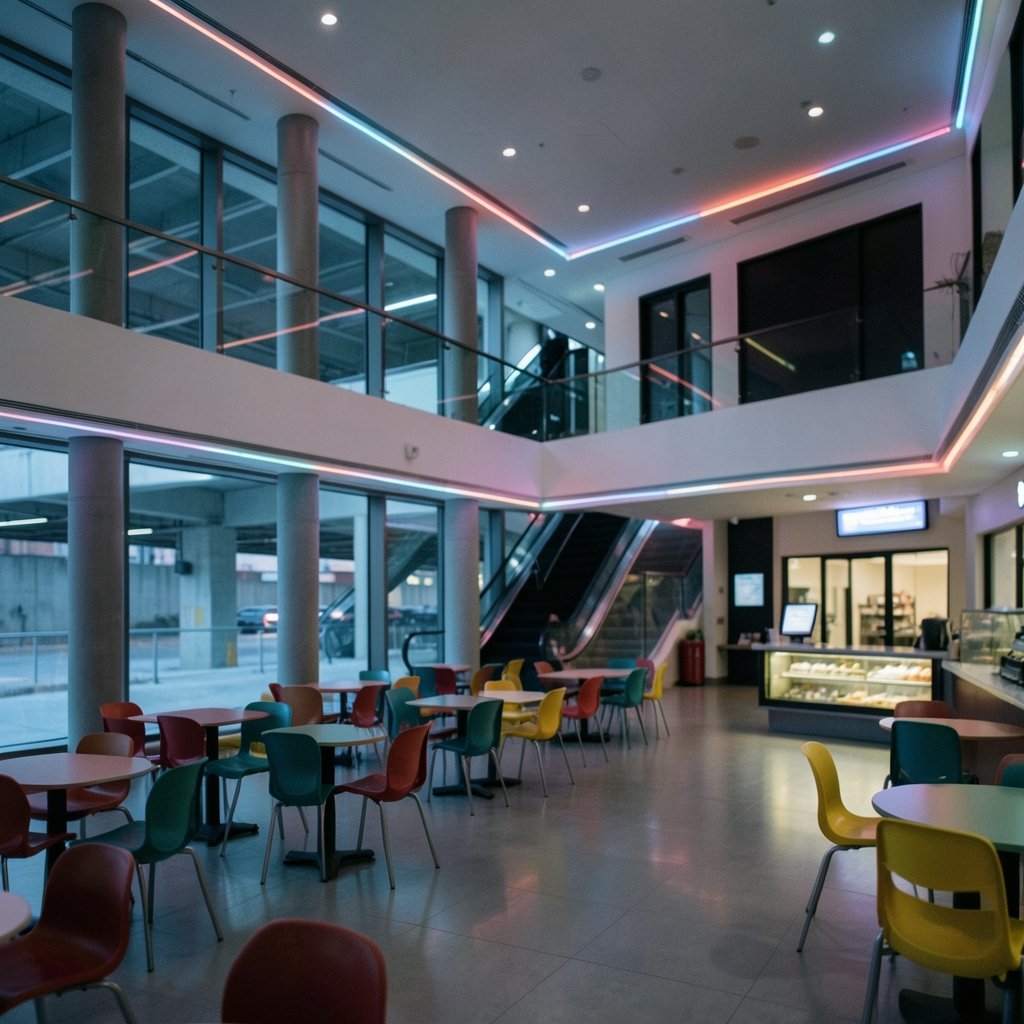
The center opened in August 2013 in Rosemont, Illinois, near O’Hare International Airport, and is operated by Macerich. It is an indoor, two-level property of roughly 530,000 square feet with about 130 stores. Those figures shift as tenants rotate, so treat them as a snapshot rather than a permanent spec sheet.
The indoor layout is the detail that separates it from most American outlet centers. Chicago winters are not forgiving, and a climate-controlled mall with a food court and covered parking changes the experience between November and March. Families with strollers, shoppers with mobility concerns, and anyone who has trudged through a slushy open-air outlet in January will notice the difference immediately.
| Feature | Fashion Outlets of Chicago | Chicago Premium Outlets (Aurora) |
|---|---|---|
| Location | Rosemont, near O’Hare | Aurora, western suburbs |
| Opened | August 2013 | 2004 |
| Operator | Macerich | Simon Property Group |
| Layout | Indoor, two levels | Open-air village style |
| Best for | Winter trips, airport layovers | Warm-weather browsing, west-suburb residents |
Neither center is “better” in any absolute sense. The comparison is about weather, geography, and how much walking you want to do outdoors.
How to get there and what to expect on arrival
- Confirm current hours on the center’s own site before you go, since holiday schedules vary widely.
- If flying, check whether your layover is long enough. O’Hare is close, but security lines eat time fast.
- Driving? Arrive within the first hour of opening. Parking fills on weekends and around back-to-school season.
- Bring a reusable tote. Bag fees and thin plastic handles are a small annoyance that adds up.
- Wear slip-on shoes. You will try on more pairs than you plan to.
The most common mistake is treating an outlet trip like a mall trip. Outlet centers reward a list. Shoppers who wander without knowing their sizes, their budget, or the specific categories they need tend to buy one impulse item and leave. Shoppers who arrive with a short list of gaps in their wardrobe consistently do better.
A second common error: assuming outlet merchandise is identical to full-price stock. It often is not. Some items are made specifically for outlet channels, with different materials or simplified construction. Check tags, seams, and lining quality rather than trusting a brand name alone.
The suburban outlet circuit beyond Rosemont
Chicago Premium Outlets in Aurora opened in 2004 and is operated by Simon Property Group. It serves the western suburbs and draws shoppers who live along the I-88 corridor. Its open-air layout works beautifully in May and miserably in February, which is exactly why some households split their year between the two centers.
Farther afield, Pleasant Prairie sits just across the Wisconsin border and pulls north-suburb residents who find it faster to drive up I-94 than to cross the metro area. The practical rule: pick the center closest to your daily route, not the one with the most impressive brand list. A ninety-minute drive each way cancels out a twenty-percent discount on a single pair of jeans.
For readers tracking how outlet assortments shift with the wider market, the broader picture of Italian luxury fashion and its distribution strategies explains why certain labels appear in outlet channels and others never do. Brand protection is a business decision, not an accident.
What actually sells well at outlets, and what does not
Category performance at outlet centers is remarkably consistent. The strongest value tends to sit in:
- Denim and basics. Volume categories with predictable sizing and frequent markdowns.
- Athletic footwear. Prior-season colorways are discounted heavily and perform identically.
- Outerwear. End-of-season coats bought in March can carry sixty percent or more off.
- Home and kitchen goods. Less size risk, easier to buy without trying on.
Weaker categories include tailored clothing that needs alteration, formalwear bought for a specific event, and anything where fit is unpredictable across a brand’s lines. Cosmetics and fragrance are worth a careful look too, since some outlet stores carry older packaging or discontinued shades.
The resale and thrift boom has changed outlet behavior as well. Shoppers who once bought deep-discount fast fashion now often compare it against secondhand. The story of how 2010s fashion athleisure streetwear and Instagram rewrote the rules tracks that shift, and it explains why outlet floors are now heavy on sneakers and leggings rather than suit separates.
Timing your visit around markdown cycles
Outlet pricing follows a rhythm. New markdowns typically land ahead of holiday weekends, at the end of a season, and during back-to-school windows. The deepest cuts usually appear when a season is fully over and the store needs floor space, which means late January for winter goods and late July for summer stock.
Practical tips that hold up in practice:
- Ask an associate when the next markdown batch drops. Staff usually know, and it costs nothing to ask.
- Check the return policy before buying. Outlet returns are frequently stricter than full-price store policies, sometimes limited to store credit or a short window.
- Photograph the price tag. If a discount is questioned at the register, the photo settles it.
- Sign up for the center’s loyalty program only if you visit more than twice a year. Otherwise the emails are just noise.
If you follow fashion coverage closely, planning around drop cycles helps. A 2026 fashion trends guide that separates what is in, out, and worth wearing makes it easier to decide whether that discounted coat is a future staple or next year’s donation pile. Trend awareness is the difference between a bargain and a mistake.
Where the outlets fit in Chicago fashion
Chicago’s fashion identity runs through its art and design culture as much as its retail. Illustrators and creatives who translate runway moments into visual storytelling, like the work covered in this piece on Angelica Hicks turning runway moments into illustration, remind shoppers that clothing carries meaning beyond a price tag. Outlets serve the practical side of that relationship: getting well-made pieces into real wardrobes at reachable prices.
The city’s retail geography also rewards curiosity. Downtown flagships offer styling, alterations, and the chance to see full-price collections in person. The outlets offer volume and markdowns. Smart shoppers use both, trying on at a flagship and buying at an outlet when the same fit reappears a season later.
For anyone who prefers reading about fashion over scrolling it, a guide to finding the best fashion substacks without wasting your inbox is a useful companion to outlet planning. Knowing which brands are worth the trip is half the battle.
Cultural moments drive outlet traffic too. The Barbie world tour book that delivered the fashion the movie only hinted at is a reminder that trend waves hit discount channels months after they peak at retail. If a look is everywhere in June, expect related inventory to surface at outlets by the following spring.
Common mistakes that cost shoppers money
The biggest one is buying something because it is discounted rather than because it fits. A jacket at forty percent off that hangs wrong in the shoulders is a hundred percent wasted.
The second is ignoring the total cost of the trip. Gas, tolls, parking, food, and time all count. A household that drives ninety minutes each way and spends forty dollars on lunch needs real savings to break even.
The third is skipping the size check. Outlet inventory skews toward extreme sizes and mid-range sizes sell out first. If you wear a common size, go early in a season, not late.
The fourth is trusting the original price on the tag. Compare against what the brand charges online for comparable items. Outlet “compare at” figures are sometimes optimistic.
Finally, many shoppers forget that outlet centers are seasonal businesses with seasonal staffing. Service is thinner on a random Tuesday in October than on a Saturday in December, and the difference shows in fitting-room lines and checkout speed.
Conclusion
The Fashion Outlets of Chicago work best as a targeted mission, not a leisurely stroll. Its indoor layout, Rosemont location, and airport proximity make it the most practical outlet option for much of the year, especially for anyone flying through O’Hare or living on the city’s northwest side. Aurora and Pleasant Prairie serve different maps and different seasons. What ties them together is a simple truth: outlets reward preparation. Bring a list, know your sizes, check return policies, and buy for fit rather than for the red tag. Do that, and a discount center becomes a genuinely useful part of a wardrobe rather than a place to burn a Saturday.
Frequently asked questions
Where is Fashion Outlets of Chicago located?
It sits in Rosemont, Illinois, near O’Hare International Airport, roughly twenty minutes from downtown Chicago depending on traffic. The center is indoor and spans two levels.
When did Fashion Outlets of Chicago open?
It opened in August 2013 and is operated by Macerich. Store counts and square footage shift over time, so check current details before planning a trip around a specific brand.
Is Fashion Outlets of Chicago indoor or outdoor?
Indoor. That is its main practical advantage over open-air competitors, particularly from November through March when Chicago weather makes outdoor browsing unpleasant.
How does it compare with Chicago Premium Outlets in Aurora?
Aurora opened in 2004, is operated by Simon Property Group, and uses an open-air village layout in the western suburbs. Rosemont is indoor and closer to the airport and the city’s northwest side. Choose based on weather and driving distance.
What is the best time to shop for discounts?
Late January for winter goods and late July for summer stock tend to bring the deepest markdowns, along with holiday weekends and back-to-school windows. Arriving early in the day improves selection and parking.
Do outlet stores sell the same products as full-price stores?
Not always. Some merchandise is produced specifically for outlet channels with different materials or simplified construction. Check tags, seams, and lining quality, and compare against the brand’s regular retail offering before assuming a bargain.














