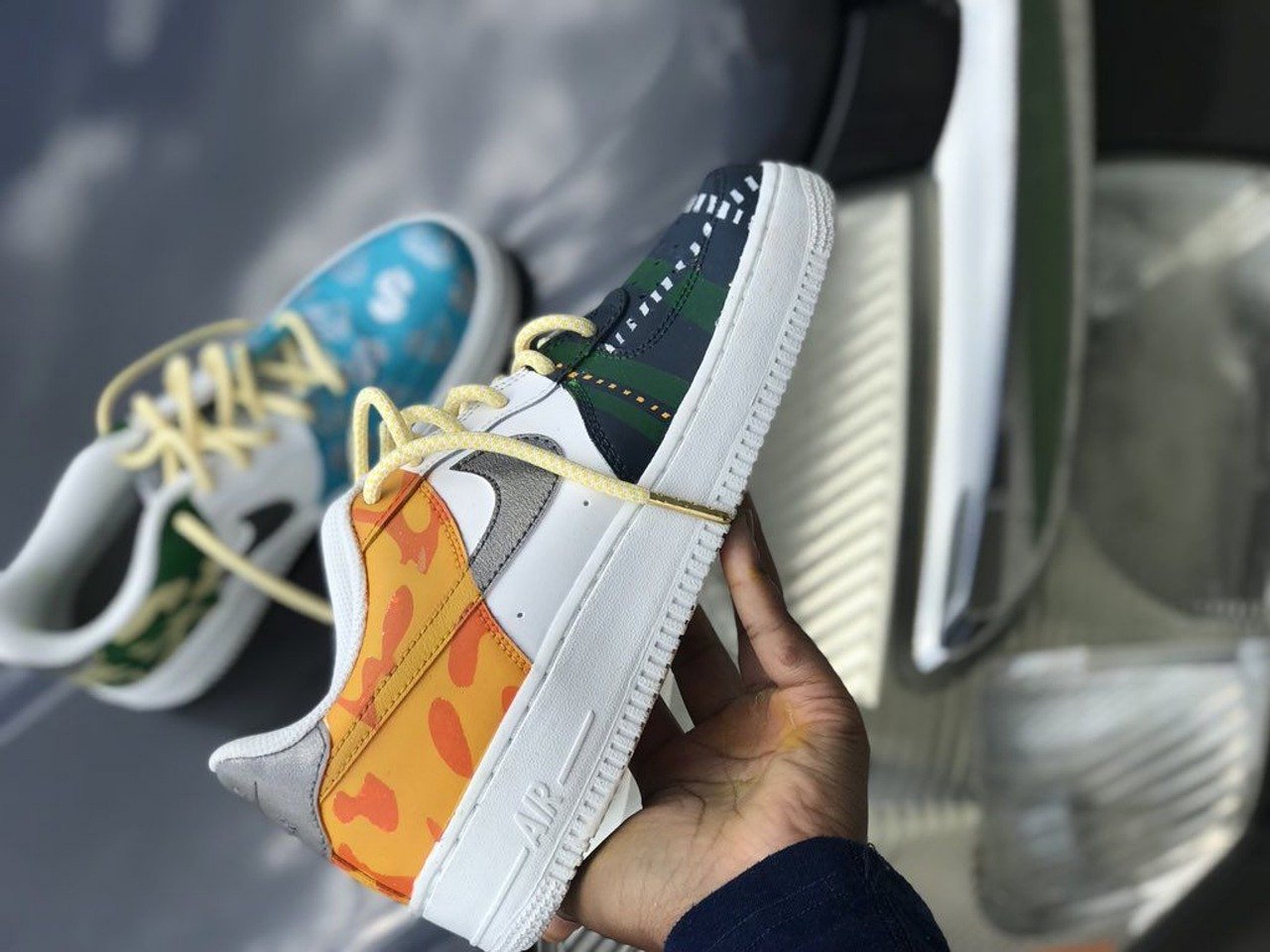

What do you call a shoe that started life on a basketball court, spent decades hiding in gym bags, and now sells for more than a designer handbag? Most people just call them fashion sneakers. The label sounds simple, but it covers a huge amount of ground, from a plain canvas low-top to a chunky running shoe that has never touched a track. Understanding how trainers moved from the locker room to the front row explains a lot about how people dress today, and it also helps anyone shopping for a pair avoid expensive mistakes.
What Counts as a Fashion Sneaker?
A fashion sneaker is a shoe built on a rubber or foam sole, designed primarily for style rather than sport. That is the working definition most stylists and retailers use. The category is deliberately loose. It includes retro basketball silhouettes, minimalist leather tennis shoes, trail-inspired hybrids, and the sort of sculptural, exaggerated shapes that appear on runways and then trickle down to high street stores.
The word sneaker itself is generally traced to American usage in the late 19th century. It became widely known through rubber-soled canvas shoes sold from around 1917. The technical groundwork came earlier: vulcanization, the process that made rubber durable enough for shoe soles, was patented in 1844. Without that invention, the modern sneaker would not exist in any form.
What separates a fashion sneaker from a performance shoe is intent. A running shoe is engineered around cushioning, drop, and energy return. A fashion sneaker borrows the look of that engineering, or the memory of it, and applies it to daily wear. The two categories overlap, but they are not the same purchase. Someone buying for a marathon needs a different shoe than someone buying for a Saturday in the city.
How Sneakers Left the Court and Entered the Closet

The Converse Chuck Taylor All Star, introduced in 1917 and branded with athlete Chuck Taylor’s name from 1932, is the standard reference point for the sneaker’s move from sport into everyday life. For decades after that, sneakers stayed mostly in the athletic lane. Then the boundaries started to blur.
By the 2010s, a new category had entered mainstream retail vocabulary. Athleisure describes athletic-style clothing worn outside sport, and fashion sneakers are a core item in that wardrobe. The 2010s fashion athleisure streetwear Instagram rewrote rules story is worth revisiting because it explains why trainers stopped being a compromise. Social media made outfit documentation constant, and comfortable shoes that photographed well became a practical advantage rather than a style shortcut.
The secondary market grew alongside this shift. Resale of limited-edition sneakers expanded substantially through the 2010s, though published estimates of its size vary widely by analyst. Treat any single figure with suspicion. The broader point is reliable: scarcity, hype, and resale turned certain sneakers into collectibles with their own price dynamics.
Today the shoe appears in almost every context. It is worn to offices, weddings, and dinners, and it sits alongside tailored clothing without anyone raising an eyebrow. The Italian luxury fashion houses that once reserved sneakers for diffusion lines now put them at the center of their main collections.
The Main Types of Fashion Sneakers
Not all trainers serve the same purpose. Knowing the archetypes makes shopping much easier, because each one has different strengths and weaknesses.
| Type | Typical materials | Best for | Watch out for |
|---|---|---|---|
| Canvas low-top | Cotton canvas, vulcanized rubber | Casual summer wear, easy styling | Little cushioning, wears fast with heavy use |
| Leather minimalist | Smooth or grained leather, cupsole | Office, smart casual, travel | Creasing, needs care to stay sharp |
| Retro basketball | Leather or suede, thick rubber sole | Statement outfits, streetwear | Bulky on narrow feet, heavy over long days |
| Chunky runner | Mesh, synthetic overlays, foam midsole | Comfort-led looks, long walks | Can overwhelm slim silhouettes |
| Trail hybrid | Ripstop, rubber lugs, gusseted tongue | Wet weather, rugged styling | Aggressive tread feels odd on polished floors |
The classic canvas low-top remains the entry point for most people. It is cheap, versatile, and easy to replace. Leather minimalists cost more but age better and read as smarter. Retro basketball shoes carry the most cultural weight, while chunky runners prioritize comfort. Trail hybrids sit at the edge of the category and work best when the rest of the outfit is deliberately casual.
How to Choose a Pair That Actually Gets Worn
Most sneaker purchases fail for boring reasons. People buy for the look in a photograph and ignore fit, sizing, and how the shoe will be used. A few practical rules prevent most of that regret.
Get the size right, and do not trust the label
Footwear sizing is not fully harmonized internationally. Standards exist, including the Mondopoint system, but fashion brands do not universally adopt them. A European 42 from one label can fit like a 43 from another. The only reliable method is to measure your foot in centimetres and compare that number against each brand’s own size chart. Try shoes on late in the day, when feet are at their largest, and leave roughly a thumb’s width at the toe.
Match the shoe to the outfit, not the trend
A chunky runner with wide proportions can make slim trousers look unbalanced. A low-profile canvas shoe can vanish under a wide-leg silhouette. The most common styling mistake is buying a shoe that fights the wearer’s existing wardrobe. Bring two or three outfits to mind before committing, and check whether the shoe works with at least three of them.
Think about the sole before the upper
The upper gets all the attention, but the sole decides comfort. Vulcanized rubber is flat and stiff. Cupsole construction is more supportive. Foam midsoles vary enormously in quality, and a soft foam that feels wonderful in the shop may compress within months. Press a thumb into the midsole; if it bottoms out instantly, expect a short lifespan.
Rotate your pairs
Sneakers last longer when they rest. Moisture from feet breaks down adhesives and lining materials. Alternating between two pairs roughly doubles the life of each, which is a better return than buying one expensive pair and wearing it daily.
Clean before you replace
Most canvas and leather sneakers can be revived with a soft brush, mild soap, and patience. Laces are cheap to swap, and insoles can be replaced. Many pairs that look finished are one cleaning session away from another year of wear. The exception is a worn-out midsole, which cannot be fixed.
Cost, Quality, and What You Are Really Paying For
Price and quality correlate loosely in this category. A high price often reflects brand positioning, marketing, collaboration hype, or limited production rather than better materials. A few signals are worth checking.
Construction matters more than logos. Look at stitching density, whether the sole is stitched or merely glued, and how the lining feels. Materials should match the price. Full-grain leather at a premium price is reasonable; coated synthetic at the same price is not. Weight is a decent proxy for build quality in leather shoes, but not in performance-inspired ones, where lightweight foams are the point.
Counterfeiting is a real risk in this market. Research on global trade in counterfeit goods has consistently found footwear among the most copied product categories, and the exact share varies by year and method. Buying from authorized retailers, checking return policies, and being suspicious of prices far below market rate are the practical defences.
Sustainability, Labour, and the Claims Problem
Sneakers are difficult to make sustainably. They combine multiple materials, often bonded rather than stitched, which makes recycling hard. Footwear production is concentrated in Asia, notably Vietnam, China, and Indonesia, and working conditions and minimum-wage issues in those supply chains are well documented by labour researchers.
Regulation is tightening. The EU’s Ecodesign for Sustainable Products Regulation, adopted in 2024, sets framework rules on durability and circularity that will affect footwear, though the footwear-specific implementing rules are still being developed. Separately, the EU’s Empowering Consumers for the Green Transition Directive, also adopted in 2024, bans generic environmental claims that cannot be substantiated. In plain terms, “eco-friendly” without evidence is on its way out as a marketing line.
For shoppers, the practical response is scepticism plus a few concrete questions. Does the brand publish supplier lists? Are repair services offered? Is the shoe designed to be resoled? Vague promises are cheap; specifics are not.
Where Fashion Sneakers Are Heading
The direction of travel is toward fewer, better, more versatile pairs. The 2026 fashion trends female conversation has moved away from constant novelty and toward shoes that work across seasons. That fits a wider shift documented in the 2026 Fashion Trends Guide: What’s In, Out & Worth Wearing, where durability and versatility keep appearing as deciding factors rather than pure aesthetics.
Silhouettes are also settling. After years of increasingly extreme chunky shapes, the pendulum has swung toward cleaner profiles, lower stacks, and materials that show wear gracefully. Retro styles remain in circulation because they were designed before the hype cycle and do not depend on it. Anyone tracking fashion trends 2026 will notice the same pattern: the shoe is no longer the loudest item in the outfit.
Illustrators and image-makers are picking up on this too. The way Angelica Hicks turns runway moments into sharp, funny drawings shows how much of a look now rests on footwear choices, and how quickly a single shoe can date an entire outfit.
Common Mistakes to Avoid
Buying for the photograph, not the pavement. A shoe that looks perfect in a mirror shot may be unwearable after twenty minutes of walking.
Ignoring the return window. Fit problems often appear on day two, not in the shop. Check the policy before you commit.
Overpaying for hype. Limited editions carry a premium that rarely holds unless you plan to resell. If you intend to wear them, buy the shoe, not the scarcity.
Skipping the care kit. A brush, a protector spray, and clean laces cost very little and add months of wear.
Assuming one pair does everything. A single sneaker cannot cover the gym, the office, and a rainy commute. Two or three well-chosen pairs cover more ground than one expensive one.
Conclusion
Fashion sneakers became the default shoe of the decade for reasons that go well beyond trend cycles. They are comfortable, adaptable, and available at almost every price point. The category rewards a bit of thought: get the sizing right, match the shoe to the wardrobe you actually own, check construction rather than logos, and treat sustainability claims with healthy scepticism. Do that, and a good pair will earn its place for years rather than months. The trainers in your closet are not a compromise on style. Chosen well, they are the most practical style decision you will make.
Frequently Asked Questions
What is the difference between a fashion sneaker and a running shoe?
A running shoe is engineered for performance, with cushioning, drop, and energy return tuned for running. A fashion sneaker borrows athletic styling but is designed for daily wear. Wearing running shoes for everyday use wears out the foam faster, and wearing fashion sneakers for long runs offers poor support.
How do I find the right sneaker size when brands differ?
Measure your foot in centimetres and compare that figure against each brand’s own size chart, because footwear sizing is not fully harmonized internationally. Try shoes on late in the day and leave about a thumb’s width at the toe. Ignore the number on the box and trust the measurement.
Are expensive fashion sneakers worth the money?
Sometimes. Price often reflects branding, collaboration hype, or limited production rather than better materials. Check stitching, whether the sole is stitched or glued, and whether the upper material matches the price. A mid-priced pair with solid construction usually outlasts a hyped pair built to the same standard.
How can I tell if a sneaker is counterfeit?
Buy from authorized retailers, check the return policy, and be suspicious of prices far below market rate. Footwear is among the most copied product categories in global trade. Inconsistent stitching, mismatched logos, poor box quality, and vague seller details are common warning signs.
Can fashion sneakers be repaired or resoled?
Some can, and it is worth asking before buying. Leather shoes with stitched soles are the most repairable. Vulcanized canvas shoes and heavily bonded foam soles are usually not. Replacing laces and insoles is cheap and extends life, but a collapsed midsole cannot be fixed.
How many pairs of sneakers does a practical wardrobe need?
Two or three pairs cover most needs: one clean leather or minimalist pair for smarter settings, one casual canvas or retro pair for everyday wear, and optionally one weather-ready pair. Rotating between them lets each pair dry out fully, which adds months to how long they last.