Gold vs Silver Nose Pins 2027: 9 Comparisons That Matter
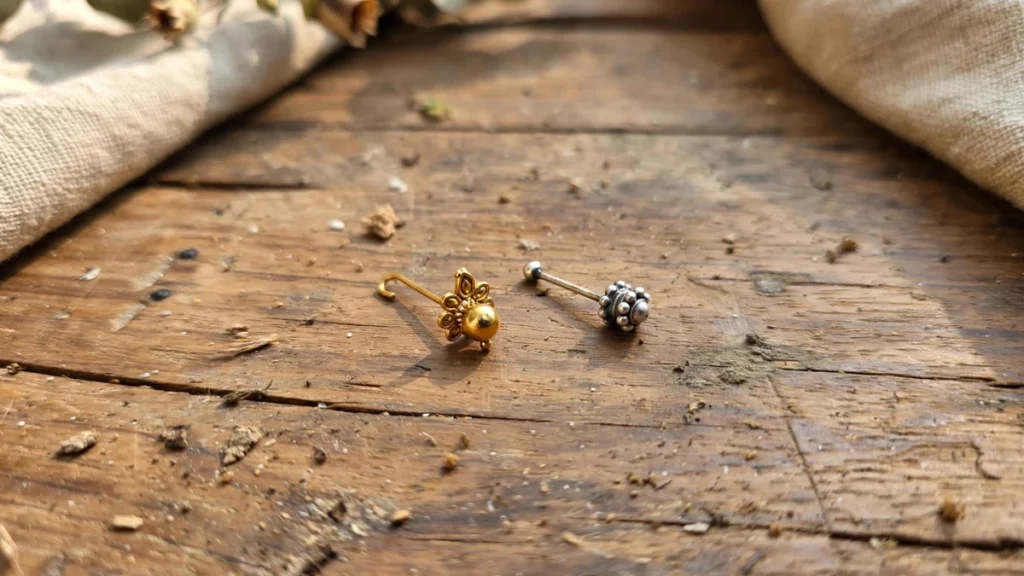
Gold and silver nose pins look like a small choice, but the metal changes how a pin looks, feels, and lasts. Gold is warm and quietly expensive. Silver is cool, bright, and far easier on the budget.
Neither metal wins outright. Gold suits warm skin and holds its value, but costs more. Silver suits cool skin and costs less, but tarnishes, needs more care, and can irritate sensitive skin if it is a poor alloy. The right choice depends on your skin tone, your piercing, and your budget.
Below are nine comparisons that matter in 2027, from first impressions and skin tone to cost, care, and long-term value. Each one is judged on what it does well, what to watch for, and who it suits best.
Key takeaways
- Gold is warm and suits warm and olive skin; silver is cool and suits cool and fair skin, though either can work with the right shade.
- Gold is more durable and holds its value, but costs far more than silver, which is affordable and bright but tarnishes and needs regular cleaning.
- Solid gold and sterling silver are the safest choices for sensitive skin, while cheap silver-plated pins are the most likely to irritate.
- Both metals need care, but silver needs more of it: store it dry, polish it gently, and keep it away from perfume and water.
- No nose pin suits every face, piercing, or budget, so buy from a seller with a fair return policy.
What gold and silver nose pins actually are
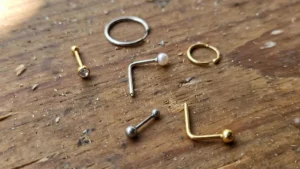
A nose pin is a small, straight piece of nose jewellery with a decorative end, usually a tiny ball, gem, or flat disc, and a short post that sits inside the nostril. It differs from a nose ring, which is a hoop, and from a nose screw, which has a curved post. Its simplicity is part of its appeal: it sits neatly and works with almost any outfit.
Gold nose pins are usually 14-carat or 18-carat gold alloy, since pure 24-carat gold is too soft for daily wear. The colour can be yellow, white, or rose. Yellow gold is the warmest and most classic, white gold is cooler and often coated, and rose gold is warm with a pink tone.
Silver nose pins are usually sterling silver, 92.5 percent silver mixed with copper for strength. It is bright, cool, and much cheaper than gold, but it tarnishes in air and moisture, and the copper can irritate sensitive skin. Silver-plated pins are cheaper still, but the plating wears away and the base metal underneath is the most likely to irritate.
How we chose these comparisons and what to look for
Look first at the metal, not the price tag. For gold, 14-carat is a practical daily choice. For silver, check it is sterling silver, stamped 925, not silver-plated, because plating wears off and the metal underneath touches your skin. For sensitive skin, solid gold is the safer choice.

Look next at the size. The visible end should be 1.5 to 2.5 millimetres across, and the post should match your piercing gauge and length. A pin that is too long moves around and catches on clothing; one that is too short presses into the skin.
Finally, look at the finish and the seller. A well-made pin has a smooth, polished end with no rough edges and a secure setting if it holds a stone. Buy from a seller who states the metal, the carat or silver standard, and the return policy clearly. A guide to gold jewellery for everyday wear covers the same questions about carat, colour, and care.
The 9 comparisons that matter in 2027
First impressions and how they look on the face
Gold reads as warm and soft, even in a pin no bigger than a grain of rice, and looks at home against warm, olive, and deeper skin. Silver reads as bright and crisp, and stands out against fair and cool skin.
What we like: Gold looks warm and understated, even in a very small size. What to consider: Silver looks brighter, which suits a bold look but can feel stark on very warm skin. Best for: Gold for a soft, classic look; silver for a bright, modern one. Material: 14-carat gold or sterling silver. Price range: About £40 to £120 for a gold pin, about £8 to £30 for a silver pin. Standout feature: Gold glows; silver sparkles.
Warmth against skin tone
Warm skin, with yellow or golden undertones, usually looks better in yellow or rose gold. Cool skin, with pink or blue undertones, usually looks better in silver or white gold.
What we like: The right metal makes skin look brighter and healthier. What to consider: The wrong metal can make skin look tired, even if the pin is beautiful. Best for: Warm skin in gold, cool skin in silver, neutral skin in either. Material: Yellow or rose gold for warm skin; sterling silver or white gold for cool skin. Price range: About £40 to £120 for gold, about £8 to £30 for silver. Standout feature: The metal should flatter the skin, not fight it.
Everyday wear and durability
A nose pin meets soap, water, and makeup every day, so durability matters. Gold resists tarnish and corrosion, and 14-carat gold is hard enough to hold its shape. Silver is softer, scratches more easily, and tarnishes in air and moisture.
What we like: Gold keeps its colour and shine with very little effort. What to consider: Silver needs regular cleaning and darkens if left uncleaned. Best for: Gold for daily, all-day wear; silver for occasional wear or for a pin you are happy to clean often. Material: 14-carat gold or sterling silver. Price range: About £40 to £120 for gold, about £8 to £30 for silver. Standout feature: Gold stays bright; silver needs attention.
Tarnish, care and upkeep
Tarnish is the dark film that forms on silver in air and sulphur, and it is the main reason silver pins look dull after a few weeks. It is not damage and can be polished away, but a pin worn daily needs cleaning every week or two. Gold does not tarnish, though it picks up skin oils that wash off easily.
What we like: Gold needs almost no care beyond a quick wash. What to consider: Silver needs a soft cloth, gentle cleaner, and dry storage; harsh cleaners scratch it. Best for: Gold for low-maintenance wear; silver for people who enjoy caring for their jewellery. Material: 14-carat gold or sterling silver. Price range: About £40 to £120 for gold, about £8 to £30 for silver, plus a few pounds for a polishing cloth. Standout feature: Gold is wash-and-go; silver is a small weekly ritual.
Comfort and weight on the face
A nose pin is small, so weight is rarely a problem, but a well-made pin has a smooth post and a rounded end, so it does not scratch the inside of the nostril or catch on a towel. Gold is slightly denser than silver, but at this size the difference is barely noticeable.
What we like: Both metals are comfortable when the pin is well made and sized right. What to consider: A pin that is too long catches; one that is too short presses into the skin. Best for: Either metal, provided the post length and gauge match your piercing. Material: 14-carat gold or sterling silver, with a smooth, polished finish. Price range: About £40 to £120 for gold, about £8 to £30 for silver. Standout feature: Fit matters more than metal for comfort.
Cost for one pin and for a collection
Cost is where gold and silver part company most clearly. A simple gold nose pin costs roughly five times as much as a comparable silver one, and a gold pin with a gemstone can cost ten times as much. That gap matters whether you want one pin or a collection.
What we like: Silver lets you build a collection and change your look without spending much. What to consider: Gold costs more up front, but one good pin can last for years. Best for: Gold for one lasting piece; silver for a collection. Material: 14-carat gold or sterling silver. Price range: About £40 to £120 for a simple gold pin, £150 to £400 for a gold pin with a gemstone; about £8 to £30 for silver, £40 to £90 for silver with a gemstone. Standout feature: Silver is the budget-friendly way to experiment; gold is the long-term buy.
Matching outfits and other jewellery
A nose pin sits next to your earrings, necklace, and watch, and it looks best when the metals agree. Gold pairs with warm colours and gold jewellery; silver pairs with cool colours and silver jewellery. Mixing metals can work, but it takes a deliberate eye.
What we like: A pin that matches your other jewellery looks intentional and polished. What to consider: A gold pin with silver earrings can look like an accident unless the mix is clearly deliberate. Best for: Gold with gold jewellery and warm colours; silver with silver jewellery and cool colours. Material: 14-carat gold or sterling silver. Price range: About £40 to £120 for gold, about £8 to £30 for silver. Standout feature: Matching metals looks effortless; clashing metals need confidence.
Occasion and dress code
Gold has a long association with formal occasions, weddings, and evening wear, and a small gold pin reads as elegant in almost any setting. Silver reads as modern and relaxed, and suits everyday wear and creative workplaces.
What we like: Gold feels right at formal events; silver feels right in casual ones. What to consider: A bright silver pin can draw the eye formally, and yellow gold can look heavy with a light summer outfit. Best for: Gold for formal, traditional, and evening occasions; silver for casual, modern, and everyday occasions. Material: 14-carat gold or sterling silver. Price range: About £40 to £120 for gold, about £8 to £30 for silver. Standout feature: Gold is the safer formal choice; silver is the easier everyday one.
Keeping it afterwards: resale and keepsake value
Gold holds its value because the metal itself is valuable, and a solid gold pin can be resold for a meaningful part of what you paid, or melted down and remade. Silver holds far less value, so a silver pin is rarely worth reselling.
What we like: A gold pin can become a keepsake, still worth something in ten years. What to consider: A silver pin is a purchase to enjoy, not an investment. Best for: Gold for a keepsake or a gift; silver for a piece you enjoy and replace. Material: 14-carat gold or sterling silver. Price range: About £40 to £120 for gold, about £8 to £30 for silver. Standout feature: Gold keeps value; silver keeps memories.
Which nose pin is right for you
Start with your skin tone. Warm skin, with golden or olive undertones, should try yellow or rose gold first. Cool skin, with pink undertones, should try silver or white gold first. If you are unsure, look at the veins on your wrist in daylight: greenish usually means warm skin, bluish usually means cool skin.
Then think about your piercing and sensitivity. A healed piercing can take either metal, but sensitive skin should avoid silver-plated pins and cheap alloys. Solid gold and sterling silver are both reasonable for sensitive skin, with gold the safer of the two. If your piercing is still healing, wait until it is fully healed before changing your pin. Our guide to the best nose rings for women covers the same healing and fit questions, and most of that advice applies to pins as well.
Finally, think about how you will wear it. One pin worn every day is worth spending more on, and gold is the better buy. Several pins swapped with your outfit are better bought in silver. Buy the metal that fits your life, not the one that looks best in a photograph.
The caveats that matter
Gold and silver nose pins are safe for most people, but there are honest limits. Silver can tarnish and irritate sensitive skin, especially when plated. Gold can be too soft in high carats, and white gold coatings wear away. Neither metal should be worn in a healing piercing. If your piercing becomes red, swollen, or painful after changing your pin, remove it, clean the area gently, and speak to your piercer or a clinician.
| Detail | What is known |
|---|---|
| Best for warm skin | Yellow or rose gold, which echoes warm undertones |
| Best for cool skin | Sterling silver or white gold, which matches cool undertones |
| Most durable for daily wear | 14-carat gold, which resists tarnish and holds its shape |
| Most likely to tarnish | Sterling silver, which darkens in air and moisture and needs polishing |
| Safest for sensitive skin | Solid gold, then sterling silver; avoid silver-plated pins |
| Cheapest way to experiment | Silver, at roughly a fifth of the price of a comparable gold pin |
| Best for a keepsake | Gold, which holds resale value and can be remade |
| What neither metal does | Neither suits a healing piercing, and neither replaces proper aftercare |
If you are pregnant, breastfeeding, or using prescription skincare, the metal itself is not usually a concern, but irritation around a piercing should still be checked with your clinician or piercer.
Checklist: choosing between gold and silver honestly
Use these checks before you buy, and again when the pin arrives.
- Check your skin tone: warm skin usually suits gold, cool skin usually suits silver, and olive skin can take either.
- Check the metal: 14-carat gold or sterling silver stamped 925, not silver-plated and not an unnamed alloy.
- Check the size: the visible end should be 1.5 to 2.5 millimetres across, and the post should match your piercing gauge and length.
- Check the finish: smooth, polished, no rough edges, and a secure setting if the pin holds a stone.
- Check your other jewellery: the pin should match the metal you wear most often, unless you are deliberately mixing.
- Check the return policy: buy from a seller who lets you return or exchange the pin if it does not suit you in daylight.
Frequently asked questions
Is gold or silver better for a nose pin?
Neither is better in every way. Gold is warmer, more durable, and holds its value, but costs much more. Silver is cooler, brighter, and far cheaper, but tarnishes and needs more care. Choose by your skin tone, your budget, and how often you will wear the pin.
Can I wear a silver nose pin if I have sensitive skin?
Often yes, if it is solid sterling silver rather than silver-plated. Plated pins irritate most, because the base metal shows through as the plating wears. If silver irritates your skin, solid gold or implant-grade titanium is usually safer.
Will a gold nose pin tarnish?
Gold does not tarnish the way silver does, but it can pick up a film of skin oils, soap, and makeup. A quick wash in warm water with mild soap, followed by a gentle dry, is usually enough to restore its shine.
How do I stop a silver nose pin from tarnishing?
Wear it regularly, store it in a dry, airtight pouch when you are not wearing it, and polish it gently with a silver cloth. Keep it away from perfume, hairspray, and swimming pools.
Can I mix a gold nose pin with silver earrings?
Yes, if the mix looks deliberate. Matching metals is the safer choice, but a confident mix can work if the pieces are similar in size and style. If unsure, match the metals.
Is a gold nose pin worth the extra cost?
It is worth it if you will wear one pin every day for years, because gold lasts, needs little care, and holds its value. If you change your pin often, silver gives you far more choice for the same money. Our guide to pearl necklaces for women makes the same point: spend more on the piece you wear every day.
The bottom line
Gold and silver nose pins are both good choices. Gold is warmer, tougher, and worth more in the long run, so it is the better buy for one pin worn every day. Silver is cooler, brighter, and far cheaper, so it is the better buy if you like to experiment or change your look often.
Choose by skin tone first, by fit second, and by price third. Check the metal, check the size, and buy from a seller who will take the pin back if it does not suit you.