Why Nose Pins Are Worth It 2027
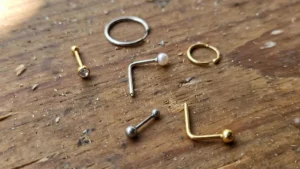
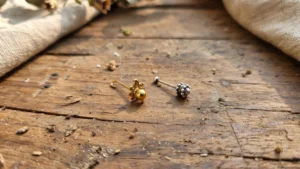
A nose pin is the smallest piece of jewellery you can wear on your face, and that is exactly why it works so well. It is a tiny pin, usually with a single stone at the tip, that sits neatly on the side of the nose and catches the light when you move. It does not shout. It does not get in the way. It simply adds a small, bright detail to your face, and it does it every day, without effort.
It is also one of the easiest piercings to live with. A nose pin is light, comfortable, and simple to clean. It suits almost every face shape, works with almost every style, and comes in every metal and price, from a simple crystal pin that costs less than lunch to a diamond pin in solid gold that you will keep for years. There is very little to get wrong, and a lot to enjoy.
Below are nine reasons nose pins are worth it in 2027, from how they flatter your face to how they fit into a busy life, how they pair with the jewellery you already own, and why they hold their value as keepsakes. If you have been thinking about getting one, or wondering whether yours is worth keeping, this is the honest case for it.
Key takeaways
- A nose pin suits almost every face shape, because it is small, sits close to the face, and draws the eye without dominating it.
- One pin works for day and evening, for work and weekends, so you do not need a collection to get value from it.
- Nose pins are light, comfortable and easy to care for, and most people forget they are wearing one within an hour.
- They come in every metal and price, from affordable crystal to diamond in solid gold, so there is a good pin at every budget.
- A nose pin is not a cure for anything, and it needs a fully healed piercing and skin-friendly metal, or it will irritate rather than flatter.
What a nose pin actually does for your look
A nose pin adds a single point of light to your face. That sounds small, and it is, but the effect is real. The eye is drawn to it briefly, then back to your eyes and your smile, and the whole face looks a little brighter and more finished. It is the same reason a small stud earring works: a tiny detail that completes a look without competing with it.
Because a nose pin sits close to the face and does not move, it looks neat and deliberate. A ring or a hoop moves and catches the eye constantly, which suits a bold style, but a pin is quieter. It works with glasses, with heavy makeup and with no makeup at all, and it does not clash with a busy hairstyle or a patterned outfit.
The pin also frames the nose gently. For people who are self-conscious about their nose, that sounds like the opposite of what they want, but a small, well-placed pin often has the reverse effect. It gives the eye a focal point, and the nose stops being the thing you notice first. Many people find they like their profile more once a pin is in place.
How we chose these reasons and what to look for
Start with fit, because a pin that fits well is a pin you will love. The post should be the right length for your piercing, usually around 6 to 7 millimetres, and the stone should be small enough to sit neatly on your nose. A stone of 1.5 to 2 millimetres suits most faces, and it is the size to start with if you are unsure.

Look next at the metal. Implant-grade titanium is the safest choice for a new or sensitive piercing, and solid gold is the best choice for a pin you plan to keep for years. Plated metal can look fine at first, but the plating wears thin on a piece this small, and the base metal underneath can irritate skin. Our guide to everyday anklets makes the same point about choosing solid, skin-friendly metals for pieces you wear every day.
Finally, think about how you will wear it. A nose pin is at its best when it is worn daily, not saved for special occasions. Choose a pin you are happy to sleep in, wash your face in, and forget about, and it will earn its place. Choose one that feels precious and fussy, and it will spend its life in a box.
The 9 reasons nose pins are worth it in 2027
They suit almost every face shape
What we like: A small pin sits close to the face, so it flatters round, oval, square and heart-shaped faces alike, without changing the balance of your features. What to consider: A very large stone can overwhelm a small nose, so start small and go larger only if the look suits you. Best for: Anyone trying nose jewellery for the first time, and anyone who wants a subtle change. Cost: Crystal pins from around £8; diamond pins from around £80. Time needed: A few minutes to try on and decide. Standout feature: One small pin flatters nearly everyone.
One pin works for day and evening
What we like: The same pin works at work, at the gym, at dinner and at a wedding, because it is small, neat and classic. What to consider: A large or coloured crystal can look too casual for formal occasions, so keep one simple pin for those days. Best for: People who want one piece of jewellery that does everything. Cost: A good everyday pin from around £15 to £150. Time needed: No time at all, once it is in place. Standout feature: A nose pin never needs changing for the occasion.
They are easy to put on and take off
What we like: A nose pin slides in and out in seconds, with no clasps, screws or fiddly closures to manage. What to consider: A pin that is too short can be hard to grip, and a pin that is too long will catch on towels and pillowcases. Best for: Beginners, and anyone who changes jewellery often. Cost: Nothing extra, the pin itself is the whole piece. Time needed: Seconds to change, once your piercing is healed. Standout feature: The simplest nose jewellery to handle.
A small piece makes a big difference
What we like: A tiny stone changes how your whole face reads, adding brightness and finish without any effort. What to consider: The effect is subtle, so if you want a bold statement, a pin alone will not give it to you. Best for: Minimal styles, and anyone who likes quiet detail. Cost: From around £8 for crystal to £80 and above for diamond. Time needed: None, the pin does the work on its own. Standout feature: The smallest change with the biggest return.
They come in every metal and price
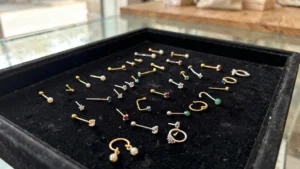
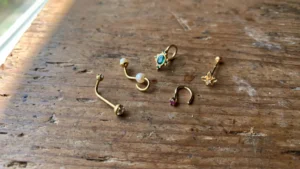
What we like: Nose pins come in titanium, silver, gold and platinum, with crystal, cubic zirconia or diamond, so there is a good pin at every budget. What to consider: The cheapest pins are often plated base metal, which can irritate skin as the plating wears. Best for: Every budget, from trying the look to buying a keepsake. Cost: Crystal from around £8; gold from around £60; diamond from around £80. Time needed: A short shop or browse to find your metal and stone. Standout feature: A good pin exists at every price.
They pair with the jewellery you already own
What we like: A small pin sits happily alongside stud earrings, a delicate necklace and a simple ring, without clashing or competing. What to consider: A large, colourful pin can fight with statement earrings, so keep one simple and one bold, not both. Best for: People who already wear jewellery daily and want one more small detail. Cost: Nothing extra, it works with what you own. Time needed: None, it slots into your existing routine. Standout feature: A nose pin completes a look rather than starting one.
They are comfortable for all-day wear
What we like: A nose pin is light, sits close to the skin, and does not snag on clothes, hair or headphones. What to consider: A pin that is too long will catch on towels and pillowcases, and a rough post will irritate the piercing. Best for: Daily wear, sleeping, exercise and work. Cost: A well-fitted pin from around £15. Time needed: A fitting with your piercer if you are unsure of the length. Standout feature: Most people forget they are wearing one within an hour.
They suit both minimal and bold styles
What we like: A tiny diamond pin suits a minimal look, and a larger crystal pin suits a bold one, so the same style of jewellery works for both. What to consider: A bold pin needs the rest of your look to stay simple, or the whole face can feel busy. Best for: Anyone whose style changes with the day or the season. Cost: A minimal pin from around £8; a bold pin from around £15. Time needed: Seconds to swap between a quiet pin and a bold one. Standout feature: One style, two very different looks.
They hold their value as keepsakes
What we like: A diamond pin in solid gold keeps a real share of its value, and it can be reset, resized or passed on. What to consider: A crystal pin has no resale value, so buy it as a fashion piece, not as a keepsake. Best for: Gifts, milestones and pieces you plan to keep for years. Cost: Diamond pins from around £80; gold pins from around £60. Time needed: Years of wear to earn its keep. Standout feature: A good pin becomes a small piece of your story.
Which nose pin is right for you
If you are trying a nose pin for the first time, start with a small crystal pin in titanium. It is affordable, comfortable, and it will tell you quickly whether the style suits you. Wear it for a month, and if you love it, upgrade to a diamond pin in solid gold. The same logic applies to everyday gold jewellery, where starting simple and upgrading once you know what you love is usually the smartest spend.
If you already know you love nose pins, buy the best pin you can afford in the metal that suits your skin. A diamond pin in solid gold or titanium, in a small size, will serve you every day for years, and it will never look out of place. It is the kind of purchase you make once and enjoy for a long time.
If your skin is sensitive, spend on the metal first. A crystal pin in titanium will be more comfortable than a diamond pin in plated base metal, and comfort decides whether a pin becomes part of your daily life or ends up in a drawer.
The caveats that matter
A nose pin is only worth it if your piercing is fully healed. Do not change jewellery in a piercing that is still sore, swollen or weeping, and do not put a new pin into a fresh piercing. Wait until it is fully healed, usually six to eight weeks for a nostril piercing, and have a piercer fit your first pin if you are unsure about the length.
| Detail | What is known |
|---|---|
| Best size to start | 1.5 to 2 millimetres, with a post of around 6 to 7 millimetres |
| Best metal | Implant-grade titanium or solid gold for sensitive skin |
| Healing time | Wait six to eight weeks before changing jewellery in a new nostril piercing |
| Daily wear | Light, comfortable and easy to forget, in either stone |
| Cleaning | Warm water and mild soap once a week; keep away from hairspray and perfume |
| Crystal or diamond | Crystal for variety and low cost; diamond for daily wear and keepsakes |
| Who should wait | Anyone with an unhealed, sore or infected piercing, or a metal allergy |
| What it does not do | It does not suit every style, and it will not stay comfortable in the wrong metal |
Be honest about size and lifestyle. A pin that is too large will catch on towels and pillowcases, and a pin in the wrong metal will irritate your skin. Start small, choose titanium or solid gold, and let the pin earn its place.
Checklist: buying a nose pin honestly
Use these checks before you buy, and again after a month of wear.
- Check your piercing is fully healed: no soreness, swelling or discharge before you change jewellery.
- Check the metal: titanium or solid gold for daily wear, and avoid plated base metal if your skin is sensitive.
- Check the size: start at 1.5 to 2 millimetres, with a post of around 6 to 7 millimetres.
- Check the setting: the stone should sit level, with no wobble and no sharp prongs.
- Check the stone honestly: diamond for a keeper, crystal for variety, and never pay diamond prices for crystal.
- Check how it feels: if you notice it after an hour, the length or the metal is wrong, and it is worth swapping.
Frequently asked questions
Does a nose pin hurt to wear?
No, not once the piercing is healed. A well-fitted pin is light and sits close to the skin, and most people forget they are wearing one within an hour. If it hurts, the post is probably the wrong length, or the metal is irritating your skin, and a piercer can help you find a better fit.
Can I sleep in a nose pin?
Yes, once the piercing is fully healed. A small pin with a smooth post is comfortable to sleep in, and it will not catch on a pillowcase the way a hoop can. If your pin catches or feels sore in the morning, the post may be too long.
How do I clean a nose pin?
Once a week, remove it and wash it in warm water with a drop of mild soap, then rinse and dry it before putting it back. Keep it away from hairspray and perfume, which can dull crystal and cloud the stone. A diamond pin tolerates the same routine easily.
Will a nose pin suit my face?
Almost certainly, yes. A small pin suits round, oval, square and heart-shaped faces, because it is small and sits close to the face. Start with a stone of 1.5 to 2 millimetres, look in a mirror in daylight, and only go larger if you like the effect.
Can I wear a nose pin with glasses?
Yes. A nose pin sits on the side of the nose, well away from where glasses rest, so the two never interfere. A small pin works particularly well with glasses, because it adds a detail without competing with the frames.
Is a nose pin a good gift?
Yes, if you know the person’s metal and size. A diamond pin in solid gold is a lovely milestone gift, while a crystal pin is a good way to let someone try the style. If you are unsure of the size, a gift voucher from a reputable piercer is kinder than a pin that does not fit, and our guide to statement necklaces makes the same point about choosing gifts that suit the person, not just the occasion.
The bottom line
A nose pin is worth it because it asks so little and gives so much. It is light, comfortable, easy to care for, and it suits almost every face and every occasion. One small pin works for day and evening, pairs with the jewellery you already own, and comes in every metal and price, from an affordable crystal to a diamond in solid gold that you will keep for years.
Start small, choose titanium or solid gold, and wait until your piercing is fully healed. Buy crystal for variety and fun, and diamond for a keeper. A nose pin will not change your life, but it will quietly make your face a little brighter every day, and that is a very good return on a very small piece of jewellery.