The Best Nose Pins for Teens 2027
A nose pin is the quietest way to wear a nose piercing, and that is exactly why so many teens love it. It is a small, neat piece of jewellery with a fine post and a tiny decorative end, a gem, a ball, a star, or a pearl, that sits flat against the nostril and catches the light without shouting. It does not dangle, it does not snag on scarves or jumpers, and it works just as well with a school uniform as it does with a party outfit.
Choosing a nose pin for a teenager is different from choosing one for an adult. The piercing must be fully healed first, the metal must be kind to young skin, the size must suit a smaller nose, and the design must be something a teen will still like in six months, not just this week. Parents are usually part of the decision too, and a good first nose pin is one that everyone involved feels comfortable about.
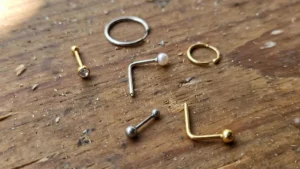
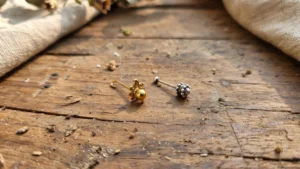
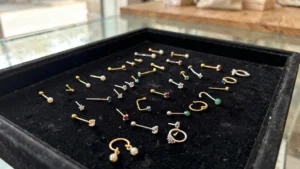
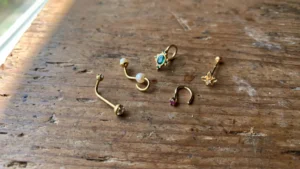
Below are nine nose pins for teens in 2027, from a simple titanium ball end to a small diamond-style sparkle and a soft pearl accent. Each one is described by what it does well, what to watch for, and who it suits best, so you can choose with confidence rather than guesswork.
Key takeaways
- A nose pin is a small, flat-sitting piece of nose jewellery with a fine post and a tiny decorative end, and it is the most discreet nose piercing style.
- Titanium and solid gold are the safest metals for a teen nose pin, because they are the least likely to irritate healing or sensitive skin.
- A nose pin should only be worn in a fully healed piercing, which usually takes at least three to six months after the piercing was done.
- The right size matters more than the right design: a pin that is too long moves around, and a pin that is too short presses into the skin.
- No nose pin suits every face or every piercing, and a pin that looks perfect in a photo may sit differently on a real nose, so check the fit, not just the picture.
What a nose pin actually does for a teen outfit
A nose pin does a small job very well. It adds one point of shine to the face, near the eyes, where it draws attention without competing with the rest of an outfit. A tiny crystal end can lift a plain school look, a small gold ball can warm up a winter coat and scarf, and a pearl accent can soften a formal dress. Because it sits close to the skin, it reads as part of the person wearing it, not as an accessory trying to be noticed.
For teens, that subtlety is practical as well as stylish. A nose pin does not catch on clothing, hairbrushes, or sports kit the way a hoop or a dangling piece can. It is easy to clean, easy to sleep in once the piercing is healed, and easy to swap for a different end when the mood changes.
It is also worth knowing what a nose pin is not. It is not a stud with a thick backing, and it is not a screw with a long curved post. A nose pin has a straight, fine post with a small flat or gently rounded end inside the nostril, and a decorative end outside.
How we chose these nose pins and what to look for
Look first at the metal. Implant-grade titanium and solid gold are the safest choices for a teen nose pin, because both are well tolerated by sensitive skin and hold up to daily wear. Surgical steel is a common and cheaper alternative, but it contains a small amount of nickel, which can irritate some people, so it is better as a second or third pin than as a first one. Plated jewellery looks the same in a photo but wears thin with time, and once the plating lifts, the metal underneath can irritate the piercing.

Look next at the size of the decorative end. For a teen, an end between 1.5 and 2.5 millimetres across is usually the sweet spot. Smaller than that, and the pin can look lost or slip more easily; larger than that, and it can overwhelm a smaller nose or feel heavy. The post length matters just as much. Most teen nostrils suit a post of around 6 to 7 millimetres, but a piercer can measure this properly, and it is always better to ask than to guess.
Finally, look at how the pin is made. The end should be firmly attached, the post should be smooth with no rough edges or burrs, and the finish should be even. A well-made pin feels light and sits flat. A cheap one can feel scratchy, sit at an angle, or lose its end. Our guide to gold jewellery for everyday wear explains why solid metal and a clean finish matter more than a low price, because a pin you wear every day is worth choosing carefully.
The 9 best nose pins for teens in 2027
The Classic Titanium Ball-End Pin
What we like: A tiny polished titanium ball on a fine straight post, light, smooth, and kind to sensitive skin, with a clean look that suits every outfit. What to consider: Plain by design, so it does not sparkle, and the ball is small enough to be easy to lose if it comes off. Best For: A first nose pin, school days, and sport. Material: Implant-grade titanium. Price Range: Around £8 to £20. Standout Feature: The safest everyday metal for young skin.
The Gold Ball-End Pin
What we like: A small solid gold ball that warms up the face, suits warm skin tones, and holds its colour without plating. What to consider: Costs more than titanium, and gold is softer, so it can scratch if it is handled roughly. Best For: Everyday wear and special occasions. Material: Solid 14-carat gold. Price Range: Around £40 to £90. Standout Feature: A warm, lasting shine that never needs replating.
The Tiny Crystal Pin
What we like: A small clear crystal in a neat setting that catches the light and adds a gentle sparkle without looking overdone. What to consider: The stone needs a secure setting, and a cheap prong setting can loosen over time. Best For: Parties, photos, and evenings out. Material: Titanium post with a cubic zirconia crystal. Price Range: Around £15 to £35. Standout Feature: The most sparkle for the smallest size.
The Rose Gold Slim Pin
What we like: A slim rose gold pin with a soft pink warmth that flatters most skin tones and looks modern without being loud. What to consider: Rose gold is usually an alloy, so check the carat and the metal mix if skin is very sensitive. Best For: Everyday wear and soft, romantic looks. Material: Solid 14-carat rose gold. Price Range: Around £45 to £95. Standout Feature: A gentle pink tone that suits almost everyone.
The Silver Ball-End Pin
What we like: A small polished silver ball that is cool, clean, and affordable, with a bright finish that suits cool skin tones. What to consider: Silver can tarnish and needs occasional cleaning, and it is softer than titanium. Best For: Everyday wear on a budget. Material: Sterling silver. Price Range: Around £12 to £30. Standout Feature: A bright, cool shine at a friendly price.
The Thin Everyday Pin
What we like: An extra-fine post with a very small end, so light and discreet that it is easy to forget it is there. What to consider: The fine post needs careful handling, and the tiny end can be fiddly to put in. Best For: School, work experience, and minimal looks. Material: Implant-grade titanium. Price Range: Around £10 to £25. Standout Feature: The most discreet pin in this list.
The Pearl Accent Pin
What we like: A small freshwater pearl end that is soft, pretty, and a little bit grown-up, without any sparkle or glare. What to consider: Pearls are delicate and should not be soaked in cleaning solutions or exposed to perfume and hairspray. Best For: Formal occasions, family events, and soft looks. Material: Titanium post with a freshwater pearl. Price Range: Around £20 to £45. Standout Feature: A gentle, classic finish that suits formal outfits.
The Star-End Pin
What we like: A tiny star-shaped end that adds a playful touch and suits a teen who wants their jewellery to show a bit of personality. What to consider: The points of the star need to be smooth, or they can catch on fabric. Best For: Casual days, festivals, and fun outfits. Material: Solid gold or titanium with a star end. Price Range: Around £18 to £60. Standout Feature: A small, cheerful shape that still looks neat.
The Double-End Crystal Pin
What we like: Two tiny crystals, one at each visible end, for a little extra sparkle that still sits flat and neat. What to consider: Two stones mean two settings to check, and the pin is slightly heavier than a single-end pin. Best For: Evenings out and special occasions. Material: Titanium with cubic zirconia ends. Price Range: Around £20 to £40. Standout Feature: Twice the sparkle in the same small footprint.
Which nose pin is right for you
Start with the piercing, not the pin. If the piercing is less than three months old, it is almost certainly not healed enough for a decorative pin, and swapping jewellery too early is the most common cause of irritation and bumps. Wait until the piercing feels calm, with no soreness, no discharge, and no tenderness when it is touched gently. A piercer can confirm this in a few seconds, and it is always worth asking.
Then think about skin. If skin is sensitive, or if there is any history of reactions to jewellery, choose implant-grade titanium or solid gold and avoid plated or nickel-heavy pieces. If the piercing has been calm for months and the skin is not reactive, sterling silver and well-made gold are both fine. The metal matters more than the design, because a beautiful pin that irritates the skin will spend most of its time in a drawer.
Finally, think about the face and the lifestyle. A smaller nose usually suits a smaller end, between 1.5 and 2 millimetres, while a larger nose can carry a slightly bigger end without it looking out of place. A teen who plays sport or swims regularly will be happier with a smooth ball end than with a crystal or a star, which can catch or loosen. A teen who dresses up often will get more use from a crystal or pearl end. Our guide to the best nose rings for women is useful here too, because the same questions about fit, metal, and lifestyle apply, even though the jewellery shape is different.
The caveats that matter
A nose pin is a simple piece of jewellery, but it still sits in a piercing, and that piercing needs care. The most important rule is to wait until the piercing is fully healed before changing the jewellery. For most nostril piercings that means at least three to six months, and sometimes longer. Changing a pin too early can reopen the piercing, cause irritation, and set healing back by weeks.
| Detail | What is known |
|---|---|
| When a pin can be worn | Only in a fully healed piercing, usually after three to six months |
| Safest metals | Implant-grade titanium and solid gold; avoid nickel-heavy pieces |
| Best end size for teens | About 1.5 to 2.5 millimetres across, to suit a smaller nose |
| Typical post length | About 6 to 7 millimetres, but a piercer should measure it |
| Parental consent | Needed for under-18s in most places; check local rules and the studio policy |
| Cleaning | Saline solution or clean warm water; no harsh antiseptics or alcohol |
| What to avoid | Plated jewellery, rough edges, and changing the pin too early |
| When to seek help | Redness, swelling, pain, or discharge that does not settle within a few days |
Parental consent matters too. In most places, anyone under 18 needs a parent or guardian to agree to a piercing, and many studios also ask for ID. That is not a hurdle to work around. A studio that checks consent properly is a studio that takes hygiene and aftercare seriously, and that is exactly the kind of studio a teen should be going to. If a studio does not ask, that is a warning sign, not a convenience.
Checklist: buying a nose pin honestly
Use these checks before you buy, and again after a week of wearing the pin.
- Check the piercing is fully healed: no soreness, no discharge, and no tenderness when touched gently.
- Check the metal: implant-grade titanium or solid gold for sensitive skin, and avoid plated jewellery.
- Check the size: an end of 1.5 to 2.5 millimetres, and a post length measured by a piercer, not guessed.
- Check the finish: the post should be smooth, the end firmly attached, and no rough edges or burrs.
- Check the consent rules: a parent or guardian should be involved, and the studio should ask for it.
- Check the aftercare: clean with saline or warm water, keep hands off the pin, and leave it alone while it settles.
Frequently asked questions
How old do you have to be to get a nose piercing?
It depends on where you live, but in most places you need to be 16 or 18, and under-18s need a parent or guardian present to give consent. Studios have their own policies too, so check before you book, and bring ID for both the teen and the parent.
How long should I wait before changing to a nose pin?
Wait until the piercing is fully healed, which is usually three to six months for a nostril piercing. If the piercing is still sore, tender, or producing discharge, it is not ready. A piercer can check it and change the jewellery safely if you are unsure.
What is the best metal for a teen nose pin?
Implant-grade titanium is the safest first choice, because it is well tolerated by almost everyone and does not contain nickel. Solid gold is also a good choice. Sterling silver is fine for many people once the piercing is well healed, but it can tarnish and is softer than titanium.
Can I wear a nose pin to school?
It depends on the school rules. Some schools allow a small, discreet nose pin, while others ask for it to be removed or covered. A tiny, flat pin in a neutral metal is the easiest to wear under a strict dress code, but always check the school policy first. Our guide to the best pearl necklaces for women shows the same idea at work, a small, classic piece that fits a formal setting without drawing attention.
Will a nose pin fall out?
A well-fitted nose pin should stay in place during normal wear, but it can come out if it is knocked, if the post is too short, or if the end loosens. If it does come out, do not panic. Clean your hands, clean the pin, and put it back in gently, or ask a piercer to help. Do not force it if the piercing feels tight or sore.
How do I clean a nose pin?
Clean it with a saline solution or clean warm water, and dry it gently with a clean tissue or cloth. Do not use alcohol, hydrogen peroxide, or harsh antiseptics, because they dry out the piercing and slow healing. Keep your hands off the pin as much as possible, and do not twist or turn it.
The bottom line
The best nose pin for a teen in 2027 is a small, well-made pin in a safe metal, fitted to a fully healed piercing, and chosen with a parent involved. A titanium ball end is the safest first step, a gold ball end is the classic everyday choice, and a tiny crystal or pearl end is a lovely option for special occasions. The design matters less than the metal, the fit, and the timing.
Wait for the piercing to heal, choose the metal carefully, check the size with a piercer, and pick a design that feels like the teen wearing it. A nose pin chosen that way is comfortable, safe, and easy to love, and it will still look good long after the first excitement has settled.