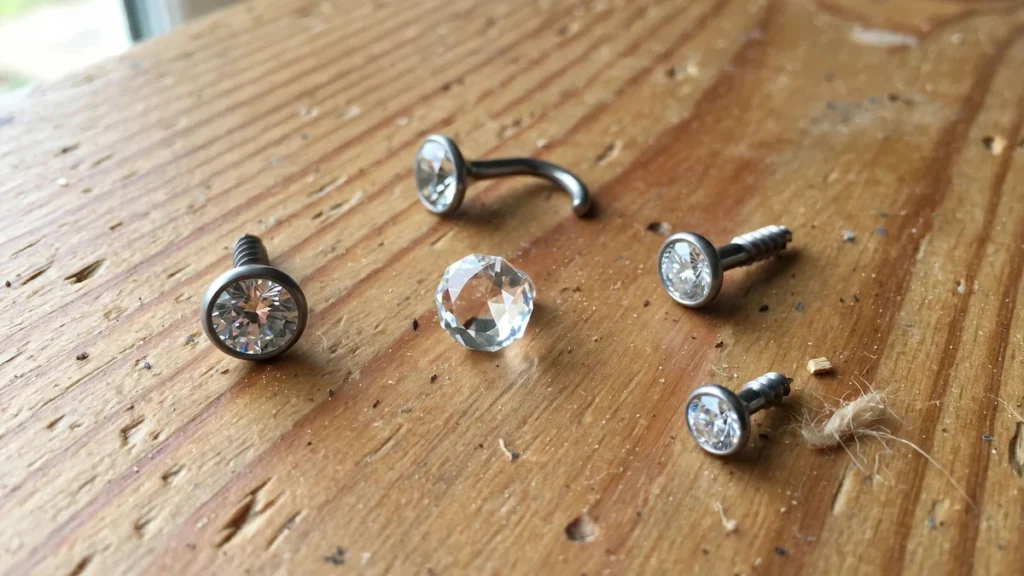
Diamond vs Crystal Nose Screws 2027: 9 Comparisons That Matter
A nose screw is the quiet classic of nose jewellery. It is a small stud on a corkscrew or L-shaped post that twists gently into a healed nostril piercing and stays put without a visible clasp or backing. The stone at the front does most of the talking, and that is where the choice gets interesting. A diamond nose screw and a crystal nose screw can look almost identical in a photograph, yet they behave very differently on the face, in the hand, and over time.
The difference is not only about price, though price is part of it. A diamond is a natural or lab-grown stone with a hard, sharp sparkle that holds up to daily wear. A crystal, usually cubic zirconia or glass, is lighter, brighter in a softer way, and far cheaper, which means you can own several and change them with your mood.
Below are nine comparisons that matter in 2027, from first impressions and price to care, comfort, and what each stone is worth years later. Each one is described plainly, so you can choose the stone that suits your face, your budget, and your routine.
Key takeaways
- A diamond nose screw offers a hard, sharp sparkle and the best durability, while a crystal nose screw offers a softer shine at a fraction of the price.
- Diamonds suit everyday wear and long-term keepsakes; crystals suit experimenting with colour, size, and style without a big spend.
- Both need a fully healed piercing, and both should be set in a skin-friendly metal such as titanium or solid gold.
- Cleaning is simple for both, but diamonds tolerate more handling and harsher cleaning than crystals.
- Neither stone is a guaranteed investment, and a crystal that looks cloudy, loose, or scratched should be replaced rather than repaired.
What diamond and crystal nose screws actually are
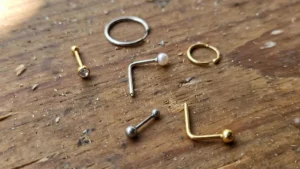
A nose screw is a stud on a post shaped like a corkscrew or an L. The post sits inside the nostril, the curve or bend holds it in place, and the stone faces out. Unlike a hoop it does not move much, and unlike a flat-back stud it has no separate backing to lose.
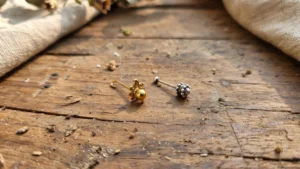
A diamond nose screw carries a real diamond, natural or lab-grown, usually small, between one and three millimetres across. Lab-grown diamonds are chemically the same stone as mined diamonds and are now the common choice for small nose jewellery, because the price is lower and the quality is consistent. The stone is usually set in a four-prong or bezel setting in gold, platinum, or titanium.
A crystal nose screw carries a crystal stone, most often cubic zirconia or glass crystal, cut to catch the light in a similar way. It is lighter than a diamond and often set in the same metals, though cheaper pieces may use plated base metals. The sparkle is bright and white, but softer at the edges than a diamond, and the stone can cloud or scratch with heavy wear.
How we chose these comparisons and what to look for
We compared the two stones on the things that actually change daily life: how they look on the face, what they cost, how they wear, how they clean, and what they are worth later.

Look first at the setting and the metal. A secure prong or bezel setting matters more than the stone itself, because a loose stone is a lost stone. Titanium and solid gold are the safest metals for a healed piercing, and they are the metals worth paying for. Our guide to gold jewellery for everyday wear explains why solid gold holds up better than plated pieces for jewellery you wear every day.
Look next at the size of the stone and the gauge of the post. A one-and-a-half to two-millimetre stone suits most faces and stays comfortable all day. The post should match the gauge of your piercing, usually 18 or 20 gauge, and the length should suit the thickness of your nostril, so the screw sits flat without pressing.
The 9 comparisons that matter in 2027
First impressions and sparkle
A diamond catches the light in sharp, white flashes that read as crisp and expensive even at a glance. A crystal gives a softer, wider sparkle that can look just as pretty in daylight, especially in a small size.
What we like: The diamond’s clean, hard sparkle; the crystal’s bright, friendly shine at a low price. What to consider: A diamond can look severe in a very large size, while a crystal can look flat in dim light. Best for: Diamond for a polished daily look; crystal for a soft, playful look. Material: Diamond or cubic zirconia, set in gold or titanium. Price range: Diamond from around £40 to £300; crystal from around £8 to £40. Standout feature: The diamond’s sharp white fire.
Price and value for money
A diamond nose screw costs several times more than a crystal one, even in the smallest size, because you are paying for the stone itself and for the setting work.
What we like: The diamond holds its value as a piece of jewellery; the crystal lets you experiment for very little. What to consider: A cheap diamond in a weak setting is worse value than a good crystal in a solid setting. Best for: Diamond for one lasting piece; crystal for a small collection. Material: Lab-grown diamond or cubic zirconia. Price range: Diamond from around £40 to £300; crystal from around £8 to £40. Standout feature: The crystal’s low cost for a full set.
Durability and everyday wear
Diamond is the hardest natural material used in jewellery, so it resists scratches from everyday knocks, scarves, and glasses. Crystal is much softer and will pick up fine scratches over months of daily wear, which slowly dulls its shine.
What we like: The diamond’s ability to look new after years of daily wear. What to consider: A crystal worn every day will need replacing sooner, sometimes within a year. Best for: Diamond for all-day, every-day wear; crystal for occasional wear. Material: Diamond in a bezel or prong setting. Price range: Diamond from around £60 to £300; crystal from around £8 to £40. Standout feature: The diamond’s scratch resistance.
Care and cleaning
Both stones clean the same way, with warm water, mild soap, and a soft cloth, but a diamond tolerates more. A crystal needs a gentler touch, because harsh scrubbing and strong cleaners can damage its coating and leave it cloudy.
What we like: Cleaning takes less than a minute for either stone. What to consider: Avoid ultrasonic cleaners and strong chemicals on crystals, and dry both stones gently. Best for: Diamond for a low-effort routine; crystal for careful, occasional cleaning. Material: Diamond or cubic zirconia in gold or titanium. Price range: Diamond from around £40 to £300; crystal from around £8 to £40. Standout feature: The diamond’s easy, forgiving care.
Comfort and weight
A nose screw is light by nature, and the stone is so small that weight is rarely a problem. A diamond and a crystal of the same size feel almost identical on the face. The difference is in the setting: a well-made screw sits flat against the nostril, while a poorly made one can press or tilt, whatever stone it carries.
What we like: Both stones are light enough to forget you are wearing them. What to consider: Check the post length and the curve before buying, since comfort depends on the fit, not the stone. Best for: Either stone for all-day comfort in a well-fitted screw. Material: Titanium or solid gold post, 18 or 20 gauge. Price range: Diamond from around £40 to £300; crystal from around £8 to £40. Standout feature: The screw’s secure, low-profile fit.
Colour and light
A white diamond stays white in every light, from morning sun to evening lamps, and its sparkle is cool and sharp. A crystal can throw a faint rainbow flash that some people love and others find less natural.
What we like: The diamond’s steady white light; the crystal’s range of colours. What to consider: A coloured crystal can clash with warm makeup, while a white diamond suits almost everything. Best for: Diamond for a classic look; crystal for colour and variety. Material: White diamond or coloured cubic zirconia. Price range: Diamond from around £60 to £300; crystal from around £8 to £40. Standout feature: The crystal’s affordable colour range.
Matching outfits and occasions
A diamond nose screw works with everything, from a plain white shirt to evening dress, because it reads as a small, bright point of light rather than a statement.
What we like: The diamond’s ability to dress up or down without a second thought. What to consider: A very large crystal can look out of place in a formal setting. Best for: Diamond for weddings and formal events; crystal for festivals and casual days. Material: Diamond or cubic zirconia in gold or titanium. Price range: Diamond from around £60 to £300; crystal from around £8 to £40. Standout feature: The diamond’s quiet versatility.
Skin sensitivity and metal choices
The stone itself rarely causes sensitivity; the metal does. The risk comes with cheap crystal screws set in plated base metals, where the plating wears away and the metal underneath irritates the piercing.
What we like: Titanium and solid gold suit almost every skin type. What to consider: Avoid plated screws if your skin reacts easily, and check that the post, not just the setting, is made from a safe metal. Best for: Titanium for the most sensitive skin; solid gold for lasting comfort. Material: Titanium or solid gold. Price range: Diamond from around £40 to £300; crystal from around £8 to £40. Standout feature: Titanium’s gentle feel on skin.
Keeping it afterwards: resale and keepsake value
A diamond nose screw keeps some of its value, especially in solid gold, and it can be reset into another piece of jewellery later. A crystal screw has almost no resale value, and once the stone clouds or scratches, it is usually replaced rather than repaired. That does not make a crystal a bad buy, only a different kind of buy.
What we like: The diamond’s life as a keepsake that can be reset or passed on. What to consider: Small diamonds resell for far less than their retail price, so buy for wearing, not for profit. Best for: Diamond for a keepsake; crystal for a seasonal piece. Material: Diamond in solid gold or platinum. Price range: Diamond from around £60 to £300; crystal from around £8 to £40. Standout feature: The diamond’s lasting keepsake value.
Which nose screw is right for you
Choose a diamond if you want one piece you wear every day for years, if you like a sharp, classic sparkle, and if you are happy to pay more once rather than replace a cheaper piece again and again. A small diamond in solid gold or titanium is the easiest version of this, and it suits almost every face and outfit.
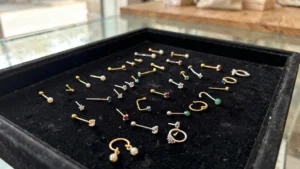
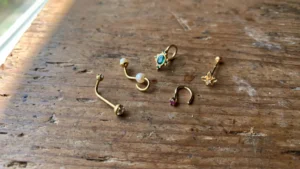
Choose a crystal if you like to change your look, if you want to try a larger stone or a colour before committing, or if you are buying your first nose screw and want to learn what size and fit suit you. Our guide to the best nose rings for women covers the wider range of styles, which can help if you are still deciding between a screw, a hoop, and a stud.
If you cannot decide, start with a crystal in the size you think you want, wear it for a month, and see how it feels. If you love the size and the style, buy the same thing in diamond.
The caveats that matter
Neither stone suits an unhealed piercing. A nose screw should only go into a piercing that has fully healed, which usually takes several months, and forcing a screw through a tender piercing can cause irritation, swelling, and a longer healing time. If your piercing is still sore, red, or producing discharge, wait, and ask your piercer before changing jewellery.
| Detail | What is known |
|---|---|
| Best stone for daily wear | Diamond, for hardness and lasting sparkle |
| Best stone for experimenting | Crystal, for low cost and easy swapping |
| When to buy diamond | If you want one piece to wear for years |
| When to buy crystal | If you want colour, size, or a new look often |
| Metal to choose | Titanium or solid gold for sensitive or healed skin |
| Metal to avoid | Plated base metals, which can flake and irritate |
| Cleaning | Warm water and mild soap, dried gently, for both stones |
| What neither stone does | Neither is an investment, and neither suits an unhealed piercing |
If your piercing becomes painful, swollen, or hot to the touch, or if the jewellery feels stuck, do not force it. Take the screw out gently if you can, keep the area clean, and speak to your piercer or a clinician.
Checklist: choosing between diamond and crystal
Use these checks before you buy, and again after a month of wear.
- Check your piercing is fully healed before switching to any new screw.
- Check the metal first: titanium or solid gold, not plated base metal.
- Check the setting: prongs or a bezel that hold the stone firmly, with no wobble.
- Check the size: a one-and-a-half to two-millimetre stone suits most faces.
- Check the post: the gauge should match your piercing, usually 18 or 20 gauge.
- Check the stone in daylight: it should sparkle cleanly, not look cloudy or dull.
Frequently asked questions
Can I wear a nose screw every day?
Yes. A nose screw is designed for daily wear once the piercing is healed. A diamond will hold its sparkle longer, while a crystal may need replacing after months of constant use.
How do I tell a diamond from a crystal?
At a glance, it is hard. A diamond has a sharper, cooler sparkle and stays clear over time, while a crystal can look softer and may cloud or scratch. The most reliable check is the price, the setting, and the seller’s description, since a genuine diamond screw will always cost noticeably more.
Will a crystal nose screw look cheap?
Not in a small size with a good setting. A well-cut crystal in solid gold or titanium looks bright and clean on the face, and most people will not know it is not a diamond. It is large, cloudy, or poorly set crystals that look cheap, not crystals as such.
Can I sleep in a nose screw?
Yes, once the piercing is healed. A nose screw sits flat and does not have a backing to press into the skin, so it is one of the more comfortable styles to sleep in. If it feels sore in the morning, check that the post is not too long for your nostril.
How do I clean a diamond or crystal nose screw?
Take it out, wash it in warm water with a drop of mild soap, and dry it gently with a soft cloth.
What jewellery pairs well with a nose screw?
A small nose screw pairs well with delicate jewellery that does not compete with it. A fine chain or a simple pearl piece works well, because the nose stone is already the brightest point. Our guide to the best pearl necklaces for women shows how a soft, classic necklace balances a sparkling nose screw without overpowering it.
The bottom line
The best nose screw in 2027 is not the most expensive stone, it is the stone that matches how you wear jewellery. A diamond is the right choice if you want one lasting piece with a sharp, classic sparkle that survives years of daily wear. A crystal is the right choice if you want variety, colour, and the freedom to change your look without a big spend.
Choose the metal first, the size second, and the stone third. A well-made screw in titanium or solid gold, in a size that suits your face, will look good and feel comfortable whatever stone sits at the front. Buy the crystal to learn what you like, and buy the diamond when you know.