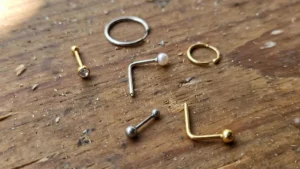
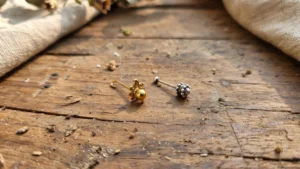
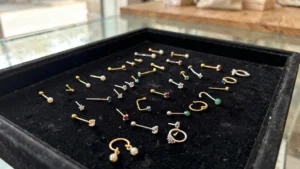
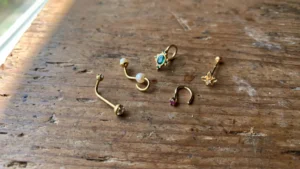
Diamond vs Crystal Nose Pins 2027: 9 Comparisons That Matter
A diamond nose pin and a crystal nose pin can look almost identical in a shop tray, and yet they are very different purchases. Both are small, both sit neatly on the side of the nose, and both catch the light when you turn your head. The difference is in what the stone is, how it holds up to daily wear, what it costs, and what it is worth to you in a year or two.
A nose pin is a small, straight pin-style nose piercing, usually with a single stone set at one end and a short post that sits inside the nostril. Diamond and crystal are the two most common stones for it, and choosing between them is less about which is prettier and more about how you live, how often you will wear it, and how much you want to spend.
Below are nine comparisons that matter in 2027, from sparkle and price to care, comfort and resale value. Each one looks at both stones honestly, so you can choose the pin that fits your budget, your skin and your routine, rather than the one that simply shines brightest under a shop light.
Key takeaways
- A diamond nose pin costs more up front, but the stone is harder, more durable, and holds its value far better than crystal.
- Crystal gives you a bigger, brighter-looking stone for far less money, and modern crystals sparkle convincingly in everyday light.
- For daily wear, diamond wins on scratch resistance and longevity, while crystal needs more careful handling and more frequent replacement.
- Both stones suit sensitive skin when set in titanium or solid gold, but the metal matters more than the stone for comfort.
- Neither stone is an investment in the financial sense, and a crystal pin should be bought as a fashion piece, not as something to keep or resell.
What diamond and crystal nose pins actually are
A diamond nose pin is a small pin with a genuine diamond set at the tip, usually in solid gold, platinum or titanium. The diamond is small, often between 1 and 3 millimetres across, and it is held in a claw, bezel or pavé setting. Because a diamond is the hardest natural gemstone, it keeps its polish and its edges for years, and it does not cloud or scratch with normal wear.
A crystal nose pin looks similar, but the stone is a manufactured crystal, most often a high-grade lead-free crystal or cubic zirconia, set in the same kinds of metal. Crystals are cut to imitate the facets of a diamond, and a well-cut one throws back a lot of light. The difference is hardness. Crystal is much softer than diamond, so it scratches more easily, loses its sharp edges over time, and can look duller after months of daily wear.
The pin itself matters as much as the stone. A nose pin is a straight post, usually 18 or 20 gauge, with a small bend or flat end that keeps it in place inside the nostril. The post length should match your piercing, usually around 6 to 7 millimetres, and the metal should be implant-grade titanium or solid gold if your skin is sensitive.
How we chose these comparisons and what to look for
Start with the stone, and be honest about what you are buying. A diamond should come with some description of its size and quality, even for a tiny stone, and a reputable seller will tell you the carat weight and the metal. A crystal pin should be described as crystal, not as diamond, and the price should reflect that. If a pin is priced like crystal but sold as diamond, walk away.

Look next at the setting and the metal. The stone should sit level in its setting, with no wobble and no sharp prongs catching on fabric. Titanium is the safest choice for a new or sensitive piercing, and solid gold is the best choice for a pin you plan to keep for years. Plated metal can look fine at first, but the plating wears thin on a piece this small, and the base metal underneath can irritate skin.
Finally, think about how you will actually wear it. If you want one pin for every day, for years, diamond is the practical choice, and our guide to everyday gold jewellery explains why solid gold and simple settings are the easiest to live with. If you want to try the look, change stones with your mood, or match a pin to an outfit, crystal gives you that freedom for a fraction of the price.
The 9 comparisons that matter in 2027
First impressions and sparkle
What we like: Diamond has a sharp, white sparkle with flashes of colour that stay bright in any light. Crystal has a softer, rainbow-heavy sparkle that can look bigger and brighter at first glance. What to consider: Crystal sparkle fades as the stone scratches, while diamond sparkle stays the same for years. Best for: Diamond for a clean, classic look; crystal for a bold, eye-catching flash. Material: Genuine diamond or manufactured crystal, usually set in gold or titanium. Price range: Diamond pins from around £80 to £400; crystal pins from around £8 to £40. Standout feature: Diamond keeps its fire; crystal gives you size for less.
Price and value for money
What we like: Crystal is genuinely affordable, so you can own several pins for the price of one diamond. Diamond feels like a proper piece of jewellery, and the price reflects real material value. What to consider: A crystal pin is a fashion purchase, and its value drops to almost nothing once worn. Best for: Crystal for experimenting; diamond for a pin you plan to keep. Material: Diamond in solid gold or platinum; crystal in gold, silver or titanium. Price range: Crystal £8 to £40; diamond £80 to £400 and above for larger stones. Standout feature: Crystal wins on price; diamond wins on value over time.
Durability and everyday wear
What we like: Diamond is the hardest gemstone, so it resists scratches from makeup brushes, towels and everyday knocks. Crystal is light and comfortable, and a scratched one is cheap to replace. What to consider: Crystal scratches easily and can chip if it catches on fabric or a towel. Best for: Diamond for daily wear; crystal for occasional wear or trying a new style. Material: Diamond, hardness 10; crystal, hardness around 6 to 7. Price range: Diamond £80 to £400; crystal £8 to £40. Standout feature: Diamond survives daily life; crystal needs gentler handling.
Care and cleaning
What we like: Both stones clean easily with warm water and a drop of mild soap, and a soft brush restores their shine. What to consider: Crystal clouds faster from lotions, hairspray and makeup, and harsh cleaners can damage its coating. Best for: Diamond for low-maintenance wearers; crystal for people happy to clean a pin weekly. Material: Diamond tolerates most gentle cleaners; crystal prefers plain warm water. Price range: Cleaning costs nothing either way; replacement is where crystal costs more over time. Standout feature: Diamond stays clear with minimal care; crystal needs regular attention.
Comfort and weight
What we like: Both stones are tiny, so both pins are light, and most people forget they are wearing one within an hour. What to consider: A large crystal can be heavier than a small diamond of the same look, and a heavy pin can slowly work its way out. Best for: Either stone in a small size for all-day comfort; diamond for larger stones without extra weight. Material: Titanium posts are the lightest; solid gold adds a little weight but feels secure. Price range: Lightweight titanium pins from around £15; gold pins from around £60. Standout feature: Small stones in either material are comfortable all day.
Colour and light
What we like: Diamond gives a clean white light with flashes of rainbow at the edges. Crystal gives a brighter rainbow effect and comes in colours, from pale pink to deep blue. What to consider: Coloured crystal can look less natural in daylight, and its colour can fade over time. Best for: Diamond for a natural, classic look; crystal for colour and playfulness. Material: White diamond or coloured crystal, set in gold, silver or titanium. Price range: White crystal £8 to £25; coloured crystal £10 to £40; diamond £80 to £400. Standout feature: Crystal offers colour; diamond offers a clean white sparkle.
Matching outfits and occasions
What we like: A diamond pin goes with everything, from work to a wedding, because it is small and classic. A crystal pin lets you match your jewellery to an outfit, a season, or a mood. What to consider: A large, colourful crystal can clash with formal dress, while a diamond never looks out of place. Best for: Diamond for work, weddings and formal occasions; crystal for parties, holidays and casual days. Material: Diamond in gold or platinum; crystal in any metal. Price range: Diamond £80 to £400; crystal £8 to £40. Standout feature: Diamond is the versatile choice; crystal is the expressive one.
Skin sensitivity and metal choices
What we like: Both stones are inert, so sensitivity almost always comes from the metal, not the stone, and titanium or solid gold suits most people. What to consider: Cheap crystal pins are often sold in plated base metal, which can irritate a piercing as the plating wears. Best for: Titanium or solid gold posts for sensitive skin, in either stone. Material: Implant-grade titanium, 14 or 18 carat solid gold; avoid plated base metal for daily wear. Price range: Titanium pins from around £15; solid gold pins from around £60. Standout feature: The metal matters more than the stone for sensitive skin.
Keeping it afterwards: resale and keepsake value
What we like: A diamond pin keeps a real share of its value, and it can be reset, resized or passed on. A crystal pin is easy to replace, so you never worry about losing it. What to consider: Crystal has no resale value, and a worn crystal pin is not worth repairing. Best for: Diamond for keepsakes and gifts; crystal for worry-free travel and festivals. Material: Diamond in solid gold or platinum holds value best. Price range: Diamond £80 to £400; crystal £8 to £40. Standout feature: Diamond is a keeper; crystal is a pleasure to use and let go.
Which nose pin is right for you
If you want one pin to wear every day for years, choose a small diamond in solid gold or titanium. It will stay bright, it will survive daily life, and it will never look out of place. The higher price is spread over years of wear, and the pin becomes part of your look rather than an accessory you think about.
If you are trying nose pins for the first time, or you like changing your jewellery often, start with crystal. A few crystal pins in different sizes and colours will teach you what suits your face, and you will not regret the spend if you decide the style is not for you. The same logic applies to nose rings for women, where trying a cheaper version first is often the smartest way to find your style.
If you have sensitive skin, spend your money on the metal, not the stone. A crystal pin in a titanium post will be more comfortable than a diamond pin in plated base metal, and comfort is what decides whether you actually wear a pin every day.
The caveats that matter
Both stones need a fully healed piercing. Do not put a new pin, diamond or crystal, into a piercing that is still sore, swollen or weeping. Wait until it is fully healed, usually six to eight weeks for a nostril piercing, and have a piercer fit your first pin if you are unsure about the length.
| Detail | What is known |
|---|---|
| Hardness | Diamond is the hardest gemstone; crystal is much softer and scratches more easily |
| Typical price | Diamond pins from around £80; crystal pins from around £8 |
| Daily wear | Diamond suits daily wear; crystal suits occasional wear or careful handling |
| Sparkle over time | Diamond keeps its sparkle; crystal dulls as it scratches |
| Best metal | Implant-grade titanium or solid gold for sensitive skin, in either stone |
| Cleaning | Warm water and mild soap weekly; keep both away from hairspray and perfume |
| Who should avoid crystal | People who want one pin for years, or who sleep and swim in their jewellery |
| Resale value | Diamond keeps a share of its value; crystal has almost no resale value |
Be careful with size. A stone that looks delicate in a tray can look large on the nose, and a pin that is too long will catch on towels and pillowcases. Start small, around 1.5 to 2 millimetres, and go larger only if you like the look.
Checklist: choosing between diamond and crystal
Use these checks before you buy, and again when a pin starts to look dull.
- Check the stone: diamond should be described with size and quality; crystal should be sold as crystal, not as diamond.
- Check the metal: titanium or solid gold for daily wear, and avoid plated base metal if your skin is sensitive.
- Check the post length: around 6 to 7 millimetres for most nostrils, with a smooth finish and no rough edges.
- Check the setting: the stone should sit level, with no wobble and no sharp prongs.
- Check the size on your face: start at 1.5 to 2 millimetres, and only go larger if the look suits you.
- Check your routine: if you want one pin for years, choose diamond; if you like changing styles, choose crystal.
Frequently asked questions
Can people tell a crystal nose pin from a diamond one?
Up close, in good light, yes, usually. A diamond has a sharper, whiter sparkle, while crystal throws more rainbow colour. At a normal distance, a good crystal looks very convincing, and most people will not notice the difference.
Is a crystal nose pin safe for a new piercing?
The stone is safe, but the metal matters more. Choose a crystal pin with a titanium post for a new or sensitive piercing, and wait until the piercing is fully healed before changing jewellery. If the piercing is sore or weeping, leave the original jewellery in and ask your piercer.
How long does a crystal nose pin last?
With gentle handling and weekly cleaning, a crystal pin can look good for six to twelve months. With daily wear, sleeping in it and exposure to lotions and hairspray, it may dull in a few months. A diamond pin, by contrast, can last for years with the same care.
Can I wear a diamond nose pin every day?
Yes, that is what it is made for. Diamond is hard enough to survive daily wear, sleeping, washing and exercise. Clean it weekly with warm water and mild soap, and have the setting checked once a year so the stone stays secure.
Which is better for sensitive skin, diamond or crystal?
Neither stone causes sensitivity on its own. Choose the metal instead: implant-grade titanium or solid gold suits most sensitive skin. A crystal pin in titanium is a better choice than a diamond pin in plated base metal, and our guide to pearl necklaces for women makes the same point about choosing solid, skin-friendly metals for pieces you wear every day.
Is a diamond nose pin worth the extra money?
If you will wear it daily for years, yes. The cost per wear is low, the stone keeps its sparkle, and it holds some value as a keepsake. If you want to try the style, change stones often, or you are likely to lose it, crystal is the better spend.
The bottom line
Diamond and crystal nose pins are not in competition with each other. They are answers to different questions. Diamond is the answer if you want one pin, worn every day, that stays bright and keeps its value. Crystal is the answer if you want variety, colour and fun, without spending a fortune on each pin.
Choose the stone for how you will wear it, and choose the metal for your skin. A small diamond in solid gold or titanium is the classic, worry-free choice. A few crystal pins in titanium are the flexible, affordable one. Either way, start small, buy from a seller who names the stone and the metal honestly, and let the pin suit your face, not the other way round.